
 EN
EN
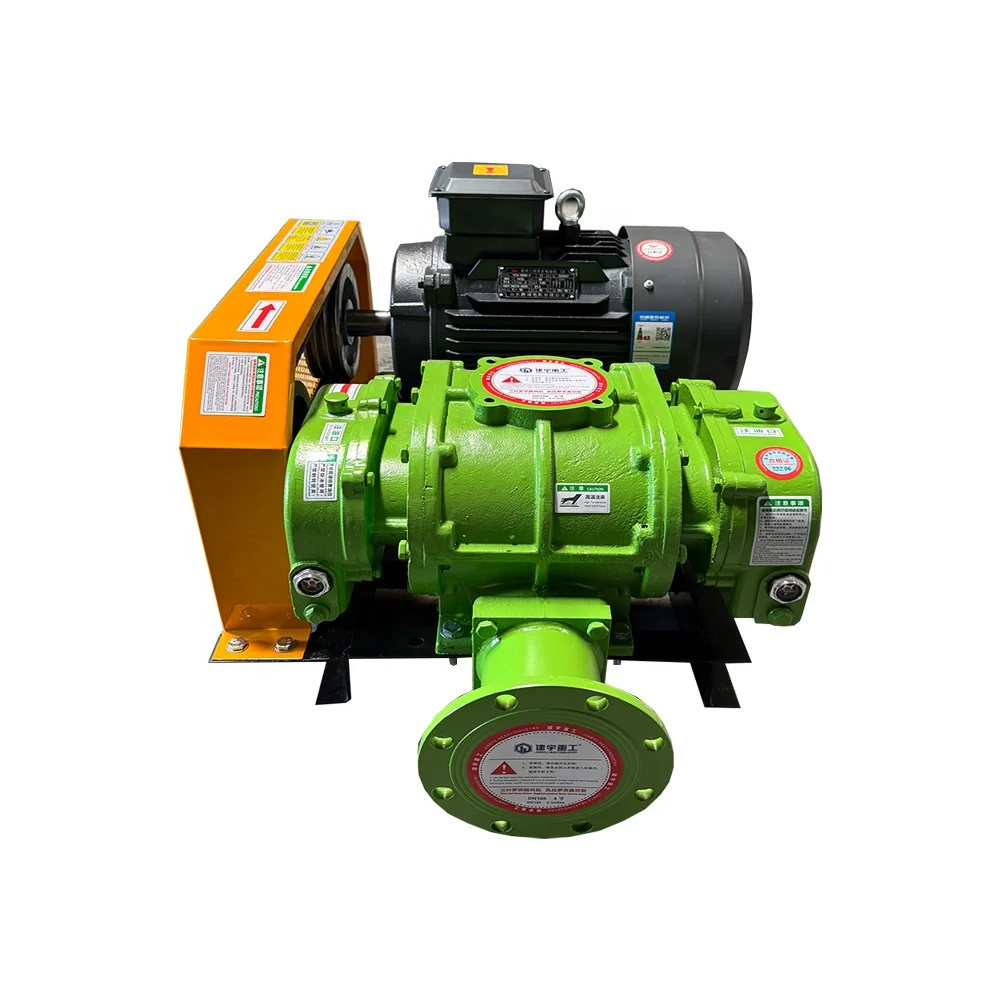
A lobe roots blower represents one of the most effective solutions for high-volume low-pressure air applications in industrial settings. Unlike centrifugal compressors that excel at generating high pressures, rotary lobe blower specifications are engineered specifically for delivering large volumes of air at moderate pressure levels. This distinction makes the positive displacement blower applications ideal for processes requiring steady, consistent airflow rather than extreme compression ratios. Understanding whether a lobe roots blower suits your operation requires evaluating your specific pressure requirements, flow demands, and operational constraints.
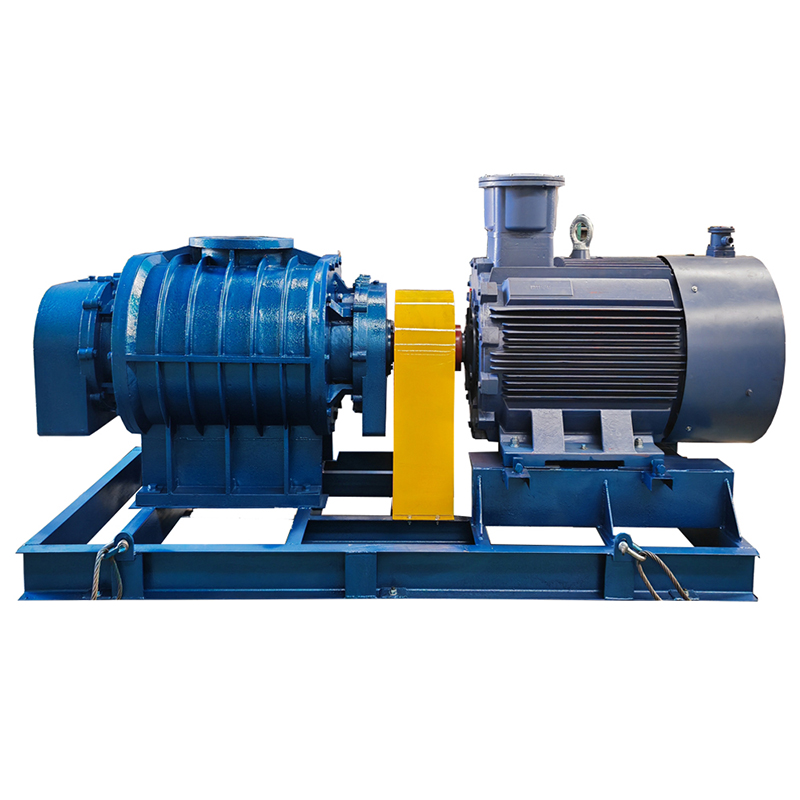
The suitability of a lobe roots blower for your application hinges on matching its performance characteristics with your operational needs. These positive displacement blower applications achieve high flow rates through synchronized rotating lobes that trap and discharge air in fixed volumes per revolution. Industrial air compressor systems using rotary lobe technology deliver reliable, predictable performance across varying load conditions. This article examines whether a lobe roots blower aligns with your high-volume low-pressure requirements and explores the technical factors that determine its fitness for your specific use case.
Understanding Rotary Lobe Blower Specifications and Performance Characteristics
How Lobe Roots Blowers Deliver Volume Over Pressure
Rotary lobe blower specifications define performance through displacement volume and pressure rating rather than compression ratio. A lobe roots blower operates by moving air through fixed chambers created by two counter-rotating lobes, displacing a consistent volume with each rotation. This positive displacement blower applications approach generates flow that remains nearly constant regardless of downstream pressure fluctuations within rated limits. Industrial air compressor systems employing this technology can handle demanding applications including pneumatic conveying, aeration, vacuum processes, and pressure vessel filling.
Pressure and Flow Relationship in Positive Displacement Systems
The defining characteristic of positive displacement blower applications is the inverse relationship between pressure and flow as demand increases. A lobe roots blower maintains volumetric output but requires additional motor power when system pressure rises. For high-volume low-pressure operations typically ranging from 5 to 15 psi, rotary lobe blower specifications deliver exceptional efficiency and reliability. Industrial air compressor systems operating in this pressure band experience minimal energy waste and extended equipment lifespan compared to oversized centrifugal alternatives.
Technical Suitability for High-Volume Low-Pressure Applications
Flow Capacity and Consistency Requirements
High-volume low-pressure applications demand reliable, consistent airflow delivery without significant fluctuations. A lobe roots blower excels in this requirement because its positive displacement blower applications mechanism ensures synchronized, uniform air delivery proportional to rotational speed. Rotary lobe blower specifications typically range from 10 CFM to over 5000 CFM depending on lobe size and operating speed. Industrial air compressor systems using this technology provide stable performance for processes like pneumatic material handling, pond aeration, and process ventilation where predictability matters more than peak pressure capability.
Pressure Rating Alignment with Application Demands
Most lobe roots blower designs carry maximum pressure ratings between 15 and 25 psi, with some heavy-duty models rated to 30 psi. This pressure band perfectly matches high-volume low-pressure requirements where applications rarely exceed 12 psi. Positive displacement blower applications operating above the rated pressure envelope waste energy and accelerate component wear, making precise pressure matching critical. Rotary lobe blower specifications must account for both steady-state operating pressure and occasional surge conditions to ensure system reliability and longevity in industrial air compressor systems.
Practical Advantages and Operational Considerations for Industrial Air Compressor Systems
Energy Efficiency and Operating Costs
A lobe roots blower optimized for high-volume low-pressure service delivers superior energy efficiency compared to oversized centrifugal equipment or improperly selected positive displacement blower applications. Rotary lobe blower specifications designed for your actual pressure range minimize energy consumption because the equipment operates within its design envelope rather than fighting backpressure. Industrial air compressor systems using appropriately sized lobe roots technology can reduce annual electricity costs by 20 to 40 percent compared to oversized alternatives. This efficiency translates directly to lower operational expenses and reduced environmental impact throughout the equipment lifecycle.
Maintenance and Reliability Factors
The robust construction of positive displacement blower applications makes lobe roots blowers exceptionally reliable workhorses in demanding industrial environments. Rotary lobe blower specifications incorporate minimal moving components, typically just the two lobes and bearings, reducing failure points and simplifying maintenance procedures. Regular oil changes and bearing inspection represent the primary maintenance requirements for industrial air compressor systems using this technology. A lobe roots blower often operates continuously for five to ten years with minimal intervention when properly sized and maintained, delivering extended service life and strong return on investment for high-volume low-pressure operations.
FAQ
Is a lobe roots blower suitable for continuous 24/7 operation in high-volume low-pressure applications?
Yes, a lobe roots blower is specifically designed for continuous operation in high-volume low-pressure service. Rotary lobe blower specifications typically include continuous duty ratings that support non-stop operation provided the equipment operates within its pressure and temperature limits. Industrial air compressor systems using positive displacement blower applications deliver reliable performance across extended operating hours without degradation, making them ideal for wastewater treatment, pneumatic conveying, and other continuous-duty processes. Proper cooling and maintenance ensure sustained reliability throughout the equipment's operational lifetime.
What is the maximum flow capacity of a typical lobe roots blower for high-volume applications?
Flow capacity varies based on rotary lobe blower specifications, but commercial models range from approximately 10 CFM to over 5000 CFM depending on lobe displacement and motor speed. Larger positive displacement blower applications can deliver even higher volumes through multiple-stage configurations or custom engineering. Industrial air compressor systems requiring specific flow rates should specify displacement volume and operating RPM to ensure the selected lobe roots blower precisely matches application demands. Custom sizing ensures optimal efficiency and equipment longevity.
How does a lobe roots blower compare to centrifugal compressors for high-volume low-pressure work?
A lobe roots blower outperforms centrifugal equipment in high-volume low-pressure scenarios because it maintains consistent flow regardless of downstream pressure variations. Positive displacement blower applications provide superior part-load efficiency, better low-pressure performance, and simpler installation without complex discharge piping. Rotary lobe blower specifications deliver predictable volumetric output, while centrifugal models lose efficiency at lower pressures. For industrial air compressor systems operating below 20 psi, a lobe roots blower typically offers better energy efficiency, lower operating costs, and more reliable performance than centrifugal alternatives.