
 EN
EN
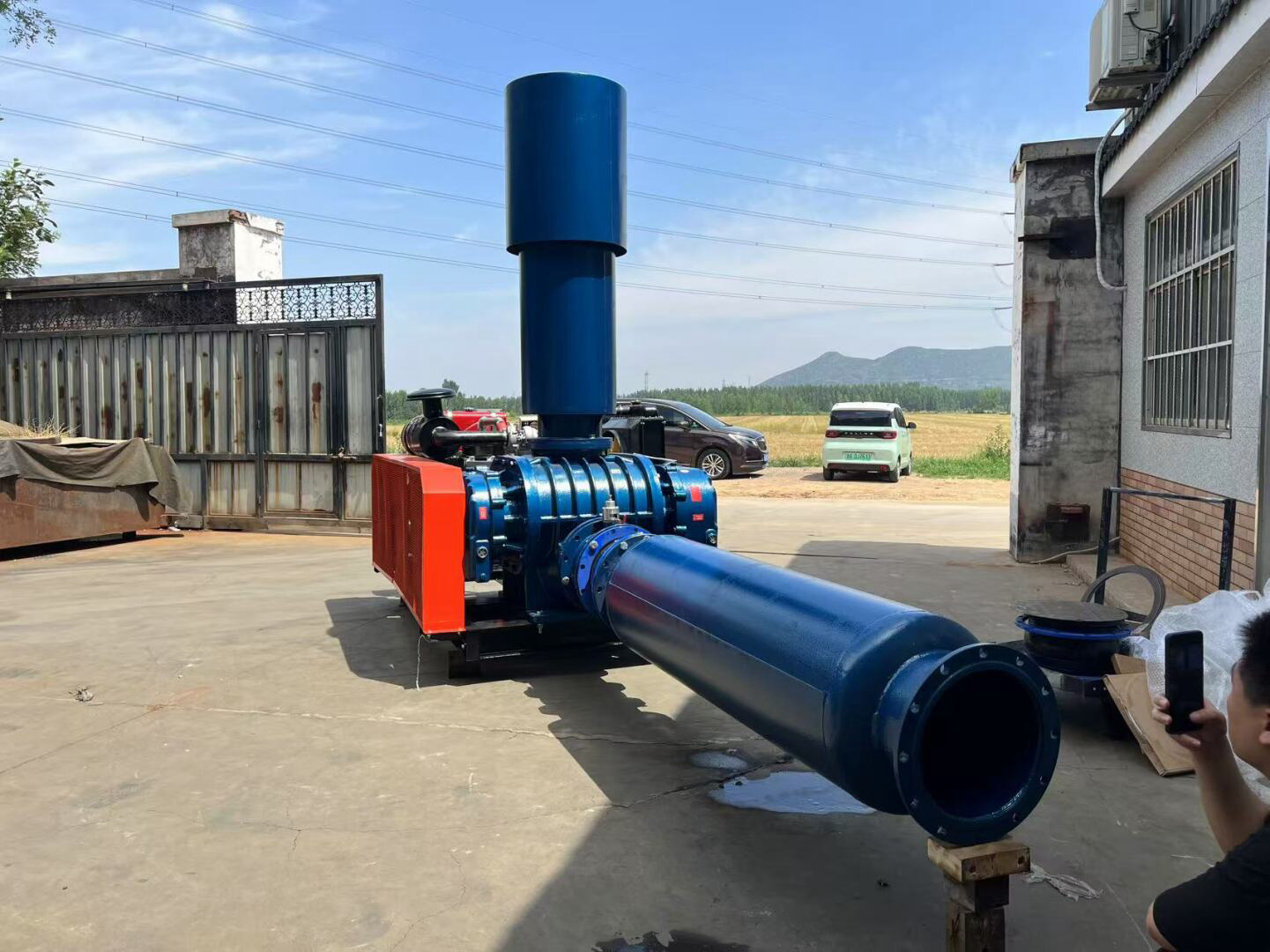
Equipment operating efficiency directly impacts production costs and profitability across industrial operations. A roots blower represents a proven solution for businesses seeking to optimize their pneumatic systems and enhance overall operational performance. By delivering consistent, reliable airflow at precise pressure levels, these specialized devices transform how industrial facilities manage their air compression needs.
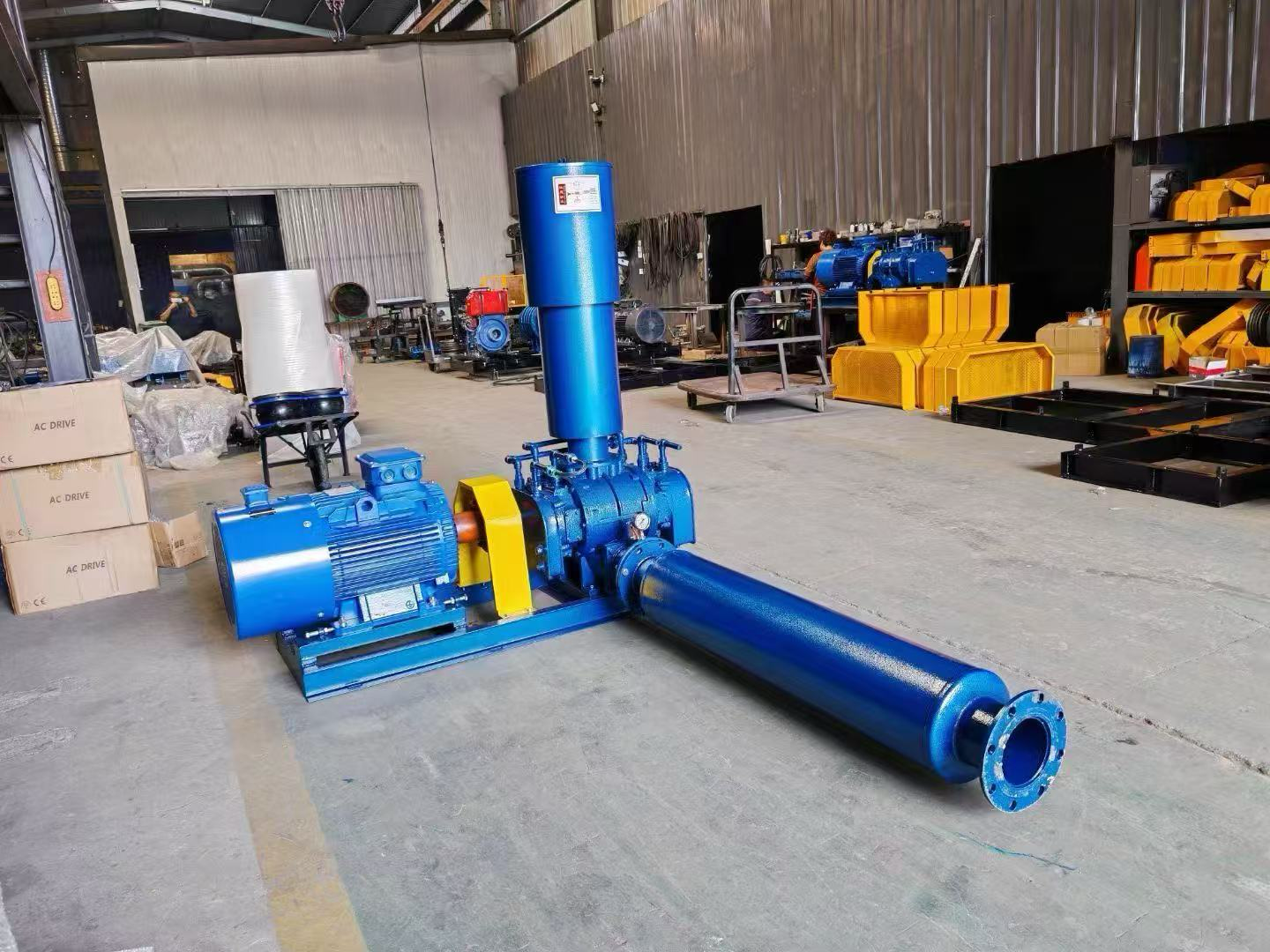
Understanding how a positive displacement blower function operates reveals why these machines are fundamental to modern industrial automation. A roots blower works through mechanical precision, rotating synchronized lobes that trap and move air in a consistent volume regardless of pressure changes. This positive displacement blower design ensures energy efficiency, reduced waste, and predictable performance across demanding applications.
Core Operating Principles and Performance Advantages
How Positive Displacement Technology Delivers Results
The positive displacement blower mechanism operates fundamentally differently from conventional centrifugal designs. Each rotation of the rotary lobe blower delivers a fixed volume of air, creating reliable pressure consistency that traditional systems cannot match. This mechanical certainty translates to lower energy consumption per unit of air delivered, directly reducing operational costs while maintaining performance standards.
Industrial air compression system integration becomes more efficient when using a positive displacement blower technology. The rotary lobe blower maintains steady output even when inlet conditions fluctuate, preventing the performance degradation common in less sophisticated equipment. This reliability proves especially valuable in facilities operating continuous production schedules where downtime creates cascading losses across multiple operations.
Energy Efficiency and Cost Reduction Impact
A roots blower reduces energy demand through optimized displacement design. By delivering precise air volume with minimal waste, the industrial air compression system requires less electrical input to achieve target operating parameters. Facilities report measurable reductions in power consumption when transitioning from centrifugal alternatives to positive displacement blower technology.
The rotary lobe blower design eliminates surge losses and flow inefficiencies inherent in variable-displacement systems. Manufacturing plants relying on pneumatic automation benefit substantially from this mechanical advantage. When a roots blower maintains consistent delivery pressure, downstream equipment operates at peak efficiency, reducing strain on components and extending service intervals.
Industrial Applications and System Integration
Matching Positive Displacement Technology to Your Operations
Different industrial sectors benefit uniquely from positive displacement blower installation. Aquaculture facilities depend on rotary lobe blower systems to maintain dissolved oxygen levels in treatment ponds and rearing tanks. Food processing operations utilize industrial air compression systems powered by roots blower technology for pneumatic conveying, material handling, and package sealing applications.
Wastewater treatment plants rely on positive displacement blower performance to power aeration systems where consistent airflow proves critical to biological process success. The rotary lobe blower handles fluctuating inlet conditions while maintaining the precise discharge pressure these systems demand. Chemical manufacturing facilities depend on roots blower consistency for vapor recovery and process gas circulation applications.
System Configuration and Performance Optimization
Integrating a roots blower into existing industrial air compression systems requires careful consideration of flow requirements, pressure ratings, and motor specifications. A positive displacement blower sized correctly for your facility's peak demand ensures optimal performance without oversizing penalties. The rotary lobe blower must coordinate with storage tanks, pressure regulators, and distribution piping to create a cohesive system.
Equipment operating efficiency increases substantially when the positive displacement blower operates within its design parameters. Undersizing creates bottlenecks; oversizing wastes energy and increases capital expenses. Proper roots blower selection, based on precise flow calculations and pressure requirements, establishes the foundation for years of reliable operation and measurable cost savings across your facility.
Maintenance, Reliability, and Long-Term Value
Durability and Predictable Operating Costs
A roots blower demonstrates exceptional reliability when maintained according to manufacturer specifications. The rotary lobe blower design includes synchronized timing gears and minimal contact between internal components, reducing wear patterns associated with centrifugal alternatives. This mechanical simplicity translates to fewer failures, reduced maintenance labor, and predictable spare parts expenses over the equipment's operational lifetime.
The positive displacement blower requires periodic bearing inspection, oil level verification, and filter element replacement to maintain industrial air compression system performance. These routine maintenance tasks prove straightforward and economical compared to complex repairs needed by more sophisticated equipment designs. A roots blower's robust construction handles continuous duty cycles without performance degradation, making it ideal for facilities demanding reliable equipment operating efficiency.
Maximizing Return on Investment Through Operational Excellence
Equipment operating efficiency improvements directly contribute to return on investment calculations for rotary lobe blower installations. By reducing energy consumption, minimizing downtime, and extending equipment service life, a positive displacement blower delivers financial benefits that extend far beyond initial purchase cost. Industrial air compression system operators consistently report payback periods between eighteen and thirty-six months through energy savings alone.
Long-term facility competitiveness depends on choosing equipment that balances initial capital investment with operational reliability and cost efficiency. A roots blower satisfies all three criteria through proven mechanical design, modest maintenance requirements, and predictable performance across diverse industrial applications. The decision to upgrade or install positive displacement blower technology represents a strategic commitment to operational excellence and sustainable cost management.
FAQ
What makes a positive displacement blower more efficient than centrifugal designs?
A positive displacement blower delivers fixed volume per rotation independent of pressure, while centrifugal equipment reduces output as discharge pressure increases. This mechanical advantage means a roots blower maintains consistent energy efficiency across varying operating conditions, whereas centrifugal systems require higher electrical input to sustain performance when backpressure increases. Industrial air compression systems benefit from this consistency through lower overall energy consumption.
How does a rotary lobe blower contribute to equipment operating efficiency?
The rotary lobe blower eliminates surge losses and flow instabilities present in competing technologies. By maintaining steady pressure and flow, the positive displacement blower reduces strain on downstream equipment, extending service life and preventing inefficient operating cycles. A roots blower enables manufacturing processes to operate within optimal performance windows, reducing material waste and improving production quality alongside energy conservation.
What industries benefit most from industrial air compression systems using roots blower technology?
Aquaculture, wastewater treatment, food processing, chemical manufacturing, and pneumatic automation all depend on positive displacement blower reliability. The rotary lobe blower excels wherever consistent airflow and pressure prove essential to process success. A roots blower's ability to handle continuous duty cycles makes it particularly valuable in applications where equipment downtime creates cascading operational and financial consequences.