
 EN
EN
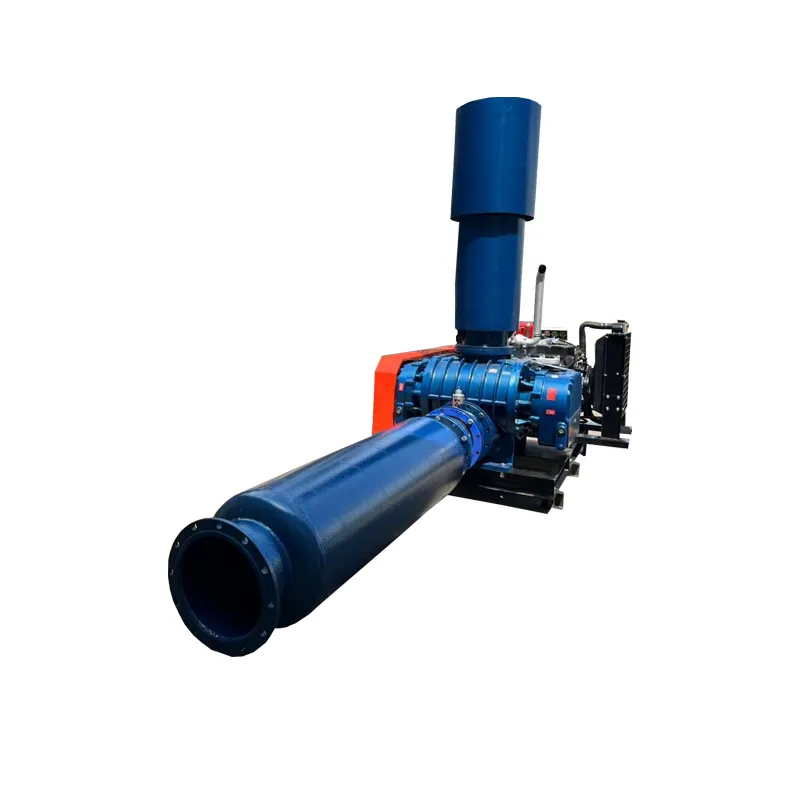
A high quality roots blower represents a critical investment for industries requiring reliable air and gas movement. Whether used in wastewater treatment, pneumatic conveying, or aquaculture applications, the performance characteristics of your blower directly impact operational efficiency, energy consumption, and overall system reliability. Understanding what distinguishes a premium roots blower from mediocre alternatives ensures you select equipment that meets your specific industrial demands and delivers consistent performance over years of operation.
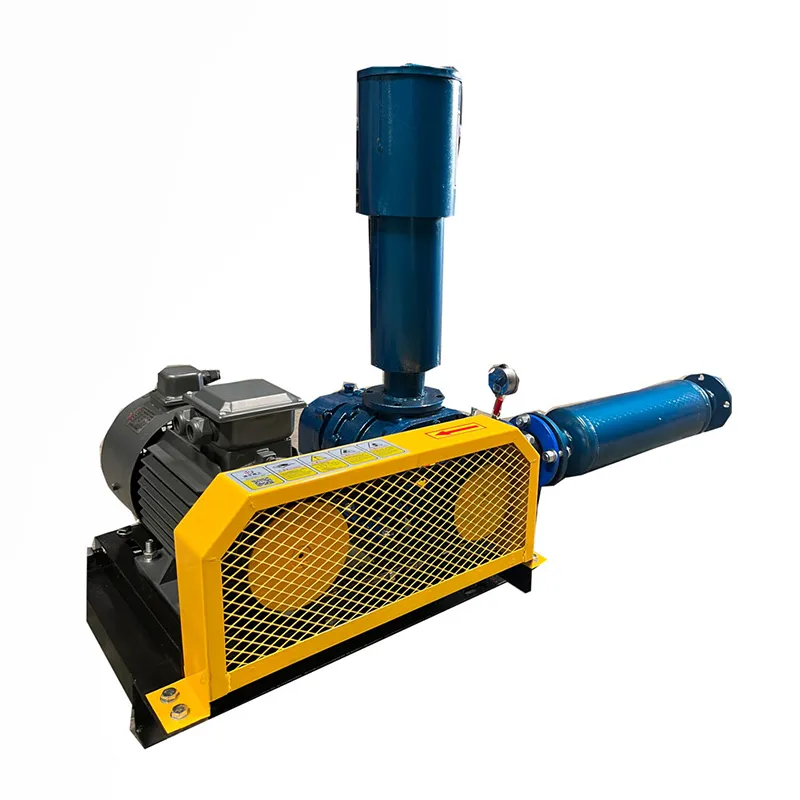
The positive displacement blower technology at the heart of every roots blower fundamentally separates quality units from inferior designs. A positive displacement blower operates by trapping and pushing fixed volumes of gas through its chamber, delivering consistent flow rates regardless of downstream pressure fluctuations. This mechanical certainty makes rotary lobe blower designs exceptionally valuable in demanding industrial environments where flow reliability cannot be compromised. Examining the specific performance factors that define quality helps facilities managers make informed decisions about their blower pump applications.
Displacement Volume and Volumetric Efficiency
Calculating True Displacement Capacity
Displacement volume represents the amount of gas a roots blower moves per revolution, measured in cubic feet per minute or cubic meters per hour. High quality positive displacement blower units maintain tight tolerances during manufacturing, ensuring displacement ratings remain accurate across the operational lifespan. The rotary lobe blower design depends critically on precise rotor profiles and minimal internal clearances. When a manufacturer specifies 100 CFM displacement, genuine quality means the unit consistently delivers that volume with minimal slippage or leakage.
Volumetric efficiency measures how much of the theoretical displacement actually reaches the outlet versus what leaks internally. Superior roots blower designs maintain volumetric efficiency above 95 percent even under moderate pressure conditions. Lower quality units experience significant internal leakage, reducing actual output and forcing users to oversize equipment. For blower pump applications where precise flow matters, this efficiency differential directly translates to operating cost savings and system reliability.
Pressure Stability and Flow Consistency
A positive displacement blower maintains nearly constant flow delivery regardless of system back-pressure changes within its rated operating range. This characteristic becomes essential for applications like pneumatic conveying, where pressure fluctuations occur naturally during operation. Quality rotary lobe blower models experience minimal flow degradation when pressure increases from 5 PSI to 15 PSI. Lower quality designs show significant performance drop, requiring larger motors and consuming excess energy to maintain minimum system requirements.
Thermal Management and Durability Factors
Temperature Control During Extended Operation
Compression heating represents an inherent challenge in any positive displacement blower system. As gas gets compressed inside the rotary lobe blower chambers, temperature rises significantly. Premium roots blower designs incorporate optimized cooling systems, improved rotor geometry, and superior bearing management to maintain acceptable operating temperatures. A high quality unit maintains case temperatures below 80 degrees Celsius during continuous operation, while lower quality alternatives frequently exceed 100 degrees Celsius under identical conditions.
Extended thermal stress degrades seals, bearings, and internal surfaces, accelerating maintenance cycles and reducing equipment lifespan. Superior blower pump applications designs include better material selection and heat dissipation pathways. Quality manufacturers conduct rigorous thermal testing to verify that positive displacement blower units maintain consistent temperature profiles across their entire duty range. This attention to thermal management directly correlates with longer intervals between major maintenance and reduced unplanned downtime.
Bearing and Seal Quality Standards
Bearings and seals represent the critical wear components in any rotary lobe blower installation. Premium roots blower designs employ sealed roller bearings with appropriate load ratings and lubrication systems precisely matched to operational demands. Quality manufacturers specify bearing materials and geometries specifically engineered for the compression and cycling stresses inherent in positive displacement blower operation. Lower quality alternatives use undersized or improperly selected bearings that deteriorate rapidly under full-load conditions.
Shaft seals and dynamic sealing surfaces separate the pressurized chamber from external environments while preventing oil leakage into discharge lines. A high quality roots blower incorporates advanced seal designs with minimal friction, superior chemical resistance, and extended serviceable life. For blower pump applications handling sensitive processes, seal integrity prevents product contamination and maintains system cleanliness. Premium seal materials withstand thermal cycling and pressure pulsations that rapidly degrade inferior designs.
Noise Levels and Operational Smoothness
Vibration Control and Acoustic Performance
Operational noise represents both an occupational concern and an indicator of internal mechanical quality. A well-engineered positive displacement blower minimizes noise through precise rotor timing, optimized lobe profiles, and comprehensive vibration damping. Quality rotary lobe blower designs achieve operating noise levels below 80 decibels at rated capacity, while inferior units frequently exceed 90 decibels. For industrial facilities with occupational safety regulations, this difference becomes both a performance and compliance metric.
Noise reduction directly reflects manufacturing precision and material quality. Premium roots blower units use high-grade cast iron, precision-machined rotors, and dynamic balancing during assembly. These manufacturing practices reduce vibration transmission to mounting structures and atmospheric noise radiation. Lower quality designs exhibit excessive rotor runout, inadequate balancing, and loose internal tolerances that generate audible noise and vibration. For long-term operation in enclosed spaces, the acoustic performance of your positive displacement blower affects worker comfort and facility environment.
Smooth Power Delivery and Pulsation Reduction
A rotary lobe blower naturally produces flow pulsations as rotor lobes trap and discharge gas. High quality designs minimize these pressure pulsations through advanced lobe profiles and discharge plenum designs. Superior roots blower units maintain pulsation amplitudes below 5 percent of mean discharge pressure, providing smooth, stable flow to downstream equipment. Inferior alternatives generate pulsations exceeding 15 percent of mean pressure, requiring oversized piping and larger discharge silencers to compensate.
Pulsation reduction becomes particularly important for blower pump applications where downstream equipment includes sensitive process instruments or precision pneumatic controls. Excessive pulsations stress piping systems, accelerate fatigue failures, and degrade measurement accuracy. A quality positive displacement blower reduces system stress throughout the entire installation. Premium manufacturers test pulsation characteristics extensively during development, ensuring their rotary lobe blower designs perform smoothly under real-world operating conditions.
FAQ
What makes a positive displacement blower superior to other blower types?
Positive displacement blower technology delivers consistent flow regardless of pressure variations, making these units ideal for demanding applications. A quality roots blower maintains this performance advantage through precise manufacturing and superior engineering. Unlike centrifugal alternatives, a rotary lobe blower guarantees minimum flow delivery even at high back-pressures, which proves essential for blower pump applications where reliability cannot be compromised.
How do I evaluate rotary lobe blower performance for my specific application?
Start by comparing actual volumetric efficiency ratings, thermal performance data, and bearing specifications from different manufacturers. Request detailed performance curves showing how each roots blower maintains flow and pressure across its operational range. For blower pump applications, verify that positive displacement blower designs include appropriate materials and sealing systems for your specific gas or liquid handling requirements. Quality manufacturers provide comprehensive technical documentation supporting performance claims.
What maintenance intervals should I expect from a high quality roots blower?
Premium roots blower designs typically require oil changes every 500 to 1000 operating hours, with major bearing and seal service recommended every 5000 to 8000 hours. A quality rotary lobe blower engineered with superior components maintains extended intervals compared to lower quality alternatives. Positive displacement blower systems benefit from proper filtration and thermal management, which significantly extend component lifespan. Regular monitoring of discharge temperature and vibration helps identify maintenance needs before performance degradation occurs.