
 EN
EN
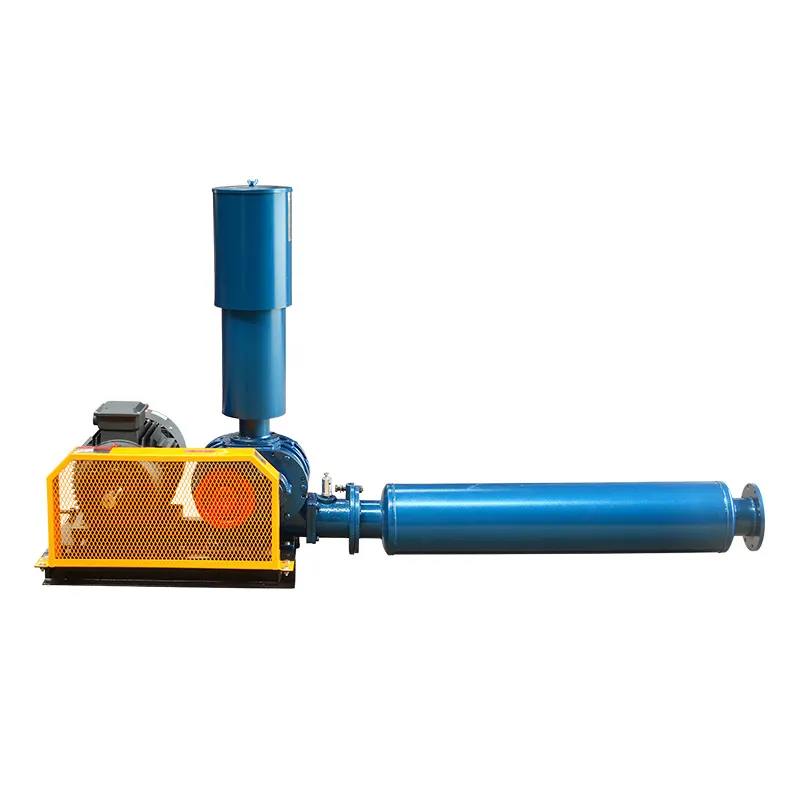
Wastewater treatment facilities depend on consistent, reliable aeration to maintain biological processes that break down contaminants and organic matter. A roots blower serves as the backbone of these systems, delivering steady airflow that keeps treatment lagoons, tanks, and reactors oxygenated and functioning at peak efficiency. Understanding how these devices work and their role in wastewater management helps operators, engineers, and facility managers make informed decisions about equipment selection and system optimization.
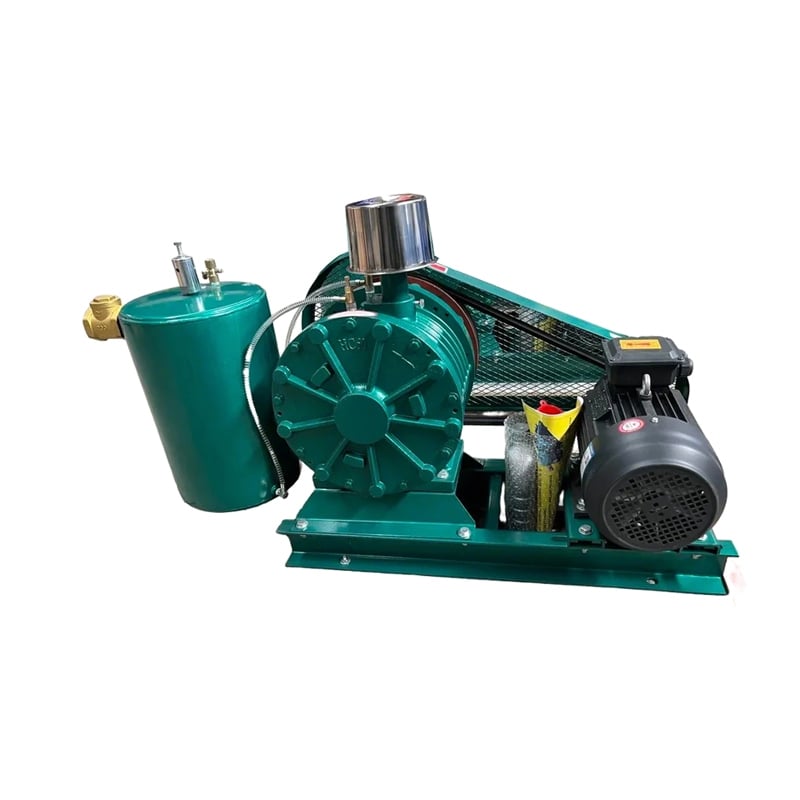
The role of rotary lobe blower applications in wastewater treatment extends beyond simple air movement. These positive displacement devices maintain precise oxygen transfer rates, support microbial communities, and ensure regulatory compliance across municipal and industrial operations. Whether you manage a small treatment plant or oversee large-scale facilities, recognizing how blower sizing and capacity calculation directly influence system performance is essential for cost-effective operations and environmental responsibility.
Core Function of Roots Blowers in Aeration Systems
Oxygen Transfer and Biological Activity
Wastewater treatment relies on microorganisms that consume dissolved oxygen to oxidize organic compounds. A roots blower generates consistent airflow that creates fine or coarse bubbles in treatment tanks, directly increasing oxygen dissolution rates. This controlled aeration supports activated sludge processes, oxidation ditches, and lagoon systems where aerobic bacteria thrive on steady oxygen supplies. The rotary lobe blower applications in these environments ensure that treatment efficiency remains stable regardless of influent loading variations or seasonal temperature changes.
Pressure Consistency and System Reliability
Unlike centrifugal blowers that vary output with discharge pressure, a roots blower maintains relatively constant volume flow across pressure ranges typical in wastewater treatment. This characteristic makes positive displacement blower maintenance predictable and enables operators to design simpler, more reliable distribution networks. The blower sizing and capacity calculation process accounts for this stable delivery, allowing engineers to specify equipment that delivers exactly the oxygen demand without oversizing or creating system inefficiencies that waste energy and increase operating costs.
Practical Applications in Wastewater Facilities
Lagoon and Pond Aeration
Natural treatment lagoons serving small communities and food processing industries depend on roots blower systems for complete mixing and oxygen delivery. A properly sized roots blower creates circulation patterns that prevent sediment accumulation and dead zones where anaerobic conditions develop. Operators use blower sizing and capacity calculation methods to determine the flow rate needed based on lagoon volume, water depth, and organic loading. Regular positive displacement blower maintenance, including bearing inspection and seal checks, extends equipment life and maintains consistent performance during extended operation seasons.
Activated Sludge Processes
Municipal wastewater treatment plants typically employ fine-bubble diffuser systems powered by roots blowers to support activated sludge processes. The rotary lobe blower applications in these processes require precise control of air delivery to aeration basins where microorganisms decompose pollutants. Engineers determine blower sizing and capacity calculation by analyzing biochemical oxygen demand, suspended solids concentration, and sludge retention time. This technical approach ensures that positive displacement blower maintenance schedules align with actual equipment stress and operating conditions, optimizing both performance and service life.
Maintenance, Sizing, and Operational Efficiency
Preventive Maintenance Protocols
Positive displacement blower maintenance forms the foundation of reliable wastewater treatment operations. Regular inspections of rotors, bearings, seals, and motor components prevent unexpected failures that disrupt treatment and trigger regulatory violations. Operators track vibration levels, discharge temperatures, and inlet air quality to detect deterioration early. Scheduled replacements of wear parts, oil changes, and filter cleanings extend equipment intervals and reduce emergency service calls. This proactive approach to positive displacement blower maintenance reduces total cost of ownership while maintaining treatment system availability.
Capacity Selection and Performance Tuning
Proper blower sizing and capacity calculation ensures that wastewater treatment systems operate in their optimal efficiency zone, typically between 70% and 90% of nameplate capacity. Undersized equipment cannot meet oxygen demand, causing treatment failures and permit violations. Oversized roots blowers consume excess energy without benefit and experience lower efficiency curves. Engineers use load profiles, peak flow conditions, and seasonal variations to establish accurate blower sizing and capacity calculation requirements. Variable frequency drives paired with rotary lobe blower applications allow facilities to modulate output, reducing energy consumption during low-demand periods while maintaining reliability during peak loads.
Energy Optimization Strategies
A roots blower typically represents the largest energy consumer in wastewater treatment facilities, making efficiency improvements critical for operational budgets. Modern positive displacement blower maintenance includes performance monitoring that identifies when wear begins to reduce overall system efficiency. Matching rotary lobe blower applications to actual biological demand rather than worst-case scenarios conserves energy. Blower sizing and capacity calculation that considers off-peak demands enables use of smaller, more efficient units or allows operators to implement staged aeration where treatment basins receive oxygen only when needed. These strategies collectively reduce electricity costs while maintaining reliable wastewater treatment.
FAQ
Why is a roots blower preferred over centrifugal blowers in wastewater treatment?
A roots blower maintains constant volume output across varying discharge pressures, making it ideal for wastewater systems where treatment demand fluctuates. This positive displacement characteristic simplifies system design and ensures stable oxygen transfer regardless of diffuser clogging or pressure variations. Centrifugal blowers reduce output as system pressure increases, requiring larger motors and energy input. Additionally, roots blower rotary lobe blower applications support fine-bubble diffusion more effectively, maximizing oxygen transfer efficiency compared to centrifugal alternatives.
How often should positive displacement blower maintenance be performed?
Positive displacement blower maintenance schedules depend on operating hours, air quality, and discharge conditions. Most facilities implement monthly visual inspections, quarterly oil changes, and annual bearing and seal examinations. High-dust environments or systems with frequent load swings may require more frequent service intervals. Preventive positive displacement blower maintenance should increase in frequency if monitoring data shows rising discharge temperatures or vibration levels. Documentation of all maintenance activities supports reliability analysis and helps predict when major components require replacement before failure occurs.
What factors influence blower sizing and capacity calculation for a specific facility?
Blower sizing and capacity calculation must account for treatment process type, influent characteristics, permitted discharge standards, and design flow rates. Activated sludge systems require higher oxygen transfer than lagoon processes, affecting blower sizing and capacity calculation outcomes. Engineers analyze peak hourly flow, maximum biochemical oxygen demand, and solids loading to establish worst-case oxygen demand. Climate considerations, including water temperature effects on oxygen dissolution, shape blower sizing and capacity calculation decisions. Facility growth projections and future treatment regulations should also influence equipment selection to avoid premature replacement.