
 EN
EN
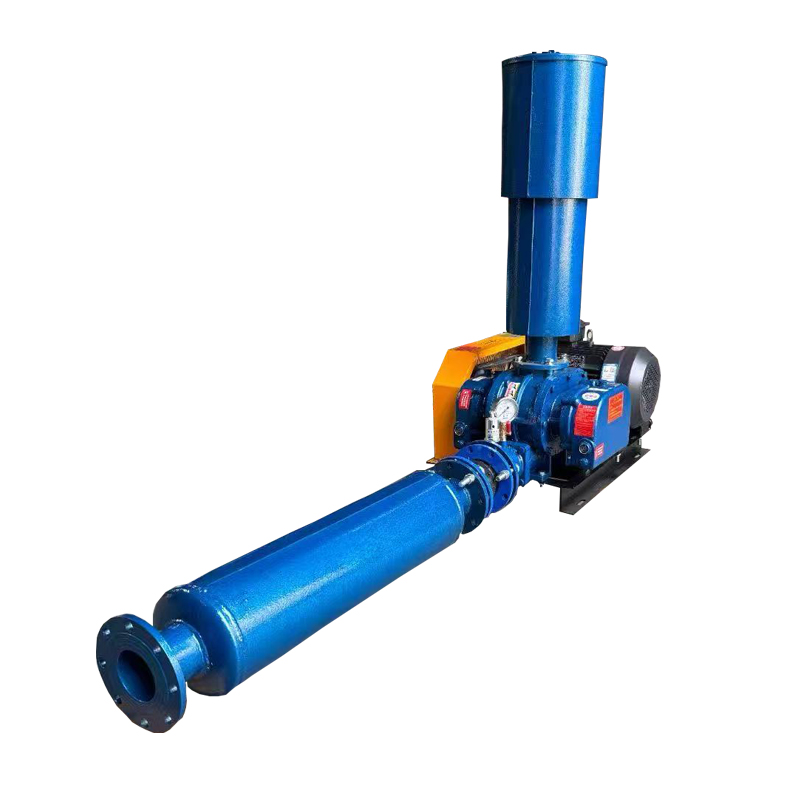
A roots blower stands out as a reliable solution for continuous air transfer applications due to its unique design and operational characteristics. Unlike centrifugal compressors that rely on velocity to move air, a roots blower operates on positive displacement principles, delivering consistent flow at predetermined rates regardless of downstream pressure variations. This fundamental advantage makes it exceptionally well-suited for processes requiring steady, predictable air supply over extended operating periods.
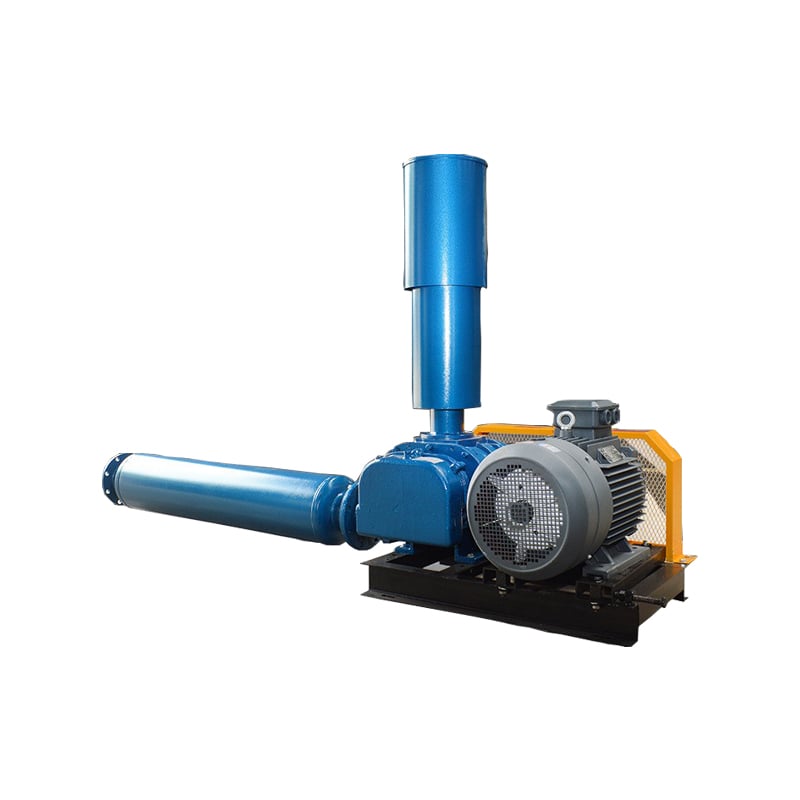
Industrial applications ranging from wastewater aeration to pneumatic conveying depend on the stability and efficiency that a positive displacement blower delivers. The positive displacement blower technology ensures minimal performance degradation over time, making it ideal for facilities that cannot afford downtime or performance fluctuations. Understanding the specific features that enable this reliability is essential for equipment buyers and facility managers seeking to optimize their air transfer systems.
Core Operating Principles of Positive Displacement Blowers
Mechanical Design and Flow Mechanism
The rotary lobe compressor design creates two counter-rotating lobes that trap and transfer air from inlet to outlet in a precise, mechanical motion. Each rotation cycle delivers a fixed volume of air, independent of system pressure, which is the defining characteristic of positive displacement technology. Unlike centrifugal designs that reduce output when back-pressure increases, a rotary lobe compressor maintains its volumetric delivery rate across varying operational conditions. This consistency eliminates the performance variability that plagues centrifugal units in fluctuating load scenarios.
Pressure and Flow Stability
Continuous air transfer demands reliable flow output that doesn't fluctuate with changing demand or system conditions. A roots blower achieves this through mechanical positive displacement, where each lobe rotation guarantees a fixed displacement volume. The low pressure air pump variant of this technology handles applications requiring gentle, steady airflow without the turbulence generated by alternative compressor types. Systems that depend on stable aeration patterns, such as aquaculture or biofilm cultivation, particularly benefit from this inherent flow consistency.
Suitability Factors for Continuous Operations
Thermal Performance and Heat Management
Extended continuous operation generates significant heat within any compressor, but a roots blower's design minimizes internal friction losses compared to some alternative technologies. The lobe-to-lobe clearance and carefully engineered tolerances reduce parasitic losses, keeping internal temperature rise manageable during round-the-clock running. Proper cooling jacket design and thermostatic controls allow the positive displacement blower to maintain optimal operating temperatures indefinitely. This thermal stability directly translates to reduced maintenance intervals and extended equipment lifespan in facilities running 24/7 air transfer operations.
Reliability and Maintenance Considerations
Industrial equipment success depends on reliable performance with minimal unplanned maintenance, and a rotary lobe compressor excels in both areas. The simple, robust mechanical design contains fewer moving parts than complex centrifugal or screw compressor alternatives. Oil-lubricated models provide additional bearing and lobe protection, while dry designs suit applications where oil contamination poses problems. The low pressure air pump configurations used in sensitive environments offer the same mechanical reliability with reduced input power requirements, making them cost-effective for continuous duty applications.
Industrial Applications Demonstrating Continuous Capability
Wastewater Treatment and Aeration Systems
Wastewater treatment facilities operate aeration systems continuously, requiring stable air supply throughout daily cycles. A roots blower delivers the predictable volumetric flow essential for maintaining aerobic processes in treatment basins. The rotary lobe compressor technology handles variable water levels and changing biochemical oxygen demand without fluctuating output, ensuring consistent treatment performance. Many municipal and industrial treatment plants standardized on positive displacement blower technology specifically for this continuous duty capability and the operational reliability it provides.
Pneumatic Conveying and Material Transport
Facilities using pneumatic conveying systems for powder, grain, or other particulate material transport depend on continuous, reliable air supply to maintain system performance. A low pressure air pump or moderate-pressure roots blower provides the steady flow needed for dilute-phase or dense-phase conveying operations. The consistent outlet pressure from a positive displacement blower prevents product segregation and system blockages that occur when air supply fluctuates. Industrial plants operating these systems around the clock have proven the rotary lobe compressor approach delivers the operational consistency essential for uninterrupted material handling.
FAQ
How does a roots blower maintain consistent flow during continuous operation?
A positive displacement blower delivers a fixed volume of air per revolution, regardless of system pressure changes. The mechanical lobe design ensures this volumetric displacement remains constant throughout the duty cycle, preventing the flow reduction that occurs in centrifugal units as back-pressure increases. This inherent consistency makes the roots blower ideal for applications requiring stable output over extended operating periods.
What maintenance requirements does a rotary lobe compressor need for continuous duty?
Regular oil level checks, periodic filter changes, and cooling system maintenance keep a rotary lobe compressor operating reliably during continuous service. The simple mechanical design means fewer components require attention compared to complex alternatives. Oil-lubricated models typically need oil analysis or changes at manufacturers' recommended intervals, while inspection of lobe clearances ensures optimal performance. Most industrial facilities find maintenance requirements quite manageable given the extended service life provided.
Can a low pressure air pump handle continuous 24/7 operation?
Yes, a low pressure air pump based on positive displacement technology operates reliably during continuous duty when properly sized and maintained. The dry or lightly lubricated design reduces parasitic losses, and the simple mechanical operation generates minimal heat during extended running. Proper cooling jacket selection and periodic maintenance ensure the low pressure air pump maintains consistent performance throughout extended operational cycles without degradation.