
 EN
EN
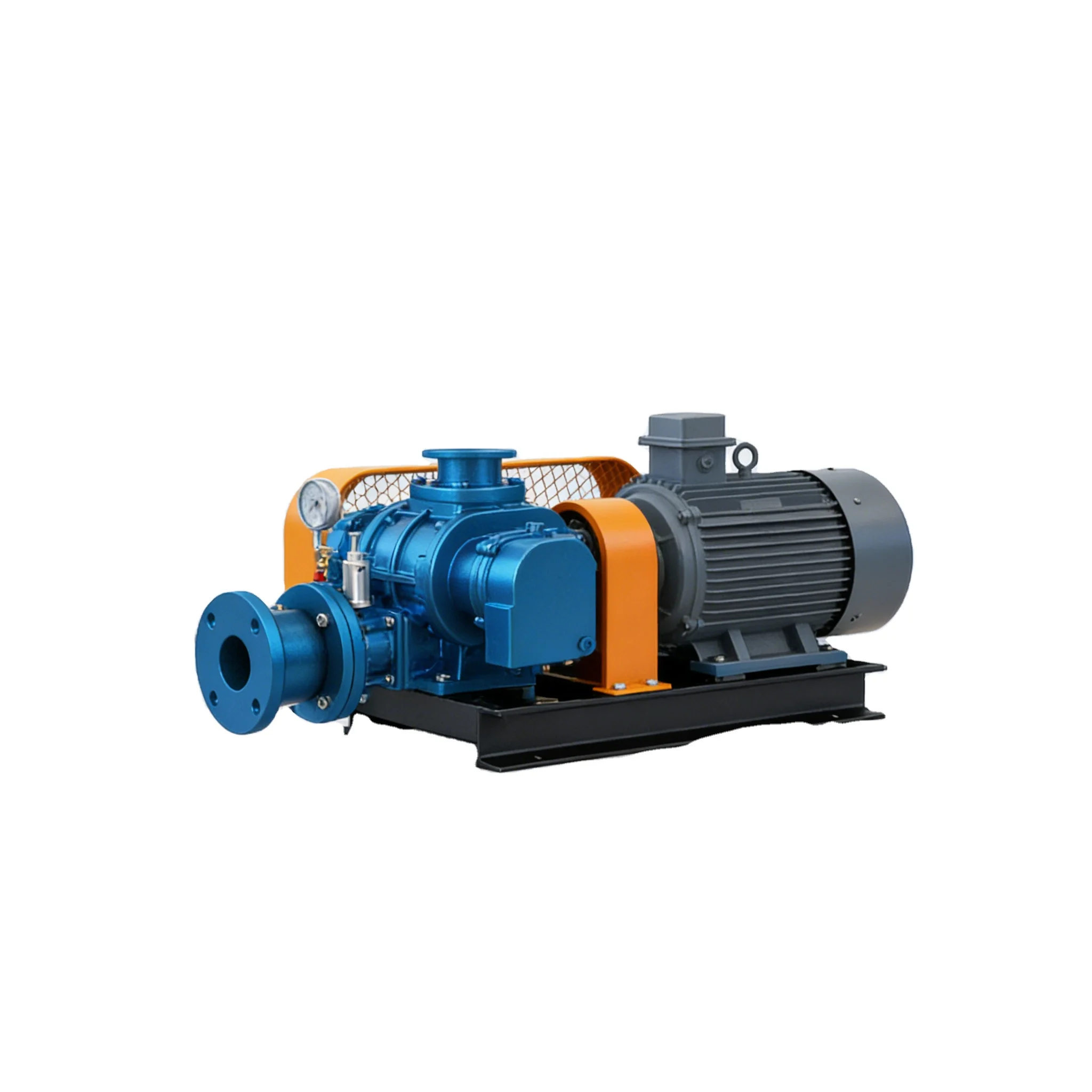
Equipment reliability is the cornerstone of operational efficiency in industrial facilities, and selecting the right pneumatic technology plays a critical role in achieving consistent performance. A rotary lobe blower stands out as a dependable solution that delivers sustained reliability over extended operating periods. Unlike many alternatives that degrade rapidly under demanding conditions, this positive displacement technology maintains performance stability while requiring significantly fewer interventions. Understanding how this blower technology contributes to long-term equipment reliability helps industrial operators make informed decisions that protect capital investments and reduce operational downtime.
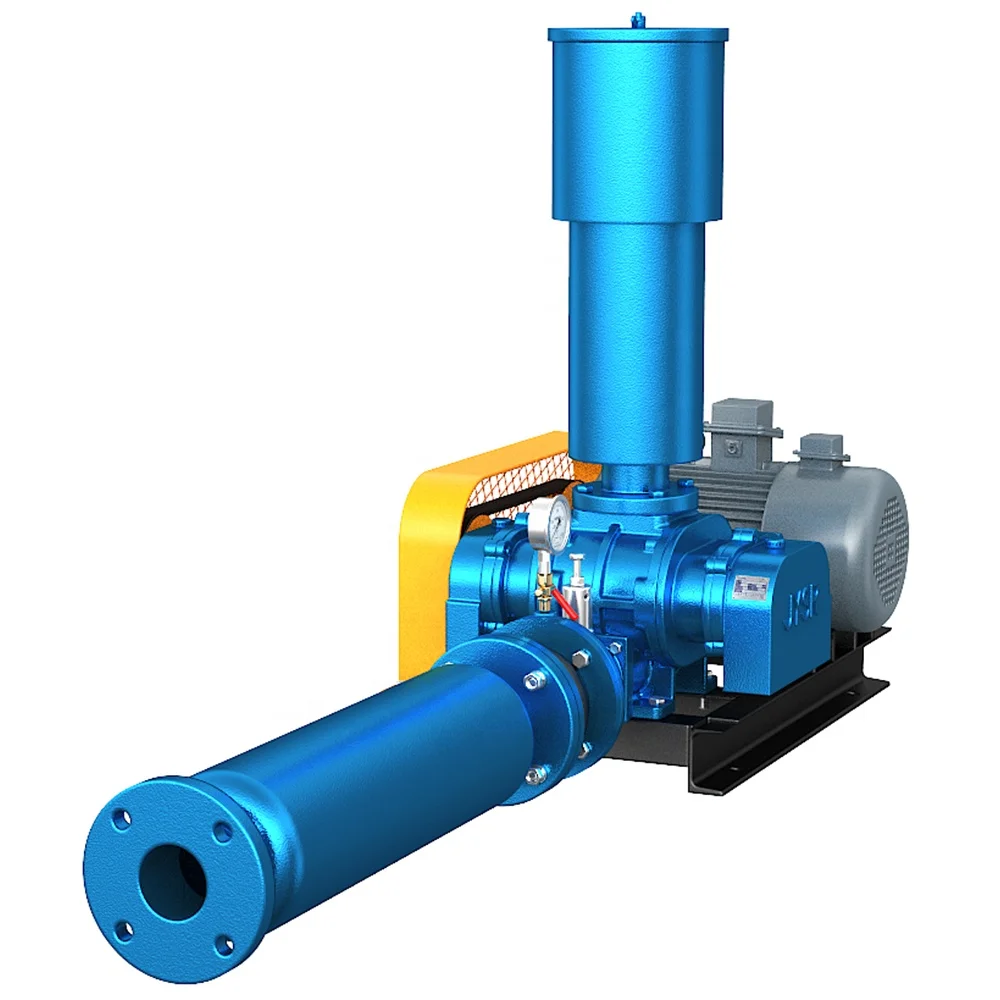
The engineering behind positive displacement blower applications ensures that a rotary lobe blower delivers consistent flow rates and pressure regardless of downstream resistance changes. This stability translates directly into predictable system behavior, allowing plant managers to operate equipment closer to design parameters without risking sudden failures. The robust construction and proven mechanical design of rotary lobe technology have made it the preferred choice for facilities where reliability determines profitability and safety outcomes matter most.
Superior Design and Durability Benefits
Mechanical Robustness Over Extended Service Life
A rotary lobe blower incorporates simple, direct-drive mechanics that minimize failure points common to other blower types. The two rotating lobes operate with controlled clearances that remain stable throughout the unit's lifespan, preventing the performance degradation seen in alternative designs. This inherent simplicity makes rotary lobe blower maintenance and troubleshooting straightforward compared to complex alternatives. When maintenance is simpler and less frequent, downtime expenses drop substantially, and your facility maintains higher availability rates.
Industrial operators recognize that positive displacement blower applications benefit from the absence of internal valves, complex compression stages, and precision alignments that require constant adjustment. The rotary lobe blower design eliminates these vulnerability points, ensuring performance consistency across thousands of operating hours. Heavy-duty bearings and wear-resistant internal surfaces contribute to extended service intervals, with many units operating reliably for ten to fifteen years under proper conditions.
Pressure and Flow Stability
Unlike centrifugal alternatives that experience performance variations with inlet conditions, a rotary lobe blower maintains steady delivery regardless of temperature, humidity, or pressure fluctuations. This stability is critical for conveying systems, pneumatic transport networks, and process applications where consistency directly impacts product quality and throughput. The positive displacement principle ensures that each rotation delivers a fixed volume of air, making performance predictable and controllable. Systems designed around this reliability can operate at optimized settings without safety margins that waste energy or reduce efficiency.
Reduced Maintenance and Operational Costs
Extended Intervals Between Service Events
Rotary lobe blower maintenance and troubleshooting requirements are dramatically lower than alternative technologies, directly reducing total cost of ownership. The straightforward mechanical design means fewer components experience wear, and wear patterns are predictable and manageable. Routine maintenance focuses on bearing lubrication, seal inspection, and occasional cleaning rather than complex adjustments or component replacements. Most facilities schedule service annually or biennially, compared to centrifugal blowers that demand quarterly attention or more frequent interventions for optimal performance.
When maintenance is less frequent and simpler, staff training requirements decrease, and emergency repairs become rare events rather than routine occurrences. The positive displacement blower applications using rotary lobe design typically show 30 to 40 percent lower maintenance labor costs over five-year periods compared to alternative technologies. This cost advantage compounds significantly across large facilities or those operating multiple units, creating budgetary benefits that influence capital acquisition decisions.
Spare Parts Availability and Standardization
The widespread industrial adoption of rotary lobe blower technology means spare parts remain readily available and competitively priced across the market. Standardized designs and components reduce procurement complexity and eliminate extended downtime waiting for specialized parts. Whether you need bearing kits, seal assemblies, or drive couplings, these items stock quickly at regional suppliers, keeping your operation running without unnecessary delays. This spare parts ecosystem, built on decades of market dominance, provides operational security that newer or specialized technologies cannot match.
Performance Consistency and System Integration
Predictable Output for Process Control
Industrial processes requiring precise air delivery benefit tremendously from the consistent output characteristics of a rotary lobe blower. Whether operating at full capacity or modulating flow through bypass controls, this technology maintains pressure stability that prevents process variations and quality inconsistencies. Automation systems controlling downstream equipment receive reliable feedback, enabling tighter process control and reduced waste. The positive displacement blower applications in packaging, pneumatic conveying, and material handling all demonstrate improved process performance when managed through rotary lobe technology.
Compared to rotary lobe blower vs centrifugal blower comparison discussions, the displacement type consistently outperforms in applications requiring reliability and consistency over pure energy efficiency at single operating points. While centrifugal designs may achieve better efficiency at one specific load point, rotary lobe equipment maintains acceptable efficiency across the broader range of operating conditions that real industrial processes experience. This broader performance envelope translates into better overall system reliability when conditions fluctuate unpredictably.
Easy Integration with Existing Infrastructure
Retrofitting older facilities with updated positive displacement blower applications often involves minimal infrastructure changes when selecting a rotary lobe blower to replace aging equipment. The direct-drive motor connection, standard mounting configurations, and predictable piping requirements mean installation proceeds smoothly without extensive facility modifications. Process systems designed around older rotary lobe units typically accommodate modern replacements without redesign, reducing capital requirements for technology upgrades.
FAQ
How does a rotary lobe blower maintain reliability over many years compared to other technologies?
A rotary lobe blower achieves sustained reliability through simple, proven mechanical design with fewer wear components than alternatives. The two-lobe design operating with controlled clearances remains stable across thousands of hours, while positive displacement blower applications ensure predictable performance regardless of operating conditions. Reduced maintenance complexity and extended service intervals mean fewer opportunities for failure, supporting long-term system dependability that directly reflects in lower downtime costs.
What specific maintenance does a rotary lobe blower require to sustain long-term performance?
Rotary lobe blower maintenance and troubleshooting typically involves annual bearing lubrication, seal inspection to prevent minor leaks, and periodic checking of alignment and drive coupling condition. Unlike more complex alternatives, most units require no internal adjustments or calibrations, just straightforward preventive care. Keeping inlet filters clean and monitoring discharge temperature ensures optimal performance throughout the equipment's extended service life.
When should a facility choose a rotary lobe blower over centrifugal alternatives?
The rotary lobe blower vs centrifugal blower comparison typically favors displacement designs when reliability, consistent performance across variable conditions, and lower maintenance are priorities. Facilities operating continuous processes, requiring steady pressure regardless of load changes, or managing multiple equipment units benefit most from rotary lobe reliability. Centrifugal units excel at high-speed single-point efficiency but sacrifice the operational flexibility and dependability that positive displacement blower applications demand in complex industrial environments.