
 EN
EN
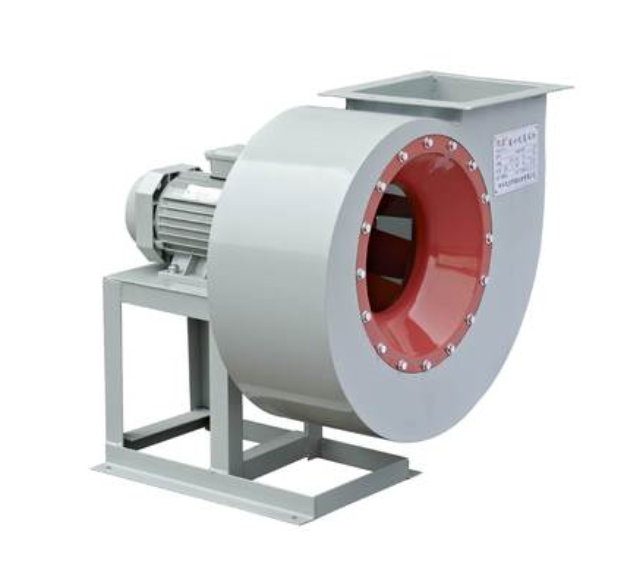
A centrifugal air blower represents a critical investment in industrial operations, whether supporting dust collection, material handling, or climate control. The longevity and reliability of this equipment directly impact production uptime and operational costs. Understanding effective maintenance strategies can significantly extend the service life of your centrifugal air blower, reducing unexpected downtime and maximizing return on investment. Facilities that implement proactive maintenance protocols experience fewer failures, lower energy consumption, and improved overall system performance across their industrial ventilation systems.
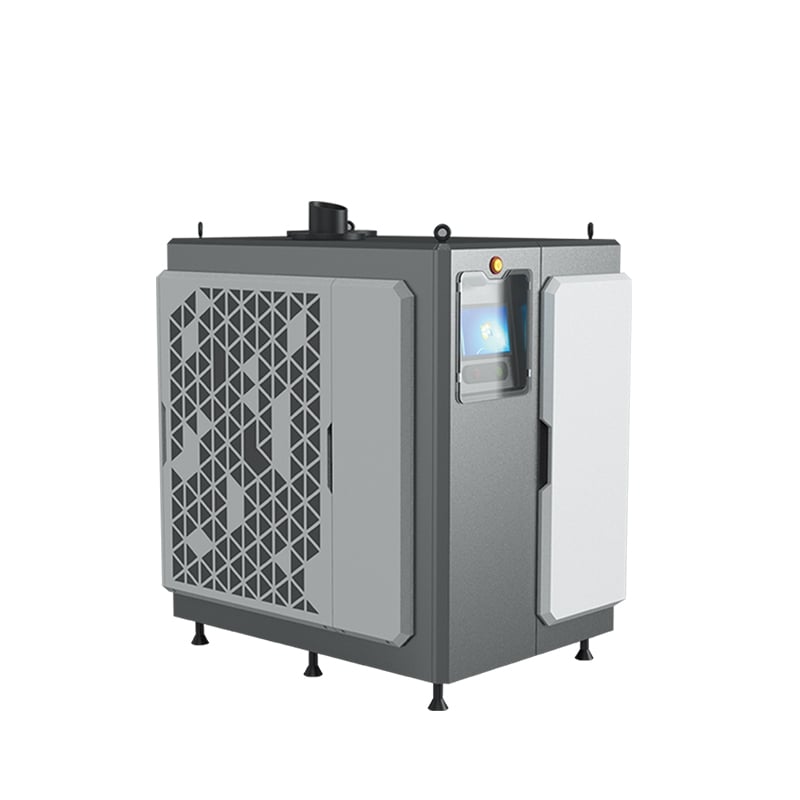
The relationship between maintenance strategy and equipment lifespan cannot be overstated in industrial environments. High pressure air blower specifications often include manufacturer recommendations for routine care, yet many facilities overlook preventive measures until problems emerge. Implementing structured maintenance schedules, monitoring performance metrics, and addressing wear patterns early ensures that your centrifugal fan noise reduction initiatives align with durability goals. This article explores the core maintenance strategies that protect your equipment investment and maintain consistent performance over years of continuous operation.
Understanding Preventive Maintenance Fundamentals
Establishing Routine Inspection Protocols
Preventive maintenance begins with systematic inspections that identify potential issues before they escalate. Regular visual checks of your centrifugal air blower bearings, seals, and impeller condition provide early warning signs of wear. Listening for unusual sounds is equally important, as changes in vibration patterns or grinding noises often indicate misalignment or bearing degradation. Documentation of inspection findings creates a historical record that reveals trends in equipment behavior, allowing you to anticipate maintenance needs rather than react to failures. Industrial ventilation systems benefit tremendously when operators understand baseline performance characteristics and recognize deviations quickly.
Lubrication and Fluid Management
Proper lubrication is fundamental to extending centrifugal air blower service life. High pressure air blower specifications typically detail specific lubricant types, viscosity grades, and application intervals that must be followed precisely. Over-lubrication can create excessive heat and contaminate air streams, while under-lubrication accelerates bearing wear and increases friction losses. Establishing a documented lubrication schedule ensures consistency across your maintenance team. Regular oil analysis can reveal contamination levels and oil degradation, providing data-driven insights into optimal change intervals. Clean lubricants reduce friction, lower operating temperatures, and significantly extend component life in demanding industrial applications.
Advanced Maintenance Strategies for Performance Optimization
Vibration Monitoring and Alignment
Vibration analysis serves as a powerful diagnostic tool for maintaining centrifugal fan health. Imbalanced impellers, misaligned shafts, or worn bearings generate characteristic vibration signatures that sensitive equipment can detect before catastrophic failure occurs. Regular vibration measurements establish baseline data, enabling technicians to identify when equipment requires realignment or component replacement. Maintaining proper alignment between the blower motor and driven equipment reduces stress on bearings and seals, directly extending overall service life. Investing in vibration monitoring equipment often pays for itself through prevention of major failures that would require complete equipment replacement or extended downtime.
Impeller and Housing Cleanliness
Dirt accumulation on impeller blades and internal housing surfaces reduces airflow efficiency and increases operating temperatures. For applications requiring centrifugal fan noise reduction, clean impellers also operate more quietly by minimizing turbulence. Regular internal cleaning removes dust, lint, and debris that compromise performance across industrial ventilation systems. In corrosive environments, protective coatings and regular cleaning prevent rust formation that weakens structural integrity. Establishing cleaning schedules appropriate to your specific application environment ensures that your centrifugal air blower maintains design performance specifications throughout its operational life.
Seal and Bearing System Management
Seal Integrity and Replacement Cycles
Seals are critical components that prevent air leakage and maintain system efficiency in your centrifugal air blower. Degraded seals allow contaminated air to enter bearing cavities, introducing particles that accelerate wear. High pressure air blower specifications define seal material compatibility with operating conditions, temperature ranges, and chemical exposure. Scheduled seal inspection and planned replacement before complete failure prevents catastrophic bearing damage and maintains system integrity. Modern mechanical seals offer improved longevity compared to older designs, making equipment upgrades worthwhile investments for facilities operating high-pressure systems continuously.
Bearing Condition Assessment
Bearings support the rotating shaft and experience significant stress during centrifugal air blower operation. Temperature monitoring provides an immediate indicator of bearing health, as elevated temperatures signal friction increase or inadequate lubrication. Audible changes, such as grinding or squealing sounds, indicate imminent bearing failure requiring immediate intervention. Replacing bearings during planned maintenance windows prevents emergency breakdowns that disrupt industrial ventilation systems operation. Selecting premium bearing grades designed for continuous-duty applications extends intervals between replacements and improves overall reliability. Predictive bearing replacement strategies based on age, hours of operation, and condition monitoring data optimize maintenance costs while maximizing equipment availability.
Operational Practices Supporting Equipment Longevity
Load Management and Thermal Control
Operating a centrifugal air blower within design parameters significantly impacts service life. Excessive discharge pressures, elevated inlet temperatures, or continuous overload conditions accelerate component wear throughout the system. Monitoring discharge pressure, outlet temperature, and motor current draw provides real-time insight into operating stress levels. Implementing load-balancing strategies and preventive throttling during peak demand periods reduces strain on bearings and seals. For industrial ventilation systems handling varying loads, variable frequency drives can optimize performance while extending equipment life by reducing mechanical stress during partial-load operation.
Documentation and Continuous Improvement
Maintaining detailed maintenance records creates institutional knowledge about your specific centrifugal air blower performance patterns. Recording repair dates, replacement components, operational hours, and performance metrics enables data-driven decision-making for future maintenance planning. Analysis of high pressure air blower specifications alongside actual operational data reveals optimization opportunities that extend service intervals. Trending historical information helps identify equipment degradation patterns, allowing proactive replacement before catastrophic failure. Staff training on proper operation, equipment limitations, and centrifugal fan noise reduction techniques ensures consistent application of best practices across your facility.
FAQ
How often should I perform maintenance on a centrifugal air blower?
Maintenance frequency depends on operating hours, application environment, and manufacturer recommendations. Most industrial ventilation systems benefit from monthly visual inspections, quarterly lubrication checks, and annual comprehensive evaluations. Continuous-duty applications may require more frequent attention than seasonal operations. Review your centrifugal air blower documentation and adjust schedules based on operational stress levels and historical performance data.
What are the main causes of premature centrifugal air blower failure?
Inadequate lubrication, contamination, misalignment, and overload conditions represent the primary failure drivers. Neglecting scheduled maintenance accelerates bearing wear and seal degradation. For high pressure air blower specifications, operating outside design parameters creates excessive stress. Implementing preventive maintenance addresses these risk factors before they cause costly breakdowns in your industrial ventilation systems.
Can regular maintenance reduce operating noise in a centrifugal fan?
Yes, maintenance directly supports centrifugal fan noise reduction goals. Clean impellers and balanced rotors operate more quietly than neglected equipment. Proper alignment eliminates vibration-related noise, while lubricant management prevents bearing-generated sounds. Regular maintenance not only extends service life but also improves working conditions by reducing noise levels across your facility.