
 EN
EN
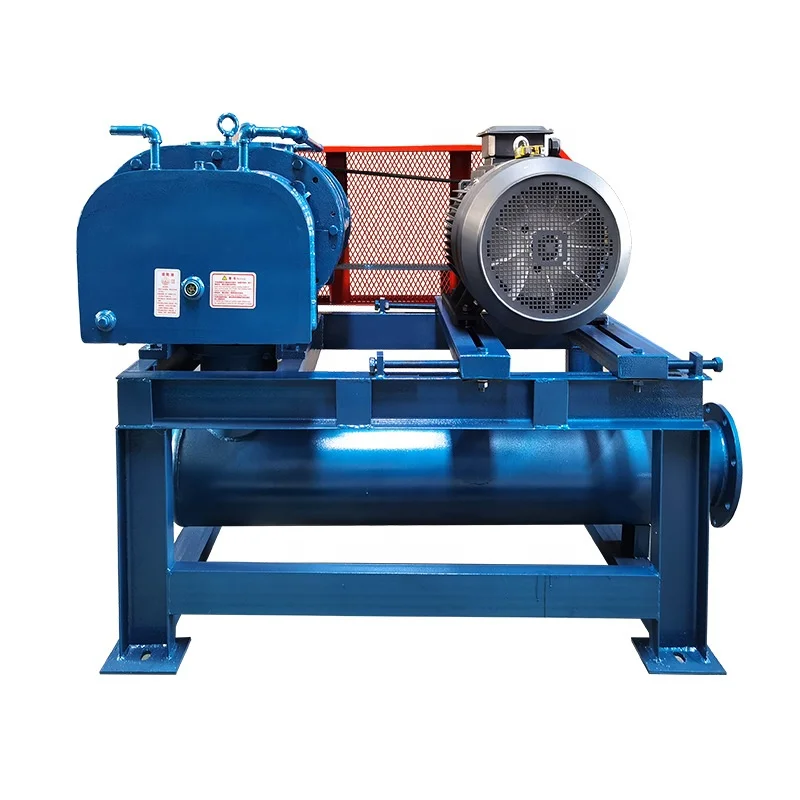
A rotary lobe blower has become the backbone of modern industrial air systems, earning trust through decades of proven reliability and consistent performance across demanding applications. Industries ranging from wastewater treatment to pneumatic conveying rely on these mechanical workhorses because they deliver predictable airflow, operate efficiently under variable conditions, and require manageable maintenance protocols. The engineering principles behind rotary lobe blower design make them uniquely suited to applications where steady pressure and volume matter more than extreme speed or high compression ratios.
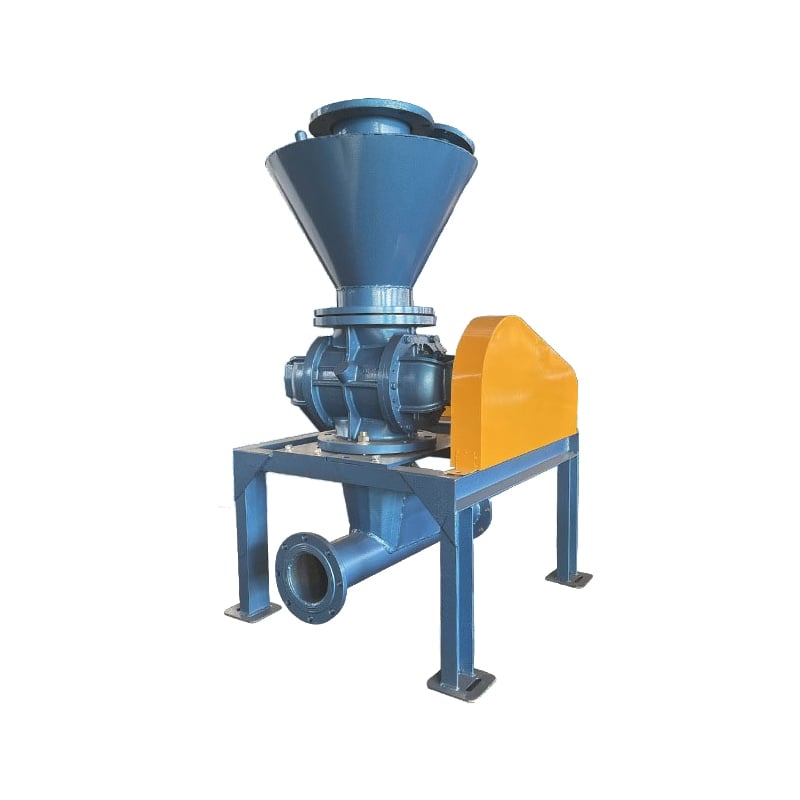
Understanding why a rotary lobe blower is trusted requires examining its fundamental operating principle: positive displacement technology that traps and moves fixed volumes of air with each shaft rotation. Unlike centrifugal designs that rely on impeller speed to create pressure, positive displacement blower applications excel when demand patterns shift or when systems operate at lower speeds. This mechanical advantage translates directly into cost savings, reduced energy waste, and greater system uptime, which explains why industrial engineers continue specifying this proven technology for low pressure air conveyance systems and fluid transfer operations.
How Positive Displacement Blower Applications Deliver Reliability
Core Operating Advantages of Rotary Lobe Design
Positive displacement blower applications depend on the fundamental principle that each rotation of the lobe assembly moves a known volume of air or gas forward. The two interlocking rotors turn at synchronized speed, with tight clearances ensuring minimal slip and maximum efficiency per revolution. This mechanical certainty means system designers can predict airflow rates across a wide operating range without concern for surge or pressure pulsation sensitivity. When industrial facilities need to move material or gas reliably without fluctuation, a rotary lobe blower provides the steady displacement that downstream equipment expects.
Why Industries Choose Positive Displacement for Critical Processes
Wastewater treatment plants depend on consistent aeration rates to maintain biological process stability, making rotary lobe blower performance non-negotiable. Pneumatic conveying systems must deliver reliable volume across distance and elevation changes; a rotary lobe blower accommodates these dynamic loads without efficiency collapse. Industrial drying systems require steady airflow to prevent product degradation or uneven processing. In each scenario, positive displacement blower applications prove superior because they maintain volumetric output despite variable system resistance, ensuring operators can count on predictable results day after day.
Maintenance, Troubleshooting, and Long-Term Performance
Understanding Rotary Lobe Blower Maintenance and Troubleshooting Needs
Rotary lobe blower maintenance and troubleshooting follows a logical maintenance schedule because the design incorporates few wear surfaces and no internal cooling requirements. Regular oil changes, seal inspections, and alignment checks prevent the majority of field issues before they develop into costly downtime. Bearing condition monitoring and vibration analysis help operators detect wear early, while systematic filter replacement prevents particulate contamination that could damage rotor clearances. When maintenance teams follow these proven protocols, a rotary lobe blower can deliver 15,000 to 25,000 operating hours between major overhauls, far exceeding many competing technologies.
Common Issues and Practical Resolution Strategies
Low pressure output typically indicates worn rotor clearances or split-ring seal degradation, both addressable through planned component replacement. Temperature rise suggests impaired cooling, whether from clogged discharge paths or ambient conditions, requiring inspection of low pressure air conveyance systems and cooler efficiency. Noise elevation often precedes bearing failure, making vibration trending essential for preventive shutdown scheduling. Rotary lobe blower maintenance and troubleshooting become straightforward once operators establish baseline performance metrics and implement condition-monitoring protocols that flag deviations before they compromise system availability.
Industrial Applications and System Integration Considerations
Low Pressure Air Conveyance Systems Across Key Industries
Low pressure air conveyance systems handle material transfer, aeration, and gas movement in industrial contexts where energy efficiency and reliability matter equally. Rotary lobe blower technology dominates this space because it avoids the inefficiency of higher-speed designs when application requirements demand moderate pressure and steady volume. Food processing facilities use positive displacement blower applications for pneumatic flour conveying without particle damage. Pulp and paper mills depend on rotary lobe blower steady airflow for digester operation and fiber handling. Aggregate and cement industries rely on low pressure air conveyance systems for dust collection and material movement, where sustained reliability prevents production interruptions.
Why System Designers Continue Selecting This Technology
Design engineers choose a rotary lobe blower because specifications remain predictable across the equipment lifecycle. Unlike centrifugal alternatives that suffer efficiency loss as wear progresses, positive displacement blower applications maintain volumetric output despite component aging, delaying replacement decisions and stretching capital asset life. System complexity decreases when integrating a rotary lobe blower, since bypass regulation and pulsation dampening requirements are minimal compared to high-speed machinery. Total cost of ownership becomes favorable because maintenance expenses remain moderate and catastrophic failure probability stays low when operators follow established protocols for rotary lobe blower maintenance and troubleshooting.
FAQ
What makes a rotary lobe blower more reliable than centrifugal designs?
A rotary lobe blower operates on positive displacement principles, meaning each shaft rotation moves a fixed air volume regardless of downstream resistance. Centrifugal designs depend on impeller speed to create pressure, causing efficiency loss and pressure instability as wear develops. The rotary lobe blower maintains consistent performance across its operating life, reducing maintenance surprises and unplanned shutdowns. Centrifugal alternatives require more frequent attention to vibration, seal condition, and bearing temperature, making them less suitable for facilities where reliability ranks above peak efficiency.
How does positive displacement blower technology improve energy efficiency in pneumatic systems?
Positive displacement blower applications avoid the speed-dependent losses inherent to centrifugal designs, meaning they consume less energy when system resistance varies or when operating below maximum design pressure. A rotary lobe blower sized precisely for application demand can run efficiently at partial load without surge issues or re-circulation losses. Low pressure air conveyance systems benefit significantly from this characteristic because material transfer rarely demands maximum capacity continuously; instead, it fluctuates based on process scheduling. Over a year of operation, this efficiency advantage compounds into measurable utility cost reduction and lower carbon footprint compared to oversized high-speed alternatives that waste energy maintaining unnecessary capacity margins.
What is the typical service life and replacement interval for rotary lobe blower components?
Rotary lobe blower maintenance and troubleshooting schedules typically recommend rotor inspection every 3,000 operating hours and major component overhaul every 15,000 to 25,000 hours depending on application severity and maintenance discipline. Bearings usually require replacement every 10,000 to 20,000 hours, while seals may need attention every 5,000 hours in demanding applications. Low pressure air conveyance systems with clean inlet air and proper lubrication extend these intervals significantly, sometimes doubling component life. By establishing baseline performance metrics early and monitoring vibration and temperature trends, operators can plan maintenance strategically and avoid the surprises that disrupt production schedules.