
 EN
EN
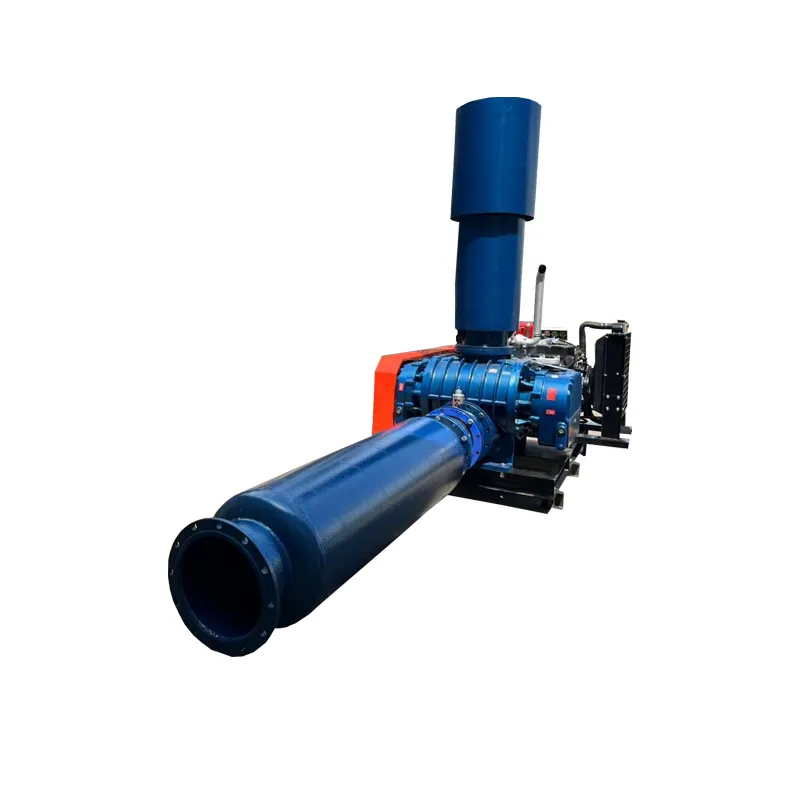
Maintaining stable water quality is one of the most critical challenges in modern fish farming operations. Poor dissolved oxygen levels, ammonia accumulation, and inconsistent water conditions can quickly lead to fish stress, disease outbreaks, and significant economic losses. An aquaculture roots blower addresses these challenges by delivering reliable, continuous aeration that keeps water parameters stable and fish populations healthy. These specialized air pump systems are engineered to maintain consistent oxygen supply across ponds and tanks, preventing the water quality fluctuations that threaten productivity.
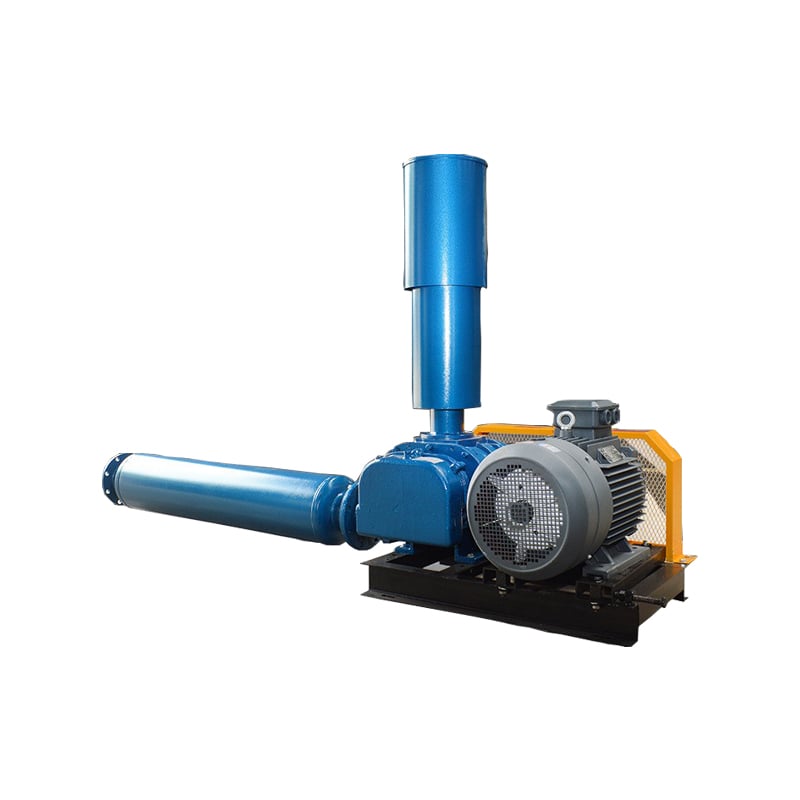
A pond aeration system powered by roots blower technology works by forcing compressed air into aquaculture environments at controlled pressure levels. Unlike conventional centrifugal blowers, roots blowers operate through a positive displacement mechanism that generates consistent airflow regardless of back pressure changes. This reliability makes them ideal for fish farm oxygen supply equipment applications where water depth, temperature fluctuations, and seasonal changes would cause other pump systems to lose efficiency. The fish farm oxygen supply equipment approach ensures stable, predictable oxygen delivery that supports optimal fish growth and metabolic function.
How Roots Blower Technology Maintains Dissolved Oxygen Levels
Positive Displacement Air Delivery Mechanism
The core principle behind pond aeration system effectiveness lies in the roots blower's positive displacement design. Unlike centrifugal pumps that rely on impeller speed to create airflow, roots blowers use two rotating lobes that trap air and force it through delivery pipes at constant volume. This mechanism maintains consistent pressure even as water depth increases or backpressure rises within the aeration lines. For aquaculture air pump specifications, this translates to steady oxygen transfer rates that do not degrade over time or under changing operational conditions. The reliability of this design is why commercial fish farming operations depend on roots blower technology for their most critical aeration needs.
Oxygen Transfer Efficiency in Fish Farming
When air from a pond aeration system reaches the water surface or is diffused through submerged stones and pipes, the oxygen transfer rate depends on both air volume and diffusion method. A roots blower maintains high oxygen transfer efficiency by generating sufficient air volume at stable pressure, ensuring that diffusers operate within their optimal performance window. Fish farm oxygen supply equipment powered by roots blower technology can achieve dissolution rates that support high-density stocking while preventing stratification and dead zones in the water column. This consistent oxygenation prevents nocturnal oxygen crashes that are common in ponds relying on less reliable aeration methods.
Stability Benefits for Water Quality Parameters
Preventing Ammonia and Nitrite Accumulation
Adequate aeration does more than supply oxygen to fish. A well-designed pond aeration system powered by aquaculture air pump specifications promotes nitrification, the bacterial process that converts toxic ammonia into less harmful nitrite and ultimately nitrate. Without consistent oxygen from reliable aquaculture roots blower equipment, nitrifying bacteria cannot function efficiently, allowing ammonia and nitrite to accumulate to dangerous levels. Fish exposed to these conditions experience reduced appetite, compromised immune function, and increased susceptibility to disease. By maintaining stable dissolved oxygen through continuous roots blower operation, farms create the biochemical conditions necessary for a healthy nitrogen cycle that protects fish health.
Temperature and Stratification Control
Ponds and tanks stratify during calm weather, with warmer water sitting above cooler, oxygen-depleted lower layers. A fish farm oxygen supply equipment system addresses this stratification by creating water circulation that mixes layers and distributes oxygen vertically. The consistent pressure output from an aquaculture roots blower ensures that circulation continues even during peak water temperature periods when oxygen demand is highest. This prevention of stratification protects bottom-dwelling fish species and maintains uniform water quality throughout the entire column, supporting even growth and reducing stress-related mortality.
Integration and Operational Reliability
System Design for Continuous Operation
Commercial aquaculture air pump specifications for roots blower systems emphasize durability and continuous duty performance. These systems are engineered to operate 24/7 without degradation, delivering the uninterrupted aeration that fish farms require. The robust construction of roots blowers minimizes maintenance intervals compared to centrifugal alternatives, reducing downtime and operating costs. Backup power systems, redundant blower units, and automated monitoring have become standard in modern pond aeration system installations, ensuring that oxygen supply continues even during electrical fluctuations or equipment failures.
Scalability for Different Farm Sizes
Whether managing small hatchery tanks or large commercial ponds, aquaculture roots blower technology scales effectively across different production volumes. Manufacturers offer aquaculture air pump specifications ranging from compact single-unit systems for small operations to high-capacity multi-blower installations for industrial facilities. This scalability means that farmers can invest in fish farm oxygen supply equipment proportional to their current production level and expand capacity as their operations grow. The modular nature of roots blower systems allows for efficient matching of equipment to actual aeration demand, optimizing both performance and energy costs.
FAQ
What makes an aquaculture roots blower different from standard air pumps?
A roots blower uses positive displacement technology to maintain constant airflow and pressure regardless of back pressure changes in the distribution system. Standard centrifugal pumps lose efficiency as system resistance increases, particularly in deep ponds. An aquaculture roots blower's ability to sustain delivery pressure makes it ideal for applications requiring reliable, stable aeration across varying water depths and temperatures that are typical in commercial fish farming.
How does pond aeration system equipment improve water quality metrics?
A pond aeration system powered by roots blower technology increases dissolved oxygen levels, which supports beneficial nitrifying bacteria and breaks down dead zones. This improved oxygenation prevents toxic ammonia and nitrite accumulation, maintains consistent pH through gas exchange, and reduces temperature stratification. Fish farm oxygen supply equipment ensures these water quality improvements remain stable throughout every operational season.
What aquaculture air pump specifications should a farm consider when selecting equipment?
Key aquaculture air pump specifications include flow capacity in cubic feet per minute, pressure rating in pounds per square inch, horsepower requirements, noise levels, and duty cycle capability. Farms should also evaluate diffuser type, pipe materials, monitoring systems, and redundancy options. Matching these specifications to actual pond volume, water depth, stocking density, and climate conditions ensures that fish farm oxygen supply equipment operates efficiently while maintaining the stable water quality necessary for healthy fish production.