
 EN
EN
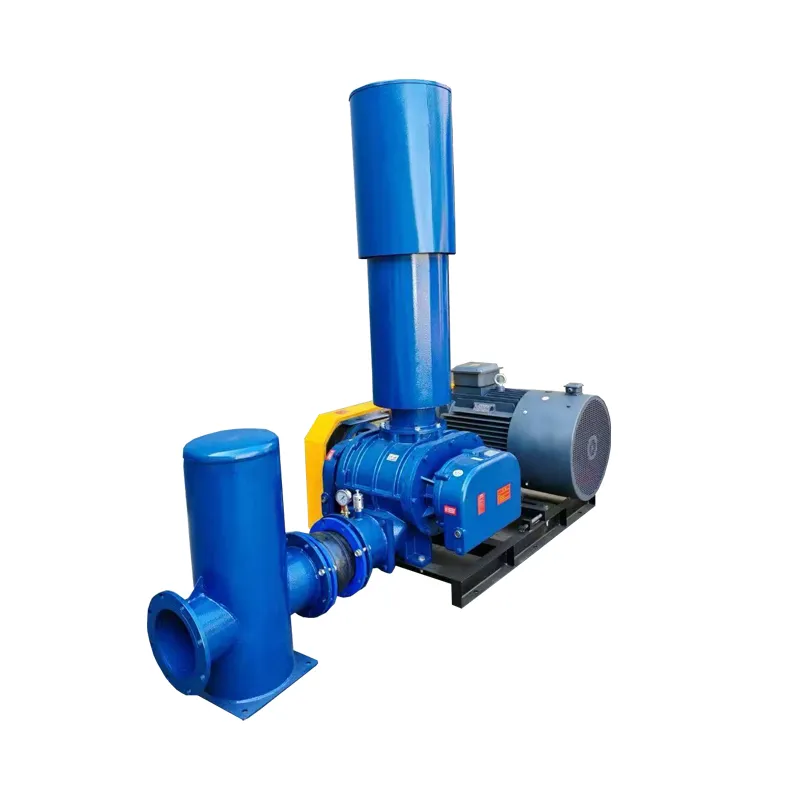
Fish farming operations depend critically on maintaining optimal water conditions, and oxygen availability stands as one of the most essential factors for fish health and growth. An aquaculture roots blower serves as a powerful solution to ensure consistent oxygenation across your ponds and rearing systems. Unlike passive water circulation methods, a rotary lobe blower aquaculture equipment actively forces compressed air into water bodies, creating the turbulence and aeration needed to sustain thriving aquaculture environments.
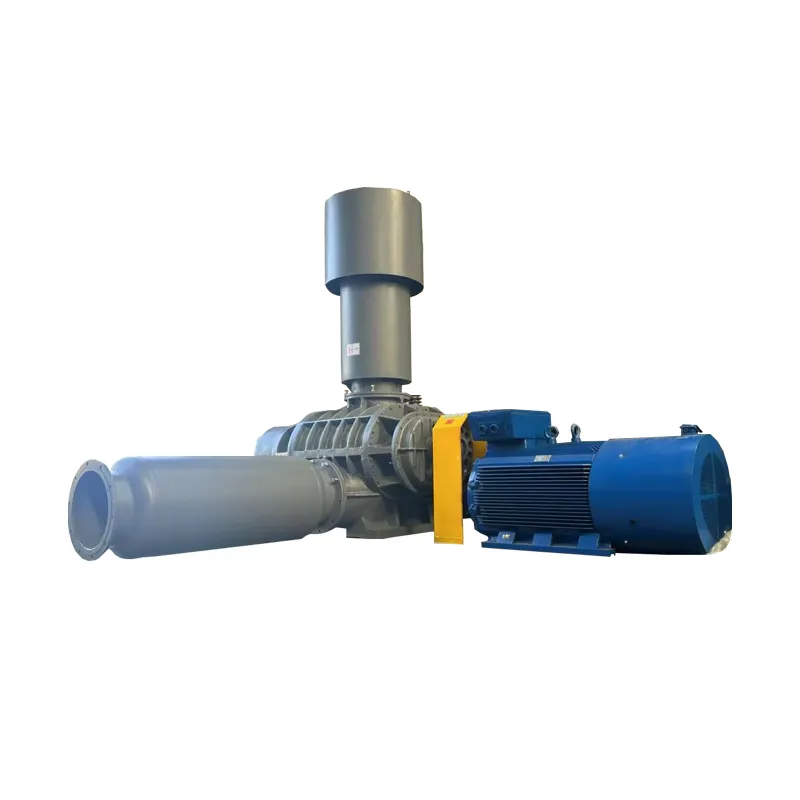
Modern fish farm oxygen supply requirements have grown more demanding as farms scale up production densities and seek higher yields. A pond aeration system powered by rotary lobe blower technology delivers reliable, continuous performance even under challenging operating conditions. This article explores the concrete benefits that an aquaculture roots blower brings to farms, covering oxygen efficiency, operational reliability, cost-effectiveness, and environmental advantages that directly impact profitability and sustainability.
Enhanced Oxygen Availability and Fish Health
Dissolved Oxygen Optimization
Fish require dissolved oxygen to survive, and low oxygen levels trigger stress responses that suppress growth and increase disease susceptibility. A pond aeration system using roots blower technology maintains dissolved oxygen concentrations at or above critical thresholds throughout the production cycle. The rotary lobe blower aquaculture design creates fine air bubbles that rise through the water column, maximizing contact time between air and water to increase oxygen transfer rates. Studies in aquaculture operations show that farms using rotary lobe blower systems maintain dissolved oxygen levels 30 percent higher than those relying on passive surface aeration alone.
Stress Reduction and Growth Performance
When fish experience hypoxic stress from inadequate fish farm oxygen supply, metabolic rates drop, appetite declines, and growth rates plummet. Conversely, farms that deploy an aquaculture roots blower to maintain stable oxygen levels observe measurably faster growth rates and improved feed conversion efficiency. The consistent oxygenation provided by a pond aeration system reduces metabolic stress on fish, allowing them to allocate more energy toward growth and immune function. Commercial farms report weight gains of 15 to 25 percent higher in oxygen-rich environments compared to marginal oxygen conditions, directly translating to increased harvest yields and faster turnover cycles.
Operational Efficiency and Reliability
Continuous Performance Under Load
An aquaculture roots blower is engineered to operate continuously without interruption, delivering stable airflow even when pond conditions change or temperature fluctuations stress the system. Unlike centrifugal blowers that require careful matching to operating conditions, a rotary lobe blower aquaculture equipment maintains consistent displacement across varying back-pressure scenarios. This reliability becomes critical in commercial settings where aeration system failure can result in mass fish mortality within hours. Farms using roots blower technology experience fewer emergency shutdowns and unplanned maintenance events compared to alternative pond aeration system designs.
Maintenance Simplicity and Longevity
The straightforward mechanical design of a roots blower means fewer complex components prone to failure compared to other fish farm oxygen supply technologies. Regular maintenance on an aquaculture roots blower typically involves basic checks of bearings, shaft seals, and inlet filters rather than intricate troubleshooting. Rotary lobe blower aquaculture systems often operate reliably for 10,000 to 15,000 hours before requiring major overhaul, reducing downtime and replacement costs. Many farms benefit from the predictable maintenance schedule that a pond aeration system based on roots technology provides, allowing operations to plan service windows around production calendars rather than responding to unexpected breakdowns.
Economic and Environmental Advantages
Energy Efficiency and Operating Costs
Fish farm oxygen supply represents a significant operational expense, making equipment efficiency directly impact farm profitability. An aquaculture roots blower delivers superior energy efficiency compared to high-speed alternatives, consuming less electrical power while producing higher volumetric airflow at moderate discharge pressures typical of pond aeration systems. Variable frequency drive integration allows operators to modulate blower speed based on real-time oxygen demand, reducing energy consumption during lower-demand periods. Farms implementing rotary lobe blower aquaculture technology often report 20 to 35 percent reductions in aeration-related electricity costs without sacrificing water quality standards.
Sustainability and Environmental Stewardship
Responsible aquaculture requires minimizing environmental impact while maximizing resource efficiency. A pond aeration system powered by an aquaculture roots blower supports these goals by reducing energy consumption and associated carbon emissions compared to less efficient technologies. Lower operational noise levels associated with rotary lobe blower systems also reduce acoustic pollution affecting surrounding communities. The improved fish farm oxygen supply consistency promotes healthier ecosystems within the ponds themselves, reducing the need for chemical interventions and pharmaceutical treatments that can accumulate in water bodies. Farms prioritizing environmental stewardship increasingly recognize that investing in high-quality aeration technology aligns economic performance with ecological responsibility.
FAQ
What makes an aquaculture roots blower preferable to other aeration technologies?
An aquaculture roots blower provides consistent, reliable performance across varying operating conditions without complex control systems or frequent maintenance. Rotary lobe blower aquaculture designs deliver high volumetric capacity at moderate pressures ideal for pond aeration systems, while consuming less energy than centrifugal alternatives. The straightforward mechanical design ensures predictable operation and longevity, making roots blower technology the preferred choice for commercial farms prioritizing reliability and cost-effectiveness.
How does a pond aeration system improve fish farm oxygen supply during emergency situations?
During unexpected oxygen depletion events, such as algal die-off or temperature spikes, an aquaculture roots blower can be rapidly increased to maximum airflow capacity to restore dissolved oxygen levels quickly. The rotary lobe blower design allows sudden acceleration without mechanical stress, enabling emergency response within minutes. Unlike systems that require gradual ramp-up procedures, roots blower technology supports immediate intervention to prevent mass mortality, providing critical insurance against catastrophic farm losses.
What return on investment can farms expect from upgrading to rotary lobe blower aquaculture systems?
Farms typically recover initial investment costs within 2 to 4 years through combined benefits of improved fish growth rates, reduced aeration energy consumption, minimized emergency maintenance, and longer equipment life cycles. A pond aeration system based on aquaculture roots blower technology often reduces operational expenses by 25 to 35 percent while simultaneously increasing harvest yields by 15 to 25 percent, creating a powerful economic incentive for modernization. Larger commercial operations with multiple ponds frequently achieve payback periods under 18 months due to the compounding effect of these benefits across the entire farm.