
 EN
EN
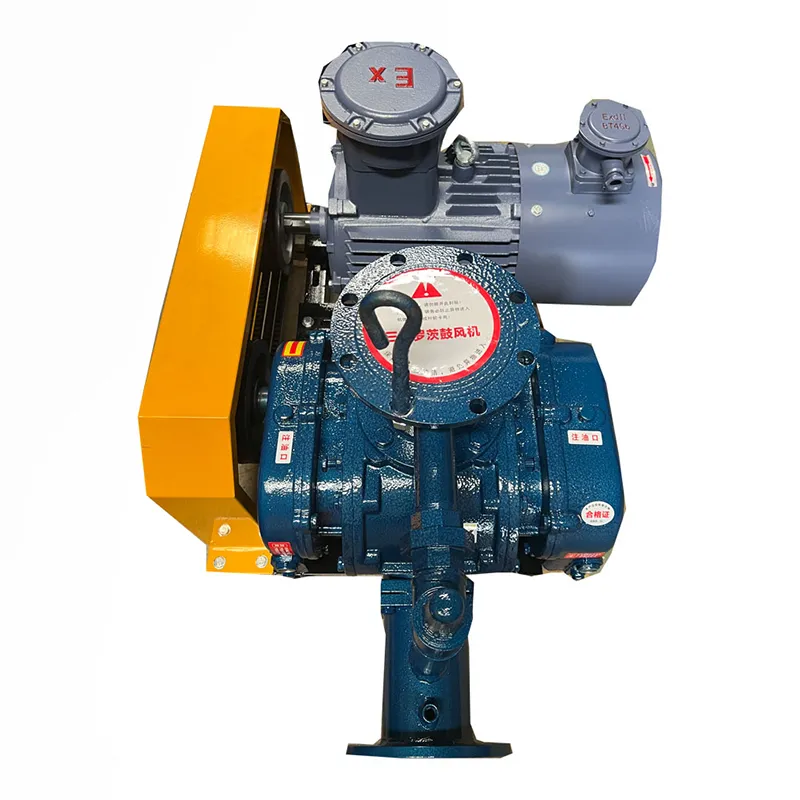
Selecting the right aquaculture roots blower is fundamental to maintaining a healthy, productive aquatic farming operation. The equipment you choose directly influences oxygen levels, fish survival rates, water quality, and ultimately your bottom line. Yet many farmers overlook critical specifications when evaluating pond aeration systems, focusing only on price rather than performance. Understanding which features truly matter helps you invest in reliable equipment that delivers consistent results across different seasons and farming conditions.
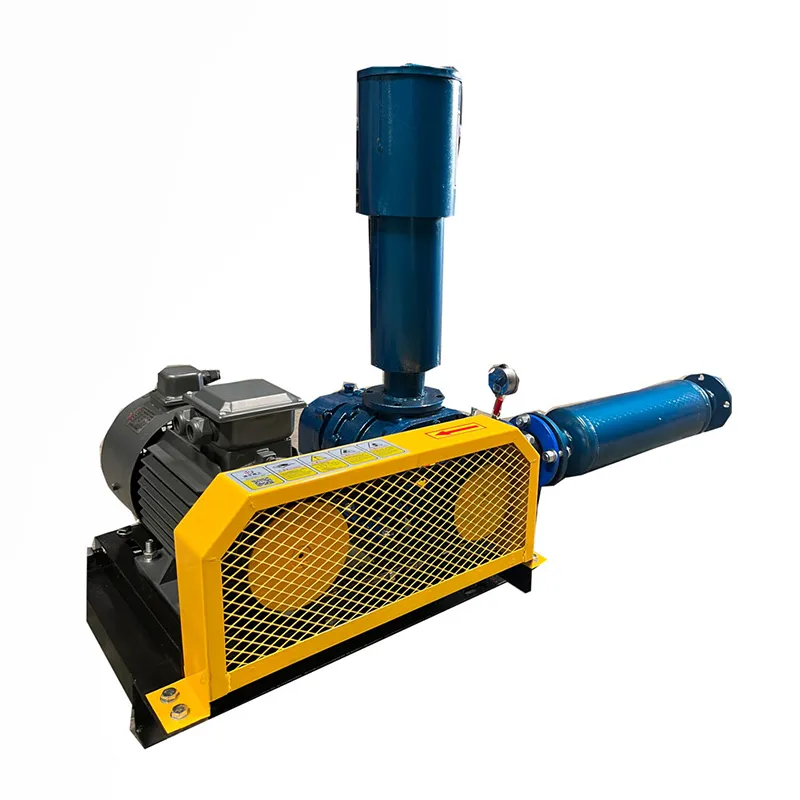
Fish tank air pump specifications vary significantly across manufacturers and models, making it essential to understand which characteristics align with your specific farming goals. Whether you operate a small-scale pond operation or a large commercial facility, the oxygen delivery demands differ substantially. This guide walks you through the most important features to evaluate when choosing an aquaculture roots blower, helping you avoid costly mistakes and ensure your aquatic oxygen delivery equipment performs reliably for years to come.
Airflow Capacity and Pressure Requirements
Understanding Flow Rate Specifications
The primary function of pond aeration systems is delivering sufficient oxygen throughout your water environment. Airflow capacity, measured in cubic feet per minute (CFM) or cubic meters per hour, determines how much air the equipment can move. Most aquaculture facilities require between 2 to 4 CFM per 1,000 gallons of water, though this varies by species, stocking density, and water temperature. Selecting fish tank air pump specifications that exceed minimum requirements provides a safety margin during warm months when dissolved oxygen naturally declines.
Pressure Performance and Depth Considerations
Pressure rating indicates how deep the aeration system can effectively operate. Roots blower equipment typically operates between 5 and 15 PSI, depending on pond depth and diffuser design. Deeper ponds require higher pressure to force air through the water column and diffuser stones. Aquatic oxygen delivery equipment must generate sufficient backpressure to overcome water depth resistance while maintaining consistent airflow. Underestimating pressure needs results in inadequate oxygen distribution and dead zones where fish cannot access sufficient oxygen, compromising water quality and fish health.
Energy Efficiency and Operating Costs
Motor Size and Power Consumption
Electric motor size directly correlates with operating expenses over the equipment's lifetime. A 1.5 to 3 horsepower motor suits most small to medium aquaculture operations, while larger facilities may need 5 to 7.5 horsepower units. Pond aeration systems running 12 to 24 hours daily consume substantial electricity, making efficiency crucial. Modern aquaculture roots blower designs incorporate improved bearing systems and aerodynamic rotor profiles that reduce energy waste. When evaluating fish tank air pump specifications, compare power consumption ratings rather than motor horsepower alone, as newer technology often delivers equivalent performance with lower wattage.
Variable Speed and Load Matching
Fixed-speed blowers operate at constant capacity regardless of actual oxygen demand, wasting energy during cooler months when water naturally holds more dissolved oxygen. Variable-speed aquatic oxygen delivery equipment adjusts output based on real-time dissolved oxygen levels, reducing energy consumption by 20 to 40 percent. This feature proves particularly valuable for operations using automated monitoring systems that adjust blower speed throughout the day and season. The initial investment in variable-speed pond aeration systems typically pays back within two to three years through electricity savings alone.
Durability, Maintenance, and Construction Quality
Material Selection and Corrosion Resistance
Aquaculture environments introduce moisture and occasional salt spray that corrode inferior materials. Quality aquaculture roots blower equipment features cast iron or aluminum rotors paired with stainless steel fasteners and protective coatings. Rubber coupling assemblies should resist ozone degradation common in outdoor installations. Fish tank air pump specifications should explicitly list corrosion-resistant materials used throughout the design. Cheaper alternatives using mild steel components may save money initially but fail prematurely in harsh aquatic environments, requiring expensive replacements and downtime.
Bearing System and Seal Integrity
Rolling element bearings with sealed housings determine how long your pond aeration systems operate reliably between maintenance cycles. Tapered roller bearings handle radial and axial loads better than simple ball bearings, extending service life significantly. Oil-sealed bearings require periodic lubrication but tolerate moisture exposure better than grease-packed designs. Aquatic oxygen delivery equipment with labyrinth seals instead of contact seals produces less friction and generates less heat. When reviewing aquaculture roots blower options, verify bearing specifications and ask about typical maintenance intervals, as these reveal long-term durability expectations.
Installation Flexibility and Noise Considerations
Mounting Options and Space Requirements
Pond aeration systems accommodate different installation scenarios through base-mounted, flange-mounted, or portable configurations. Base-mounted units require concrete pads but offer maximum stability for permanent installations. Portable designs serve operations managing multiple ponds or seasonal facilities. Fish tank air pump specifications should include physical dimensions and weight to ensure proper placement and accessibility for maintenance. Evaluating aquatic oxygen delivery equipment with flexible mounting simplifies integration into existing facilities without expensive structural modifications.
Noise Output and Vibration Isolation
Roots blower equipment generates characteristic pulsing noise that disturbs nearby residents or creates uncomfortable working environments. Quality aquaculture roots blower designs incorporate elastomer mounts that isolate vibration from mounting surfaces, reducing noise transmission through structures. Sound levels typically range from 75 to 85 decibels at three feet distance depending on rotor speed and housing design. Silencer attachments reduce outlet noise further but may increase backpressure. Selecting equipment with noise considerations in mind prevents future conflicts and creates safer working conditions for farm personnel managing the pond aeration systems daily.
FAQ
What airflow capacity should I select for my pond size?
Most aquaculture operations require 2 to 4 CFM per 1,000 gallons of water, adjusted upward for high stocking densities or warm climates. Calculate your pond volume accurately, then select fish tank air pump specifications delivering airflow at the higher end of this range to accommodate growth and seasonal variations. Consulting with your aquatic oxygen delivery equipment supplier about your specific fish species and water conditions ensures appropriate capacity selection.
How often should an aquaculture roots blower require maintenance?
Most pond aeration systems with quality seals and bearings operate 1,000 to 2,000 hours between oil changes, roughly 12 to 24 months depending on usage frequency. Annual inspections of bearing condition, seal integrity, and coupling wear keep your aquaculture roots blower running reliably. Fish tank air pump specifications should detail recommended maintenance schedules and parts availability from manufacturers or distributors.
Can variable-speed equipment reduce my operating costs significantly?
Yes, aquatic oxygen delivery equipment with variable-speed capability typically reduces energy consumption 20 to 40 percent compared to fixed-speed units. Over a five-year period, these savings often exceed the initial premium paid for variable-speed pond aeration systems technology, making them cost-effective investments for operations running equipment year-round.