
 EN
EN
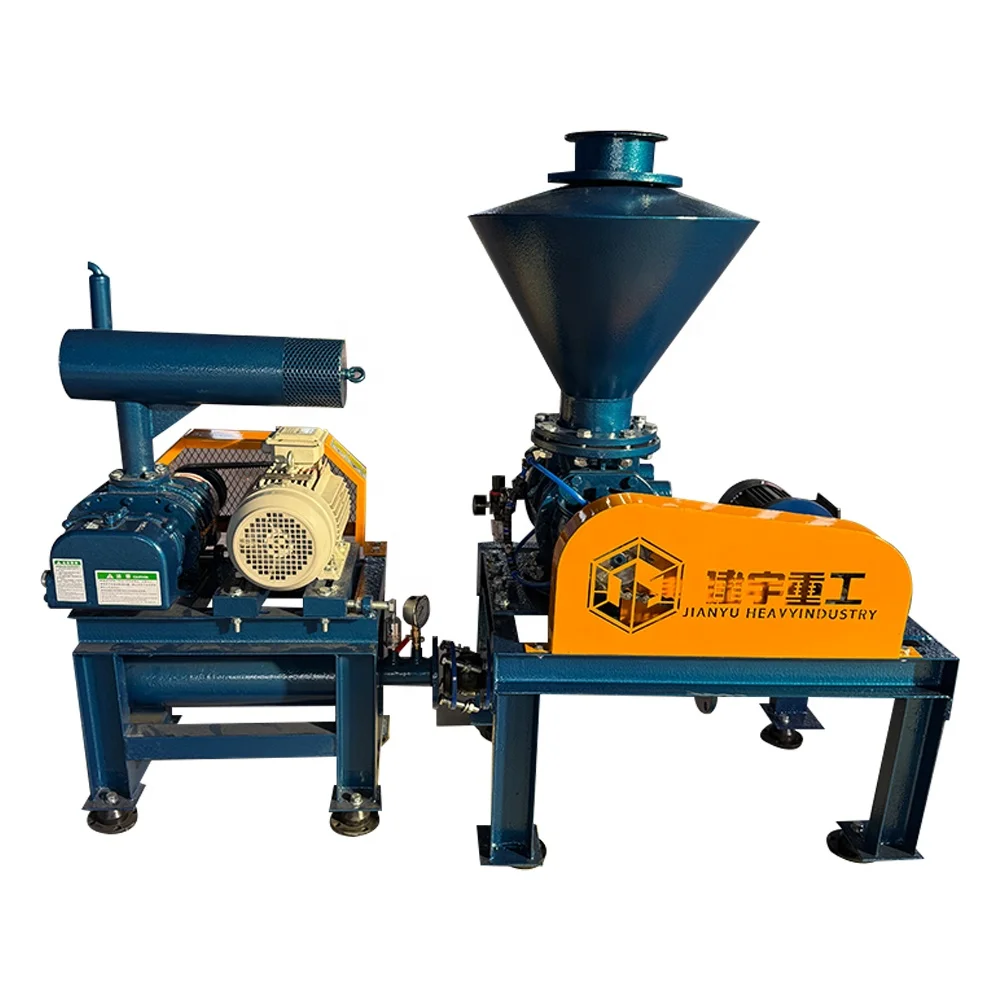
Modern manufacturing demands precision, speed, and reliability in every operation. An industrial rotary feeder serves as a critical component in automating production systems, controlling the consistent flow of bulk materials into processing equipment while minimizing manual intervention and operational variability.
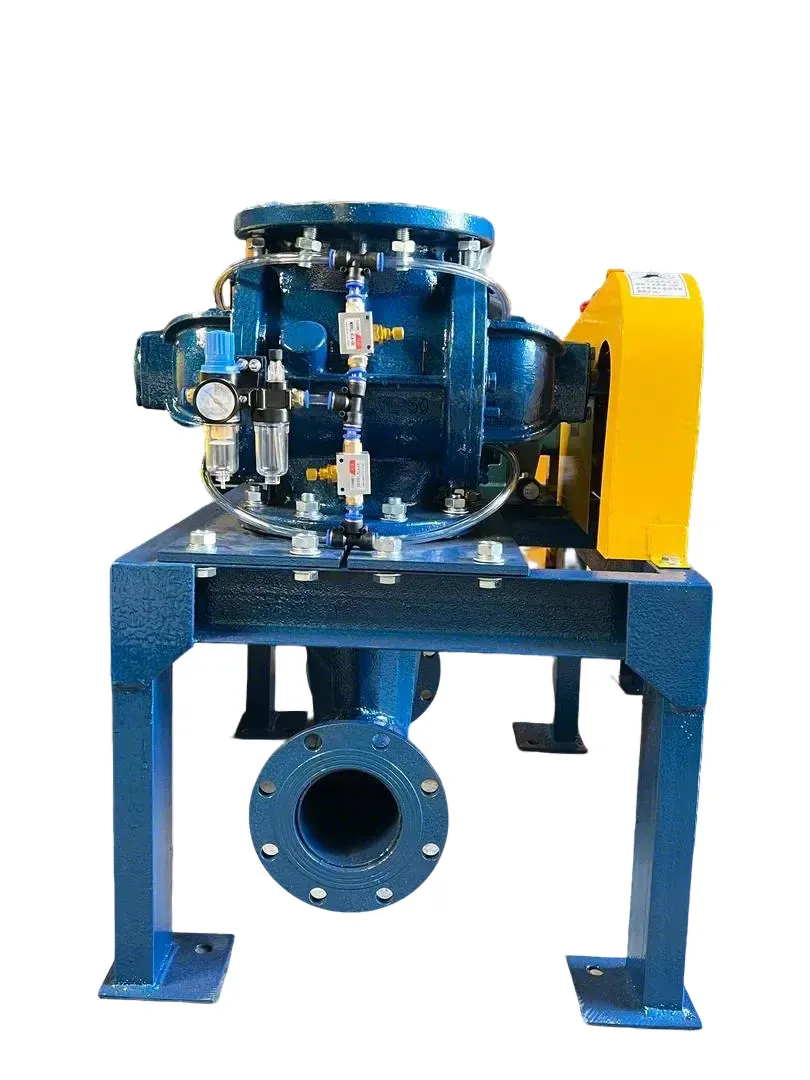
The integration of an industrial rotary feeder into bulk material handling systems transforms how manufacturers approach production automation. By regulating material discharge rates with mechanical precision, these devices eliminate bottlenecks, reduce waste, and enable seamless integration with continuous screw conveyor systems and downstream processing equipment.
Understanding the Role of Industrial Rotary Feeders in Automation
Core Function and Mechanical Design
An industrial rotary feeder operates by using a rotating impeller or rotor to meter materials from hoppers or storage vessels into connected equipment. The design ensures uniform material flow, preventing bridging and funnel flow issues common in gravity-fed systems. This mechanical consistency forms the foundation of reliable automation.
The rotary airlock valve mechanism embedded in these devices creates a seal between pressure zones, allowing controlled material passage without air leakage or material backflow. This sealed system is essential for maintaining downstream equipment efficiency and preventing contamination in sensitive production environments.
Integration with Bulk Material Handling Systems
Effective bulk material handling systems depend on precise metering at critical transfer points. Industrial rotary feeders serve as the control hub, accepting materials from upstream sources and distributing them at predetermined rates to processing lines. This controlled interface minimizes spillage, dust generation, and material loss.
When paired with continuous screw conveyor infrastructure, an industrial rotary feeder creates a synchronized material flow pipeline. The feeder regulates input speed to match conveyor capacity, preventing overload conditions and ensuring smooth operation across the entire production chain.
Key Automation Improvements and Operational Benefits
Consistency and Production Stability
Manufacturing relies on predictable material supply to maintain product quality and equipment uptime. An industrial rotary feeder eliminates human variables by automating metering decisions. Production managers can set precise flow rates based on recipe requirements, and the system maintains those parameters continuously without fluctuation.
This stability directly improves product consistency, reduces batch-to-batch variability, and minimizes rework or scrap generation. Customers receive uniform products, and manufacturers achieve better asset utilization across their production facility.
Labor Reduction and Safety Enhancement
Automated material feeding through an industrial rotary feeder eliminates the need for manual loading and monitoring at transfer points. Operators redirect their efforts toward higher-value tasks such as quality control, equipment maintenance, and process optimization rather than repetitive material handling.
Safety also improves significantly. Manual feeding exposes workers to dust, crushing hazards, and ergonomic strain. A sealed rotary airlock valve reduces airborne particulates and eliminates contact with moving material, creating a cleaner and safer workplace. Industries dealing with fine powders, cement, chemicals, or food ingredients experience particularly pronounced safety benefits.
Energy Efficiency and Cost Optimization
Precision metering prevents material waste and reduces energy consumption in downstream processes. When equipment receives exactly the amount of material it needs, processing times optimize, cycle times decrease, and overall system efficiency improves. Continuous screw conveyor systems paired with an industrial rotary feeder operate at ideal loads rather than struggling with material surges or starving during supply gaps.
The result is measurable cost reduction through lower material consumption, reduced energy bills, and extended equipment lifespan due to operating within design parameters.
Implementation Considerations and System Integration
Selecting the Right Configuration
Not all industrial rotary feeder designs suit every application. Material characteristics such as particle size, moisture content, and bulk density influence which rotary airlock valve style and impeller configuration works best. Some materials benefit from gate-rotor designs, while others require screw-rotor or vane-rotor mechanisms.
Integration with existing bulk material handling systems requires assessing hopper geometry, downstream equipment specifications, and desired throughput rates. A rotary feeder must match both the supply source and the receiving equipment to function effectively as an automation centerpiece.
Maintenance and Long-Term Performance
Like any precision mechanical system, industrial rotary feeders require preventive maintenance to sustain automation benefits. Regular inspection of seals, bearings, and the rotor ensures consistent performance and prevents unexpected downtime. Manufacturers should establish lubrication schedules and monitor seal integrity, especially in abrasive or corrosive material applications.
Partnering with equipment suppliers who provide clear maintenance protocols and readily available replacement parts protects the automation investment and minimizes production disruptions over the equipment lifespan.
FAQ
What materials can an industrial rotary feeder handle effectively?
An industrial rotary feeder accommodates diverse materials including powders, granules, flakes, and small pellets. Common applications include cement, flour, sugar, pharmaceutical ingredients, chemicals, plastics, and food additives. The specific rotary airlock valve design must match the material's properties, but most industrial bulk material handling systems benefit from feeder automation regardless of the material type.
How does a rotary feeder improve production efficiency compared to manual feeding?
An industrial rotary feeder delivers consistent, measurable flow rates that manual operators cannot replicate reliably. This consistency reduces variability in production outcomes, eliminates human error, and allows faster material transfer without spillage. When integrated into a continuous screw conveyor system, the feeder enables uninterrupted production runs at optimized speeds, resulting in higher throughput and better resource utilization.
Can an existing bulk material handling system accommodate a rotary feeder retrofit?
Most existing bulk material handling systems can integrate an industrial rotary feeder, though retrofits require careful assessment of hopper compatibility, mounting space, and drive connections. Working with equipment specialists ensures the feeder size, speed, and rotary airlock valve configuration match the existing infrastructure. Retrofitting often improves overall system performance without requiring complete replacement of conveyors or processing equipment.