
 EN
EN
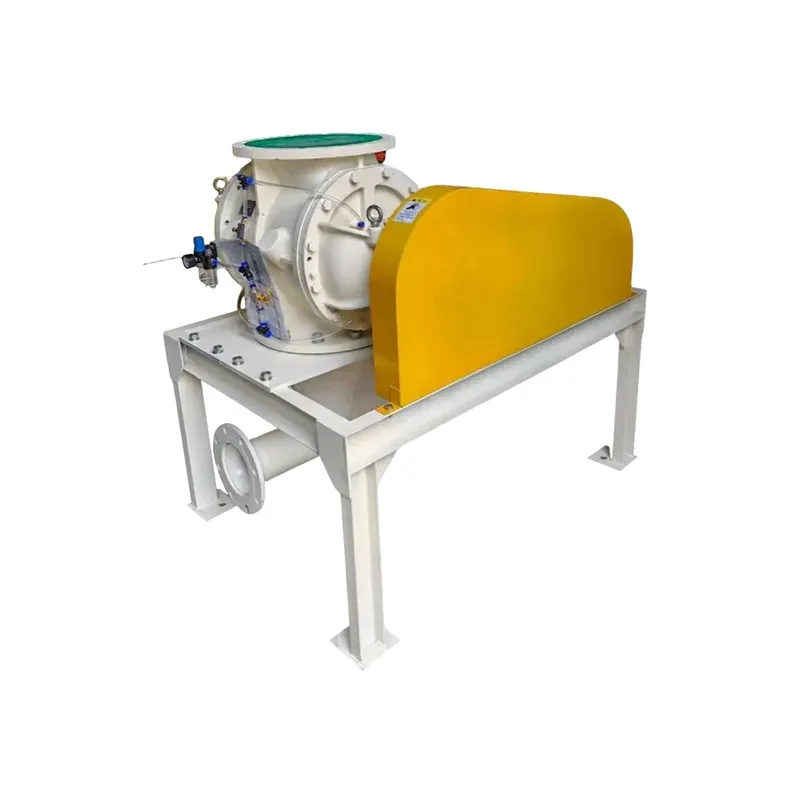
Bulk processing operations demand precision, reliability, and consistent material flow to maintain production targets and minimize downtime. An industrial rotary feeder serves as a critical component in achieving these operational goals by precisely controlling the discharge of bulk materials from hoppers, storage vessels, and silos into downstream processes. By regulating flow rate and preventing surge conditions, an industrial rotary feeder enables manufacturers to optimize throughput while maintaining product quality and equipment longevity.
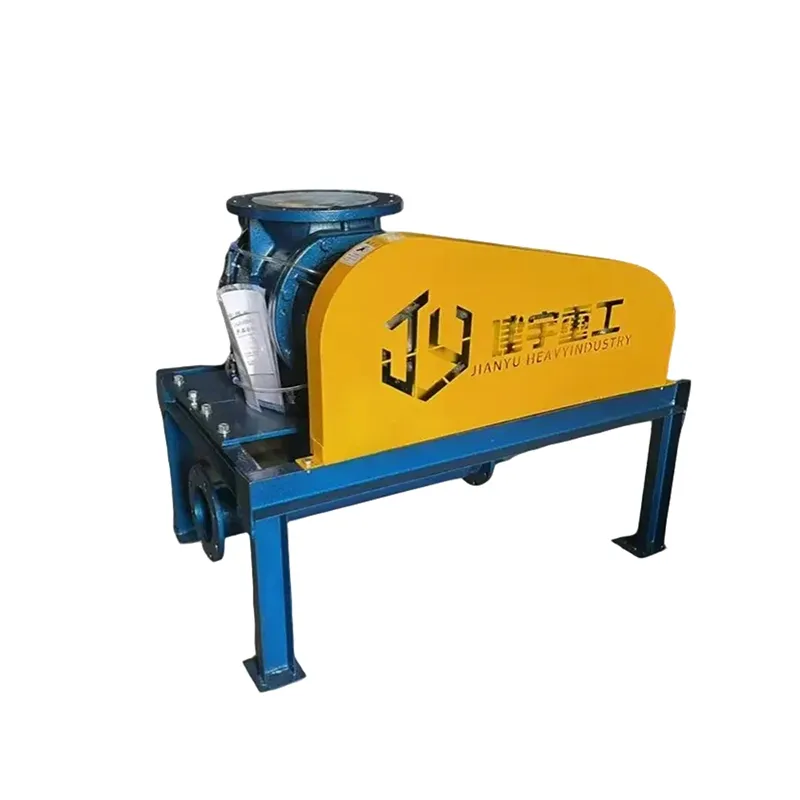
The integration of industrial rotary feeder technology directly impacts processing speed, material consistency, and system reliability. When paired with complementary bulk material handling equipment, these feeders establish steady material supply chains that reduce bottlenecks, lower operational costs, and increase overall facility productivity. Understanding how rotary feeders function and selecting the right configuration for your specific application is essential for achieving measurable performance gains.
Enhancing Material Flow Control and Processing Efficiency
Precise Regulation of Bulk Material Discharge
One primary benefit of implementing a rotary valve airlock feeder is its ability to meter material at controlled, consistent rates. Unlike gravity-only discharge systems that experience unpredictable flow variations, this type of bulk material handling equipment employs rotating shutters or chambers that release fixed volumes of material per revolution. This metering capability eliminates material surges that can overwhelm downstream conveyors, mixers, or processing equipment, thereby preventing equipment stress and extending service life.
By stabilizing feed rates, the rotary valve airlock feeder ensures that subsequent production stages receive material at their designed processing capacity. This synchronization reduces waste, minimizes rework, and prevents costly production interruptions. Many facilities experience 15 to 30 percent throughput improvements simply by replacing erratic gravity discharge systems with precision-controlled feeders.
Preventing Backpressure and Material Bridging
Bulk material handling equipment often fails when stored materials develop bridges or arches inside hoppers, blocking flow entirely. A properly designed rotary feeder prevents these blockages by continuously drawing material downward, disrupting the conditions that promote bridging. The mechanical action of the rotating elements creates gentle agitation that prevents moisture-sensitive materials from compacting and stalling the system.
Additionally, a screw conveyor feeder system working in tandem with rotary feeders maintains consistent downward pressure, further eliminating material accumulation. This combination approach dramatically reduces the frequency of manual interventions, manual cleaning cycles, and production stoppages that plague inadequate feeding systems.
Optimizing Operational Efficiency and Cost Effectiveness
Reducing Energy Consumption and Equipment Wear
Traditional bulk material handling equipment often operates at higher capacities than necessary, consuming excess energy while generating unnecessary heat and friction. By implementing a rotary valve airlock feeder that precisely matches material discharge to actual processing demand, facilities can reduce motor loads and energy expenditure. Lower motor strain translates directly into extended bearing life, reduced maintenance intervals, and lower replacement costs over the asset lifecycle.
The screw conveyor feeder system paired with rotary discharge equipment also benefits from reduced overload conditions. Since material flows at regulated rates rather than in unpredictable waves, conveyor belts and drive components experience more uniform stress distribution, extending operational life by 20 to 40 percent in many industrial applications.
Improving Process Consistency and Product Quality
Manufacturing environments where material composition, particle size, or moisture content must remain within tight specifications depend heavily on consistent feed rates. A rotary valve airlock feeder provides the measurement precision necessary to maintain batch uniformity and prevent specification drift. When every kilogram enters the process at predictable intervals, downstream quality control becomes more straightforward and operator-dependent variability decreases significantly.
This consistency advantage applies across industries including food processing, pharmaceuticals, chemicals, and aggregates. Whether blending multiple materials in precise ratios or controlling particle residence time in thermal processes, bulk material handling equipment with rotary feeder technology delivers the repeatability that modern manufacturing demands. The result is fewer rejected batches, reduced customer returns, and enhanced brand reputation.
Implementing Rotary Feeders for Immediate Performance Gains
Selecting the Right Feeder Configuration for Your Application
Successful rotary feeder deployment begins with matching equipment specifications to material characteristics and process requirements. A screw conveyor feeder system performs optimally when sized appropriately for your material's bulk density, particle size distribution, and moisture content. Oversized feeders waste energy; undersized equipment creates bottlenecks and fails to meet production targets. Consulting technical data on your specific bulk material handling equipment and conducting pilot trials ensures optimal performance before full-scale deployment.
The rotary valve airlock feeder configuration must also align with system pressure requirements, temperature extremes, and abrasive material handling demands. Stainless steel construction resists corrosion for chemical and food applications, while hardened components handle abrasive minerals and ores. Understanding these material considerations upfront prevents premature failures and maximizes return on investment.
Integration with Existing Production Infrastructure
Modern facilities often operate legacy systems that can benefit substantially from retrofitting with updated rotary feeder technology. The industrial rotary feeder integrates readily with existing conveyors, hoppers, and storage systems through standard flanged connections and flexible mounting arrangements. Most installations require minimal downtime, allowing phased equipment upgrades without disrupting ongoing production.
Post-installation monitoring and calibration ensure that your bulk material handling equipment delivers expected productivity gains. Regular inspection of rotating seals, bearing conditions, and discharge rates keeps systems operating at peak performance. When maintained properly, rotary feeders provide reliable service for 10 to 15 years, justifying their upfront capital cost through sustained operational improvements.
FAQ
How much productivity improvement can an industrial rotary feeder deliver?
Productivity gains depend on your baseline system and specific operating conditions. Most facilities report 15 to 40 percent throughput improvements when replacing gravity-only discharge systems with precision-controlled bulk material handling equipment. Additional benefits include reduced downtime, fewer quality incidents, and lower energy consumption, which collectively enhance overall operational efficiency.
Can a rotary valve airlock feeder handle challenging materials like wet aggregates or sticky powders?
Yes, specialized rotary feeder designs specifically address problematic materials. Internal scrapers and brushes prevent sticking, while adjustable blade gaps accommodate particle size variations. The screw conveyor feeder system working with rotary feeders provides additional mechanical action that breaks up material clumps and maintains consistent flow even with difficult bulk materials.
What maintenance does an industrial rotary feeder require?
Routine maintenance includes checking bearing conditions, inspecting rotating seals for wear, and verifying blade clearances every 500 to 1000 operating hours. Lubrication per manufacturer specifications and quarterly visual inspections prevent premature failures. Most bulk material handling equipment requires minimal maintenance when operated within design parameters, making rotary feeders cost-effective over their operational lifetime.