
 EN
EN
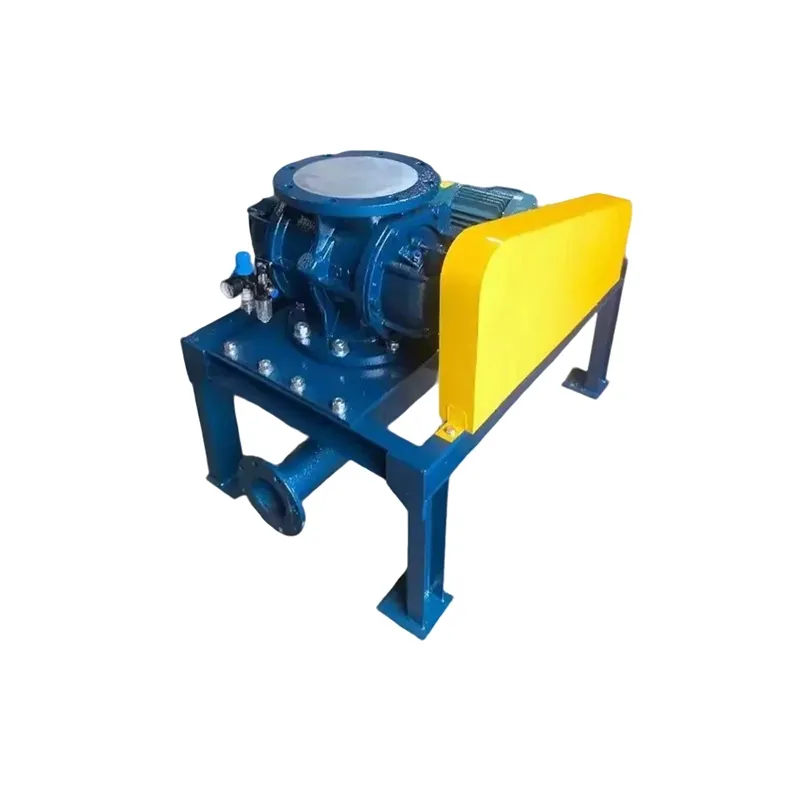
An industrial rotary feeder serves as a critical control point in bulk material handling systems, regulating the flow of dry solids from hoppers into pneumatic conveying lines or other downstream equipment. When installation errors occur, they compromise feeder reliability, increase maintenance costs, and disrupt production schedules. Understanding the most common installation mistakes helps facility managers, engineers, and maintenance teams prevent costly downtime and ensure consistent material flow control.
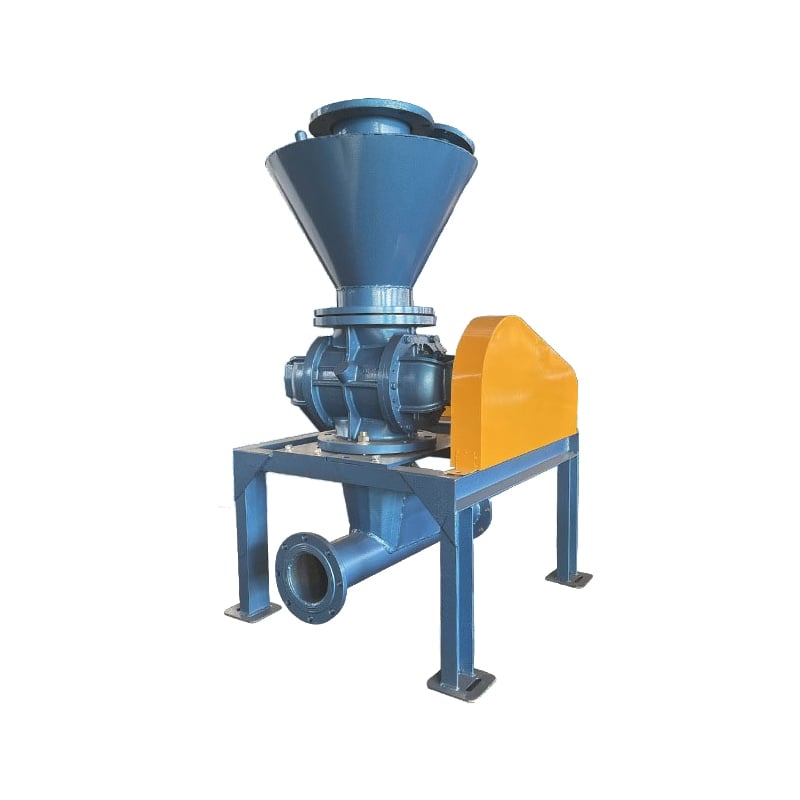
Proper installation of an industrial rotary feeder is not a one-time task but the foundation for sustained operational efficiency. Misalignment, inadequate sealing, incorrect mounting orientation, and improper electrical integration are issues that appear frequently across industries relying on bulk material handling systems. By recognizing these pitfalls early, operators can implement corrective measures before performance degradation becomes severe.
Alignment and Mounting Foundation Failures
Shaft Misalignment Impact on Rotor Operation
Shaft misalignment between the industrial rotary feeder and its drive motor or reducer introduces vibration, uneven rotor wear, and premature bearing failure. Angular misalignment, parallel offset, or axial misalignment each cause different failure modes, but all reduce the functional lifespan of rotating components. When an industrial rotary feeder is not coaxially aligned with the incoming drive, lateral forces build on bearing races, generating heat and accelerating degradation. Installation teams should use precision dial indicators or laser alignment tools to verify concentricity before final bolt-down, ensuring runout stays within manufacturer specifications.
Foundation Settling and Vibration Isolation
The supporting structure beneath bulk material handling systems must be rigid and level to prevent settling or deflection over time. Uneven foundation settling causes the industrial rotary feeder to tilt slightly, which introduces load imbalances and increases vibration amplitude. Poor vibration isolation mounts amplify oscillations, transmitting stress to bolted connections and accelerating loosening. Installations in facilities with high ambient vibration from nearby processing equipment benefit significantly from elastomer isolation mounts rated for the feeder's operating weight and rotational speed.
Sealing and Pressure Management Challenges
Inadequate Housing Seal Integrity
Material leakage around the housing of an industrial rotary feeder indicates failed gaskets, improper gasket installation, or insufficient bolt torque. Leakage does not only represent lost product; it also signals that internal pressure balance is compromised, allowing ambient moisture and contaminants to enter the rotor cavity. When bulk material handling systems operate in humid or dusty environments, this ingress accelerates corrosion and promotes rotor sticking. Technicians should confirm that gaskets are seated evenly, bolts follow the manufacturer's torque pattern, and backup rings support gaskets in high-pressure applications.
Rotary Airlock Valve Integration Failures
The rotary airlock valve is a specialized component used to control material discharge in bulk material handling systems, and its integration with an industrial rotary feeder must maintain consistent pressure and eliminate gaps. Improper valve orientation, loose bolt connections, or mismatched coupling alignment compromises seal integrity and allows backflash of conveying air into the hopper. When a rotary airlock valve is installed without adequate sealant or gasket material, micro-leaks occur that erode performance over weeks. Installation best practice includes applying food-grade silicone sealant, tightening bolts in a star pattern, and confirming the valve body is parallel to the feeder discharge flange.
Operational Configuration and Material Compatibility Issues
Rotor Speed Mismatch with Material Properties
An industrial rotary feeder installed with incorrect rotor blade configuration or running at unsuitable speed for the material type will experience premature wear, bridging, or material segregation. Fine, cohesive powders require moderate speeds to prevent material from being pushed through pocket seals before pockets reach the discharge point. Conversely, free-flowing granular materials may demand faster rotor speeds to maintain consistent volumetric metering. During commissioning, operators should confirm that the rotor speed aligns with the material's bulk density, particle size, and moisture content by consulting the feeder manufacturer's sizing curves.
Screw Feeder vs Rotary Feeder Selection Misfit
Installation errors sometimes stem from selecting the wrong feeder type for the application. A screw feeder vs rotary feeder comparison reveals that screw feeders excel at precise volumetric metering of fine, abrasive powders, while an industrial rotary feeder is optimized for higher-capacity, lower-precision metering of bulk materials with moderate particle size. Installers who retrofit an industrial rotary feeder into a location where a screw feeder was originally specified often encounter inadequate discharge rate control and incompatibility with downstream equipment. Site engineers should validate the feeder type matches application requirements before commissioning begins.
Electrical and Control System Integration Problems
Motor Rotation Direction and Phase Sequence
An industrial rotary feeder will not meter correctly if the drive motor rotates in the wrong direction, and reverse rotation causes material to be pushed backward or not discharged at all. Three-phase motor installations require correct phase sequence at the starter or VFD, as incorrect phasing is often undetected during initial startup because the motor will still run. Maintenance personnel should physically verify rotor direction by observing blade movement through access ports or markings before pressurizing the system. A simple phase rotation check using a multimeter or phase sequencer before final electrical sign-off prevents this installation mistake.
Inadequate Control Circuit Protection
Bulk material handling systems that include an industrial rotary feeder must have pressure relief valves, thermal overload protection, and load-sensing circuits to prevent damage from blockage or overpressure. Installation omissions such as missing relief valves, undersized pressure lines, or unprotected electrical terminals expose the feeder to failure modes that could have been prevented. A complete control strategy integrates interlock circuits that stop the feeder if downstream pressure exceeds limits or if hopper level drops below acceptable minimums. During installation, technicians should verify that all protective devices are specified, calibrated to correct setpoints, and accessible for maintenance.
FAQ
What is the primary cause of industrial rotary feeder failure during commissioning?
Shaft misalignment during motor coupling installation is the single most common cause of early feeder failure. Misalignment introduces vibration and bearing stress that degrades performance within the first weeks of operation. Using precision laser alignment tools and verifying runout before final fastening eliminates this preventable issue and extends feeder lifespan significantly.
How do I check if a rotary airlock valve is installed correctly with my bulk material handling systems?
Verify the valve flange is parallel to the feeder discharge port, all bolts are torqued to specification in a star pattern, gaskets are seated evenly, and no material leaks around the connection point. Additionally, confirm that internal blade clearance allows smooth rotor rotation and that air pressure on the valve inlet is consistent with the feeder's rated pressure range.
When should I choose a screw feeder vs rotary feeder for my application?
Select a screw feeder for fine powders requiring precise metering and high accuracy, and choose an industrial rotary feeder for bulk granular materials needing high throughput with moderate control precision. Application factors such as particle size, bulk density, moisture content, and required metering accuracy determine the best feeder type for your specific bulk material handling systems.