
 EN
EN
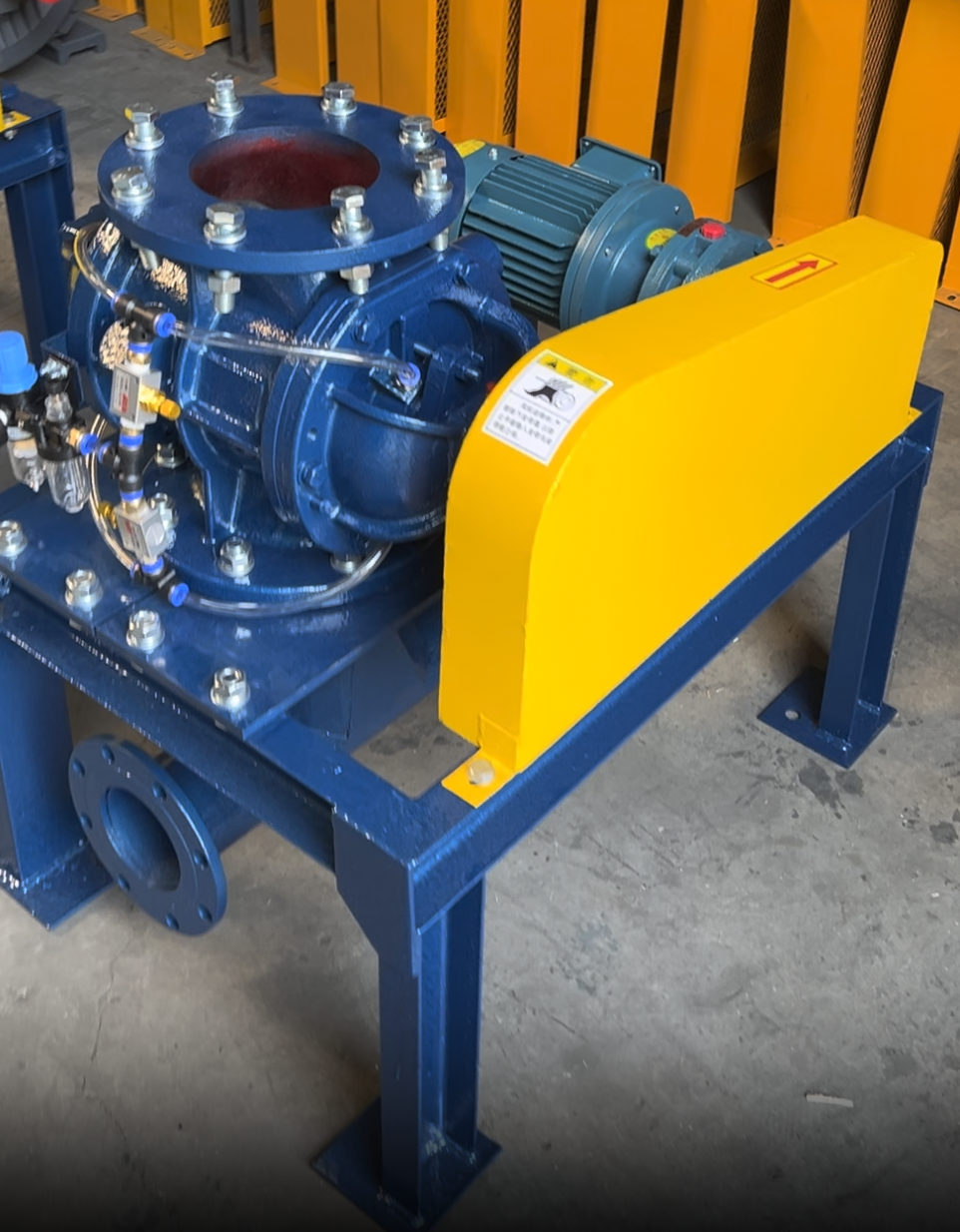
OEM manufacturers across industries are increasingly recognizing the critical role that an industrial rotary feeder plays in optimizing production workflows and ensuring reliable material transfer. The decision to integrate this technology into equipment design goes far beyond simple material movement; it directly impacts operational efficiency, cost control, and system reliability. Understanding the strategic reasons behind this integration helps end-users appreciate the engineering choices that OEM manufacturers make when designing modern industrial systems.
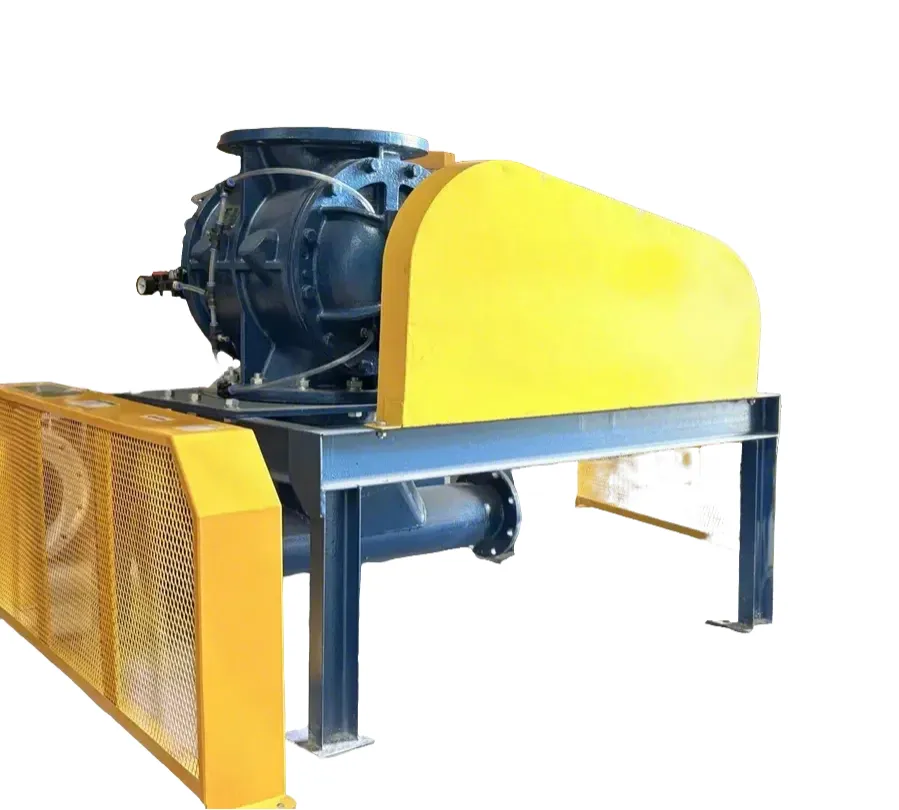
The integration of rotary airlock valve technology and volumetric feeder systems represents a fundamental shift in how OEMs approach bulk material handling equipment design. By embedding these precise control mechanisms directly into their products, manufacturers ensure consistent material flow rates, reduce equipment footprints, and minimize the risk of material degradation. This article explores the concrete reasons why OEM manufacturers prioritize rotary feeder integration and the measurable benefits this choice delivers to their customers.
Enhanced Process Control and Material Consistency
Precision Material Metering
OEM manufacturers integrate volumetric feeder systems because they provide precise, repeatable material metering that is essential for consistent product quality. An industrial rotary feeder operates on a positive displacement principle, meaning each rotation delivers a fixed volume of material regardless of material density or particle size variations. This volumetric control eliminates the inconsistencies associated with weight-based feeding, which can fluctuate due to material properties, moisture content, and compaction variations. When manufacturers integrate this capability directly into their equipment, they give customers a reliable foundation for achieving uniform output.
Pressure Management and Flow Stability
The rotary airlock valve design inherently manages pressure differentials between material sources and downstream equipment, creating stable, controlled flow conditions. OEMs recognize that bulk material handling equipment performance depends critically on this pressure management capability. By integrating a rotary feeder rather than relying on external valve systems, manufacturers reduce connection points where leaks or flow disruptions could occur. The sealed chamber design prevents material bypass and contamination, which is particularly important in food processing, pharmaceutical, and chemical manufacturing environments where material integrity is non-negotiable.
Operational Efficiency and System Integration Benefits
Reduced Equipment Complexity and Space Requirements
When OEM manufacturers integrate an industrial rotary feeder into their equipment designs, they eliminate the need for separate feeder installation, interconnecting piping, and additional control systems. This integrated approach significantly reduces the physical footprint of the overall system, which is a major consideration in manufacturing facilities where floor space is limited or expensive. Customers benefit from shorter installation timelines, fewer potential leak points, and simpler maintenance procedures. The consolidated design also reduces the total number of mechanical components in the system, lowering both initial acquisition costs and long-term maintenance expenses.
Streamlined Control Architecture
Integrating volumetric feeder systems directly into equipment enables OEM manufacturers to create unified control architectures that manage material flow as an integral component of overall system operation. Rather than treating the feeder as a separate subsystem with independent controls, manufacturers can synchronize feeder speed with downstream equipment demands, monitor material flow conditions in real time, and implement automated adjustments based on process feedback. This integration simplifies operator interfaces, reduces training requirements, and creates opportunities for predictive maintenance monitoring that can prevent equipment failures before they impact production.
Competitive Advantage and Market Differentiation
Customer Value Proposition
OEM manufacturers who integrate an industrial rotary feeder into their equipment designs gain a significant competitive advantage by offering customers a more complete, factory-ready solution. Customers purchasing integrated equipment receive a tested, certified system with known performance characteristics and warranty coverage that covers all components as a unified whole. This approach reduces customer risk, shortens project timelines, and creates higher perceived value compared to equipment that requires customers to source and integrate feeders themselves. The integration decision reflects manufacturers' commitment to delivering turnkey solutions that work reliably from day one.
Quality Assurance and Performance Guarantees
When bulk material handling equipment incorporates rotary airlock valve technology as an integrated component, OEM manufacturers can provide more confident performance guarantees and quality assurances because they control the entire system design and material flow behavior. Integrated systems have been tested as a unified whole, allowing manufacturers to verify flow rates, pressure ratings, contamination prevention, and material handling characteristics under realistic operating conditions. This factory-tested integration approach reduces field problems, warranty claims, and customer dissatisfaction compared to systems assembled from separately sourced components. End-users receive confidence that their equipment will perform as specified.
FAQ
What specific materials require an industrial rotary feeder for optimal handling?
Bulk material handling equipment benefits from rotary feeder integration across diverse material types including powders, granules, fibers, and pellets. Materials that are hygroscopic, compressible, or prone to bridging particularly benefit from the consistent metering provided by volumetric feeder systems. Food ingredients, pharmaceutical powders, chemical additives, plastics, and agricultural products all perform better with the controlled flow characteristics that an industrial rotary feeder delivers. The sealed design of rotary airlock valve technology also protects moisture-sensitive materials from environmental exposure during transfer.
How does rotary feeder integration affect system maintenance and downtime?
Integrated industrial rotary feeder systems typically require less maintenance than multi-component assembled systems because there are fewer connection points, seals, and alignment adjustments to manage. OEM manufacturers design integrated volumetric feeder systems with accessibility in mind, allowing technicians to perform routine inspections and replacements without disassembling the entire bulk material handling equipment assembly. Many modern designs incorporate wear-resistant materials and sealed bearing systems that extend service intervals. Because the rotary airlock valve operates as part of the original equipment design, replacement parts and service documentation are readily available from the manufacturer.
Can OEM manufacturers customize integrated rotary feeders for specific applications?
Yes, OEM manufacturers routinely customize industrial rotary feeder designs to match specific application requirements including material characteristics, flow rate demands, pressure ratings, and operating environment conditions. Customization options for volumetric feeder systems include chamber size variations, rotor material selection, speed ratios, motor specifications, and control interface configurations. Manufacturers can integrate rotary airlock valve technology with additional features like temperature monitoring, material level sensing, or specialized seal options for high-temperature or abrasive bulk material handling equipment applications. This flexibility allows OEMs to tailor integrated solutions to unique customer needs while maintaining the efficiency and quality benefits of integrated design.