
 EN
EN
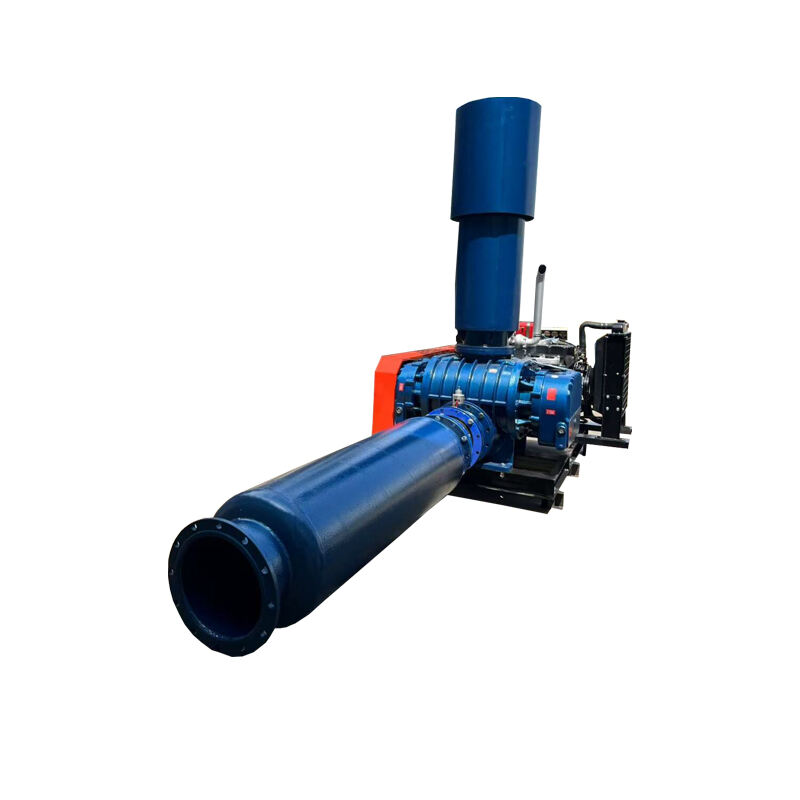
Fish farming operations require consistent and reliable aeration systems to maintain optimal water quality and ensure healthy aquatic environments. Among the various aeration technologies available, the aquaculture roots blower has emerged as a preferred choice for commercial fish farms due to its superior performance characteristics and operational benefits. These specialized blowers deliver the precise airflow needed to maintain dissolved oxygen levels that support fish health and maximize production yields.
The decision to implement an aquaculture roots blower system stems from the critical need for efficient oxygen transfer in intensive fish farming operations. Unlike traditional aeration methods, roots blowers provide consistent, pulsation-free airflow that creates optimal conditions for fish growth while minimizing energy consumption and maintenance requirements. Understanding the specific advantages of these systems helps fish farm operators make informed decisions about their aeration infrastructure investments.
Superior Oxygen Transfer Efficiency
Enhanced Dissolved Oxygen Distribution
The aquaculture roots blower delivers exceptionally uniform airflow patterns that create optimal dissolved oxygen distribution throughout fish farming systems. This consistent air delivery ensures that oxygen levels remain stable across all areas of the pond or tank, eliminating dead zones where fish might experience oxygen stress. The positive displacement design of roots blowers maintains steady pressure regardless of back-pressure variations, which is crucial for maintaining consistent bubble formation and oxygen transfer rates.
Professional fish farmers recognize that oxygen transfer efficiency directly impacts fish growth rates, feed conversion ratios, and overall production profitability. The aquaculture roots blower system generates fine bubble patterns that maximize the surface area contact between air and water, significantly improving oxygen solubility compared to coarse bubble systems. This enhanced efficiency translates to better fish health outcomes and reduced mortality rates in intensive aquaculture operations.
Consistent Performance Under Variable Conditions
Fish farming environments experience fluctuating conditions including temperature changes, varying fish densities, and different feeding schedules that affect oxygen demand. The aquaculture roots blower maintains stable performance across these variable conditions, automatically adjusting to provide the necessary airflow without manual intervention. This reliability is essential for maintaining water quality parameters within acceptable ranges for optimal fish health.
The robust construction of roots blower systems ensures consistent operation even when dealing with challenging environmental factors such as high humidity, temperature variations, and dusty conditions common in fish farming facilities. This operational stability reduces the risk of system failures that could lead to catastrophic fish losses due to oxygen depletion, making the aquaculture roots blower an essential investment for serious fish farming operations.
Energy Efficiency and Operating Cost Advantages
Reduced Power Consumption
Modern aquaculture roots blower systems incorporate advanced engineering designs that significantly reduce power consumption compared to traditional aeration methods. The positive displacement mechanism operates at optimal efficiency levels, converting electrical energy into useful airflow with minimal losses. This efficiency translates directly into reduced electricity costs, which represent a substantial portion of operational expenses in intensive fish farming operations.
The variable speed capabilities of contemporary aquaculture roots blower systems allow operators to match airflow output precisely to actual oxygen demand, avoiding energy waste from over-aeration. Smart control systems can automatically adjust blower speed based on dissolved oxygen sensors, water temperature readings, and fish biomass calculations, ensuring optimal energy utilization throughout different production phases.
Lower Maintenance Requirements
The simple yet robust design of aquaculture roots blower systems results in significantly lower maintenance requirements compared to alternative aeration technologies. The positive displacement mechanism features fewer moving parts and operates without the complex sealing systems required by other blower types, reducing the frequency of maintenance interventions and associated downtime costs.
Routine maintenance for aquaculture roots blower systems typically involves basic lubrication, filter replacement, and periodic inspection of wear components. This straightforward maintenance schedule allows fish farm operators to plan maintenance activities during low-demand periods, minimizing disruption to production operations and reducing the need for specialized technical expertise or expensive service contracts.
Reliability and System Longevity
Proven Durability in Aquaculture Applications
The aquaculture roots blower demonstrates exceptional durability in the demanding conditions typical of fish farming environments. These systems are specifically engineered to withstand continuous operation, high humidity levels, and exposure to corrosive elements present in aquaculture facilities. The robust cast iron or aluminum construction resists corrosion and mechanical stress, ensuring reliable performance over extended service periods.
Field experience from established fish farming operations confirms that properly maintained aquaculture roots blower systems can operate reliably for decades with minimal performance degradation. This longevity provides excellent return on investment and reduces the total cost of ownership compared to alternative aeration technologies that require more frequent replacement or major overhauls.
Backup System Integration
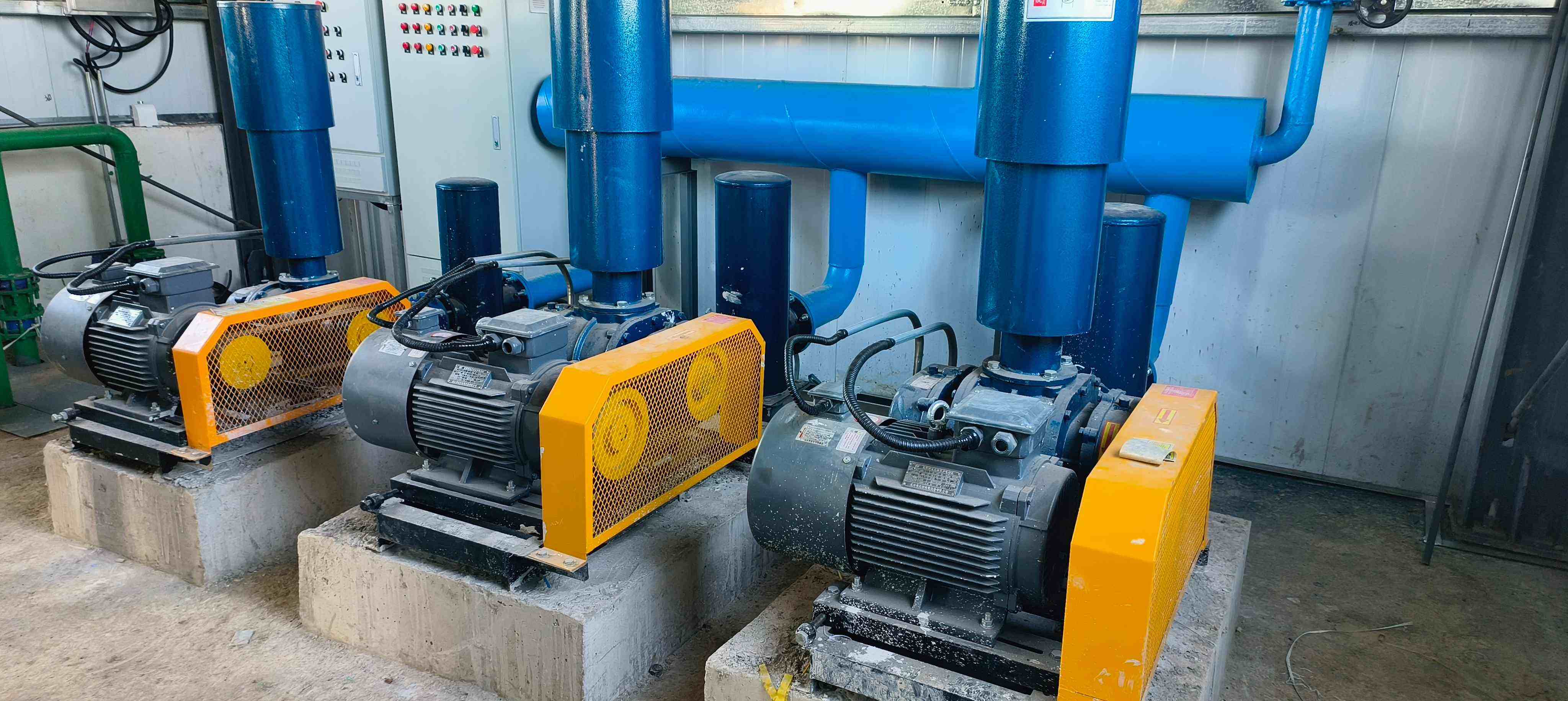
Critical aquaculture operations require redundant aeration capacity to prevent catastrophic losses during equipment failures or maintenance periods. The aquaculture roots blower systems can be easily configured in parallel arrangements, allowing operators to install multiple units that can operate independently or in combination based on oxygen demand and system availability requirements.
The modular design of aquaculture roots blower installations enables flexible capacity management, where individual units can be taken offline for maintenance while others continue operation. This redundancy capability is essential for high-value fish farming operations where even brief interruptions in aeration can result in significant financial losses due to fish mortality or compromised growth performance.
Operational Flexibility and Control
Variable Output Capacity
The aquaculture roots blower systems offer exceptional flexibility in airflow output management, allowing operators to adjust aeration capacity based on changing production requirements. This variable capacity capability is particularly valuable in fish farming operations where stocking densities, fish sizes, and seasonal conditions create varying oxygen demand patterns throughout the production cycle.
Advanced control systems enable precise regulation of aquaculture roots blower output through variable frequency drives and automated control algorithms. These systems can respond to real-time water quality measurements, automatically increasing or decreasing aeration intensity to maintain optimal dissolved oxygen levels while minimizing energy consumption and operational costs.
Integration with Modern Farm Management
Contemporary fish farming operations increasingly rely on integrated management systems that monitor multiple parameters including water quality, fish behavior, and environmental conditions. The aquaculture roots blower systems integrate seamlessly with these management platforms, providing operators with comprehensive control and monitoring capabilities that enhance overall production efficiency.
Remote monitoring and control capabilities allow fish farm operators to manage aquaculture roots blower systems from centralized control rooms or even off-site locations. This remote access capability is particularly valuable for large-scale operations with multiple production sites, enabling efficient resource allocation and rapid response to changing conditions across the entire farming operation.
Economic Benefits and Return on Investment
Production Yield Enhancement
The superior oxygenation provided by aquaculture roots blower systems directly contributes to improved fish growth rates and higher production yields per unit of water volume. Optimal dissolved oxygen levels support efficient feed conversion, faster growth, and reduced stress-related mortality, all of which translate to improved profitability for fish farming operations.
Research data from commercial aquaculture operations demonstrates that proper aeration using aquaculture roots blower systems can increase production yields by 15-25% compared to inadequate or inconsistent aeration methods. This yield improvement, combined with reduced mortality rates and better feed conversion efficiency, provides compelling economic justification for investing in high-quality roots blower aeration systems.
Long-term Cost Effectiveness
While the initial investment in aquaculture roots blower systems may be higher than some alternative aeration methods, the long-term cost effectiveness becomes apparent through reduced operating expenses, lower maintenance costs, and improved production outcomes. The extended service life and reliable performance of these systems result in lower total cost of ownership over the equipment lifecycle.
The energy efficiency advantages of aquaculture roots blower systems become increasingly valuable as electricity costs continue to rise and environmental regulations encourage sustainable farming practices. The reduced carbon footprint and lower resource consumption align with industry trends toward more environmentally responsible aquaculture operations while maintaining economic competitiveness.
FAQ
How much energy does an aquaculture roots blower consume compared to other aeration systems?
An aquaculture roots blower typically consumes 20-30% less energy than traditional centrifugal blowers of comparable capacity due to its positive displacement design and higher efficiency at typical operating pressures. The exact energy savings depend on system size, operating conditions, and control strategy, but most operations see significant reductions in electricity costs within the first year of operation.
What maintenance schedule is recommended for aquaculture roots blower systems?
Standard maintenance for aquaculture roots blower systems includes monthly lubrication checks, quarterly air filter replacement, and annual inspection of timing gears and seals. Most systems require major maintenance only every 3-5 years, making them significantly more cost-effective than alternative technologies that need frequent rebuilds or component replacements.
Can aquaculture roots blower systems operate in saltwater fish farming applications?
Yes, aquaculture roots blower systems are well-suited for saltwater applications when constructed with appropriate corrosion-resistant materials. Stainless steel or specially coated aluminum housings provide excellent durability in marine environments, and the air-only contact design minimizes exposure to corrosive saltwater compared to submersible aeration equipment.
What size aquaculture roots blower is needed for different pond sizes?
Sizing an aquaculture roots blower depends on multiple factors including water volume, fish stocking density, water depth, and target dissolved oxygen levels. As a general guideline, intensive fish farming operations typically require 1-2 CFM of airflow per pound of fish biomass, but professional sizing calculations should consider specific water quality parameters and production goals for optimal system performance.
Table of Contents
- Superior Oxygen Transfer Efficiency
- Energy Efficiency and Operating Cost Advantages
- Reliability and System Longevity
- Operational Flexibility and Control
- Economic Benefits and Return on Investment
-
FAQ
- How much energy does an aquaculture roots blower consume compared to other aeration systems?
- What maintenance schedule is recommended for aquaculture roots blower systems?
- Can aquaculture roots blower systems operate in saltwater fish farming applications?
- What size aquaculture roots blower is needed for different pond sizes?