
 EN
EN
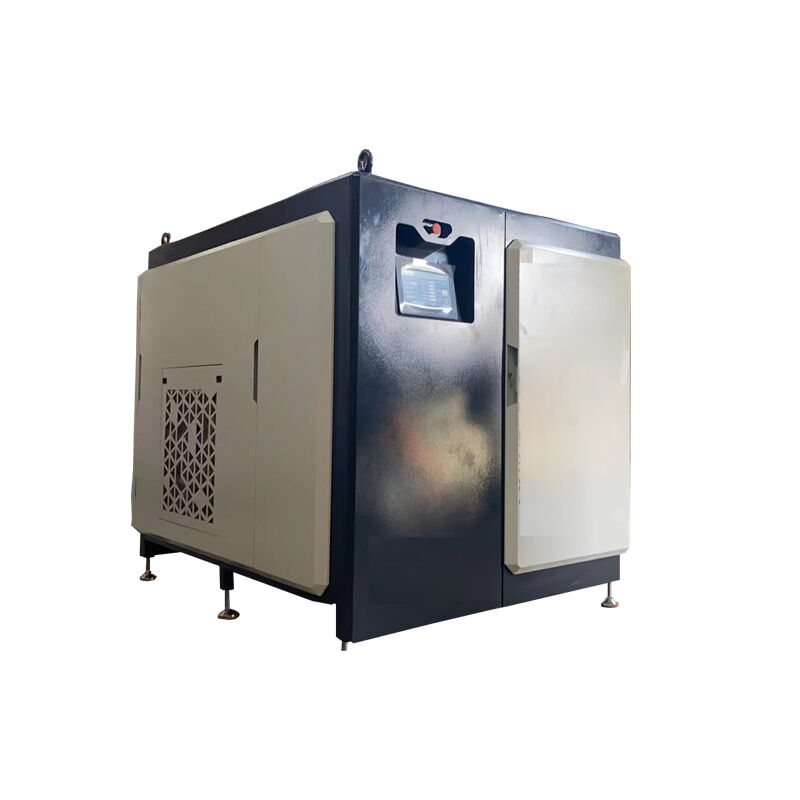
Industrial air handling systems have undergone significant technological evolution, with magnetic levitation blowers emerging as a revolutionary alternative to conventional blower technologies. These advanced systems utilize magnetic bearings instead of traditional mechanical bearings, creating a contactless operation that eliminates friction and mechanical wear. As industries increasingly prioritize energy efficiency and operational reliability, understanding the distinctions between magnetic levitation blowers and traditional blower systems becomes crucial for making informed equipment decisions.
Fundamental Technology Differences
Magnetic Bearing Technology
The core innovation in magnetic levitation blowers lies in their magnetic bearing system, which suspends the rotor assembly without physical contact. Electromagnetic fields precisely control the rotor position, eliminating the need for oil lubrication and mechanical contact points. This technology enables magnetic levitation blowers to operate at significantly higher speeds while maintaining exceptional stability and precision. The absence of physical bearings means these systems can achieve rotational speeds exceeding 100,000 RPM, far surpassing what traditional bearing systems can sustain safely.
Advanced control algorithms continuously monitor and adjust the magnetic field strength to maintain optimal rotor positioning. This real-time control system ensures consistent performance across varying operational conditions and load requirements. The sophisticated electronic control systems in magnetic levitation blowers provide precise speed regulation and can adapt to changing system demands instantaneously. These capabilities result in superior performance characteristics compared to conventional blower technologies that rely on fixed mechanical components.
Traditional Bearing Systems
Conventional blower technologies typically employ ball bearings, roller bearings, or journal bearings that require direct mechanical contact between moving components. These traditional systems necessitate continuous lubrication to reduce friction and prevent premature wear. Oil-lubricated bearings create maintenance dependencies and introduce potential contamination risks in sensitive applications. The mechanical contact inherent in traditional bearing systems limits operational speeds and generates heat that must be managed through cooling systems.
Traditional blower designs often incorporate gear systems to achieve desired speed ratios, adding complexity and additional points of mechanical wear. These mechanical components contribute to vibration, noise, and energy losses through friction. The reliance on physical contact points makes traditional blowers susceptible to wear-related performance degradation over time. Maintenance schedules must account for bearing replacement, lubrication changes, and component inspections to ensure reliable operation.
Energy Efficiency Comparison
Power Consumption Analysis
Energy efficiency represents one of the most compelling advantages of magnetic levitation blowers over traditional alternatives. The elimination of friction losses in magnetic bearing systems translates to significant energy savings, with efficiency improvements often exceeding 15-30% compared to conventional blowers. These systems can achieve overall efficiencies above 95% under optimal operating conditions. The frictionless operation means that virtually all input energy contributes to air movement rather than overcoming mechanical resistance.
Variable speed capabilities in magnetic levitation blowers enable precise matching of output to system requirements, further enhancing energy efficiency. Traditional blowers often operate at fixed speeds with throttling or bypass systems to control output, resulting in energy waste. The ability to modulate speed continuously allows magnetic levitation systems to maintain optimal efficiency across a wide range of operating conditions. This adaptability proves particularly valuable in applications with varying demand profiles.
Heat Generation and Thermal Management
The absence of friction in magnetic levitation blowers dramatically reduces heat generation compared to traditional mechanical bearing systems. Lower operating temperatures contribute to improved efficiency and reduced cooling requirements. Traditional blowers generate substantial heat through bearing friction, gear losses, and mechanical inefficiencies that must be dissipated through cooling systems. This heat generation not only wastes energy but also affects the performance and longevity of system components.
Reduced thermal stress in magnetic levitation blowers extends component life and maintains consistent performance over extended operating periods. The cooler operating temperatures also benefit the process air, particularly in applications where elevated temperatures could negatively impact the application or downstream equipment. Traditional systems may require additional cooling infrastructure to manage heat buildup, adding to overall system complexity and energy consumption.
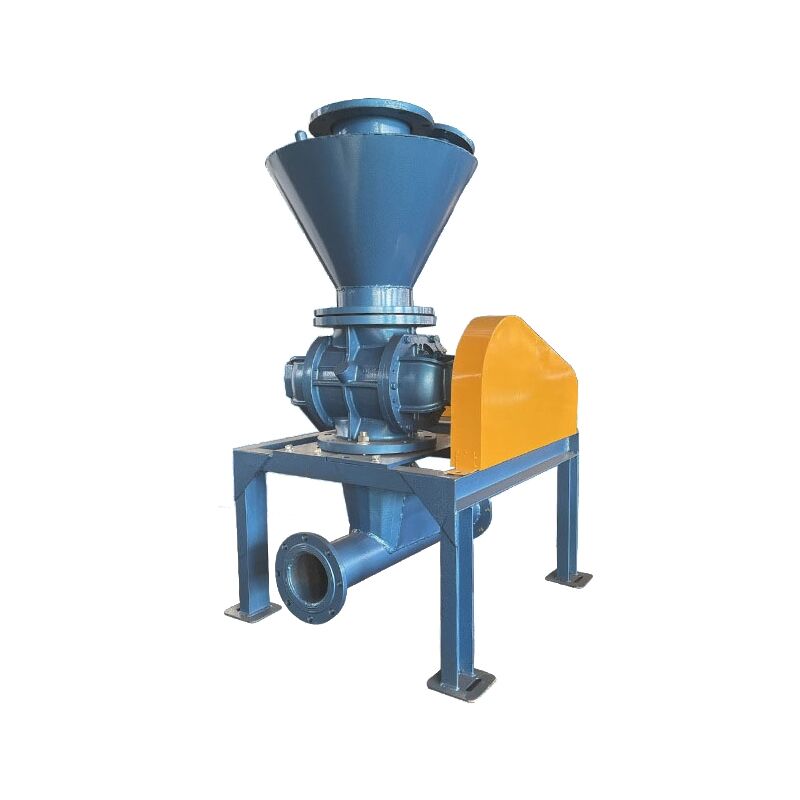
Maintenance and Reliability Factors
Maintenance Requirements
Maintenance demands differ significantly between magnetic levitation blowers and traditional systems. The contactless operation of magnetic bearing technology eliminates the need for bearing lubrication, reducing maintenance interventions and associated costs. Traditional blowers require regular oil changes, bearing inspections, and component replacements that can result in significant downtime and labor expenses. Magnetic levitation systems typically require only periodic cleaning and basic electrical system checks.
Scheduled maintenance intervals for magnetic levitation blowers can extend to annual or even longer periods, depending on operating conditions and application requirements. Traditional systems often require quarterly or semi-annual maintenance cycles to ensure reliable operation. The reduced maintenance frequency translates to lower lifecycle costs and improved system availability. Predictive maintenance capabilities in modern magnetic levitation blowers enable condition-based maintenance strategies rather than time-based schedules.
Component Longevity and Reliability
The elimination of mechanical wear in magnetic levitation blowers significantly extends component life compared to traditional bearing systems. Without physical contact between rotating and stationary components, wear-related failures become virtually non-existent. Traditional blowers experience gradual performance degradation as bearings wear and mechanical clearances increase over time. The consistent performance of magnetic levitation systems throughout their operational life provides more predictable and reliable service.
Reliability studies indicate that magnetic levitation blowers can achieve mean time between failures (MTBF) rates significantly higher than traditional mechanical systems. The absence of oil systems eliminates potential seal failures and contamination issues that can affect traditional blower reliability. Electronic control systems in magnetic levitation blowers include diagnostic capabilities that provide early warning of potential issues, enabling proactive maintenance strategies that prevent unexpected failures.
Performance Characteristics
Speed and Pressure Capabilities
Magnetic levitation blowers can operate at substantially higher rotational speeds than traditional mechanical bearing systems, enabling compact designs with higher pressure ratios. The ability to achieve speeds exceeding 100,000 RPM allows these systems to generate significant pressure increases in single-stage configurations. Traditional blowers are typically limited to lower speeds due to bearing constraints, often requiring multi-stage designs to achieve comparable pressure ratios.
Higher operating speeds in magnetic levitation blowers translate to improved power-to-weight ratios and more compact installations. The precise speed control capabilities enable optimization for specific operating points, maintaining peak efficiency across varying conditions. Traditional systems with fixed-speed operation or limited speed adjustment capabilities cannot match this level of performance optimization. The result is superior performance characteristics that benefit both system efficiency and application effectiveness.
Noise and Vibration Control
Vibration levels in magnetic levitation blowers are substantially lower than traditional mechanical bearing systems due to the absence of physical contact and improved balance control. The magnetic bearing system actively dampens vibrations and maintains precise rotor positioning, resulting in exceptionally smooth operation. Traditional blowers generate vibration through bearing interactions, gear mesh forces, and rotor imbalances that can affect both the equipment and surrounding structures.
Noise generation in magnetic levitation blowers is primarily aerodynamic, eliminating the mechanical noise sources present in traditional systems. The smooth operation and precise control result in significantly quieter operation, which benefits workplace environments and reduces the need for noise mitigation measures. Traditional blowers produce mechanical noise from bearings, gears, and other moving components that can create challenging acoustic environments requiring additional sound control measures.
Application Considerations
Industrial Process Requirements
Different industrial applications present varying requirements that influence the choice between magnetic levitation blowers and traditional technologies. Clean air applications, such as pharmaceutical manufacturing or electronics production, benefit significantly from the oil-free operation of magnetic levitation systems. Traditional oil-lubricated blowers introduce contamination risks that may not be acceptable in sensitive processes requiring high air purity standards.
Process flexibility requirements often favor magnetic levitation blowers due to their superior speed control capabilities and rapid response to changing conditions. Applications with varying air flow demands can benefit from the precise modulation capabilities of magnetic levitation systems. Traditional blowers with fixed operating characteristics may not provide the adaptability required for optimized process control in dynamic industrial environments.
Installation and Integration Factors
The compact design of magnetic levitation blowers often simplifies installation requirements compared to traditional systems that may require larger footprints and more complex auxiliary systems. The absence of oil systems eliminates the need for lubrication infrastructure, reducing installation complexity and ongoing maintenance access requirements. Traditional systems may require oil storage, filtration, and disposal systems that add to installation costs and space requirements.
Integration with modern control systems is typically more straightforward with magnetic levitation blowers due to their advanced electronic control capabilities. These systems can provide detailed operational data and accept sophisticated control inputs for integration with plant automation systems. Traditional mechanical systems may require additional instrumentation and control interfaces to achieve comparable integration levels with modern industrial control architectures.
Economic Analysis
Initial Investment Considerations
The initial capital investment for magnetic levitation blowers typically exceeds that of traditional blower technologies due to the sophisticated magnetic bearing and control systems. However, this higher upfront cost must be evaluated against the total cost of ownership over the equipment lifecycle. Energy savings, reduced maintenance costs, and improved reliability can result in attractive payback periods that justify the initial investment premium for magnetic levitation technology.
Financing considerations should account for the operational benefits that magnetic levitation blowers provide throughout their service life. The energy efficiency improvements can result in substantial utility cost reductions that contribute to the economic justification for these advanced systems. Traditional blowers may have lower purchase prices but higher lifecycle costs when energy consumption, maintenance requirements, and replacement frequency are considered comprehensively.
Lifecycle Cost Comparison
Comprehensive lifecycle cost analysis reveals that magnetic levitation blowers often provide superior economic value despite higher initial costs. Energy savings alone can account for significant cost reductions over the equipment operating life, particularly in continuous-duty applications. Reduced maintenance requirements translate to lower labor costs and decreased inventory requirements for spare parts compared to traditional mechanical systems.
The extended service life of magnetic levitation blowers reduces replacement frequency and associated capital expenditures compared to traditional systems that may require more frequent overhauls or replacements. Improved system reliability also provides economic benefits through reduced downtime and production interruptions. These factors combine to create compelling economic arguments for magnetic levitation technology in many industrial applications where operational efficiency and reliability are priorities.
FAQ
What are the main advantages of magnetic levitation blowers over traditional blowers
Magnetic levitation blowers offer several key advantages including higher energy efficiency due to frictionless operation, reduced maintenance requirements through elimination of mechanical bearings, lower noise and vibration levels, and superior speed control capabilities. These systems typically achieve 15-30% better energy efficiency while requiring significantly less maintenance than traditional mechanical bearing systems.
How do maintenance costs compare between magnetic levitation and traditional blowers
Maintenance costs for magnetic levitation blowers are substantially lower than traditional systems because they eliminate the need for bearing lubrication, regular oil changes, and frequent component replacements. While traditional blowers may require quarterly or semi-annual maintenance, magnetic levitation systems can often operate for annual or longer periods between maintenance interventions, resulting in significant cost savings over the equipment lifecycle.
Are magnetic levitation blowers suitable for all industrial applications
While magnetic levitation blowers offer superior performance in many applications, they are particularly well-suited for processes requiring clean air, variable flow control, and high reliability. Applications involving corrosive environments, extreme temperatures, or specific pressure requirements should be evaluated individually to ensure compatibility with magnetic bearing technology and control systems.
What is the typical payback period for investing in magnetic levitation blower technology
Payback periods for magnetic levitation blowers typically range from 2-5 years depending on energy costs, operating hours, and application requirements. Continuous-duty applications with high energy costs generally provide shorter payback periods due to substantial energy savings. The analysis should include energy savings, reduced maintenance costs, and improved reliability benefits to determine the complete economic impact of the investment.
Table of Contents
- Fundamental Technology Differences
- Energy Efficiency Comparison
- Maintenance and Reliability Factors
- Performance Characteristics
- Application Considerations
- Economic Analysis
-
FAQ
- What are the main advantages of magnetic levitation blowers over traditional blowers
- How do maintenance costs compare between magnetic levitation and traditional blowers
- Are magnetic levitation blowers suitable for all industrial applications
- What is the typical payback period for investing in magnetic levitation blower technology