
 EN
EN
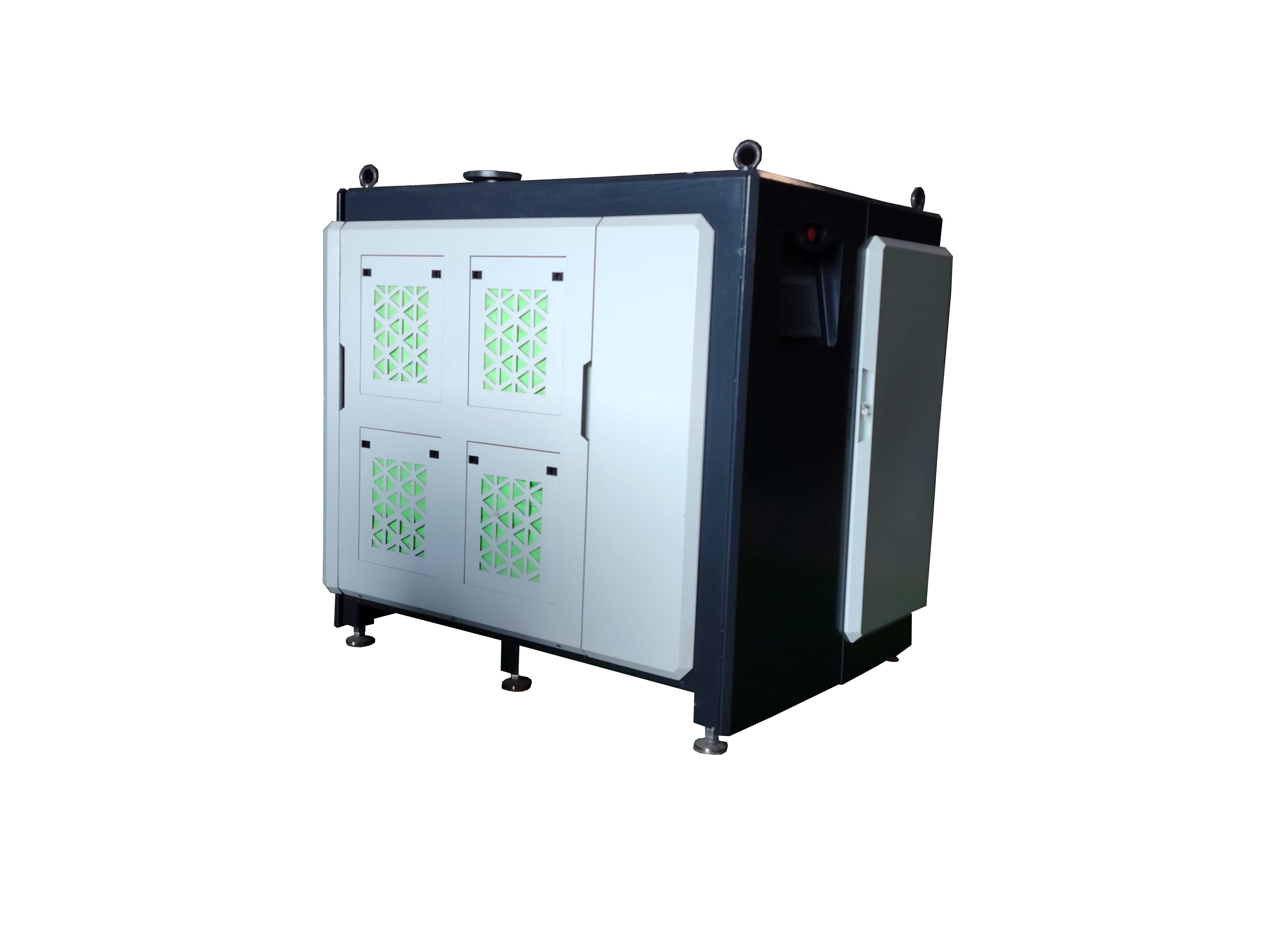
Industrial facilities worldwide are increasingly demanding quieter operation without compromising performance, driving the adoption of advanced air movement technologies. Among these innovations, magnetic levitation blowers have emerged as the preferred solution for applications where noise reduction is critical. Unlike traditional mechanical bearing systems, these cutting-edge devices utilize magnetic fields to suspend rotating components, eliminating physical contact and dramatically reducing operational noise levels. The technology represents a significant advancement in industrial air handling, offering unprecedented quiet operation alongside enhanced reliability and efficiency.
Understanding Magnetic Levitation Technology in Industrial Blowers
Fundamental Principles of Magnetic Suspension
The core technology behind magnetic levitation blowers relies on electromagnetic forces to suspend the impeller assembly without physical contact with stationary components. This contactless operation eliminates friction-based wear and vibration, which are primary sources of mechanical noise in conventional blower systems. Advanced control systems continuously monitor and adjust magnetic field strength to maintain precise positioning of the rotating assembly, ensuring stable operation across varying load conditions. The absence of lubricants and mechanical bearings not only reduces noise but also eliminates maintenance requirements associated with traditional bearing replacements and lubrication schedules.
Magnetic levitation blowers incorporate sophisticated sensor networks that provide real-time feedback on rotor position, temperature, and operational parameters. This comprehensive monitoring enables predictive maintenance capabilities while maintaining optimal performance characteristics throughout the equipment lifecycle. The electromagnetic suspension system responds instantly to load changes, maintaining consistent air flow and pressure delivery even during dynamic operating conditions. These technological advantages make magnetic suspension particularly suitable for applications requiring both quiet operation and reliable performance.
Comparison with Traditional Bearing Systems
Traditional blower systems rely on mechanical bearings, such as ball bearings or roller bearings, which create multiple sources of noise during operation. These components generate noise through rolling element contact, cage rattling, and bearing race interactions, particularly as wear progresses over time. The friction inherent in mechanical bearing systems requires continuous lubrication and creates heat, leading to thermal expansion and additional noise generation. Magnetic levitation blowers eliminate these noise sources entirely by removing physical contact between moving and stationary components.
The operational characteristics of magnetic levitation blowers demonstrate superior acoustic performance compared to conventional systems across all operating speeds. While traditional blowers experience increased noise levels at higher rotational speeds due to bearing friction and mechanical resonance, magnetically levitated systems maintain consistent low noise profiles throughout their operating range. This consistent performance enables facility operators to maximize blower output without exceeding noise regulations or creating uncomfortable working conditions for personnel.
Noise Reduction Benefits in Industrial Environments
Acoustic Performance Characteristics
The acoustic advantages of magnetic levitation blowers extend beyond simple noise level reduction to encompass improved sound quality and frequency distribution. These systems typically operate 10-15 decibels quieter than comparable mechanical bearing blowers, representing a significant improvement in workplace acoustics. The absence of mechanical contact eliminates high-frequency noise components that are particularly irritating to human hearing, resulting in a more pleasant acoustic environment. Sound measurements consistently demonstrate that magnetic levitation blowers produce primarily low-frequency noise, which is less disruptive and more easily controlled through standard acoustic treatment methods.
Frequency analysis reveals that magnetic levitation blowers generate minimal tonal noise components, unlike traditional systems that often produce distinct bearing-related frequencies and harmonic distortion. This characteristic makes these systems ideal for environments where audio quality is important, such as recording studios, research facilities, or precision manufacturing operations. The consistent acoustic signature also simplifies noise control measures, as facility designers can more accurately predict and mitigate sound transmission through building structures.
Workplace Safety and Comfort Improvements
Reduced noise levels from magnetic levitation blowers directly contribute to improved workplace safety by enabling better communication between personnel and clearer perception of equipment status indicators. Lower ambient noise levels allow workers to detect unusual sounds that may indicate equipment problems or safety hazards, enhancing overall operational awareness. The improved acoustic environment also reduces worker fatigue associated with prolonged exposure to industrial noise, potentially improving productivity and reducing occupational health risks. These benefits are particularly valuable in facilities where personnel work extended shifts or perform tasks requiring concentration and precision.
Implementation of magnetic levitation blowers often enables facilities to achieve compliance with stringent occupational noise exposure regulations without requiring extensive additional acoustic treatment. The inherently quiet operation of these systems may eliminate the need for hearing protection equipment in many applications, improving worker comfort and communication. Furthermore, the consistent low noise levels throughout the operating range provide predictable acoustic conditions that support effective facility planning and noise management strategies.
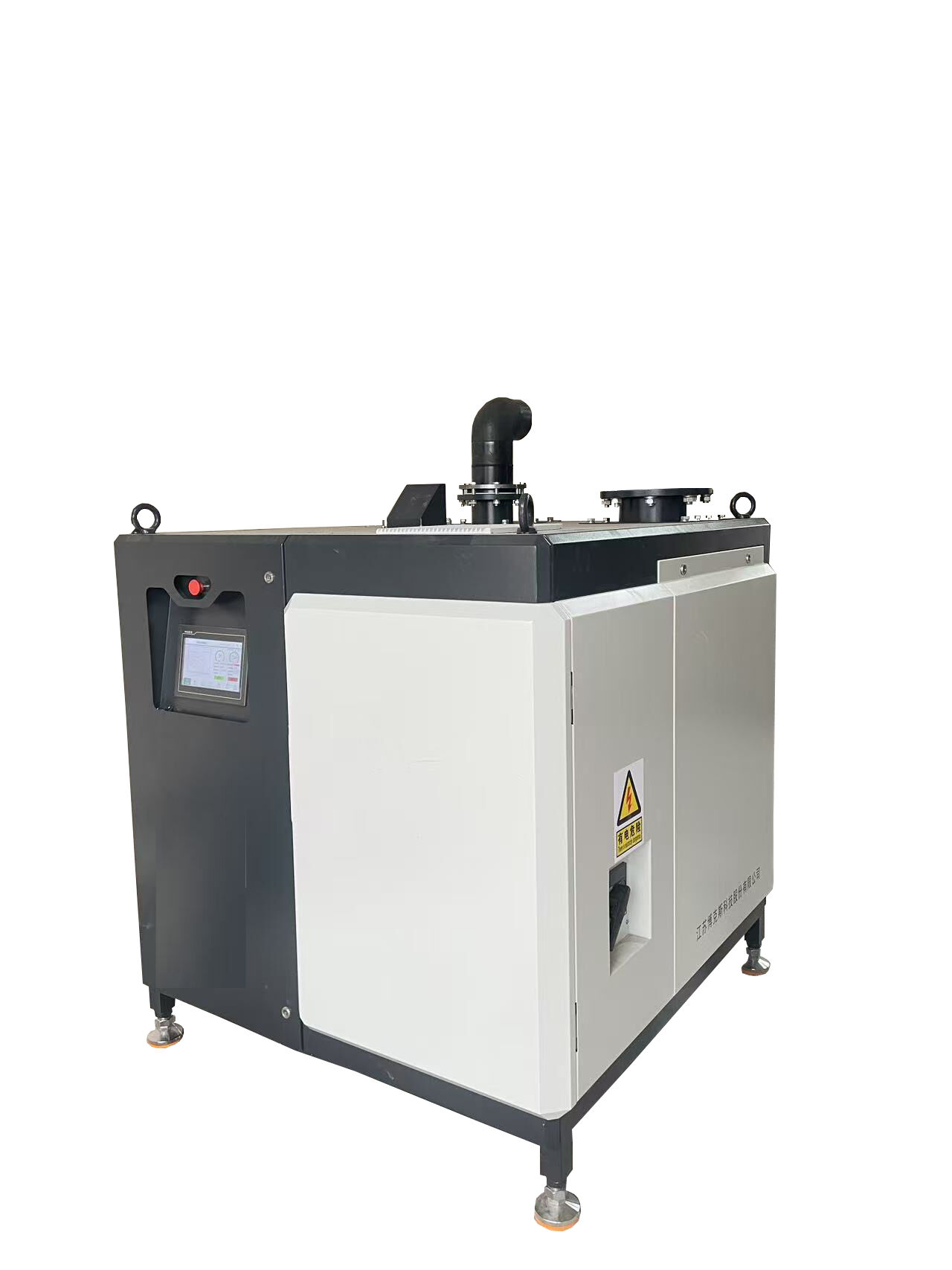
Applications Where Quiet Operation is Critical
Healthcare and Laboratory Facilities
Healthcare environments demand exceptionally quiet HVAC systems to maintain healing environments and support sensitive medical procedures. Magnetic levitation blowers excel in hospital applications where traditional blower noise can interfere with patient rest, staff communication, and delicate medical equipment operation. Operating rooms require particularly stringent noise control to enable clear communication between surgical teams and prevent acoustic interference with monitoring equipment. The consistent quiet operation of magnetic levitation blowers supports these critical requirements while maintaining necessary air quality and pressurization standards.
Research laboratories and clean room facilities benefit significantly from the quiet operation and vibration-free performance of magnetic levitation blowers. These environments often house sensitive analytical instruments that can be affected by mechanical vibration transmitted through building structures. The contactless operation of magnetic suspension systems eliminates vibration transmission while maintaining precise air flow control necessary for contamination prevention. Additionally, the absence of lubricants in magnetic levitation blowers eliminates potential contamination sources that could compromise laboratory procedures or product quality.
Data Centers and Electronics Manufacturing
Data center environments require continuous cooling while maintaining acoustic levels compatible with personnel comfort and equipment operation. Magnetic levitation blowers provide the necessary air movement for server cooling systems without generating excessive noise that would require sound attenuation measures or hearing protection. The 24/7 operation typical of data centers particularly benefits from the maintenance-free characteristics of magnetic suspension technology, as traditional bearing systems would require regular maintenance intervals that could disrupt critical operations. The consistent performance and reliability of magnetic levitation blowers support the high availability requirements essential for data center operations.
Electronics manufacturing facilities often require precise environmental control alongside quiet operation to protect sensitive components and support quality control processes. Magnetic levitation blowers enable precise air flow control for cleanroom applications while maintaining the low noise levels necessary for worker comfort during detailed assembly tasks. The absence of particulate generation from mechanical wear makes these systems particularly suitable for semiconductor fabrication and other high-precision manufacturing processes where contamination control is paramount.
Energy Efficiency and Operational Advantages
Reduced Energy Consumption
The elimination of mechanical friction in magnetic levitation blowers results in significantly improved energy efficiency compared to traditional bearing systems. Without friction losses associated with mechanical bearings, these systems convert a higher percentage of input electrical energy into useful air movement. Energy savings typically range from 15-25% compared to equivalent conventional blowers, providing substantial operational cost reductions over the equipment lifecycle. The improved efficiency also reduces heat generation, potentially decreasing cooling requirements in enclosed installations and further enhancing overall system efficiency.
Variable speed operation of magnetic levitation blowers provides additional energy savings opportunities through precise flow control matching actual demand. The responsive nature of magnetic suspension systems enables rapid speed adjustments without the mechanical limitations inherent in traditional bearing systems. This capability allows facility operators to optimize energy consumption based on real-time requirements rather than operating at fixed high capacities. The combination of inherent efficiency improvements and advanced control capabilities often results in significant utility cost reductions while maintaining superior performance characteristics.
Maintenance and Reliability Benefits
The contactless operation of magnetic levitation blowers eliminates scheduled maintenance requirements associated with bearing replacement, lubrication, and mechanical wear component servicing. This maintenance reduction translates directly into lower operational costs and reduced equipment downtime. Traditional blower systems require regular bearing maintenance, lubrication schedules, and eventual component replacement, all of which generate costs and operational disruptions. Magnetic levitation blowers can operate for extended periods without mechanical maintenance, often achieving mean time between failures exceeding conventional systems by factors of three to five.
The predictive maintenance capabilities enabled by integrated monitoring systems provide early warning of potential issues before they affect performance or reliability. Advanced diagnostics can identify developing problems in control systems or electrical components, enabling planned maintenance activities during scheduled downtime rather than unexpected failures. This proactive approach to maintenance management reduces total cost of ownership while maximizing equipment availability. The combination of reduced mechanical maintenance requirements and enhanced diagnostic capabilities makes magnetic levitation blowers particularly attractive for critical applications where reliability is paramount.
Implementation Considerations and Best Practices
System Integration Requirements
Successful implementation of magnetic levitation blowers requires careful consideration of electrical power quality and control system integration. These systems typically require stable, high-quality electrical power with minimal voltage fluctuations and harmonic distortion to maintain optimal magnetic field control. Power conditioning equipment may be necessary in installations with poor power quality or significant electrical noise from other equipment. The sophisticated control systems in magnetic levitation blowers also require proper grounding and electromagnetic compatibility measures to prevent interference with other facility systems or nearby sensitive equipment.
Integration with existing building automation and control systems enables optimal performance and energy management of magnetic levitation blowers. These systems can provide detailed operational data and accept external control signals for automated operation based on facility requirements. Proper network integration allows facility operators to monitor performance parameters, adjust operating points, and receive diagnostic information through centralized control systems. The advanced communication capabilities of modern magnetic levitation blowers support integration with energy management systems for optimized facility operation and utility cost control.
Selection Criteria and Specifications
Proper selection of magnetic levitation blowers requires analysis of acoustic requirements alongside traditional performance parameters such as flow rate, pressure, and efficiency. Acoustic specifications should include sound power levels, frequency distribution, and directional characteristics to enable accurate noise impact assessment. Facility designers must consider both the direct acoustic benefits of quiet operation and the potential for reduced sound treatment requirements when evaluating total project costs. The superior acoustic performance of magnetic levitation blowers often justifies higher initial costs through reduced building treatment requirements and improved operational characteristics.
Environmental operating conditions significantly influence the performance and reliability of magnetic levitation blowers, particularly temperature ranges and ambient vibration levels. These systems perform optimally within specified temperature ranges and may require environmental conditioning in extreme applications. Vibration isolation considerations differ from traditional blowers, as magnetic levitation blowers are less sensitive to building vibration but require stable mounting for optimal magnetic field control. Proper specification and installation ensure maximum benefit realization from the advanced technology while maintaining long-term reliability and performance.
Future Developments and Technology Trends
Advanced Control Systems and Connectivity
Emerging developments in magnetic levitation blower technology focus on enhanced connectivity and artificial intelligence integration for optimized performance management. Next-generation systems incorporate machine learning algorithms that continuously optimize operating parameters based on facility requirements and environmental conditions. These intelligent control systems can predict maintenance requirements, automatically adjust performance characteristics, and integrate with facility-wide energy management systems for maximum efficiency. The enhanced connectivity enables remote monitoring and support capabilities that reduce on-site maintenance requirements while improving system reliability and performance optimization.
Internet of Things integration in magnetic levitation blowers provides unprecedented visibility into system performance and operational characteristics. Real-time data collection and analysis enable facility managers to optimize energy consumption, predict maintenance requirements, and identify operational improvements. Cloud-based analytics platforms can aggregate data from multiple installations to identify performance trends and optimization opportunities. These advanced capabilities represent the future direction of magnetic levitation blower technology, emphasizing data-driven operation and continuous performance improvement.
Expanding Applications and Market Adoption
The proven benefits of magnetic levitation blowers are driving adoption across an expanding range of industrial applications where quiet operation was previously unattainable with traditional technology. Emerging applications include residential and light commercial HVAC systems where noise regulations are becoming increasingly stringent. The technology is also finding applications in mobile and marine installations where weight reduction and maintenance accessibility are important considerations. As manufacturing costs decrease and technology maturity increases, magnetic levitation blowers are becoming viable alternatives in applications previously dominated by conventional systems.
Market trends indicate growing demand for magnetic levitation blowers in developing countries where environmental regulations are becoming more stringent and industrial infrastructure is expanding rapidly. The combination of superior performance, reduced maintenance requirements, and environmental benefits aligns with sustainability goals driving industrial equipment selection. Continued technology development and manufacturing scale improvements are expected to further reduce costs while enhancing performance characteristics, accelerating adoption across diverse industrial sectors seeking quiet, efficient, and reliable air movement solutions.
FAQ
What maintenance is required for magnetic levitation blowers
Magnetic levitation blowers require minimal maintenance compared to traditional bearing systems since they eliminate mechanical contact between moving parts. Regular maintenance consists primarily of electrical system inspections, control system software updates, and cleaning of air intake filters. The absence of mechanical bearings eliminates lubrication requirements, bearing replacement schedules, and wear-related component servicing. Most manufacturers recommend annual electrical connection inspections and periodic control system diagnostics, but mechanical maintenance is virtually eliminated, resulting in significantly lower total maintenance costs and reduced equipment downtime.
How much quieter are magnetic levitation blowers compared to conventional systems
Magnetic levitation blowers typically operate 10-15 decibels quieter than comparable conventional bearing systems, representing a substantial improvement in acoustic performance. This noise reduction is particularly noticeable in the mid to high frequency ranges where mechanical bearing noise is most prominent. The quiet operation is consistent across the entire operating range, unlike traditional blowers that become progressively noisier at higher speeds. The improved acoustic characteristics often eliminate the need for additional sound treatment measures and enable installation in noise-sensitive environments where conventional blowers would be unsuitable.
Are magnetic levitation blowers suitable for harsh industrial environments
Modern magnetic levitation blowers are designed for operation in demanding industrial environments with appropriate environmental protection and robust control systems. These systems can handle temperature variations, humidity, and moderate contamination levels when properly specified and installed. However, extreme conditions such as corrosive atmospheres, excessive vibration, or extreme temperatures may require special design considerations or environmental conditioning. The absence of mechanical bearings actually makes magnetic levitation blowers less sensitive to contamination and particulate matter that would accelerate wear in conventional systems, provided proper filtration and environmental controls are maintained.
What is the expected lifespan of magnetic levitation blowers
Magnetic levitation blowers typically achieve operational lifespans significantly exceeding conventional bearing systems due to the elimination of mechanical wear components. Expected service life often ranges from 15-20 years or more with proper maintenance and operation within specified parameters. The primary life-limiting factors are electronic components and control systems rather than mechanical wear, which can often be refurbished or upgraded to extend equipment life further. The extended operational life, combined with reduced maintenance requirements, often results in superior total cost of ownership compared to conventional systems despite higher initial investment costs.
Table of Contents
- Understanding Magnetic Levitation Technology in Industrial Blowers
- Noise Reduction Benefits in Industrial Environments
- Applications Where Quiet Operation is Critical
- Energy Efficiency and Operational Advantages
- Implementation Considerations and Best Practices
- Future Developments and Technology Trends
- FAQ