
 EN
EN
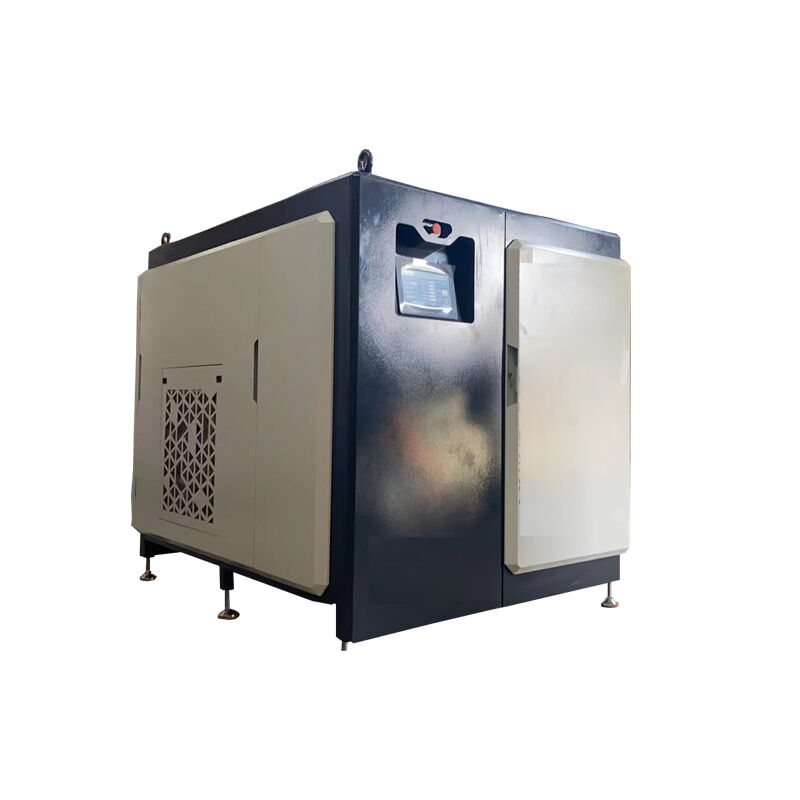
Manufacturing facilities worldwide are increasingly seeking energy-efficient solutions to reduce operational costs and environmental impact. Among the most innovative technologies transforming industrial air handling systems is the magnetic levitation blower, which represents a significant advancement over traditional rotary equipment. These sophisticated systems utilize magnetic fields to suspend rotating components, eliminating physical contact and the associated friction that typically consumes substantial energy in conventional blowers. By leveraging contactless operation, a magnetic levitation blower can deliver exceptional energy savings while maintaining superior performance standards that modern factories demand.
Understanding Magnetic Levitation Technology in Industrial Blowers
Fundamental Principles of Magnetic Suspension
The core technology behind a magnetic levitation blower relies on precisely controlled electromagnetic fields that suspend the rotor assembly without any mechanical bearings or contact points. This advanced system uses active magnetic bearings controlled by sophisticated electronic feedback systems that continuously monitor rotor position and adjust magnetic field strength accordingly. The elimination of physical contact between moving parts represents a revolutionary departure from traditional bearing-supported designs that have dominated industrial applications for decades.
Active magnetic bearing systems in these blowers incorporate high-speed sensors and control algorithms that respond to rotor displacement within microseconds, ensuring stable operation even under varying load conditions. The magnetic fields are generated by electromagnets powered by precisely controlled current, creating a contactless support system that allows the rotor to spin freely without mechanical friction. This technology enables the magnetic levitation blower to achieve rotational speeds that would be impossible with conventional bearing systems while maintaining exceptional precision and stability.
Comparison with Traditional Bearing Systems
Traditional industrial blowers rely on mechanical bearings such as ball bearings, roller bearings, or sleeve bearings that create direct contact between rotating and stationary components. These mechanical interfaces generate significant friction, requiring continuous lubrication and resulting in energy losses through heat generation and mechanical resistance. The constant physical contact in conventional systems also creates vibration, noise, and wear patterns that ultimately lead to component degradation and reduced efficiency over time.
In contrast, the magnetic levitation blower operates with zero mechanical contact, eliminating friction losses that typically account for 15-25% of energy consumption in traditional systems. The absence of physical bearings also means no lubrication requirements, reducing maintenance costs and eliminating the risk of lubricant contamination in sensitive manufacturing environments. This fundamental difference in operating principles translates directly into measurable energy savings and operational advantages that compound over the equipment's operational lifespan.
Energy Consumption Reduction Mechanisms
Elimination of Friction Losses
The most significant energy saving mechanism in a magnetic levitation blower stems from the complete elimination of bearing friction that plagues conventional systems. Mechanical bearings in traditional blowers create rolling or sliding friction that converts mechanical energy into heat, representing a parasitic load that increases power consumption without contributing to air moving performance. Studies have shown that friction losses in conventional industrial blowers can account for up to 30% of total energy consumption, particularly in high-speed applications where bearing loads increase exponentially.
By suspending the rotor magnetically, the magnetic levitation blower eliminates these friction losses entirely, allowing virtually all motor power to be directed toward air movement rather than overcoming mechanical resistance. This direct energy saving typically results in 20-35% reduction in power consumption compared to equivalent traditional systems, with even greater savings possible in applications requiring high rotational speeds or continuous operation cycles.
Optimized Aerodynamic Performance
The precision control possible with magnetic levitation technology enables optimal rotor positioning and eliminates the shaft deflection common in mechanical bearing systems. This enhanced stability allows the magnetic levitation blower to maintain precise clearances between rotating and stationary components, minimizing internal air leakage and maximizing aerodynamic efficiency. The absence of bearing-induced vibration also permits tighter manufacturing tolerances and more sophisticated impeller designs that would be impractical with conventional bearing systems.
Variable speed operation becomes significantly more efficient with magnetic levitation technology, as the system can respond instantly to changing airflow requirements without the mechanical limitations imposed by traditional bearings. The magnetic levitation blower can modulate speed precisely to match actual demand, avoiding the energy waste associated with throttling or bypass methods commonly used with fixed-speed conventional systems. This dynamic response capability often results in additional energy savings of 10-20% in applications with variable load profiles.
Operational Advantages in Factory Environments
Reduced Maintenance Requirements
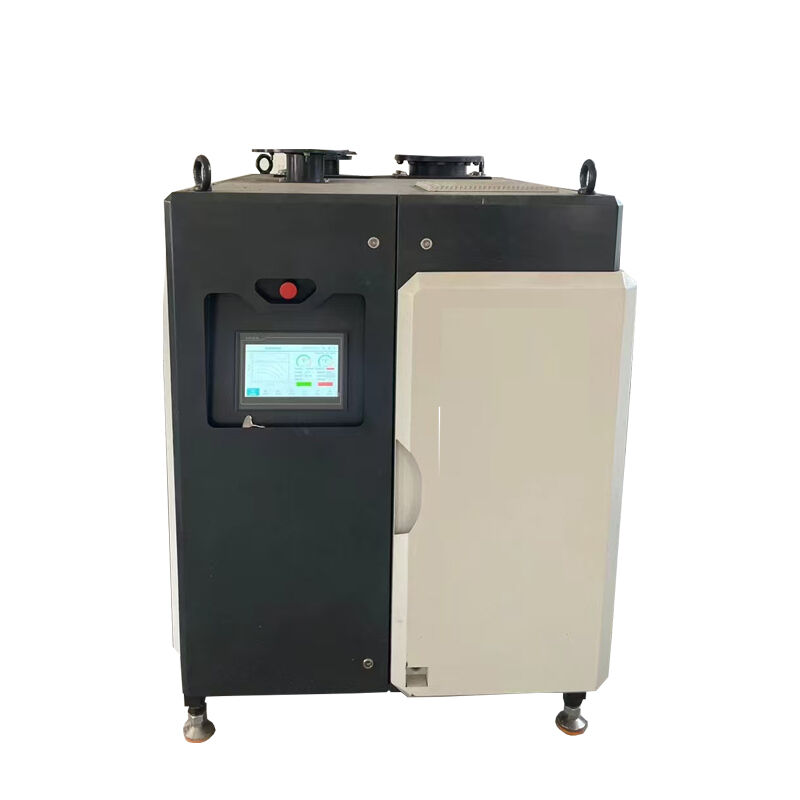
Factory environments demand reliable equipment that minimizes downtime and maintenance interventions, making the magnetic levitation blower particularly attractive for industrial applications. The absence of mechanical bearings eliminates the need for regular lubrication, bearing replacement, and alignment procedures that consume significant maintenance resources in conventional systems. This reduction in maintenance requirements translates not only to direct cost savings but also to improved production continuity and reduced risk of unexpected equipment failures.
Predictive maintenance capabilities are significantly enhanced in magnetic levitation blower systems through integrated monitoring of magnetic bearing performance and rotor dynamics. The electronic control systems continuously collect operational data that enables precise prediction of service requirements and optimization of maintenance schedules. This data-driven approach to maintenance planning allows factories to maximize equipment uptime while minimizing maintenance costs, contributing to overall operational efficiency improvements.
Enhanced Environmental Control
Manufacturing processes often require precise environmental control for product quality, worker safety, and regulatory compliance, areas where the magnetic levitation blower excels due to its superior operational characteristics. The elimination of lubricants removes potential contamination sources that could compromise sensitive manufacturing processes or create environmental hazards. Additionally, the precise speed control capabilities enable more accurate ventilation and air handling, supporting optimal environmental conditions throughout the factory.
Noise reduction represents another significant advantage of magnetic levitation blower technology in factory environments where worker comfort and regulatory compliance are important considerations. The absence of mechanical bearing noise and vibration typically results in sound level reductions of 10-15 decibels compared to conventional systems, contributing to improved working conditions and potential productivity benefits. The smooth operation of magnetic levitation systems also reduces transmitted vibration to building structures, minimizing maintenance requirements for mounting systems and surrounding equipment.
Economic Impact and Return on Investment
Energy Cost Savings Analysis
The economic benefits of implementing magnetic levitation blower technology in factory environments extend far beyond simple energy consumption reduction, encompassing multiple cost categories that compound over the equipment's operational life. Direct energy savings typically range from 20-40% compared to conventional systems, translating to substantial reductions in electricity costs for facilities operating air handling equipment continuously. For a typical industrial facility consuming 500 kW of blower power, annual energy savings can exceed $50,000 at current industrial electricity rates.
Lifecycle cost analysis reveals even more compelling economic advantages when considering maintenance cost reductions, extended equipment life, and improved operational reliability. The magnetic levitation blower typically demonstrates payback periods of 2-4 years in most industrial applications, with total cost savings over 10-15 year equipment lifecycles often exceeding 200% of initial investment premiums. These economic benefits become even more attractive when considering potential utility incentives and carbon credit opportunities associated with energy efficiency improvements.
Production Efficiency Benefits
Beyond direct equipment costs, the magnetic levitation blower contributes to improved production efficiency through enhanced environmental control capabilities and reduced downtime risk. The precise airflow control enables more consistent manufacturing conditions, potentially improving product quality and reducing waste rates in sensitive production processes. The improved reliability and predictive maintenance capabilities reduce the risk of unplanned shutdowns that can cost manufacturers thousands of dollars per hour in lost production.
Integration with modern factory automation systems becomes seamless with magnetic levitation blower technology, as the electronic control systems provide extensive data connectivity and remote monitoring capabilities. This integration supports Industry 4.0 initiatives and enables sophisticated energy management strategies that can optimize overall facility efficiency. The ability to respond rapidly to changing production requirements also supports lean manufacturing principles and just-in-time production strategies that many modern factories employ.
Implementation Considerations for Industrial Applications
System Sizing and Selection
Proper sizing and selection of magnetic levitation blower systems requires careful analysis of actual airflow requirements, operating conditions, and performance objectives specific to each factory application. Unlike conventional systems that often require oversizing to account for performance degradation over time, the magnetic levitation blower maintains consistent performance throughout its operational life, enabling more precise sizing that optimizes both initial costs and operational efficiency. This precise matching of equipment capacity to actual requirements often results in additional energy savings beyond those achieved through technology improvements alone.
Environmental factors such as ambient temperature, altitude, and air quality must be considered when specifying magnetic levitation blower systems for factory applications. The electronic control systems require proper protection from electromagnetic interference and environmental contaminants that might affect sensor accuracy or control stability. However, the inherent robustness of magnetic levitation technology often makes it more suitable for harsh industrial environments than conventional systems that rely on precision-manufactured mechanical bearings susceptible to contamination and wear.
Integration with Existing Systems
Retrofitting existing factory air handling systems with magnetic levitation blower technology typically requires evaluation of ductwork, controls, and power supply compatibility to ensure optimal performance and maximize energy saving benefits. The variable speed capabilities of magnetic levitation systems may necessitate upgrades to existing control systems to fully realize efficiency potential, but these improvements often provide additional benefits through enhanced process control and monitoring capabilities.
Installation planning should account for the different vibration characteristics and mounting requirements of magnetic levitation blower systems compared to conventional equipment. The reduced vibration transmission often allows for simplified mounting systems and may enable installation in locations that would be unsuitable for conventional systems due to noise or vibration concerns. Electrical infrastructure must accommodate the control system requirements and variable frequency drive systems that optimize magnetic levitation blower performance.
Future Trends and Technology Development
Advancing Control Technologies
The future development of magnetic levitation blower technology continues to focus on enhanced control algorithms and sensor technologies that further improve efficiency and reliability while reducing costs. Artificial intelligence and machine learning applications are being integrated into control systems to optimize performance based on actual operating conditions and predict maintenance requirements with greater accuracy. These advanced control capabilities promise even greater energy savings and operational benefits as the technology matures.
Internet of Things connectivity and cloud-based monitoring systems are expanding the capabilities of magnetic levitation blower installations, enabling remote optimization and fleet management capabilities that benefit large industrial facilities with multiple air handling systems. These connectivity features support predictive analytics and energy management strategies that can optimize entire facility operations rather than individual equipment performance alone.
Market Adoption and Industry Standards
Increasing awareness of energy efficiency benefits and environmental regulations are driving broader adoption of magnetic levitation blower technology across various industrial sectors. As manufacturing costs decrease through improved production volumes and technology maturation, the economic advantages become accessible to a wider range of applications beyond the high-end industrial markets where the technology was initially deployed.
Industry standards and certification programs are evolving to address the unique characteristics of magnetic levitation blower systems, providing frameworks for performance verification and quality assurance that support broader market acceptance. These standards development efforts are critical for establishing confidence in the technology and enabling engineers to specify magnetic levitation systems with the same confidence traditionally accorded to conventional equipment types.
FAQ
How much energy can a magnetic levitation blower save compared to traditional systems
Energy savings with magnetic levitation blower technology typically range from 20-40% compared to conventional bearing-supported systems, with the exact savings depending on operating conditions, application requirements, and baseline equipment efficiency. The primary savings come from eliminating bearing friction losses and enabling more precise speed control to match actual airflow demands. In continuous operation applications, these savings can result in substantial cost reductions and rapid payback of the initial investment premium.
What maintenance advantages do magnetic levitation blowers offer
The magnetic levitation blower eliminates many traditional maintenance requirements including bearing lubrication, bearing replacement, and alignment procedures that consume significant resources in conventional systems. The contactless operation means no wear parts requiring regular replacement, while integrated monitoring systems enable predictive maintenance approaches that optimize service schedules and prevent unexpected failures. This combination typically reduces maintenance costs by 50-70% compared to traditional systems.
Are magnetic levitation blowers suitable for harsh industrial environments
Magnetic levitation blower systems are often more suitable for harsh industrial environments than conventional systems because they eliminate mechanical bearings that are susceptible to contamination, corrosion, and wear from environmental factors. The sealed electronic control systems can be protected from environmental hazards, while the absence of lubricants eliminates contamination risks in sensitive manufacturing processes. Proper specification and installation practices ensure reliable operation even in demanding industrial applications.
What is the typical payback period for magnetic levitation blower installations
Payback periods for magnetic levitation blower technology typically range from 2-4 years in most industrial applications, depending on energy costs, operating hours, and baseline system efficiency. Facilities with continuous operation, high energy costs, or frequent maintenance requirements often achieve shorter payback periods, while the total lifecycle savings over 10-15 years frequently exceed 200% of the initial investment premium when considering all cost factors including energy, maintenance, and productivity benefits.
Table of Contents
- Understanding Magnetic Levitation Technology in Industrial Blowers
- Energy Consumption Reduction Mechanisms
- Operational Advantages in Factory Environments
- Economic Impact and Return on Investment
- Implementation Considerations for Industrial Applications
- Future Trends and Technology Development
-
FAQ
- How much energy can a magnetic levitation blower save compared to traditional systems
- What maintenance advantages do magnetic levitation blowers offer
- Are magnetic levitation blowers suitable for harsh industrial environments
- What is the typical payback period for magnetic levitation blower installations