
 EN
EN
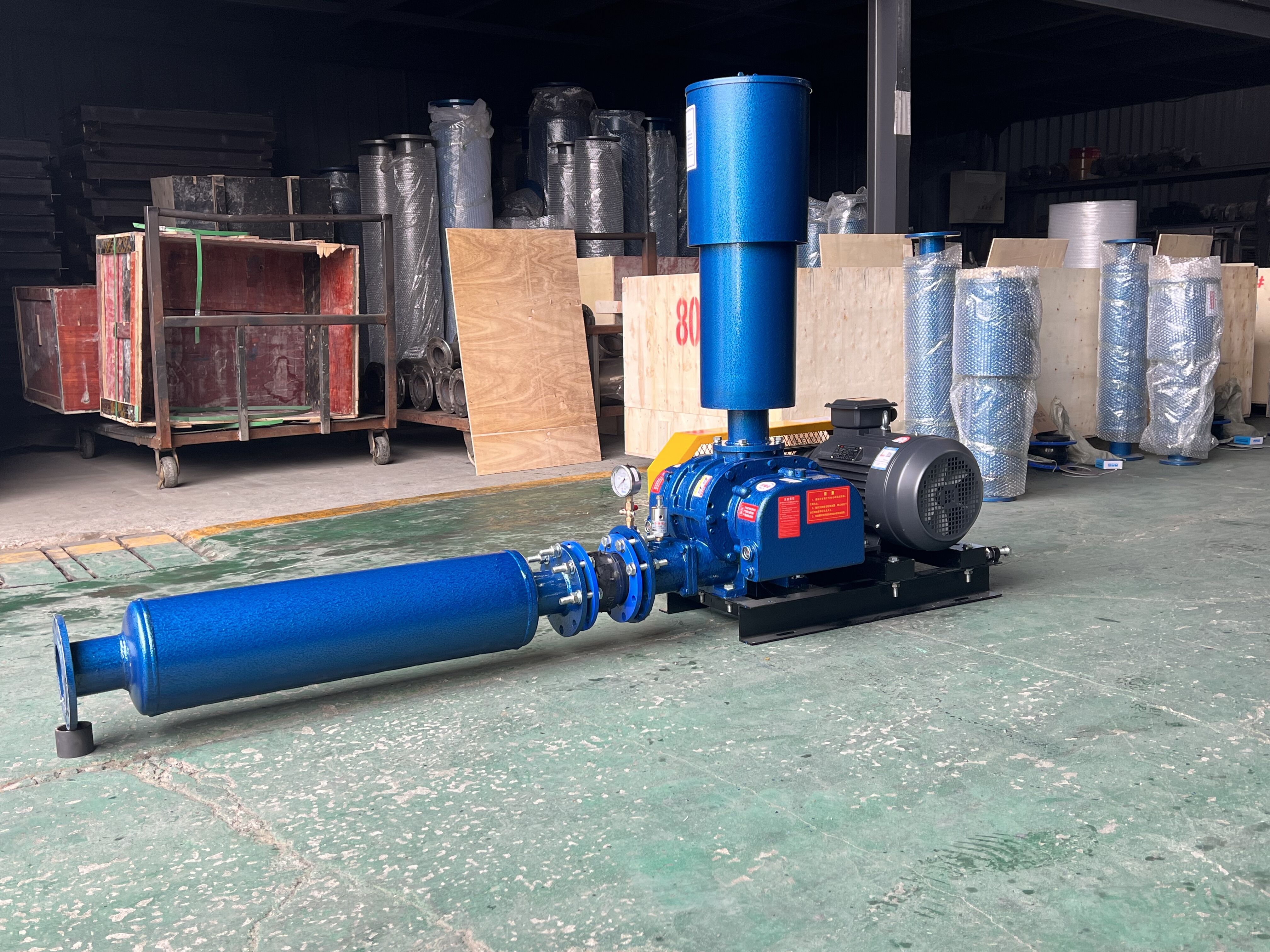
Understanding the efficiency metrics of roots blower supercharger systems is crucial for industrial applications requiring reliable compressed air delivery. These positive displacement blowers have become essential components in various sectors, from wastewater treatment to pneumatic conveying systems. The performance characteristics of a roots blower supercharger directly impact operational costs, energy consumption, and overall system reliability. Engineers and facility managers must evaluate multiple efficiency parameters to optimize their compressed air systems and ensure maximum return on investment.
The evaluation of roots blower supercharger efficiency involves analyzing several interconnected performance indicators that collectively determine the unit's effectiveness. Modern industrial facilities demand precise measurement and monitoring of these metrics to maintain competitive operational standards. A comprehensive understanding of efficiency parameters enables organizations to make informed decisions about equipment selection, maintenance scheduling, and system optimization strategies.
Volumetric Efficiency Analysis
Flow Rate Measurement Standards
Volumetric efficiency represents the most fundamental metric for evaluating roots blower supercharger performance. This parameter measures the actual air delivery volume compared to the theoretical displacement capacity. Industry standards typically expect volumetric efficiency ratings between 85-95% for well-maintained units operating within design parameters. The measurement involves precise flow rate monitoring using calibrated instruments that account for temperature and pressure variations.
The calculation of volumetric efficiency requires accurate measurement of inlet and outlet conditions. Temperature compensation becomes critical because air density changes significantly with thermal variations. Professional technicians utilize hot-wire anemometers, pitot tubes, or ultrasonic flow meters to capture real-time flow data. These measurements must account for pulsation dampening and pressure fluctuations inherent in roots blower supercharger operation.
Internal Leakage Assessment
Internal leakage directly impacts the volumetric efficiency of any roots blower supercharger system. Worn clearances between rotors and housing allow compressed air to bypass the delivery process, reducing overall efficiency. Regular assessment involves measuring pressure decay rates and comparing actual versus theoretical displacement volumes. Advanced diagnostic techniques include thermal imaging to identify hot spots indicating excessive leakage paths.
Quantifying internal leakage requires systematic testing under various operating conditions. Engineers typically conduct leak-down tests at different pressure differentials to establish baseline performance characteristics. The acceptable leakage rate varies depending on application requirements, but generally should not exceed 3-5% of total displacement volume. Monitoring trends in leakage rates helps predict maintenance requirements and optimize replacement scheduling.

Energy Consumption Metrics
Specific Power Requirements
Specific power consumption represents a critical efficiency metric for roots blower supercharger installations. This parameter expresses the electrical energy required per unit volume of air delivered, typically measured in kilowatts per cubic meter per minute. Industry benchmarks vary based on pressure requirements, but efficient units generally consume 0.8-1.2 kW per 100 CFM at standard conditions. Continuous monitoring of specific power helps identify performance degradation and optimization opportunities.
The measurement of specific power requires integration of electrical power monitoring with accurate flow measurement systems. Smart meters and data logging equipment enable continuous tracking of power consumption patterns. Comparing actual power consumption against manufacturer specifications reveals potential issues such as mechanical wear, misalignment, or improper operating conditions. Regular analysis of specific power trends supports predictive maintenance strategies.
Motor Efficiency Considerations
Motor efficiency significantly influences the overall energy performance of roots blower supercharger systems. Modern premium efficiency motors achieve 94-96% efficiency ratings, while standard motors typically operate at 88-92% efficiency. The motor efficiency affects the total system energy consumption and must be considered when evaluating overall performance. Variable frequency drives can improve motor efficiency by matching speed to actual demand requirements.
Temperature monitoring of motor components provides insight into efficiency degradation over time. Excessive heat generation indicates potential issues such as bearing wear, electrical imbalances, or improper ventilation. Thermal protection systems should maintain motor temperatures within manufacturer specifications to ensure optimal efficiency. Regular thermographic inspections help identify developing problems before they impact system performance.
Pressure Performance Characteristics
Discharge Pressure Stability
Pressure stability represents a key indicator of roots blower supercharger reliability and efficiency. Consistent discharge pressure ensures optimal performance of downstream equipment and processes. Pressure variations exceeding ±2% of setpoint typically indicate internal wear, control system issues, or improper system sizing. Continuous pressure monitoring helps maintain process stability and identify potential problems.
The measurement of pressure stability requires high-accuracy transducers and data acquisition systems. Digital pressure indicators with trend recording capabilities provide valuable insight into system behavior over time. Pressure pulsations, inherent in positive displacement blowers, should be minimized through proper piping design and pulsation dampening devices. Excessive pulsation can reduce system efficiency and cause premature component wear.
Pressure Rise Efficiency
Pressure rise efficiency evaluates how effectively a roots blower supercharger converts mechanical energy into pressure differential. This metric compares actual pressure increase against theoretical values based on compression ratios and thermodynamic principles. Efficient units typically achieve 80-90% pressure rise efficiency under normal operating conditions. Declining pressure rise efficiency often indicates internal wear or improper maintenance.
The calculation of pressure rise efficiency requires precise measurement of inlet and outlet pressures under steady-state conditions. Atmospheric pressure corrections and temperature compensation ensure accurate results. Comparing efficiency measurements over time reveals performance trends and helps optimize maintenance intervals. Documentation of pressure rise efficiency supports warranty claims and performance guarantees from equipment manufacturers.
Temperature Management Efficiency
Heat Generation Analysis
Temperature rise across the roots blower supercharger indicates the efficiency of the compression process and internal friction losses. Excessive temperature generation reduces volumetric efficiency and increases energy consumption. Typical temperature rise ranges from 15-25°C per stage of compression, depending on pressure ratios and operating conditions. Monitoring temperature trends helps identify mechanical problems and optimize cooling requirements.
Thermal efficiency analysis involves measuring inlet and outlet air temperatures along with housing temperatures at critical points. Infrared thermography provides non-contact temperature measurement and identifies hot spots indicating potential problems. Cooling system effectiveness directly impacts overall efficiency, making proper heat exchanger maintenance essential for optimal performance. Temperature data correlation with power consumption reveals system efficiency trends.
Cooling System Performance
Effective cooling system operation maintains optimal temperatures throughout the roots blower supercharger assembly. Intercooling between compression stages improves volumetric efficiency and reduces power consumption. Cooling system efficiency affects overall energy consumption and component longevity. Regular cleaning of heat exchangers and verification of coolant flow rates ensures maximum cooling effectiveness.
Cooling system monitoring includes measurement of coolant temperatures, flow rates, and heat transfer effectiveness. Fouling of heat exchanger surfaces reduces cooling efficiency and increases operating temperatures. Automated monitoring systems can alert operators to cooling system problems before they impact blower performance. Proper cooling system maintenance directly contributes to improved roots blower supercharger efficiency and reliability.
Operational Reliability Metrics
Vibration Monitoring Standards
Vibration analysis provides critical insight into the mechanical condition of roots blower supercharger components. Industry standards specify acceptable vibration levels for different operating speeds and mounting configurations. Excessive vibration indicates potential problems such as misalignment, imbalance, or bearing wear that can reduce efficiency and reliability. Continuous vibration monitoring enables predictive maintenance and prevents catastrophic failures.
Professional vibration analysis requires specialized equipment and trained technicians to interpret frequency spectra and amplitude measurements. Baseline vibration signatures establish normal operating characteristics for comparison with future measurements. Trending vibration data over time reveals developing problems before they cause significant efficiency losses. Proper vibration monitoring supports condition-based maintenance strategies.
Noise Level Assessment
Noise generation correlates with mechanical efficiency and component condition in roots blower supercharger systems. Excessive noise often indicates internal wear, misalignment, or aerodynamic inefficiencies. Industry noise standards specify maximum acceptable levels for different installation environments. Sound level monitoring helps identify performance issues and ensures compliance with workplace safety regulations.
Acoustic monitoring involves measurement of sound pressure levels across different frequency ranges to identify specific problem sources. Abnormal noise signatures can indicate cavitation, mechanical wear, or aerodynamic turbulence within the blower. Noise reduction measures, such as acoustic enclosures or vibration isolation, may be necessary to meet environmental requirements while maintaining efficiency.
Maintenance Impact on Efficiency
Preventive Maintenance Scheduling
Systematic preventive maintenance directly impacts roots blower supercharger efficiency throughout the equipment lifecycle. Proper maintenance scheduling based on operating hours, cycles, and condition monitoring data optimizes performance and minimizes unexpected failures. Regular maintenance activities include lubrication, alignment checks, and clearance adjustments that maintain peak efficiency. Deferred maintenance typically results in progressive efficiency degradation and higher energy costs.
Maintenance scheduling should consider operating conditions, duty cycles, and environmental factors that affect component wear rates. Harsh operating environments may require more frequent maintenance intervals to maintain efficiency standards. Documentation of maintenance activities and their impact on performance metrics supports optimization of maintenance procedures. Cost-benefit analysis of maintenance frequency helps balance maintenance costs against efficiency improvements.
Component Replacement Criteria
Establishing clear criteria for component replacement ensures optimal roots blower supercharger efficiency throughout the service life. Worn components such as rotors, bearings, and seals progressively reduce efficiency and increase energy consumption. Replacement decisions should consider efficiency degradation rates, maintenance costs, and availability of improved components. Proactive replacement based on condition monitoring prevents significant efficiency losses.
Component replacement analysis involves comparing repair costs against efficiency improvements and extended service life. Modern replacement components often offer improved efficiency compared to original equipment, justifying upgrades even before failure occurs. Life cycle cost analysis helps determine optimal replacement timing and component selection. Proper installation and commissioning of replacement components ensures maximum efficiency benefits.
FAQ
What is considered good volumetric efficiency for a roots blower supercharger
Good volumetric efficiency for a roots blower supercharger typically ranges from 85-95% under normal operating conditions. This metric represents the actual air delivery compared to theoretical displacement capacity. Factors affecting volumetric efficiency include internal clearances, operating pressure ratios, and maintenance condition. Regular monitoring helps maintain optimal efficiency levels throughout the equipment lifecycle.
How often should efficiency metrics be measured and recorded
Efficiency metrics should be measured continuously through automated monitoring systems where possible, with detailed analysis performed monthly or quarterly. Critical parameters like power consumption and flow rates benefit from real-time monitoring, while comprehensive efficiency assessments can be conducted during scheduled maintenance periods. Trending this data over time reveals performance patterns and optimization opportunities.
What factors most significantly impact roots blower supercharger efficiency
The most significant factors affecting efficiency include internal clearances between rotors and housing, operating pressure ratios, temperature management, and maintenance condition. Proper system sizing, adequate cooling, and regular maintenance substantially improve efficiency. Environmental conditions such as inlet air temperature and humidity also influence performance characteristics and should be considered in efficiency evaluations.
How can energy consumption be optimized for better efficiency
Energy consumption optimization involves proper system sizing, variable speed control implementation, and regular maintenance to minimize internal losses. Installing high-efficiency motors and optimizing piping systems reduces parasitic losses. Monitoring specific power consumption trends identifies opportunities for improvement, while proper cooling system maintenance prevents efficiency degradation due to excessive temperatures.