
 EN
EN
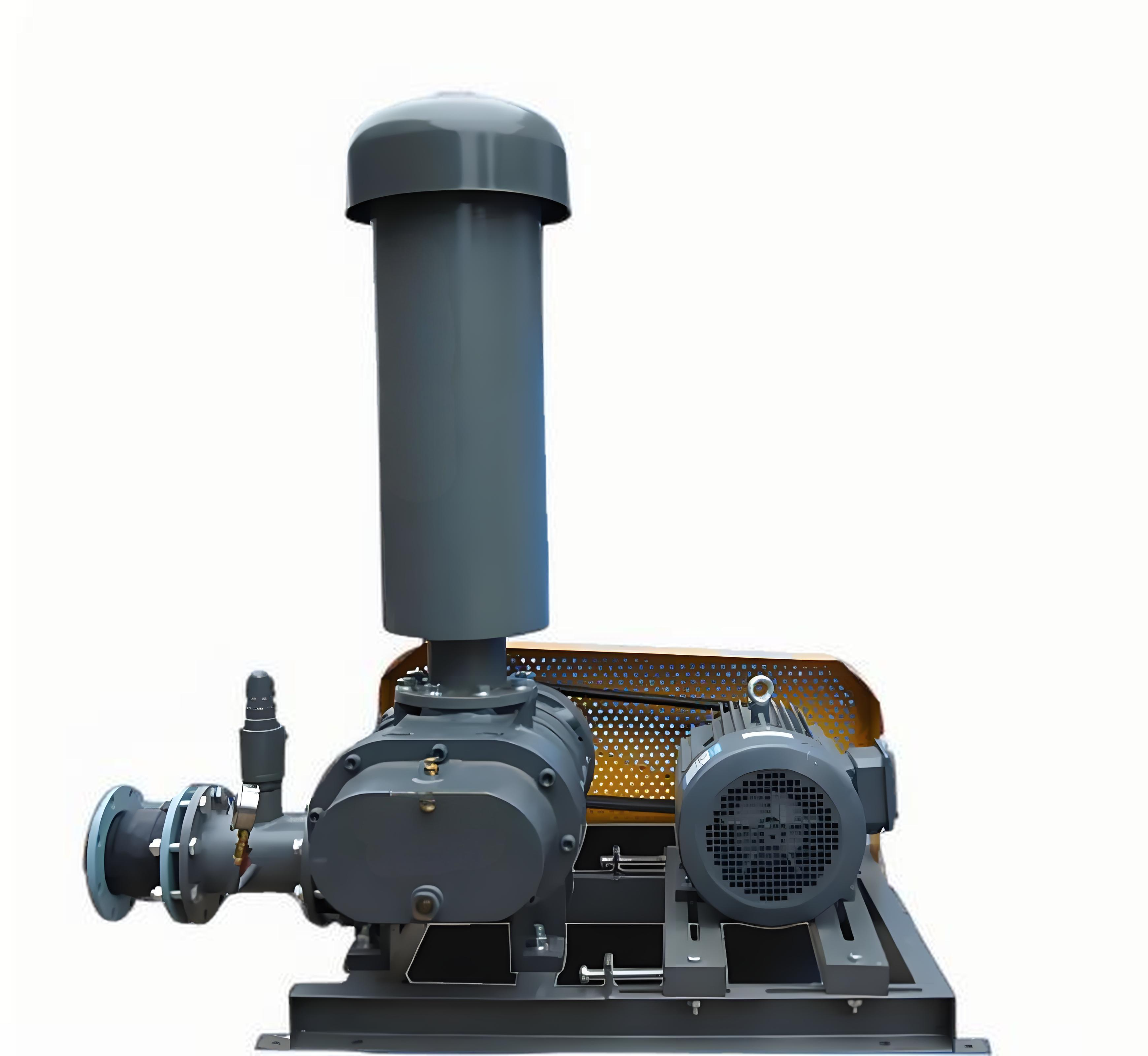
A roots blower vacuum pump represents a critical advancement in industrial vacuum systems, delivering consistent performance where conventional pumps fall short. These positive displacement vacuum pump applications have become essential across manufacturing, food processing, chemical industries, and laboratory environments where reliable, oil-free vacuum generation is paramount. Understanding how this technology operates and when to deploy it can significantly enhance system efficiency and operational reliability.
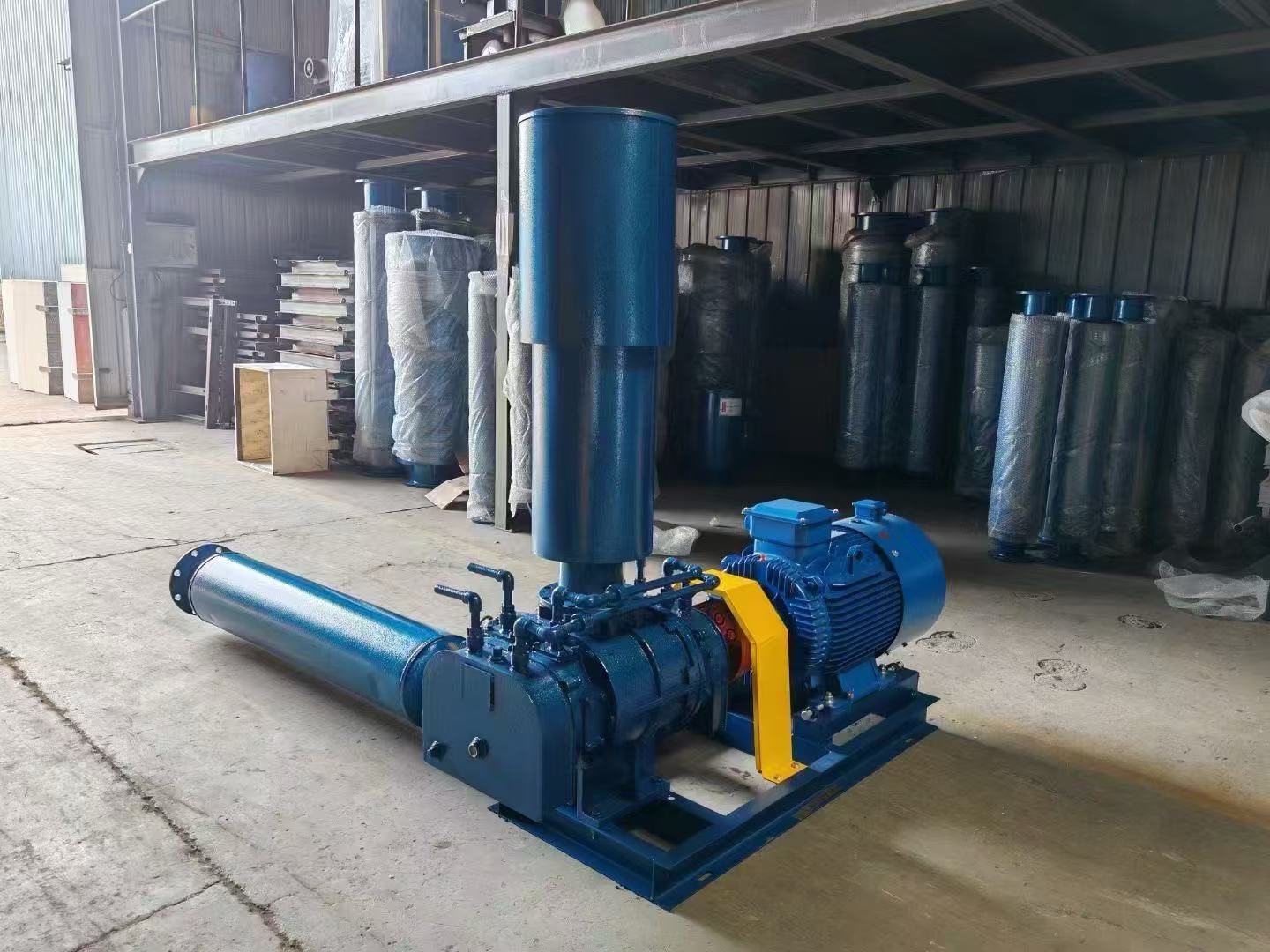
The superiority of a roots blower vacuum pump lies in its unique rotary lobe design and positive displacement mechanism. Unlike rotary sliding vane pumps or liquid ring systems that depend on sealing liquids or moving components, roots blowers utilize two intermeshing lobes that trap and expel gas volumes with minimal leakage. This mechanical approach ensures vacuum levels remain stable across varying operational demands, making rotary lobe blower performance specifications predictable and maintainable over extended duty cycles.
How Roots Blower Vacuum Pump Technology Operates
Positive Displacement Vacuum Pump Applications and Mechanism
The roots blower operates on positive displacement principles, meaning it moves a fixed volume of gas per revolution regardless of pressure differential. Each lobe rotation draws gas from the inlet chamber, traps it between the lobe and housing wall, and expels it into the discharge outlet. This continuous, non-intermittent action produces smooth vacuum curves and eliminates the pulsations common in reciprocating systems. Positive displacement vacuum pump applications benefit tremendously from this consistency, particularly in processes requiring stable vacuum levels such as packaging, dehydration, and conveying operations.
The intermeshing lobes never physically contact each other, maintained instead by precision-machined clearances and synchronized timing gears. This design eliminates direct wear on pumping surfaces and permits extended operation without degradation. Rotary lobe blower performance specifications typically include discharge pressures ranging from mild vacuum conditions to moderate positive pressure scenarios, making these units versatile across diverse industrial workflows.
Efficiency and Reliability in Demanding Environments
Because roots blower vacuum pump systems generate minimal heat and require no lubrication in the gas flow path, they excel in applications where product purity and environmental cleanliness matter critically. Food processing, pharmaceutical manufacturing, and semiconductor production all depend on oil-free operation that a roots blower provides naturally. The mechanical simplicity also translates to lower maintenance costs compared to more complex pump architectures requiring regular fluid changes, seal replacements, or cooling system management.
Vacuum Pump Selection Guide for Industrial Systems
Matching Pump Type to Application Requirements
A comprehensive vacuum pump selection guide for industrial systems must address how roots blower vacuum pump technology compares to competing architectures across key performance dimensions. Rotary lobe blower performance specifications excel when applications demand consistent volumetric flow rates, stable evacuation curves, and long service intervals. However, positive displacement vacuum pump applications requiring extremely deep vacuum levels below 0.1 mbar typically benefit from multi-stage systems or hybrid configurations pairing roots technology with secondary boosters.
Flow capacity represents another critical selection criterion within the vacuum pump selection guide for industrial systems. Roots blowers deliver predictable displacement volumes proportional to speed, allowing engineers to size equipment precisely to process demands. Whether handling rapid bulk evacuation, continuous conveying, or intermittent degassing cycles, rotary lobe blower performance specifications provide transparent capacity metrics that simplify system design and procurement decisions.
Installation Considerations and Operational Parameters
When implementing a roots blower vacuum pump solution, installation geometry, inlet filtration, and discharge line configuration directly influence performance outcomes. Piping diameter, bends, and material composition affect system resistance, which determines whether positive displacement vacuum pump applications achieve calculated evacuation rates. A proper vacuum pump selection guide for industrial systems always includes detailed piping recommendations, pressure drop analysis, and noise attenuation strategies to ensure field performance matches engineering predictions.
Rotary lobe blower performance specifications must be evaluated against specific process temperatures, moisture content, and particulate exposure. Hot inlet gas reduces volumetric efficiency, while contamination ingestion accelerates lobe wear and seal degradation. Proper filtration upstream of the pump inlet preserves mechanical tolerances and extends service life, ultimately reducing total cost of ownership despite higher initial investment compared to less sophisticated vacuum pump architectures.
Performance Improvements and Competitive Advantages
Vacuum Level Stability and Throughput Consistency
A roots blower vacuum pump fundamentally improves system performance by maintaining steady vacuum levels throughout duty cycles without the flow fluctuations characteristic of reciprocating or sliding vane alternatives. This consistency proves invaluable in precision packaging where vacuum bag formation depends on stable pressure profiles, or in laboratory vacuum ovens where temperature uniformity requires steady gas extraction rates. Positive displacement vacuum pump applications benefit from this stability through improved product quality, reduced scrap rates, and more predictable process timelines.
Energy Efficiency and Operating Cost Reduction
The mechanical efficiency of rotary lobe blower performance specifications translates directly to lower energy consumption compared to less optimized pump designs. Synchronized lobe timing minimizes backflow leakage, ensuring most motor input converts to useful gas displacement rather than internal recirculation losses. When multiplied across months or years of continuous operation in industrial facilities, energy savings from a properly sized roots blower vacuum pump system accumulate into substantial operational cost reductions that justify equipment investment and drive adoption across manufacturing sectors.
FAQ
What makes a roots blower vacuum pump superior to reciprocating vacuum pumps?
A roots blower vacuum pump delivers smoother, pulsation-free operation with constant flow rates, whereas reciprocating pumps generate pressure spikes and flow variations. The rotary lobe blower performance specifications remain stable across varying loads, eliminating vibration and noise issues common with reciprocating designs. Additionally, positive displacement vacuum pump applications using roots technology require minimal maintenance and deliver longer service intervals due to simplified mechanical architecture without reciprocating components subject to fatigue failure.
How do I select the right roots blower vacuum pump for my application?
Use a vacuum pump selection guide for industrial systems that evaluates required flow capacity, achievable vacuum depth, inlet gas temperature, contamination exposure, and duty cycle. Rotary lobe blower performance specifications must match your process demands—higher speed delivers greater flow, while multiple-stage configurations reach deeper vacuum levels if required. Positive displacement vacuum pump applications typically achieve 0.5 to 5 mbar operating ranges in single-stage roots designs, making them ideal for moderate vacuum processes like conveying, packaging, and degassing.
What maintenance does a roots blower vacuum pump require?
A roots blower vacuum pump demands minimal routine maintenance focused primarily on inlet air filtration and seal inspection. Replace air filters regularly to protect internal lobe clearances from particulate damage that would compromise rotary lobe blower performance specifications. Check shaft seals periodically for leakage, inspect bearing condition annually, and verify synchronization gear timing remains within manufacturer tolerances. Positive displacement vacuum pump applications typically operate reliably for five to ten years with proper preventive maintenance, making them economical compared to more complex pump architectures.