
 EN
EN
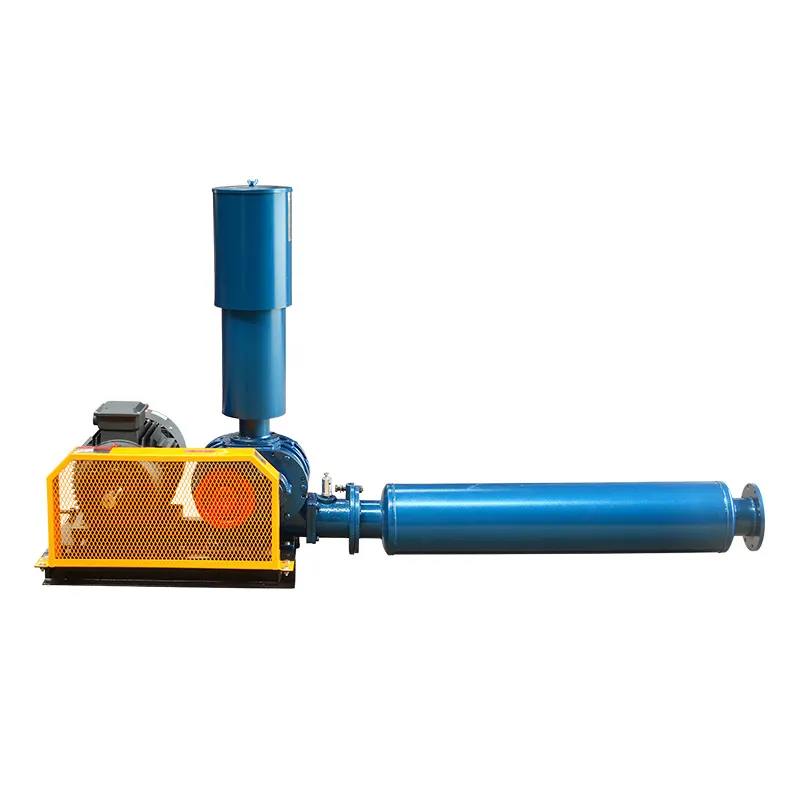
Successful aquaculture operations depend on consistent water quality, and nothing matters more than dissolved oxygen levels. Fish require steady oxygen supply to thrive, grow efficiently, and maintain health throughout their lifecycle. Without adequate aeration, fish farms face disease outbreaks, reduced growth rates, and significant financial losses. An aquaculture roots blower provides the reliable, continuous air delivery that modern fish farming demands, making it the backbone of successful pond aeration equipment systems.
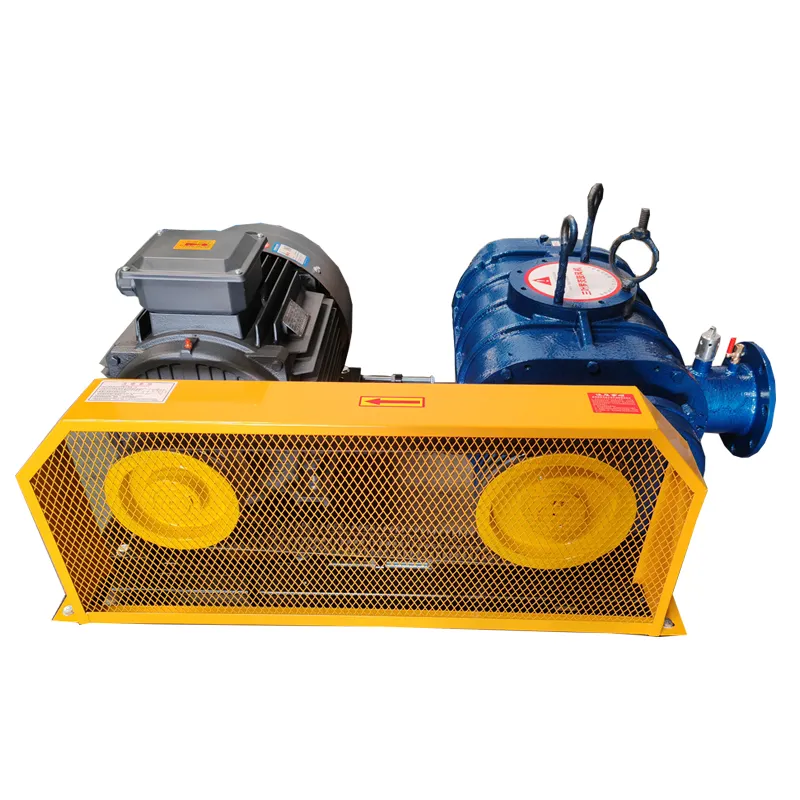
Fish farm air pump system reliability directly impacts farm profitability and operational stability. Inadequate aeration creates anaerobic conditions that harm fish and degrade water chemistry, while an effective fish farm air pump system maintains optimal dissolved oxygen levels and supports microbial balance. Aquaculture oxygen delivery solutions must handle varying pond depths, fish densities, and seasonal temperature changes without interruption, ensuring consistent performance year-round and protecting your investment in fish stock and infrastructure.
Oxygen Demand in Modern Fish Farming Operations
Understanding Fish Oxygen Requirements
Fish consume oxygen through their gills, and their metabolic demand increases with water temperature, feeding rates, and stocking density. In intensive aquaculture systems, oxygen depletion happens rapidly without active aeration. Warm water holds less dissolved oxygen, making summer months particularly critical for maintaining adequate oxygen delivery. When oxygen drops below species-specific thresholds, fish become stressed, stop feeding, and become vulnerable to disease. Pond aeration equipment must work continuously to prevent these dangerous conditions and maintain water quality parameters within safe ranges.
Scale and Intensity of Modern Aquaculture
Commercial fish farms operate at high stocking densities to maximize production per unit area, intensifying oxygen demand significantly. A single fish farm may contain thousands or tens of thousands of fish in relatively confined spaces, creating oxygen consumption rates that passive diffusion cannot meet. The fish farm air pump system must be sized appropriately for the specific pond volume, fish species, and production targets to deliver adequate oxygen continuously. Undersized equipment leads to hypoxic stress, while oversized systems waste energy and increase operational costs. Selecting the correct aquaculture oxygen delivery solution requires careful assessment of farm-specific conditions and biological demands.
Mechanical Advantages of Roots Blower Technology
Positive Displacement for Consistent Airflow
Roots blowers operate on positive displacement principles, delivering fixed volume airflow regardless of pressure fluctuations in the pond system. Unlike centrifugal blowers that lose efficiency at higher backpressure, pond aeration equipment using roots blower technology maintains steady output across varying operating conditions. This consistency proves critical in aquaculture because it ensures reliable oxygen delivery even as water levels, aeration stone clogging, or piping resistance changes. The fish farm air pump system design minimizes energy waste and provides the predictable performance that fish health and survival depend upon.
Durability Under Continuous Operation
Commercial aquaculture requires non-stop aeration throughout the farming cycle, often 24 hours daily for months at a time. Roots blower construction with robust cast iron rotors and precision bearings withstands continuous duty cycles that would damage less rugged equipment. The mechanical simplicity of positive displacement design means fewer wear points and lower maintenance burden compared to complex centrifugal systems. An aquaculture roots blower rated for continuous duty provides years of reliable service, reducing unexpected downtime and emergency repair costs. This durability directly supports the reliability that fish farm operations require to protect stock health and financial performance.
Integration with Pond Aeration Strategies
Multi-Location and Multi-Stage Aeration
Effective pond aeration equipment configurations often employ multiple diffusion points throughout the pond to ensure uniform oxygen distribution and prevent dead zones where fish congregate. A single fish farm air pump system may drive air to different depths and locations via branching pipework and multiple diffusers, creating circulation patterns that reduce stratification and maintain consistent water quality. Roots blower technology scales effectively across single and multi-stage applications because its fixed displacement output provides predictable performance for manifold systems. This flexibility allows farm managers to optimize oxygen delivery based on pond geometry, seasonal conditions, and fish behavior patterns.
Emergency Backup and System Redundancy
Fish kills from aeration failure represent catastrophic losses in aquaculture operations, making system redundancy essential for responsible farm management. Many commercial farms install backup aquaculture roots blower units that activate automatically if the primary fish farm air pump system fails, ensuring continuous oxygen delivery even during maintenance or equipment breakdown. Dual-blower configurations protect fish stock during equipment servicing and provide peace of mind for farm operators managing high-value inventory. The investment in redundant pond aeration equipment and aquaculture oxygen delivery solution infrastructure pays for itself many times over by preventing single-point-of-failure scenarios that could devastate an entire farming operation.
Economic and Environmental Performance
Energy Efficiency and Operating Cost Reduction
Operating costs consume significant farm budgets, and aeration energy typically represents 30 to 50 percent of total operational expenses in intensive aquaculture. An efficient aquaculture roots blower consumes less electrical power while delivering the required oxygen output, directly reducing monthly utility bills and improving profitability. Modern pond aeration equipment with variable frequency drive controls allows operators to adjust airflow based on real-time dissolved oxygen monitoring, preventing over-aeration during cool months or low-density periods. Optimizing the fish farm air pump system reduces both energy consumption and carbon footprint while maintaining the aquaculture oxygen delivery solution performance that fish health requires.
Sustainability and Environmental Responsibility
Commercial aquaculture faces increasing scrutiny regarding environmental impact, and efficient aeration systems demonstrate commitment to sustainable operations. Lower energy consumption means reduced grid demand and lower greenhouse gas emissions associated with electricity generation. Reliable pond aeration equipment that maintains proper oxygen levels prevents anaerobic conditions that generate methane and hydrogen sulfide, harmful gases that damage local air quality. An effective aquaculture oxygen delivery solution supports environmental stewardship while meeting production targets, proving that economic performance and environmental responsibility work together in modern fish farming.
FAQ
What size aquaculture roots blower do I need for my fish farm?
Blower sizing depends on your pond volume, fish species, stocking density, and desired oxygen delivery rate. Most experts recommend calculating oxygen demand based on your specific fish biomass and selecting pond aeration equipment rated for 1.5 to 2 times the minimum calculated need. Consulting with aquaculture engineers or equipment specialists ensures you select a fish farm air pump system correctly sized for your operation and prevents both undersizing and unnecessary over-specification.
How often does aquaculture roots blower equipment require maintenance?
Routine maintenance of an aquaculture roots blower typically includes checking oil levels, inspecting bearings, and cleaning intake filters at intervals specified by the manufacturer, usually monthly or quarterly depending on duty cycle and local water conditions. More intensive servicing like bearing replacement may occur every 2 to 5 years based on continuous operation demands. Proper preventive maintenance of your pond aeration equipment extends equipment life, prevents unexpected failures, and ensures consistent aquaculture oxygen delivery solution performance throughout the farming season.
Can a single fish farm air pump system serve multiple ponds?
Yes, properly sized pond aeration equipment can distribute air to multiple ponds through manifold piping systems and branch diffusers. However, each pond requires adequate oxygen delivery based on its specific volume and fish load, and manifold systems must balance airflow appropriately across all connected locations. Many farms find that individual aquaculture oxygen delivery solution units per pond provide better control and reliability than shared multi-pond configurations, particularly when fish densities or species differ between ponds.