
 EN
EN
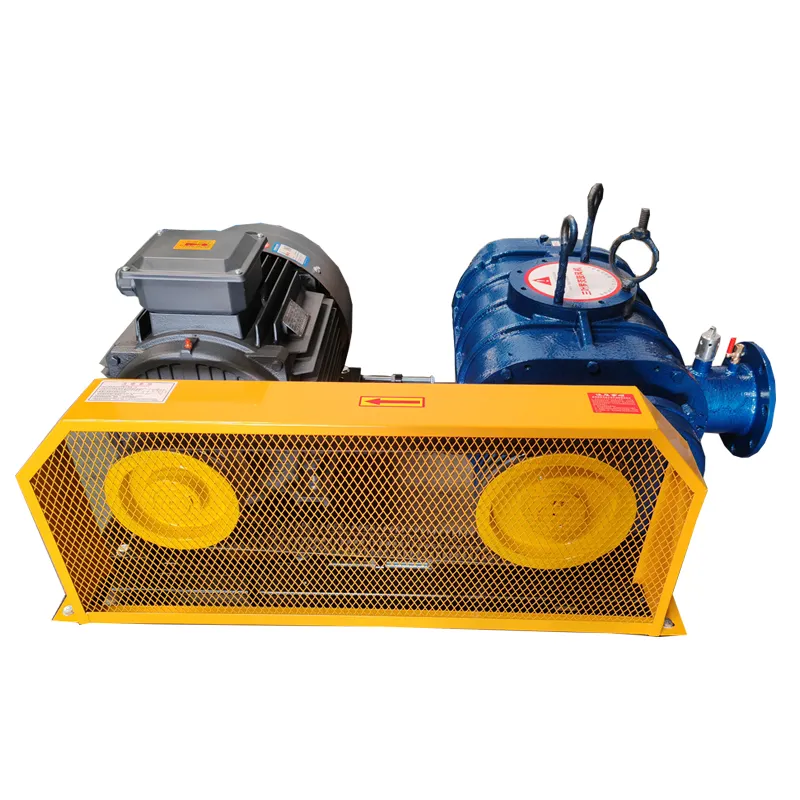
Industrial vacuum systems demand reliability, efficiency, and consistent performance under demanding conditions. When selecting equipment for your operations, the roots blower vacuum pump stands out as a superior choice for numerous applications. This technology combines proven engineering principles with practical advantages that directly impact your production schedules, maintenance costs, and operational uptime. Understanding why this equipment excels requires examining its design philosophy, operational characteristics, and real-world performance in industrial settings.
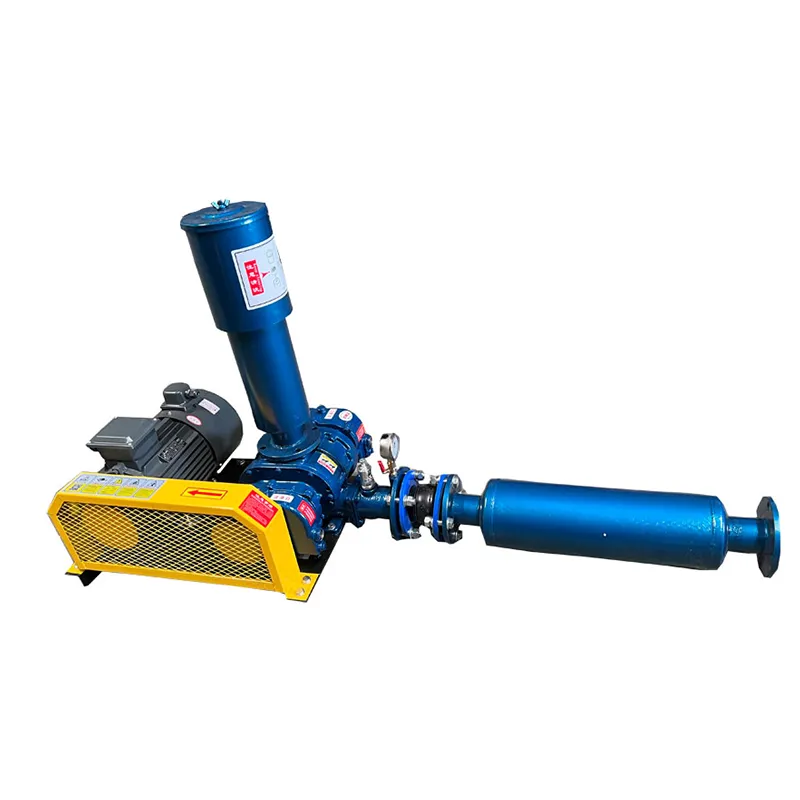
A roots blower vacuum pump represents a positive displacement vacuum pump technology that has been refined over decades of industrial use. Unlike centrifugal designs that rely on impeller speed to generate vacuum, rotary lobe blower specifications emphasize the mechanical displacement of gas through synchronized rotating lobes. This fundamental difference delivers tangible benefits in applications ranging from material handling and pneumatic conveying to packaging, chemical processing, and food manufacturing. The decision to invest in this equipment type ultimately depends on matching the pump's strengths to your specific operational requirements and performance expectations.
Core Operating Principles and Efficiency Advantages
How Positive Displacement Technology Works
The positive displacement vacuum pump applications category includes various pump designs that move a fixed volume of gas per revolution. A roots blower operates by trapping gas between two figure-eight shaped rotating lobes and the pump housing, then mechanically displacing that gas toward the discharge port. This displacement action maintains constant volumetric flow regardless of inlet pressure fluctuations, which is particularly valuable in industrial environments where vacuum levels and load conditions vary. The rotary lobe blower specifications determine the volumetric displacement per revolution, measured in cubic feet per minute or cubic meters per hour at standard conditions. This predictability makes sizing and system design straightforward compared to velocity-dependent pump types.
Efficiency gains emerge because the roots blower vacuum pump does not require high-speed operation to generate adequate vacuum levels. The mechanical nature of positive displacement means the pump delivers performance consistently across its operating range. This translates to reduced motor wear, lower energy consumption patterns, and extended service intervals compared to competing technologies. Industrial vacuum system maintenance becomes simpler because the pump operates at moderate speeds, experiences less vibration, and generates lower peak temperatures during normal duty cycles.
Capacity and Performance Under Load
Industrial applications demand reliable performance when system conditions change. A positive displacement vacuum pump applications scenario often involves rapid load changes, extended runtime periods, or exposure to challenging gases. The roots blower vacuum pump handles these demands effectively because its displacement remains constant. When downstream demand increases, the pump supplies the necessary volume without degradation. When inlet pressure rises slightly, the displacement mechanism continues functioning without cavitation or performance loss. The rotary lobe blower specifications include design features that minimize bypass leakage between lobes and the housing, ensuring the pump delivers rated performance over its entire lifespan.
Reliability and Maintenance Advantages in Industrial Environments
Durability and Design Robustness
Industrial operations prioritize uptime and predictable costs. A roots blower vacuum pump achieves this through straightforward mechanical design that lacks complex internal passages, tight tolerances, or high-speed bearing arrangements. The twin rotating lobes operate in synchronization without making direct contact, eliminating wear points that plague some competing pump designs. Industrial vacuum system maintenance schedules remain manageable because routine service involves straightforward tasks like filter changes, oil checks, and seal inspections rather than complex internal rebuilds. The positive displacement vacuum pump applications market values this reliability because unplanned downtime directly impacts production schedules and profitability.
The rotary lobe blower specifications emphasize material selection and manufacturing precision that withstand temperature extremes and chemical exposure. Stainless steel or ductile iron constructions resist corrosion in humid or chemically aggressive environments. Standard bearing arrangements tolerate moderate misalignment and operational variations that would damage precision-dependent pump designs. This ruggedness means industrial vacuum system maintenance becomes predictable rather than emergency-driven, allowing operations to budget effectively and maintain production confidence.
Extended Service Life and Cost Management
The total cost of pump ownership extends far beyond the initial equipment purchase. A roots blower vacuum pump minimizes lifecycle costs through inherent design advantages. Lower operating speeds reduce mechanical stress on components, extending bearing life and seal durability. The absence of internal cavitation or performance degradation under load means the pump maintains consistent displacement and efficiency throughout its operational life. Industrial vacuum system maintenance intervals remain extended because the mechanical design avoids wear mechanisms that accelerate failure in other pump types.
Rotary lobe blower specifications commonly include integral oil cooling and circulation systems that regulate operating temperatures within safe ranges. This temperature management protects seal materials and lubricants, further extending service intervals. The positive displacement vacuum pump applications scenario involving continuous duty operation particularly benefits from this thermal stability. Organizations can justify higher initial equipment investment based on substantially reduced maintenance costs, fewer replacement cycles, and improved production uptime over the pump's operational lifetime.
Practical Industrial Applications and System Integration
Material Handling and Pneumatic Conveying Systems
Many industrial processes depend on pneumatic conveying to transport granular materials, powders, or lightweight components efficiently. The positive displacement vacuum pump applications in this sector require sustained vacuum levels and consistent volumetric capacity. A roots blower vacuum pump delivers both characteristics reliably, maintaining transport velocity and system pressure throughout production runs. Whether moving flour in a bakery, conveying plastic pellets in manufacturing, or handling recycled materials, the rotary lobe blower specifications provide the steadiness that prevents material bridging, promotes even product flow, and ensures process consistency.
Industrial vacuum system maintenance in conveying applications remains straightforward because the roots blower vacuum pump operates at moderate speeds and produces less heat than high-velocity alternatives. Downstream filtration systems remain cleaner longer due to the pump's mechanical efficiency, reducing filter replacement frequency and system downtime. The positive displacement vacuum pump applications benefit from the pump's ability to handle product dust and particulate matter without internal degradation.
Packaging and Food Processing Operations
Food processing and packaging facilities require equipment that maintains sanitary conditions and operates reliably in demanding environments. The roots blower vacuum pump excels in vacuum packaging lines, form-fill-seal operations, and product preservation applications. Rotary lobe blower specifications include stainless steel or nickel-plated components that resist corrosion from moisture and cleaning agents. The positive displacement vacuum pump applications in food industries benefit from the pump's ability to maintain consistent vacuum levels during rapid cycling and product changeovers. Industrial vacuum system maintenance procedures remain compatible with food safety protocols because the equipment design minimizes contamination points and allows thorough cleaning without disassembly.
FAQ
How does a roots blower vacuum pump differ from other vacuum pump technologies?
A roots blower vacuum pump operates as a positive displacement device where rotating lobes trap and mechanically displace gas toward the discharge port. This differs fundamentally from centrifugal vacuum pumps that rely on impeller speed, or from rotary vane designs with moving seals. The positive displacement vacuum pump applications category offers constant volumetric flow independent of inlet pressure, whereas velocity-based pumps experience performance degradation under varying load conditions. Rotary lobe blower specifications ensure predictable displacement, straightforward capacity calculations, and stable performance across operational ranges.
What industrial vacuum system maintenance costs should operations expect?
Industrial vacuum system maintenance for a roots blower vacuum pump typically involves periodic oil changes, filter replacements, and routine seal inspections following the manufacturer's schedule. Because the equipment operates at moderate speeds without high-temperature stress, maintenance intervals often extend 2,000 to 4,000 operating hours compared to 500 to 1,000 hours for some competing pump types. The positive displacement vacuum pump applications benefit from simplified service procedures that operations can often perform in-house without specialized technicians. Rotary lobe blower specifications and design simplicity mean repair costs remain predictable and spare parts availability remains consistent across multiple equipment generations.
Can a roots blower vacuum pump handle challenging gases or continuous-duty applications?
Yes, the roots blower vacuum pump handles continuous-duty applications effectively because the mechanical design generates minimal heat and experiences consistent stress regardless of volumetric demands. Positive displacement vacuum pump applications involving continuous operation particularly benefit because the pump maintains performance without thermal degradation. The rotary lobe blower specifications include oil cooling systems that regulate operating temperatures, protecting seals and lubricants. Industrial vacuum system maintenance schedules remain extended even under continuous duty because the steady-state operation eliminates the thermal cycling and stress peaks that accelerate wear in other pump designs.