
 EN
EN
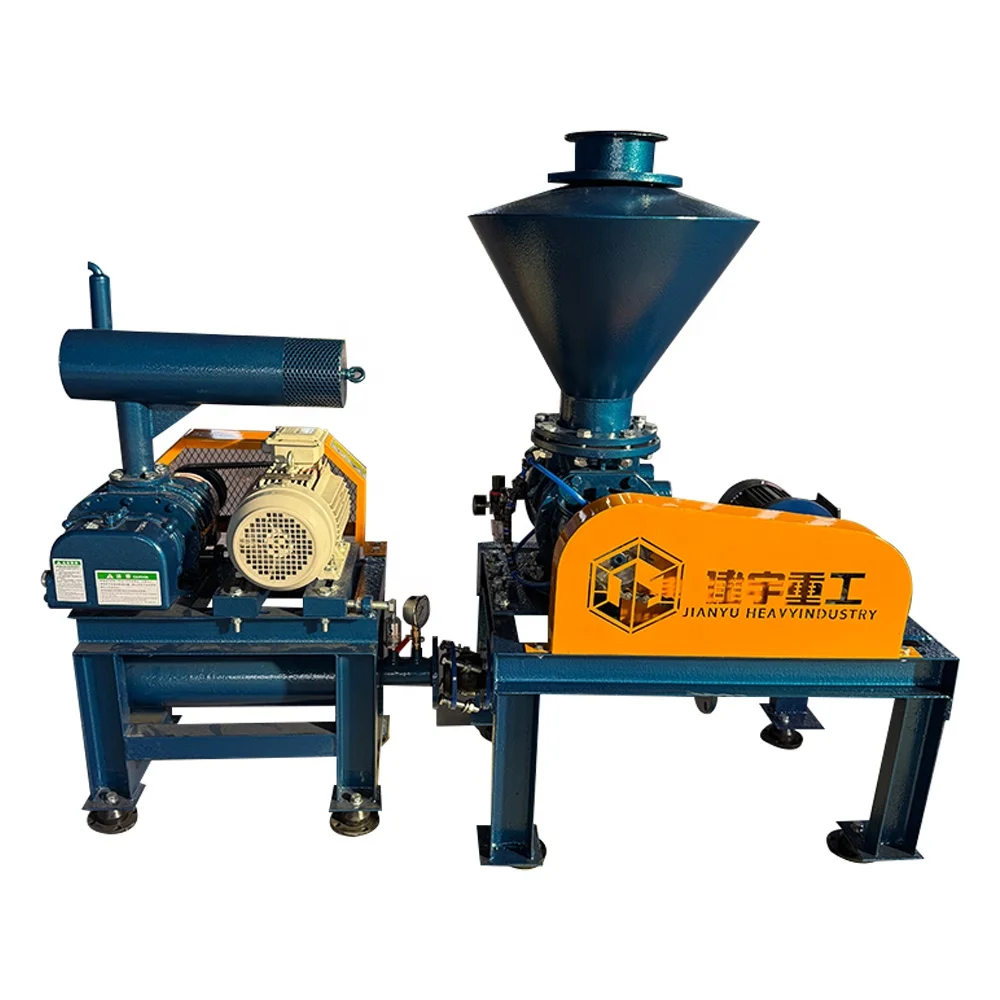
Low-pressure applications demand equipment that can deliver consistent, reliable airflow even when operating in constrained conditions. A rotary lobe blower excels in these demanding scenarios by using positive displacement technology to move fixed volumes of air with each rotation, regardless of downstream pressure variations. Unlike centrifugal designs that struggle when backpressure increases, rotary lobe blowers maintain steady performance across fluctuating load conditions. This fundamental advantage makes them the preferred choice for wastewater aeration, pneumatic conveying, vacuum systems, and other low-pressure industrial applications where dependability is essential.
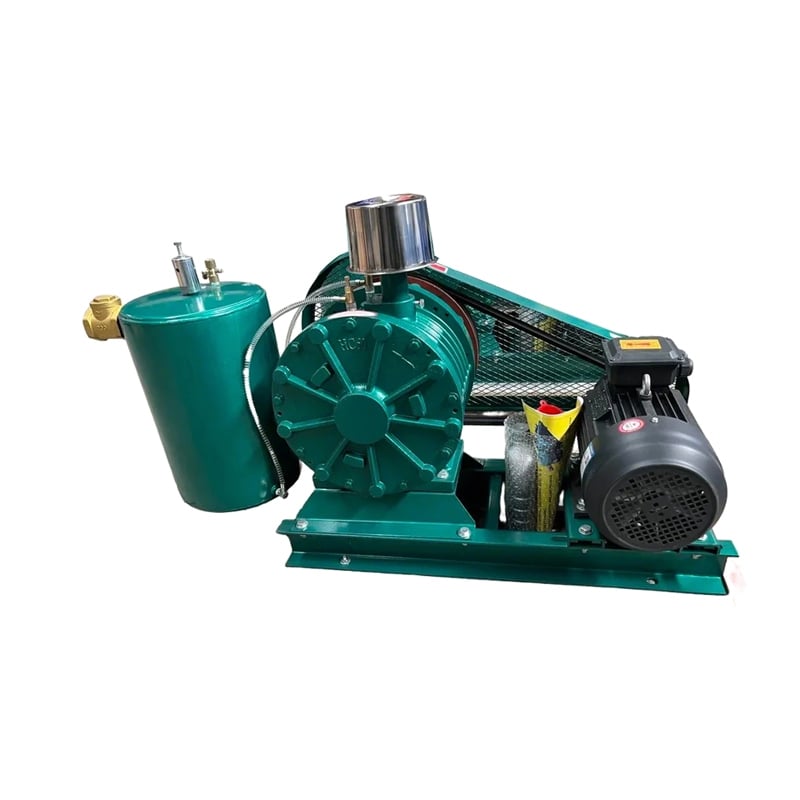
Understanding how a rotary lobe blower handles low-pressure work requires insight into its mechanical design and operational principles. The device features two interlocking lobes that rotate in opposite directions within a cylindrical housing, creating expanding and contracting chambers that trap and discharge air volumes methodically. This positive displacement mechanism ensures that every rotation delivers a predictable amount of air, making rotary lobe blower performance stable and repeatable regardless of system impedance or load fluctuations typical in demanding low-pressure environments.
Core Operating Principles in Low-Pressure Service
Positive Displacement Technology and Pressure Stability
The defining characteristic of positive displacement blower applications lies in their ability to maintain airflow independent of outlet pressure. When a rotary lobe blower operates in low-pressure service, the lobes continuously trap air and force it into the discharge line at a rate determined solely by rotational speed. This means that even as downstream resistance increases or system conditions change, the blower does not slow down or reduce output. Unlike centrifugal designs that experience performance drops under pressure changes, positive displacement blower applications deliver consistent volume output, making them ideal for wastewater treatment, aeration ponds, and applications where pressure stability is critical for process performance.
Load Handling and Pressure Relief
A rotary lobe blower operates within safe pressure ranges through internal clearances and relief mechanisms. In low-pressure work, the modest backpressure allows the blower to operate efficiently without thermal stress. However, if pressure rises unexpectedly, relief valves or design-in clearances prevent equipment damage by allowing controlled air bypass. This pressure-handling capability makes positive displacement blower applications suitable for systems with variable load patterns, ensuring the equipment survives unexpected surges while maintaining reliable service. Understanding these relief mechanisms is essential when specifying rotary lobe blower systems for applications prone to intermittent high-load conditions.
Rotary Lobe Blower Maintenance and Troubleshooting Essentials
Routine Maintenance for Extended Service Life
Effective rotary lobe blower maintenance and troubleshooting begins with preventive care routines that preserve mechanical precision and thermal stability. Oil changes at manufacturer intervals prevent bearing wear and keep internal clearances within specification. Air filters must be inspected and replaced regularly because contamination accelerates lobe wear and increases vibration. Belt and coupling alignment should be verified quarterly to prevent premature failure and maintain efficient energy transfer. Monitoring discharge temperature provides early warning of developing problems; steady-state temperatures above design limits suggest filter clogging, bearing degradation, or inadequate cooling, all conditions that demand prompt investigation. Establishing a structured rotary lobe blower maintenance and troubleshooting schedule prevents unexpected downtime and extends equipment life significantly.
Diagnosing Common Performance Issues
When a rotary lobe blower exhibits reduced output, unusual noise, or thermal runaway, systematic diagnosis using rotary lobe blower maintenance and troubleshooting protocols identifies root causes quickly. Low output often traces to inlet filter obstruction, worn discharge seals, or internal lobe wear permitting slip. Grinding sounds typically indicate bearing failure or lobe contact resulting from seal wear. Excessive temperature rise signals inadequate cooling airflow, internal friction from contamination, or bearing problems. Documenting baseline performance data during commissioning enables technicians to recognize performance degradation early and schedule maintenance before catastrophic failure. Proactive rotary lobe blower maintenance and troubleshooting reduces energy waste and maintains system reliability in demanding applications.
Rotary Lobe Blower vs Centrifugal Blower Comparison in Low-Pressure Duty
Performance Characteristics Across Operating Ranges
A rotary lobe blower vs centrifugal blower comparison reveals critical differences in how each technology responds to low-pressure service demands. Rotary lobe designs deliver consistent airflow regardless of outlet pressure, making them superior when system resistance varies or load fluctuates. Centrifugal blowers, by contrast, experience significant performance degradation as pressure increases, reducing efficiency and output. The rotary lobe blower vs centrifugal blower comparison also shows that positive displacement designs handle intermittent blockages better, since the fixed displacement mechanism does not stall. In wastewater aeration and pneumatic conveying where pressure stability is essential, positive displacement blower applications using rotary lobe technology consistently outperform centrifugal alternatives in reliability and steady-state performance.
Energy Efficiency and Operational Costs
The rotary lobe blower vs centrifugal blower comparison regarding energy consumption depends heavily on application pressure profile. Centrifugal blowers operate more efficiently at high pressures where fluid dynamics principles dominate, but their efficiency plummets in low-pressure service dominated by friction and turbulent losses. Rotary lobe designs maintain reasonable efficiency across wider pressure ranges because displacement is constant and losses scale predictably. Operating cost analysis must account for motor efficiency, maintenance frequency, seal life, and thermal management. In low-pressure applications, the rotary lobe blower vs centrifugal blower comparison typically favors positive displacement designs when total cost of ownership, including downtime and maintenance labor, replaces simple purchase price as the decision metric. Selecting the appropriate positive displacement blower applications technology from the start prevents expensive retrofits and operational inefficiency.
FAQ
Why does a rotary lobe blower maintain consistent performance in low-pressure applications when centrifugal units falter?
A rotary lobe blower uses positive displacement technology where fixed-volume lobes deliver the same airflow per revolution regardless of outlet pressure. Centrifugal blowers, conversely, rely on increasing rotational speed to overcome pressure, causing performance to degrade when backpressure rises. In low-pressure service, the rotary lobe blower advantage emerges because system resistance remains modest and predictable, creating ideal conditions for positive displacement mechanisms. The rotary lobe blower vs centrifugal blower comparison clearly shows that low-pressure applications benefit enormously from the pressure-independence characteristic inherent to positive displacement blower applications.
What maintenance intervals should guide rotary lobe blower maintenance and troubleshooting schedules?
Standard rotary lobe blower maintenance and troubleshooting protocols recommend oil changes every 1,000 to 2,000 operating hours depending on duty cycle and manufacturer guidelines. Air filters require inspection monthly and replacement when pressure drop exceeds specification limits. Belt tension and coupling alignment should be verified quarterly, and bearing condition assessed during routine maintenance visits. Discharge temperature monitoring during each shift provides continuous diagnostic feedback; sustained elevation above design operating range signals problems warranting immediate rotary lobe blower maintenance and troubleshooting investigation. Maintaining detailed service records enables predictive maintenance strategies that prevent costly unexpected failures.
How do positive displacement blower applications compare economically to alternatives over the equipment lifetime?
Total cost of ownership analysis for positive displacement blower applications must include motor efficiency, maintenance labor frequency, seal and bearing replacement intervals, energy consumption, and downtime impact. While positive displacement blower applications may have higher initial capital cost, their consistent performance in low-pressure duty, reduced maintenance complexity, and predictable spare parts requirements often result in lower lifetime costs compared to alternatives. A rotary lobe blower vs centrifugal blower comparison using five-year cost analysis frequently demonstrates that positive displacement blower applications deliver superior economic value in applications with variable pressure profiles or frequent load fluctuations, justifying the rotary lobe investment.
Table of Contents
- Core Operating Principles in Low-Pressure Service
- Rotary Lobe Blower Maintenance and Troubleshooting Essentials
- Rotary Lobe Blower vs Centrifugal Blower Comparison in Low-Pressure Duty
-
FAQ
- Why does a rotary lobe blower maintain consistent performance in low-pressure applications when centrifugal units falter?
- What maintenance intervals should guide rotary lobe blower maintenance and troubleshooting schedules?
- How do positive displacement blower applications compare economically to alternatives over the equipment lifetime?