
 EN
EN
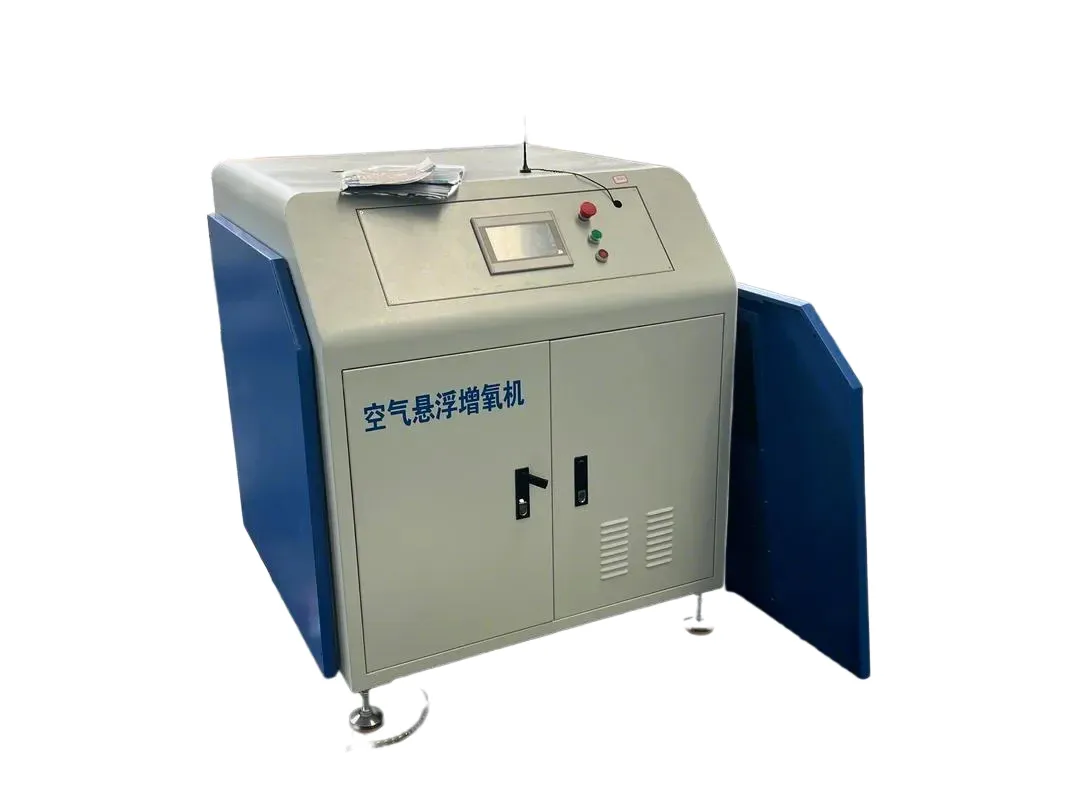
Municipal treatment plants depend on reliable equipment to maintain water quality and regulatory compliance. An aeration air blower serves as the backbone of biological treatment processes, directly influencing treatment efficiency, energy consumption, and operational success. Understanding how these systems perform is essential for plant managers seeking to optimize processes and reduce costs.
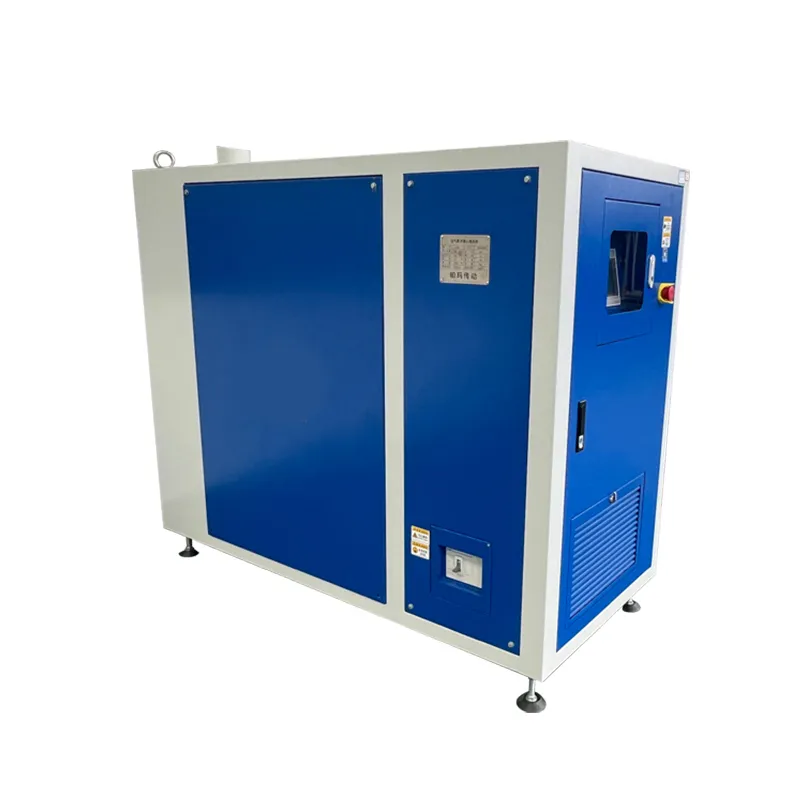
Treatment plants handle millions of gallons daily, requiring continuous biological activity to break down contaminants. A properly functioning aeration system ensures adequate dissolved oxygen reaches microorganisms throughout treatment basins. This fundamental process drives treatment effectiveness, regulatory adherence, and overall plant reliability.
Oxygen Transfer and Treatment Efficiency
How Oxygen Transfer Drives Microbial Activity
The primary function of an aeration air blower is delivering oxygen to treatment basins where microorganisms consume organic matter. These aerobic bacteria and protozoa require continuous oxygen availability to perform biological degradation. When dissolved oxygen concentrations fall below optimal levels, treatment efficiency declines, potentially causing effluent quality violations and regulatory penalties.
Oxygen transfer efficiency directly correlates with blower performance characteristics. A pond aeration system or air pump for water features operates on similar principles, though municipal applications demand higher capacity and reliability. The blower moves air through diffusers submerged in basins, creating contact between oxygen and wastewater. Superior design minimizes energy waste while maximizing oxygen dissolution rates.
Balancing Dissolved Oxygen Levels
Treatment operators maintain dissolved oxygen within specific ranges, typically 2 to 4 milligrams per liter in activated sludge systems. Too little oxygen creates anaerobic conditions, allowing filamentous bacteria to proliferate and causing bulking issues. Excessive oxygen raises energy costs unnecessarily. An oxygen diffuser for aquaculture environments works similarly, requiring precise control to maintain fish health and water clarity.
Modern aeration air blower systems incorporate variable frequency drives and dissolved oxygen sensors to maintain optimal conditions automatically. This dynamic control prevents waste while ensuring consistent treatment performance. Operators benefit from improved stability and reduced manual adjustments throughout daily operations.
Energy Efficiency and Operational Economics
Reducing Energy Costs Through Optimized Performance
Aeration typically consumes 40 to 50 percent of municipal plant energy budgets. An inefficient aeration air blower drives electricity costs dramatically higher, impacting facility budgets year after year. Modern positive displacement blowers reduce energy consumption by delivering required air volumes at lower pressures compared to older centrifugal designs. This efficiency translates directly to measurable cost savings.
A pond aeration system or industrial air pump for water features shares similar energy considerations, though municipal applications operate at significantly larger scales. Treatment plants processing millions of gallons daily amplify efficiency gains across thousands of operating hours annually. Upgrading to high-performance equipment often pays for itself through energy savings within three to five years.
Maintenance and Reliability Considerations
Equipment failures create immediate operational crises in treatment plants, potentially causing permit violations and public health risks. Reliable aeration air blower systems minimize downtime through robust design, accessible maintenance components, and predictable performance. Advanced bearing designs, corrosion-resistant materials, and simplified service procedures extend equipment life while reducing maintenance costs.
Treatment plant managers recognize that equipment reliability directly impacts operational stress and compliance confidence. When aeration systems operate consistently, biological processes remain stable, effluent quality improves, and regulatory relationships strengthen. Plants using oxygen diffuser systems specifically designed for sustained municipal duty benefit from engineering optimized for demanding continuous operation.
System Integration and Performance Optimization
Diffuser Selection and Basin Design Compatibility
The aeration air blower performance depends partly on how effectively air distributes throughout treatment basins. Proper diffuser selection, basin mixing patterns, and air delivery pathways determine oxygen transfer efficiency. A poorly matched aeration system wastes blower capacity, while well-integrated designs extract maximum performance from available equipment. Treatment engineers spend considerable effort optimizing these relationships during facility design and renovation projects.
Diffuser types range from fine bubble systems in shallow basins to coarse bubble arrangements in deep tanks. Each configuration requires specific air delivery pressures and volumes. A pond aeration system or air pump for water features may employ simpler diffuser arrangements, but municipal applications demand sophisticated matching between equipment and basin hydraulics. Oxygen diffuser for aquaculture installations also require careful design, though typically at smaller scales than municipal facilities.
Control Systems and Real-Time Adjustments
Modern treatment plants integrate dissolved oxygen sensors, flow meters, and pressure transducers throughout aeration systems. These sensors feed data to programmable logic controllers that automatically adjust blower speed and diffuser valve positions. This real-time optimization maintains ideal treatment conditions while minimizing energy consumption during fluctuating influent loads.
Advanced control enables treatment plants to respond dynamically to incoming wastewater variations. Peak flows receive maximum aeration, while low-flow periods reduce blower speed, conserving energy without compromising biological treatment. This adaptive capability separates modern facilities from older fixed-speed systems. Treatment operators report improved stability, consistent effluent quality, and significantly reduced energy bills after implementing smart aeration air blower controls.
FAQ
What dissolved oxygen concentrations should municipal treatment plants maintain?
Most activated sludge systems operate optimally with dissolved oxygen levels between 2 and 4 milligrams per liter. Specific values depend on treatment process type, microorganism species, and regulatory requirements. Advanced pond aeration system and oxygen diffuser designs maintain these concentrations reliably, while operators use real-time sensors to monitor and adjust conditions continuously throughout daily operations.
How much energy does aeration typically consume in treatment plants?
Aeration accounts for 40 to 50 percent of total facility energy consumption at most municipal treatment plants. This substantial portion makes equipment efficiency critically important for operational budgets. Upgrading to modern aeration air blower technology with variable frequency drives often reduces this cost category by 20 to 30 percent, representing significant annual savings for large facilities processing millions of gallons daily.
Can treatment plants reduce aeration requirements through improved basin design?
Yes, optimized basin geometry, improved mixing patterns, and strategic diffuser placement reduce required aeration air pump capacity while maintaining treatment performance. Some facilities incorporate sequential batch reactors or membrane bioreactors that use aeration more efficiently. Similarly, pond aeration systems and oxygen diffuser arrangements benefit from design optimization, though operational constraints often limit modification possibilities in existing installations.