
 EN
EN
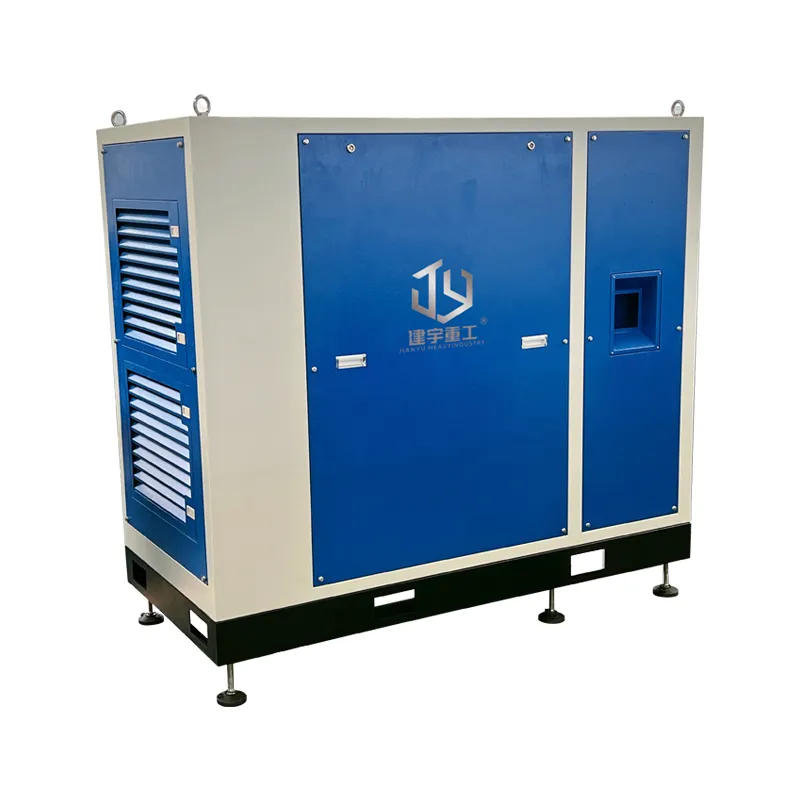
Maintaining optimal water quality is essential for successful aquaculture operations, and one of the most critical factors is dissolved oxygen levels. An aeration air blower serves as a cornerstone technology in modern fish farming, directly influencing fish health, growth rates, and overall system productivity. Without adequate oxygen circulation, aquaculture systems quickly become inhospitable environments where stress, disease, and mortality rates climb dramatically.
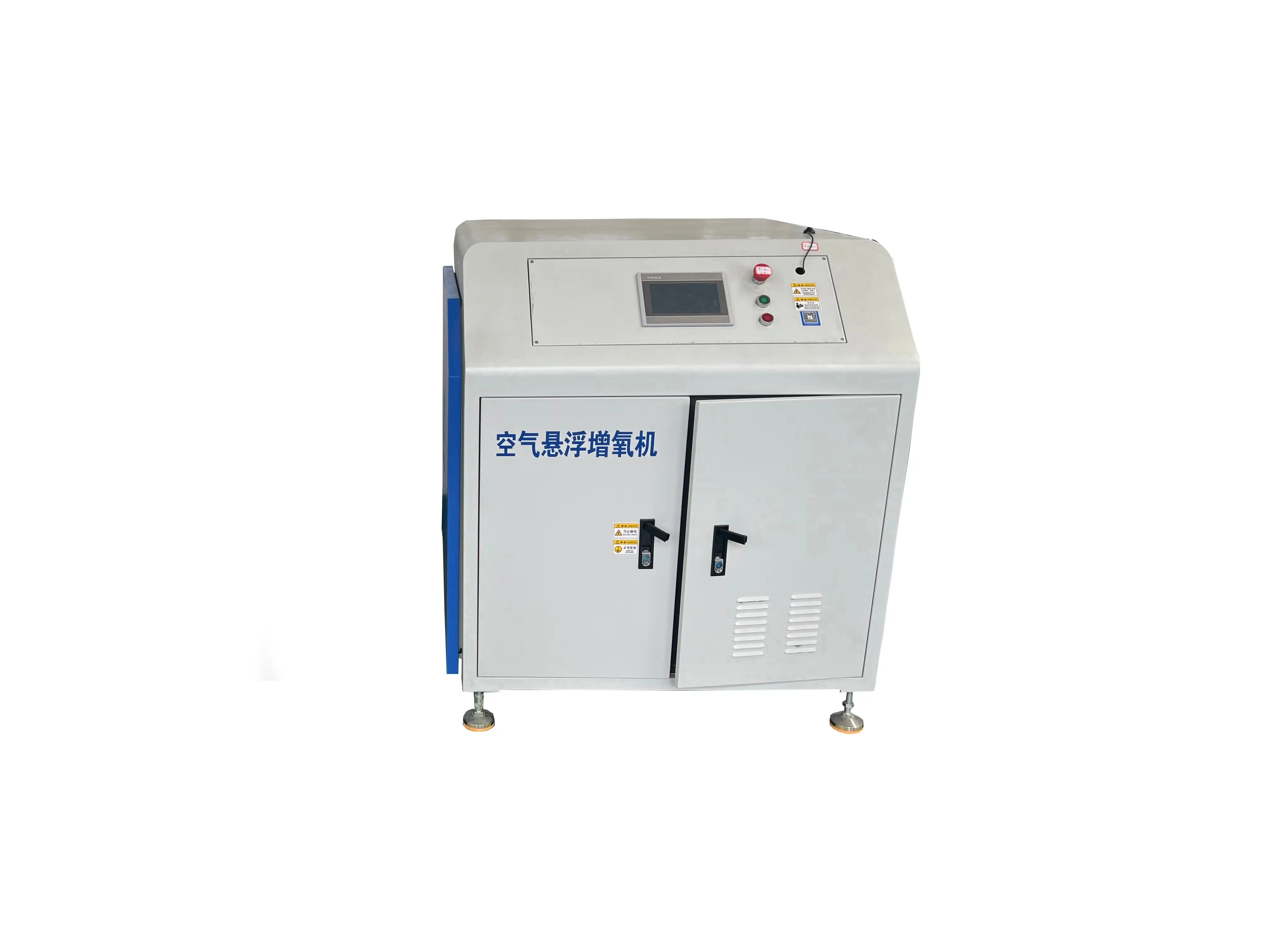
The implementation of a robust pond aeration system transforms water management practices in aquaculture facilities and represents a significant investment in operational success. A properly designed aeration air blower ensures consistent aquatic oxygen circulation throughout the entire water column, preventing stagnant zones where harmful anaerobic bacteria accumulate and create toxic conditions. This technology has become indispensable for commercial operations ranging from small-scale farms to large industrial installations seeking reliable performance and sustainable growth. Modern aeration systems incorporate sophisticated engineering that optimizes oxygen transfer efficiency while minimizing energy consumption.
Enhanced Water Quality and Fish Health
Oxygen Levels and Metabolic Function
Fish require dissolved oxygen to sustain basic metabolic processes, and insufficient levels directly compromise immune function and disease resistance. A quality pond aeration system maintains oxygen saturation at levels that support vigorous fish activity and natural feeding behavior. When aquatic oxygen circulation operates efficiently, fish experience reduced stress, improved appetite, and stronger resistance to common pathogens. Research shows that fish populations in well-oxygenated environments exhibit enhanced growth rates of 15-30 percent compared to facilities with inadequate aeration.
Waste Decomposition and Ammonia Control
Aquaculture operations generate substantial organic waste through feed residue, uneaten food particles, and fish metabolic byproducts that accumulate continuously. Wastewater treatment aeration equipment breaks down these materials through aerobic decomposition processes, effectively preventing toxic ammonia and nitrite accumulation. By promoting aerobic microbial activity in both the water column and substrate, an aeration air blower reduces the need for frequent water exchanges and chemical treatments. Facilities equipped with modern aeration systems report ammonia level reductions of 40-60 percent compared to non-aerated systems, dramatically improving environmental safety.
Economic and Operational Advantages
Improved Feed Conversion and Growth Performance
Fish in well-oxygenated environments exhibit superior feed conversion ratios because they allocate less metabolic energy toward stress responses and immune function maintenance. Consistent aquatic oxygen circulation supports higher stocking densities, allowing farmers to maximize production per unit volume of water without compromising health outcomes or system stability. Commercial operations implementing advanced aeration strategies typically achieve 25-40 percent higher production volumes within the same facility footprint, providing substantial competitive advantages in increasingly crowded markets.
Reduced Disease Pressure and Mortality
Pathogenic microorganisms and parasites flourish in stagnant, oxygen-poor water where biofilm accumulation creates ideal conditions for disease transmission. An effective aeration air blower minimizes these conditions by maintaining dynamic oxygen distribution throughout the system and preventing biofilm accumulation on tank surfaces. Lower disease incidence reduces reliance on pharmaceutical interventions and preventative treatments while supporting sustainability standards. Facilities reporting comprehensive monitoring data indicate that proper aeration reduces disease-related mortality by 30-50 percent, substantially improving both economic performance and animal welfare outcomes.
Environmental and Regulatory Compliance
Sustainable Production Practices
Environmental regulations increasingly mandate minimum dissolved oxygen standards for aquaculture discharge worldwide. A properly maintained pond aeration system ensures compliance with these requirements while reducing environmental footprint. Aquatic oxygen circulation technology aligns aquaculture production with responsible stewardship principles, protecting receiving water bodies from pollution while demonstrating commitment to regulatory agencies and market stakeholders.
Wastewater Treatment and System Stability
Wastewater treatment aeration equipment integrated into recirculating systems enables biological treatment of culture water before discharge or reuse. This approach reduces pollution risk, minimizes water consumption in water-scarce regions, and supports circular economy principles. Farmers employing advanced aeration technology create resilient operations that withstand environmental pressures. Recirculating aquaculture systems (RAS) equipped with modern aeration solutions achieve water reuse rates of 90-99 percent, dramatically reducing freshwater consumption.
FAQ
How often should I service my aeration air blower system?
Regular maintenance schedules depend on equipment type and operating conditions, typically ranging from quarterly inspections to monthly filter cleanings to ensure optimal performance. Most manufacturers recommend annual professional servicing to verify seal integrity, identify wear patterns, and address potential issues before they compromise reliability. Preventative maintenance extends equipment life by 50-100 percent compared to reactive maintenance approaches and prevents costly emergency repairs during critical production periods. Keeping detailed maintenance records helps optimize servicing intervals based on actual operating conditions.
What is the typical energy consumption of a pond aeration system?
Aeration air blower systems typically represent 30-50 percent of total aquaculture operational energy costs. Modern efficient designs reduce this burden through variable frequency drives and optimized impeller geometry. Operators can achieve 20-40 percent energy savings by upgrading to modern, efficiency-optimized aeration systems while improving oxygen delivery performance.
Can an aeration air blower be used in both freshwater and saltwater systems?
Most aeration air blower designs function effectively in both environments, though saltwater installations require corrosion-resistant materials like stainless steel or specialized coatings. Manufacturers offer pond aeration system variants specifically engineered for marine aquaculture applications. Verify material specifications carefully when selecting systems for brackish or marine environments, as standard equipment may fail prematurely in high-salinity conditions.