
 EN
EN
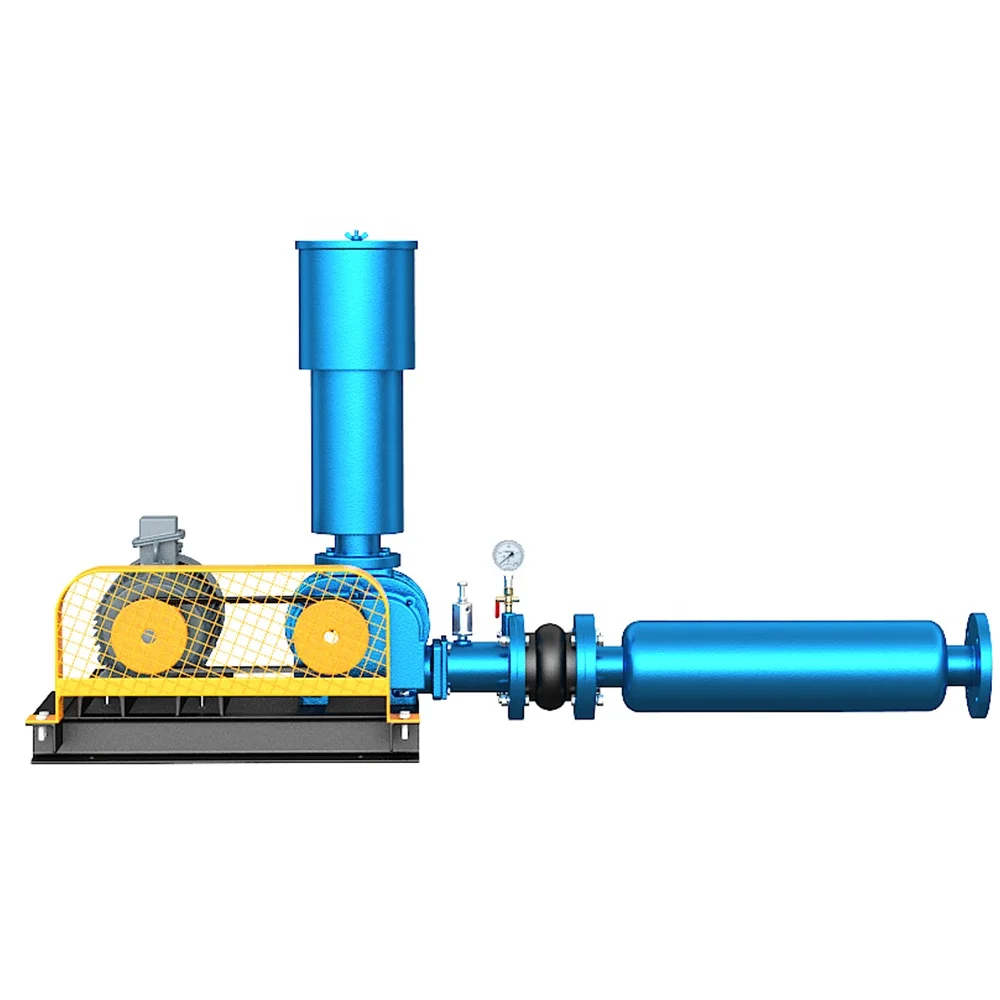
An air blower is a fundamental piece of equipment found across countless industrial processes, from material handling to dust control and pneumatic conveying systems. Understanding how an air blower operates provides valuable insight into optimizing production efficiency, reducing maintenance costs, and selecting the right equipment for your specific application. The mechanism behind an air blower is relatively straightforward in principle, but the engineering complexity increases significantly when you consider different industrial requirements, environmental conditions, and performance demands that drive equipment selection and operational strategy.
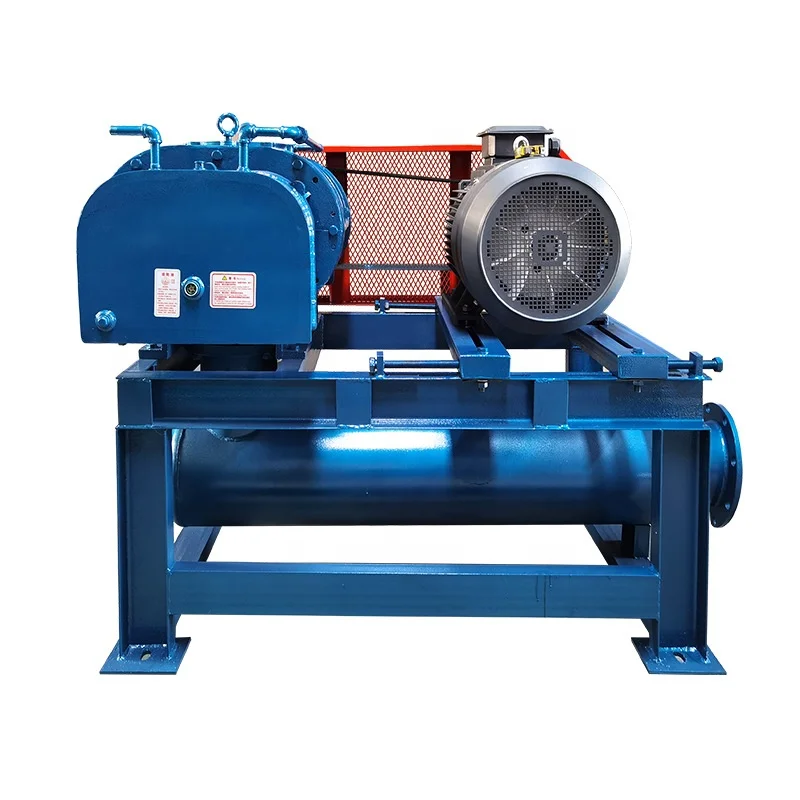
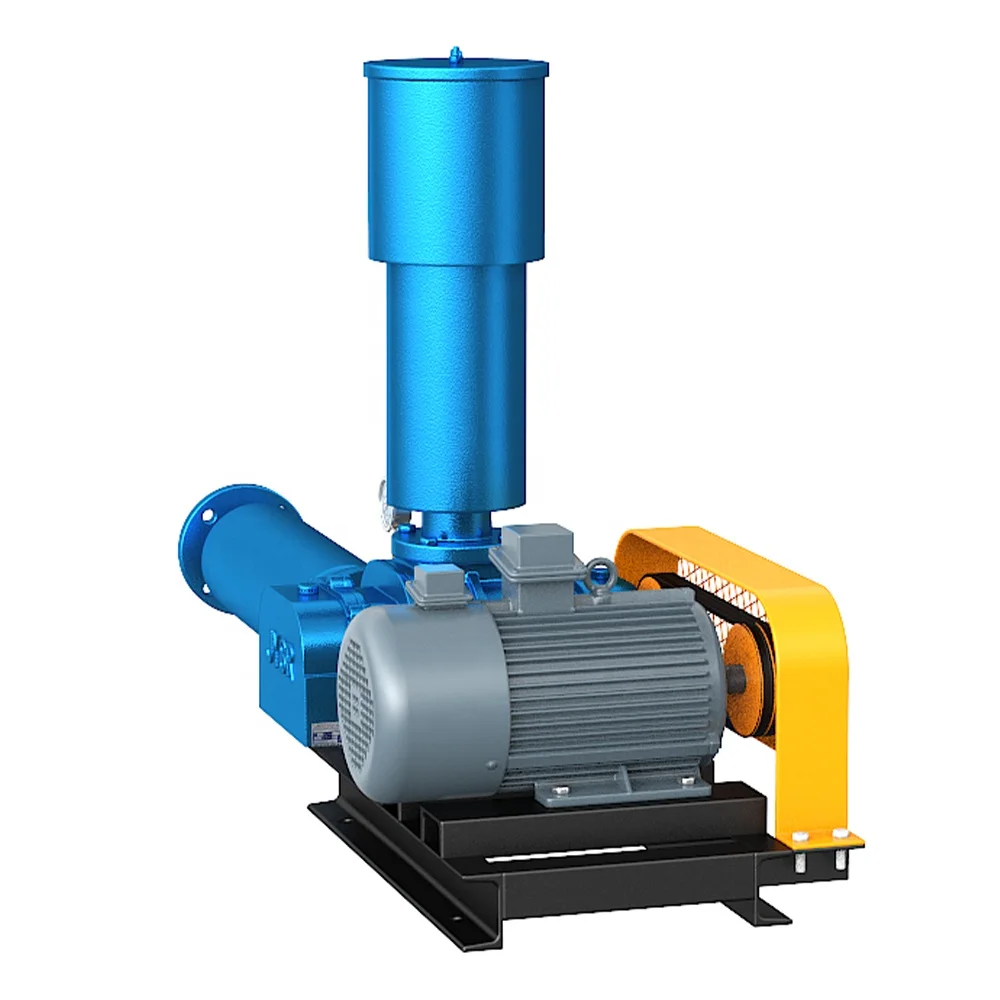
Industrial operations rely on consistent airflow to move materials, cool components, or remove contaminants from production areas. A portable air blower for cleaning serves similar purposes but with greater flexibility in deployment across different work zones. The underlying physics remains constant regardless of application, though the specific design and construction of each unit determines its suitability for particular tasks, environmental challenges, and operational timelines.
Core Operating Principles of Air Blower Systems
Motor-Driven Rotational Mechanism
At the heart of every air blower lies an electric motor that converts electrical energy into continuous rotational motion. The motor drives an impeller or fan assembly, which consists of specially designed blades arranged around a central shaft. As this assembly rotates at high speeds, typically ranging from several hundred to thousands of revolutions per minute depending on motor design, the blades push air molecules outward through centrifugal force. This fundamental action creates pressure differential between the inlet and outlet, establishing the flow of air through connected ducting or directly into the target area.
Air blower motor specifications play a critical role in determining equipment performance and longevity. Motor power ratings, measured in horsepower or kilowatts, directly influence the volume and velocity of air discharge. Higher-rated motors generate greater airflow capacity, enabling faster material movement or more effective dust removal. The voltage requirements, phase configuration, and thermal protection features integrated into the motor ensure safe, reliable operation across extended work shifts. Understanding these specifications helps operators and facility managers match equipment capabilities with process demands accurately.
Pressure Generation and Airflow Control
The rotating impeller blades accelerate air particles, converting mechanical energy into kinetic energy. This action compresses the air, creating positive pressure at the discharge outlet while simultaneously drawing air into the inlet. The pressure differential drives continuous airflow as long as the motor runs. Different blade designs and configurations control pressure output; some air blower systems generate moderate pressure suitable for general dust collection, while others produce high-pressure discharge for forceful material conveyance or cleaning stubborn deposits.
Flow control mechanisms, including dampers and variable frequency drives, allow operators to adjust airflow rates without stopping the motor. This flexibility reduces energy consumption during periods of lower demand and extends equipment service life by minimizing unnecessary wear on internal components. Pressure relief valves protect the system from dangerous overpressure conditions that could damage ducting, collection vessels, or connected equipment.
Industrial Applications and Process Integration
Material Handling and Pneumatic Conveying
Industrial facilities use air blower systems extensively for pneumatic conveying, where pressurized air transports granular materials, powders, or pellets through enclosed piping networks. The air blower generates sufficient pressure and velocity to suspend and move particles from one location to another, whether vertically, horizontally, or through complex routing systems. This method eliminates the need for mechanical conveyors in many applications, reducing capital investment and maintenance requirements while improving workplace cleanliness.
A portable air blower for cleaning performs similar functions in more flexible applications, allowing workers to direct pressurized air precisely where needed for immediate material movement or contamination removal. Construction sites, manufacturing floors, and equipment maintenance areas benefit from this capability, as compressed air reaches confined spaces and complex machinery surfaces that fixed blower systems cannot access effectively. The portability factor makes these units invaluable for temporary work or seasonal production adjustments.
Dust Control and Air Quality Management
Negative pressure air blower configurations support dust collection systems by drawing contaminated air through collection chambers and filter media. As the air blower operates, it creates suction that pulls dust-laden air from production areas, material storage zones, or equipment enclosures. The dust particles settle in collection bins while filtered air exits safely to the atmosphere. This application directly impacts worker health, product quality, and regulatory compliance with occupational safety standards governing airborne particulate matter.
Air blower noise level comparison becomes especially important in dust control scenarios, as many industrial facilities operate these systems continuously throughout work shifts. Modern blower designs incorporate sound-dampening materials and optimized blade geometry to reduce operational noise, protecting worker hearing and improving the overall work environment.
Cooling and Thermal Management Applications
Manufacturing processes generating significant heat rely on air blower systems to circulate cooling air through machinery, production areas, and equipment enclosures. The air blower moves large volumes of ambient or refrigerated air across heat-generating components, transferring thermal energy away from sensitive equipment and maintaining optimal operating temperatures. Steel mills, electronics manufacturing, welding stations, and food processing plants all depend on reliable air blower performance to prevent equipment damage and maintain product quality.
Performance Characteristics and Selection Criteria
Airflow Capacity and Pressure Ratings
Industrial equipment specifications always include airflow capacity measured in cubic feet per minute or cubic meters per hour, along with pressure ratings expressed in inches of water column or pascals. These metrics define how effectively an air blower handles specific tasks. High-velocity, low-volume systems suit applications requiring forceful air discharge for cleaning or material propulsion, while high-volume, moderate-pressure designs serve dust collection and general air circulation purposes. Matching airflow and pressure characteristics to actual application requirements prevents undersized equipment from underperforming and oversized units from consuming unnecessary energy.
Air blower motor specifications directly correlate with achievable airflow and pressure outputs. A one horsepower motor cannot generate the same airflow as a ten horsepower unit, yet both operate on identical principles. Facility planners must calculate precise air volume requirements based on ductwork length, number of collection points, material weight, and other process variables to ensure adequate equipment capacity. Undersizing equipment leads to production bottlenecks, while oversizing increases capital expenditure and operating costs unnecessarily.
Noise Reduction and Environmental Impact
Air blower noise level comparison reveals significant variations among available equipment, ranging from relatively quiet models suitable for office environments to high-decibel industrial units requiring hearing protection for nearby workers. Noise generation depends on blade design, impeller speed, discharge design, and housing construction. Centrifugal blowers typically operate more quietly than axial designs at equivalent airflow capacities. Sound-attenuating enclosures, flexible ducting connections, and optimized blade geometry all contribute to noise reduction without sacrificing performance.
Environmental regulations and workplace safety standards increasingly emphasize noise control, making equipment selection more complex. A portable air blower for cleaning must balance performance requirements with noise considerations, especially in sensitive work environments. Selecting quieter equipment may increase initial purchase cost but delivers significant benefits through improved worker comfort, reduced hearing protection requirements, and better compliance with local noise ordinances.
Reliability and Maintenance Requirements
Air blower systems must deliver consistent performance throughout extended operating periods, making reliability a fundamental selection criterion. Quality motor construction, precision-engineered impellers, and robust bearing assemblies contribute to long service life with minimal downtime. Regular maintenance including filter changes, bearing lubrication, and electrical connection inspection extends equipment life significantly. Air blower motor specifications should emphasize service accessibility and availability of replacement components to minimize production disruptions when maintenance becomes necessary.
FAQ
How does an air blower differ from a fan in industrial settings?
While both devices move air using rotating blades, an air blower generates significantly higher pressure differentials suitable for material conveying and forceful applications. Fans typically move larger air volumes at lower pressure differentials, serving circulation and cooling purposes. An air blower motor operates at higher speeds and efficiency levels than fan motors, enabling the sustained pressure generation required for pneumatic systems and intensive dust collection operations. Application requirements determine which technology proves most appropriate.
What maintenance ensures optimal air blower performance?
Regular filter cleaning or replacement prevents airflow restriction and maintains pressure ratings specified in air blower motor specifications. Bearing lubrication according to manufacturer guidelines reduces friction and extends equipment life. Visual inspection of ducting connections identifies loose fittings that allow pressure loss and reduce overall system efficiency. Monitoring motor current draw reveals increasing friction or impeller imbalance requiring immediate attention. Proactive maintenance prevents unexpected failures and preserves the performance characteristics necessary for reliable industrial operations.
Why does air blower noise level comparison matter in facility planning?
Excessive noise from a portable air blower for cleaning or fixed installation equipment creates health hazards for workers, particularly during continuous operation throughout extended shifts. Occupational safety regulations establish permissible exposure limits for workplace noise, requiring facilities to implement controls when equipment exceeds these thresholds. Selecting quieter equipment reduces hearing protection requirements, improves worker satisfaction, and supports facility compliance with regulatory requirements. Noise level comparison becomes an important factor when choosing between equipment options offering equivalent performance characteristics at different price points.