
 EN
EN
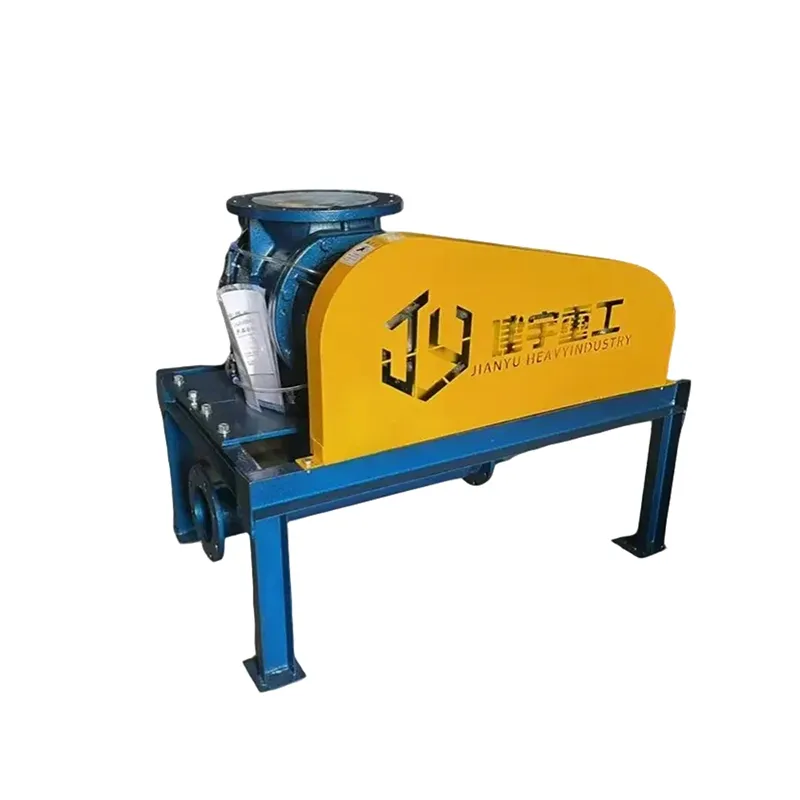
Selecting the right industrial rotary feeder requires more than comparing price points and specifications alone. Buyers must evaluate quality across multiple dimensions, including material composition, mechanical precision, operational consistency, and long-term reliability under demanding production conditions. An industrial rotary feeder that fails prematurely disrupts entire material transport systems, leading to unplanned downtime, maintenance costs, and reduced throughput. Understanding how to assess feeder quality protects your capital investment and ensures dependable performance in bulk material handling equipment applications.
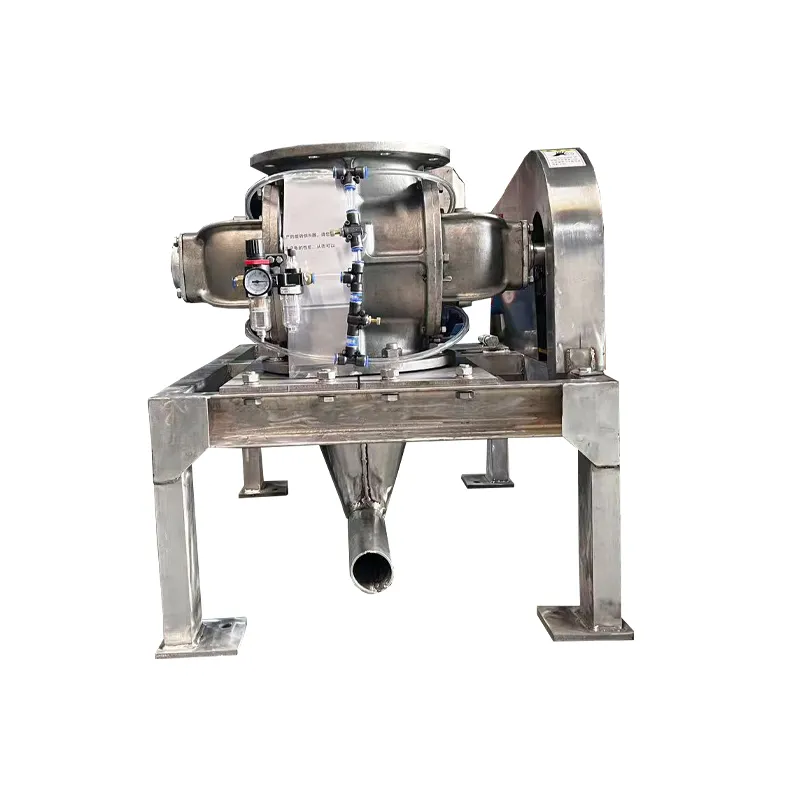
Quality assessment begins with understanding how an industrial rotary feeder operates within your system. These devices control material flow rate while maintaining seal integrity between pressurized and unpressurized zones. The rotor design, pocket geometry, and gate mechanisms directly influence discharge accuracy, wear resistance, and service life. Buyers who grasp these operational fundamentals can better identify performance indicators and distinguish premium bulk material handling equipment from lower-grade alternatives that may seem cost-effective initially but underperform over time.
Material Selection and Structural Durability
Alloy Composition and Corrosion Resistance
The base material of an industrial rotary feeder determines its ability to withstand abrasive particles, moisture exposure, and chemical interactions common in bulk material handling equipment environments. Cast iron bodies offer cost efficiency but limited corrosion resistance in acidic or humid conditions. Ductile iron provides improved impact resistance and structural integrity. Stainless steel components resist oxidation and contamination, making them ideal for food, pharmaceutical, and chemical applications. Evaluating the alloy grade, hardness rating, and surface treatment specifications tells you whether the feeder can maintain dimensional accuracy and prevent seal degradation over extended operating periods.
Rotor and Pocket Wear Characteristics
The rotor is the rotating element that pockets material and conveys it through the airlock chamber. High-quality rotors use hardened or nitrided steel surfaces to resist particle erosion and maintain tight clearances with the casing. Pocket depth, blade thickness, and edge profile affect material hold capacity and discharge consistency. Buyers should verify that the rotary airlock valve design minimizes binding and jamming risks even when handling materials with irregular particle shapes or varying moisture content. Premium bulk material handling equipment manufacturers publish wear test data showing volumetric accuracy retention after processing thousands of tons through the system.
Seal Integrity and Leakage Control
Dynamic Seal Design Standards
Maintaining pressure differentials across the industrial rotary feeder depends on robust seal design. Dual-lip seals, face seals, or bearing cartridge assemblies prevent air or material migration between compartments. Quality feeders employ elastomer compounds that resist temperature extremes, abrasive dust, and oil degradation. The seal chamber design must allow for thermal expansion without creating stress points that accelerate failure. Buyers evaluating bulk material handling equipment should request documentation on seal pressure ratings, replacement intervals, and real-world performance data from similar applications.
Bearing Support and Radial Load Management
The industrial rotary feeder shaft experiences radial loads from rotor weight, material pressure, and belt or coupling forces. Premium designs use precision ball or roller bearings with appropriate preload and lubrication strategies. Low-quality feeders may rely on undersized or inadequately lubricated bearings that generate excessive heat, premature wear, and eventual shaft misalignment. Inspecting bearing mounting, accessibility for maintenance, and grease specifications reveals whether the volumetric feeder systems are designed for extended service life or frequent intervention. Buyers should verify bearing manufacturer ratings and confirm that bearing chambers prevent contamination from entering the lubrication system.
Operational Performance and Control Precision
Volumetric Accuracy and Discharge Consistency
A volumetric feeder systems device must discharge material at controlled, repeatable rates regardless of upstream hopper pressure or downstream transport line resistance. Pocket fill efficiency and gate clearance directly impact discharge accuracy. Premium industrial rotary feeder designs maintain discharge tolerances within 2 to 3 percent across full operating ranges, enabling precise recipe control in blending applications and stable pneumatic conveying in dilute-phase systems. Buyers should conduct functional trials using representative materials and observe whether the rotary airlock valve maintains consistent flow under variable conditions or exhibits drift and variability.
Operating Speed Range and Load Adaptability
Quality bulk material handling equipment adapts to varying production demands without sacrificing reliability. The industrial rotary feeder should operate smoothly across its specified speed range without vibration, noise, or thermal stress that indicates mechanical imbalance or friction loss. Variable frequency drives enable speed adjustment to maintain optimal discharge rates as material properties or downstream demands shift. Buyers should verify that the rotor design balances smoothly at operating speeds and that bearing loads remain within acceptable ranges. Premium feeders maintain performance consistency from 25 percent to 100 percent of maximum speed without component degradation.
FAQ
What distinguishes premium industrial rotary feeder designs from budget alternatives?
Premium industrial rotary feeder models employ hardened rotors, precision-engineered seal chambers, and heavy-duty bearings that minimize wear and maintain tight tolerances over extended service periods. Budget alternatives often use thinner rotor blades, standard elastomer seals, and smaller bearing assemblies that sacrifice durability for initial cost savings. Quality bulk material handling equipment consistently delivers repeatable discharge rates, withstands abrasive material streams, and requires less frequent maintenance compared to lower-grade feeders.
How do I verify that a rotary airlock valve meets my pressure and flow requirements?
Request detailed performance curves showing volumetric feeder systems capacity across pressure differentials and rotor speeds relevant to your application. Cross-reference these published ratings against your actual system conditions, including material density, particle size distribution, and conveying line pressure. Quality manufacturers provide third-party test documentation and case studies from comparable applications. Conduct pilot testing or request references from existing customers operating under similar conditions before making a final purchase commitment.
What maintenance practices extend the life of an industrial rotary feeder?
Regular seal inspections, bearing lubrication on schedule, and rotor cleanliness prevent premature wear in bulk material handling equipment. Quality industrial rotary feeder designs feature accessible seal cartridges and bearing chambers that simplify maintenance tasks and reduce downtime. Implementing condition monitoring for temperature, vibration, and pressure differential helps detect degradation early before catastrophic failure occurs. Scheduled replacement of consumable components like seals and bearings extends overall equipment life and maintains performance consistency in volumetric feeder systems.