
 EN
EN
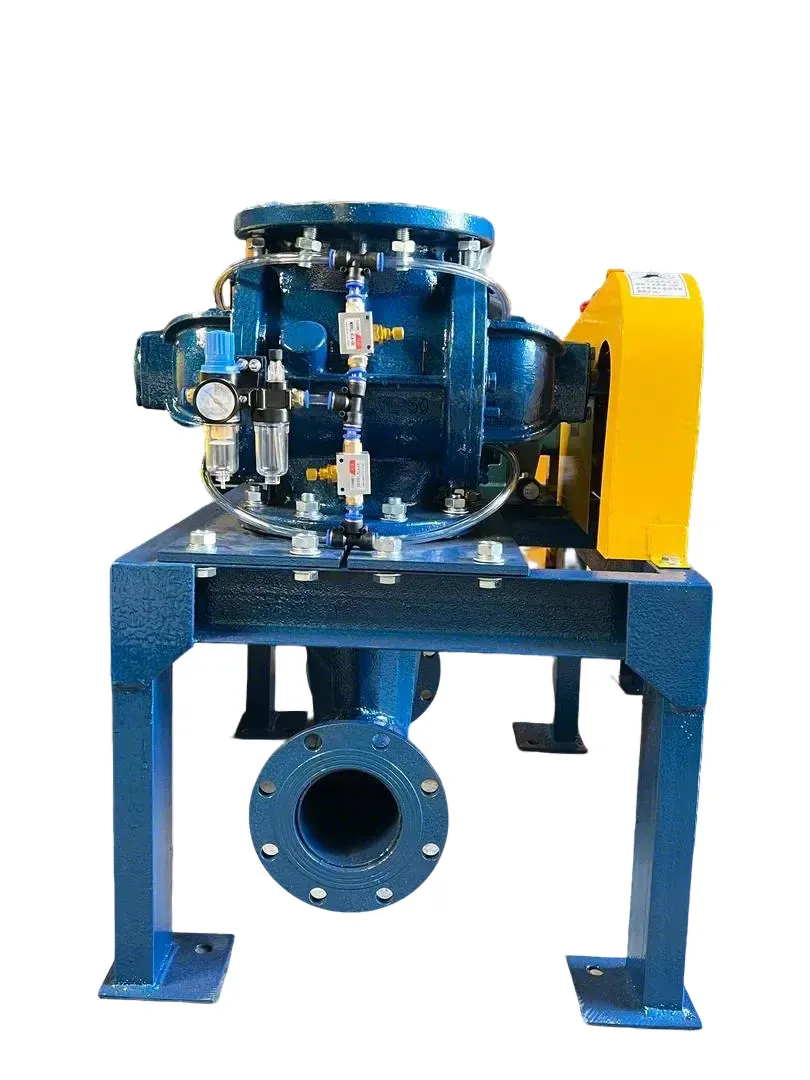
An industrial rotary feeder serves as a critical component in bulk material handling equipment systems, controlling the flow of materials into pneumatic conveying systems with precision and reliability. Understanding what makes a high-quality feeder is essential for operators and engineers who depend on consistent performance, minimal downtime, and efficient material transport. The difference between a standard feeder and a truly high-performance unit often determines whether an entire operation meets its production targets or faces costly delays.
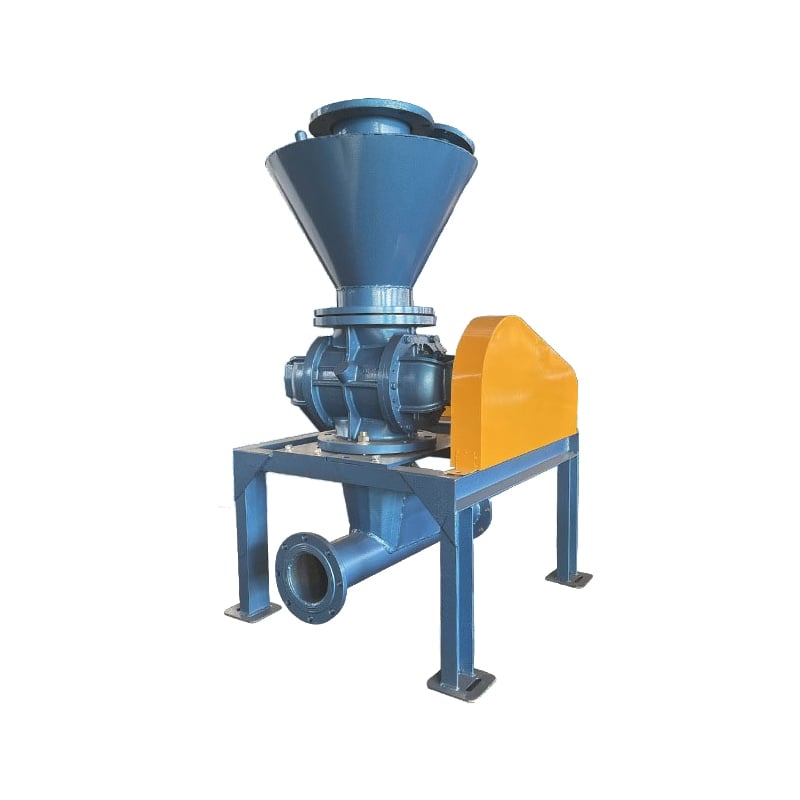
High-quality bulk material handling equipment must demonstrate measurable characteristics that directly impact operational success. A rotary airlock valve within the system must maintain precise metering rates, prevent material leakage, and withstand the mechanical stresses of continuous operation. Performance indicators encompass flow consistency, seal integrity, motor efficiency, and wear resistance, each contributing to the overall reliability of your pneumatic conveying system. Selecting equipment based on these key metrics ensures long-term value and reduced total cost of ownership.
Material Flow Rate Consistency and Control Precision
Measuring Volumetric Accuracy
Flow rate consistency is among the most critical performance indicators for any industrial rotary feeder. The device must deliver material at a predictable rate over extended periods without variation that could disrupt downstream processes. Volumetric accuracy is measured through controlled testing where material is dispensed over a fixed time interval, then weighed to verify consistency. A high-quality feeder maintains flow rate accuracy within plus or minus five percent across varying material densities and moisture content levels, a standard that separates premium equipment from standard alternatives.
Temperature fluctuations, material compaction, and wear patterns all affect flow control. Superior rotary airlock valve designs incorporate adjustable drive speed control, allowing operators to fine-tune output rates to match changing production demands. The rotor design itself must feature properly engineered blade geometry and timing to ensure smooth material capture and release. When a pneumatic conveying system receives inconsistent material flow, downstream separation and collection equipment must work harder, reducing overall system efficiency and increasing energy consumption.
Integration with Pneumatic Conveying Systems
The rotary feeder must work seamlessly within the broader pneumatic conveying system architecture. This means maintaining steady discharge pressure, preventing backflow, and resisting the suction forces generated during line movements. High-performance bulk material handling equipment demonstrates zero material leakage at the airlock interface, where the rotating feeder connects to the conveying line. Testing includes pressurization tests under operating conditions to confirm seal performance and material containment, ensuring that no valuable material escapes and contaminates the work environment.
Durability, Wear Resistance, and Operational Longevity
Material Selection and Construction Quality
The materials used in an industrial rotary feeder construction directly determine how long the equipment will function before requiring replacement or major overhaul. High-quality feeders utilize ductile iron or specialized steel alloys for rotor blades that withstand abrasive material contact without cracking or excessive wear. The housing must resist corrosion from hygroscopic materials and maintain dimensional stability despite thermal cycling. A rotary airlock valve constructed from premium materials experiences a working lifespan of five to seven years under continuous operation, compared to two to three years for standard alternatives using softer metals.
Bearing systems within the rotary feeder require sealed, grease-lubricated designs that prevent material intrusion while maintaining proper load distribution. Double-seal arrangements offer superior protection in dusty environments where fine particles can penetrate standard seals. High-quality bulk material handling equipment incorporates oversized bearings with appropriate load ratings, preventing premature failure even when operating near maximum capacity. The coupling that connects the motor to the feeder shaft must accommodate minor misalignment while transmitting full torque without slip or vibration.
Predictable Maintenance Intervals
Superior equipment design allows operators to establish predictable maintenance schedules based on operating hours rather than responding to unexpected failures. High-performance pneumatic conveying system components display clear wear indicators and accessible service points that simplify inspections and parts replacement. A well-designed industrial rotary feeder permits rotor replacement without complete disassembly of the housing, reducing maintenance downtime and labor costs. Manufacturer support through readily available spare parts and service documentation ensures that operators maintain optimal performance throughout the equipment lifecycle.
Energy Efficiency and Motor Performance Indicators
Power Consumption Optimization
Energy efficiency represents a significant but often overlooked performance indicator for bulk material handling equipment. The motor driving an industrial rotary feeder must operate smoothly without excessive vibration that signals bearing wear or rotor imbalance. A high-quality rotary airlock valve with precisely balanced rotor design minimizes vibration, reducing mechanical stress and energy waste. Modern equipment rated at equivalent capacity demonstrates measurable power consumption differences based on design efficiency, with premium models consuming fifteen to twenty percent less electricity than standard alternatives during continuous operation.
Dynamic torque requirements during startup reveal motor performance quality. A well-designed feeder features smooth acceleration curves without sudden load spikes that stress electrical components and drive systems. The pneumatic conveying system benefits from steady power consumption patterns that allow integration with predictable utility management. Facilities operating multiple feeders can realize substantial annual energy savings by upgrading to high-efficiency models, often recovering the initial investment within three to four years through reduced electrical costs.
Thermal Management and Heat Dissipation
Continuous operation generates heat within motor and bearing assemblies, making thermal management a critical performance consideration. High-quality industrial rotary feeder designs incorporate ventilation pathways that promote airflow around motor windings and bearings without introducing dust and material contamination. The rotary airlock valve should not require external cooling fans, indicating proper internal heat dissipation through engineering design. Monitoring surface temperature provides early warning of developing problems; equipment maintaining temperatures below fifty-five degrees Celsius during normal operation indicates excellent thermal management and suggests the system will maintain performance and longevity.
FAQ
What pressure and flow capacity should I expect from a high-quality industrial rotary feeder?
Premium-grade industrial rotary feeder models handle discharge pressures up to fifteen psi while maintaining consistent flow rates, with volumetric capacity ranging from five to fifty cubic feet per hour depending on rotor size and material density. A rotary airlock valve properly rated for your pneumatic conveying system should deliver these performance levels continuously without degradation, verified through pressure decay tests and material weight measurements. Your equipment supplier should provide performance curves specific to your material type and operating conditions.
How do I verify that bulk material handling equipment meets quality standards?
Genuine quality assessment includes requesting third-party pressure test certifications, vibration analysis reports, and material composition documentation from the manufacturer. Examine the industrial rotary feeder's bearing design, seal configuration, and rotor construction through technical drawings rather than relying solely on marketing claims. References from similar operations running the equipment for extended periods provide invaluable performance validation that confirms whether a pneumatic conveying system component will deliver expected reliability.
What cost difference exists between standard and high-quality rotary airlock valves?
Initial purchase price for premium-grade bulk material handling equipment typically runs thirty to fifty percent higher than standard alternatives, but total cost of ownership often favors high-quality equipment due to extended service intervals, fewer emergency replacements, and improved energy efficiency. A properly specified industrial rotary feeder that operates reliably for six years costs substantially less per operating hour than a standard model requiring replacement after two years, even before accounting for production disruption expenses from unexpected downtime.