
 EN
EN
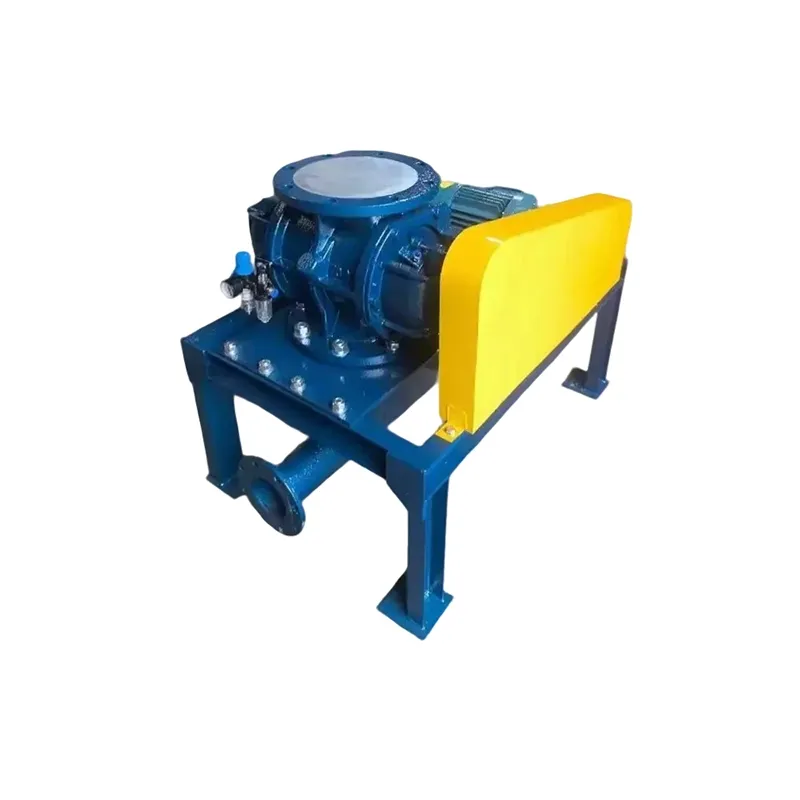
When investing in industrial equipment, particularly rotary blowers, selecting the right supplier becomes a critical decision that can significantly impact your operational efficiency and long-term costs. The quality of rotary blowers directly affects system performance, energy consumption, and maintenance requirements across various applications including pneumatic conveying, wastewater treatment, and material handling. Understanding how to properly evaluate supplier credentials and capabilities ensures you receive reliable rotary blowers that meet your specific operational demands while providing exceptional value for your investment.
Manufacturing Standards and Certifications
ISO Quality Management Systems
A reputable supplier of rotary blowers should maintain comprehensive ISO certifications, particularly ISO 9001 for quality management systems. This certification demonstrates the supplier's commitment to consistent quality control processes, continuous improvement, and customer satisfaction. When evaluating potential suppliers, request documentation of their current ISO certifications and inquire about their quality management protocols. Suppliers with robust quality systems typically maintain detailed records of manufacturing processes, testing procedures, and quality metrics that directly impact the performance and reliability of their rotary blowers.
Additionally, suppliers operating in specific industries may require specialized certifications such as API standards for petroleum applications or ATEX certification for explosive atmosphere environments. These certifications indicate that the supplier understands the unique requirements and safety considerations associated with different applications of rotary blowers. Verify that these certifications are current and applicable to your specific use case, as expired or irrelevant certifications may indicate gaps in the supplier's quality management approach.
Material Specifications and Testing Protocols
Quality suppliers provide detailed material specifications for all components used in their rotary blowers, including impeller materials, housing construction, and sealing systems. Request comprehensive material certifications and test reports that demonstrate compliance with relevant industry standards such as ASTM or DIN specifications. These documents should include mechanical properties, chemical composition, and heat treatment details that ensure optimal performance under your operating conditions.
The testing protocols employed by the supplier reveal their commitment to quality assurance and product reliability. Inquire about factory acceptance testing procedures, performance verification methods, and quality control checkpoints throughout the manufacturing process. Reputable suppliers conduct thorough testing of rotary blowers including vibration analysis, pressure testing, and performance mapping to ensure each unit meets specified parameters before shipment.
Technical Expertise and Engineering Support
Application Engineering Capabilities
A qualified supplier should demonstrate deep technical knowledge of rotary blower applications and provide comprehensive engineering support throughout the selection and implementation process. This includes the ability to perform detailed system analysis, calculate proper sizing parameters, and recommend optimal configurations based on your specific operating requirements. Experienced suppliers typically employ qualified engineers who understand the nuances of different applications and can identify potential challenges or optimization opportunities.
Evaluate the supplier's technical documentation and design capabilities by reviewing their engineering drawings, performance curves, and system integration guidelines. Quality suppliers provide detailed technical specifications, installation instructions, and operating manuals that demonstrate their thorough understanding of rotary blowers and their applications. This technical support should extend beyond initial equipment selection to include ongoing optimization recommendations and troubleshooting assistance.
Customization and Modification Capabilities
Many industrial applications require customized rotary blowers to meet specific performance requirements or installation constraints. Assess the supplier's ability to provide custom modifications such as special materials, unique mounting configurations, or enhanced sealing systems. A capable supplier should have in-house engineering resources and manufacturing flexibility to accommodate reasonable customization requests without compromising quality or delivery schedules.
Review examples of previous custom projects and modifications the supplier has successfully completed for rotary blowers in similar applications. This demonstrates their engineering capabilities and manufacturing flexibility while providing insight into their problem-solving approach and attention to detail. Quality suppliers maintain detailed records of custom modifications and can provide performance data and customer references for similar projects.
Manufacturing Facilities and Quality Control
Production Infrastructure Assessment
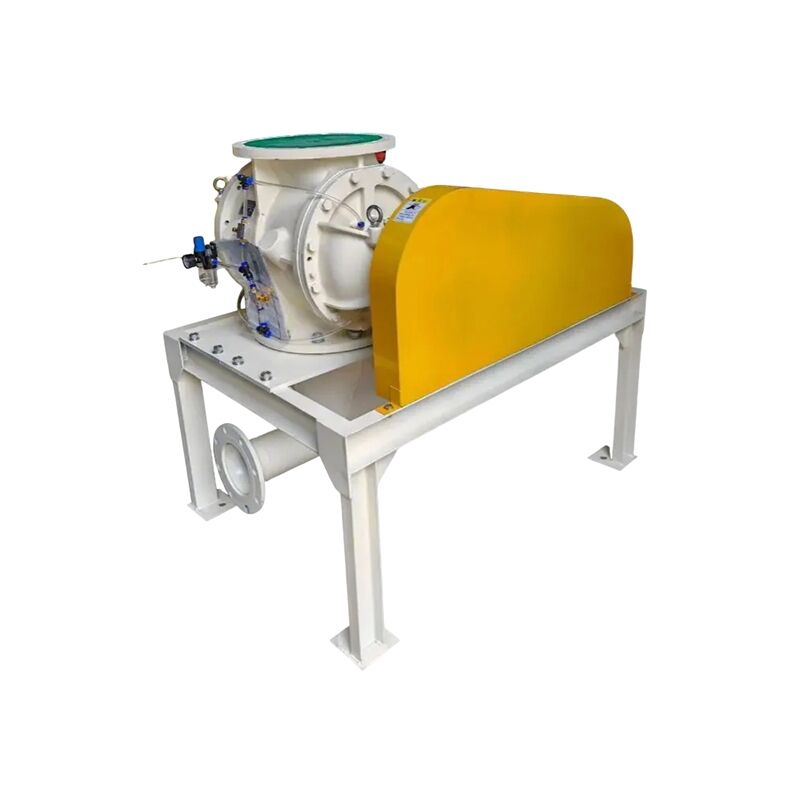
The quality of rotary blowers is directly influenced by the supplier's manufacturing infrastructure and production capabilities. Request facility tours or detailed information about their manufacturing processes, including machining capabilities, assembly procedures, and quality control systems. Modern manufacturing facilities typically employ advanced CNC machining centers, precision balancing equipment, and automated testing systems that ensure consistent quality and tight tolerances in rotary blower production.
Evaluate the supplier's investment in manufacturing technology and equipment maintenance programs. Well-maintained facilities with current technology demonstrate the supplier's commitment to quality and their ability to meet demanding production requirements. Additionally, assess their capacity planning and production scheduling capabilities to ensure they can meet your delivery requirements without compromising quality standards.
Quality Control Systems and Inspection Procedures
Comprehensive quality control systems are essential for maintaining consistent performance and reliability in rotary blowers. Inquire about the supplier's inspection procedures, statistical process control methods, and quality metrics tracking systems. Quality suppliers typically employ multiple inspection points throughout the manufacturing process, including incoming material inspection, in-process quality checks, and final product testing.
Review the supplier's quality control documentation and ask about their approach to continuous improvement and defect prevention. Effective quality systems include regular audits, corrective action procedures, and customer feedback integration processes that help maintain and improve the quality of rotary blowers over time. Additionally, evaluate their traceability systems to ensure proper documentation and tracking of components throughout the manufacturing process.
Service and Support Capabilities
Technical Support and Training Programs
Ongoing technical support is crucial for maximizing the performance and longevity of rotary blowers in industrial applications. Evaluate the supplier's technical support infrastructure, including availability of qualified technicians, response time commitments, and support communication channels. Quality suppliers provide comprehensive training programs for maintenance personnel and operators to ensure proper installation, operation, and maintenance of their rotary blowers.
Assess the depth and breadth of the supplier's technical knowledge by reviewing their troubleshooting guides, maintenance manuals, and training materials. Experienced suppliers typically maintain detailed databases of common issues and solutions that can help minimize downtime and optimize performance of rotary blowers. Additionally, evaluate their ability to provide remote diagnostic support and on-site technical assistance when required.
Spare Parts Availability and Delivery
The availability of spare parts and replacement components significantly impacts the total cost of ownership for rotary blowers. Investigate the supplier's spare parts inventory management, delivery capabilities, and pricing policies. Quality suppliers maintain adequate inventory levels of critical components and provide clear lead times and delivery commitments for both standard and emergency orders.
Review the supplier's spare parts catalog and compatibility information to ensure proper identification and ordering of replacement components for rotary blowers. Effective suppliers provide detailed parts diagrams, cross-reference information, and compatibility matrices that simplify the ordering process and reduce the risk of incorrect parts selection. Additionally, evaluate their packaging and shipping procedures to ensure parts arrive in good condition and on schedule.
Financial Stability and Business Practices
Company Financial Health and Longevity
The financial stability of your rotary blowers supplier directly impacts their ability to provide ongoing support and honor warranty commitments. Research the supplier's financial health through available public records, credit reports, and industry references. Established suppliers with strong financial positions are better positioned to invest in research and development, maintain quality standards, and provide reliable long-term support for their rotary blowers products.
Evaluate the supplier's business history, market position, and growth trajectory to assess their long-term viability. Companies with consistent performance and strategic planning demonstrate stability and commitment to their customers and markets. Additionally, consider their investment in facility upgrades, technology improvements, and staff development as indicators of their commitment to maintaining competitive capabilities in the rotary blowers market.
Customer References and Case Studies
Customer references provide valuable insights into the supplier's performance, reliability, and customer satisfaction levels. Request references from customers with similar applications and operating conditions for their rotary blowers installations. Contact these references directly to discuss their experiences with product quality, delivery performance, technical support, and overall satisfaction with the supplier's performance.
Review detailed case studies and application examples that demonstrate the supplier's success in providing rotary blowers solutions for challenging applications. These case studies should include performance data, customer testimonials, and problem-solving examples that illustrate the supplier's technical capabilities and customer commitment. Quality suppliers maintain comprehensive documentation of successful projects and are willing to share relevant examples with prospective customers.
Warranty and Performance Guarantees
Comprehensive Warranty Coverage
A robust warranty program reflects the supplier's confidence in their rotary blowers quality and manufacturing processes. Evaluate the warranty terms, coverage scope, and claim procedures to understand the level of protection provided for your investment. Comprehensive warranties typically cover materials, workmanship, and performance parameters for specified periods and operating conditions.
Review the warranty exclusions and limitations to ensure you understand your responsibilities and the supplier's commitments. Quality suppliers provide clear warranty documentation that specifies covered components, maintenance requirements, and claim procedures for rotary blowers. Additionally, evaluate their warranty service capabilities and response commitments to ensure timely resolution of any issues that may arise during the warranty period.
Performance Guarantees and Testing Protocols
Performance guarantees provide additional assurance that rotary blowers will meet specified operating parameters under actual operating conditions. Evaluate the supplier's willingness to provide performance guarantees and their testing protocols for verification. Reputable suppliers typically offer guarantees for key performance parameters such as flow rate, pressure, power consumption, and noise levels.
Discuss the testing procedures and acceptance criteria that will be used to verify performance guarantees for rotary blowers. These procedures should include standardized testing methods, measurement accuracy requirements, and acceptable tolerance ranges. Quality suppliers maintain calibrated testing equipment and documented procedures that ensure accurate and repeatable performance verification.
FAQ
What certifications should I look for when evaluating rotary blowers suppliers?
Key certifications to look for include ISO 9001 for quality management systems, API standards for petroleum applications, and ATEX certification for explosive atmosphere environments. Additionally, verify that the supplier maintains current certifications relevant to your specific industry and application requirements. These certifications demonstrate the supplier's commitment to quality and compliance with industry standards for rotary blowers manufacturing.
How can I verify the technical expertise of a rotary blowers supplier?
Evaluate the supplier's technical documentation, engineering drawings, and performance data to assess their expertise. Request information about their engineering staff qualifications and experience with similar applications. Review case studies and customer references to understand their problem-solving capabilities and technical support quality. Additionally, engage in technical discussions about your specific requirements to gauge their knowledge and application expertise for rotary blowers systems.
What should I consider regarding spare parts availability for rotary blowers?
Evaluate the supplier's spare parts inventory management, delivery capabilities, and pricing policies. Ensure they maintain adequate stock levels of critical components and provide clear lead times for both routine and emergency orders. Review their parts catalog and compatibility information to ensure easy identification and ordering of replacement components for your rotary blowers. Consider establishing a spare parts agreement to guarantee availability and pricing for critical components.
How important is the supplier's financial stability when purchasing rotary blowers?
Financial stability is crucial as it affects the supplier's ability to honor warranties, provide ongoing support, and maintain business operations. Research the supplier's financial health through available records and industry references. Stable suppliers are better positioned to invest in quality improvements, maintain inventory levels, and provide reliable long-term support for rotary blowers installations. Consider the supplier's business history and market position when making your evaluation.
Table of Contents
- Manufacturing Standards and Certifications
- Technical Expertise and Engineering Support
- Manufacturing Facilities and Quality Control
- Service and Support Capabilities
- Financial Stability and Business Practices
- Warranty and Performance Guarantees
-
FAQ
- What certifications should I look for when evaluating rotary blowers suppliers?
- How can I verify the technical expertise of a rotary blowers supplier?
- What should I consider regarding spare parts availability for rotary blowers?
- How important is the supplier's financial stability when purchasing rotary blowers?