
 EN
EN
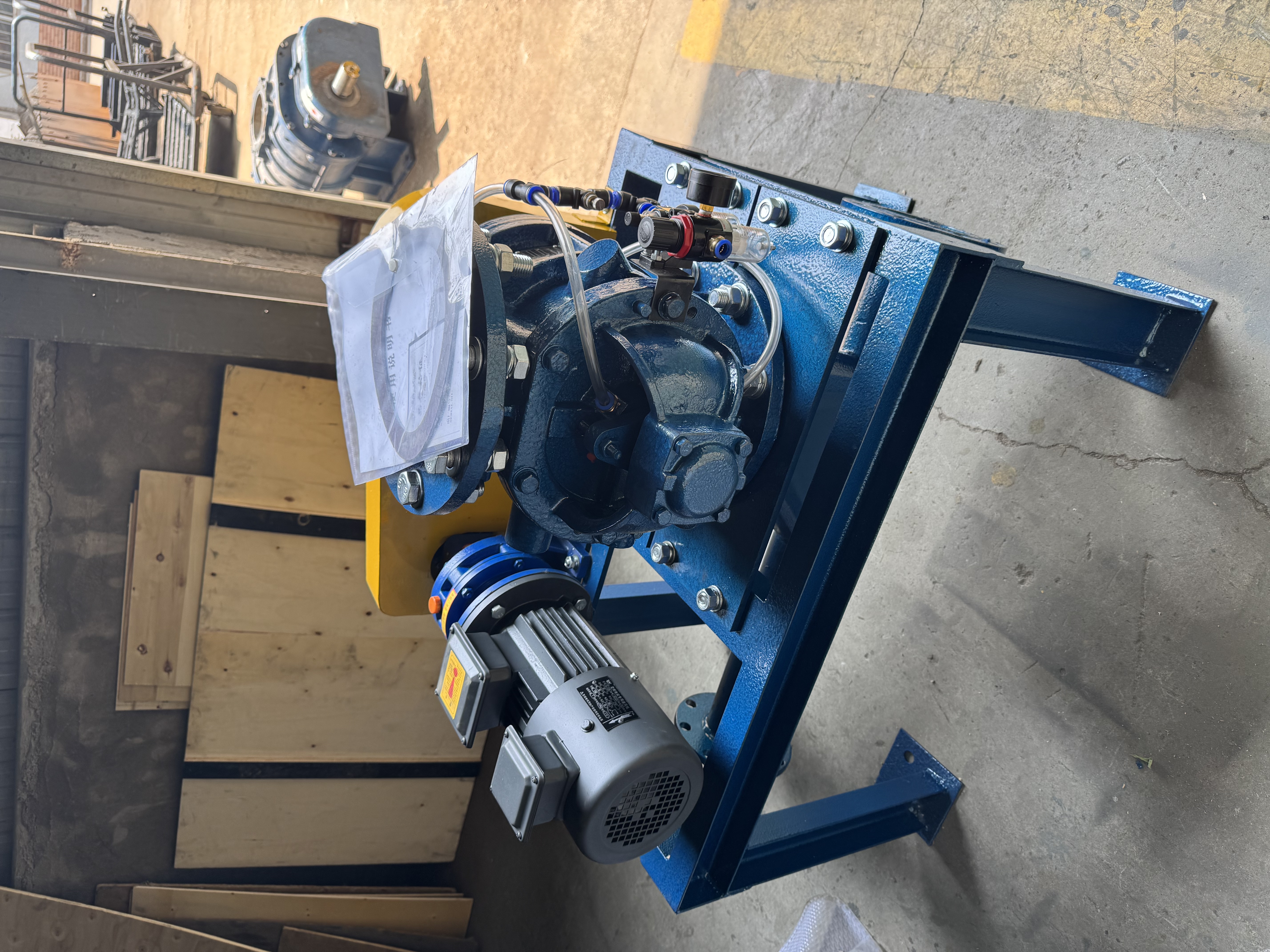
In today's demanding industrial landscape, rotary blowers have emerged as the preferred solution for high-pressure applications and continuous flow requirements. These robust mechanical devices deliver consistent performance across diverse sectors, from wastewater treatment facilities to pneumatic conveying systems. The engineering excellence behind rotary blowers enables them to handle challenging operational conditions while maintaining energy efficiency and reliability. Industries worldwide recognize these systems for their ability to provide sustained pressure differentials and uninterrupted airflow, making them indispensable for critical processes that cannot afford downtime or performance fluctuations.
Fundamental Design Principles of Rotary Blowers
Positive Displacement Technology
Rotary blowers operate on the positive displacement principle, utilizing two or three lobed rotors that mesh together without touching. This design creates sealed chambers that trap air at the inlet and transport it to the discharge port with minimal internal leakage. The precision engineering ensures consistent volumetric flow rates regardless of system pressure variations. Unlike centrifugal blowers that rely on velocity conversion, rotary blowers maintain constant displacement characteristics throughout their operating range. This fundamental advantage makes them exceptionally suitable for applications requiring predictable flow rates under varying pressure conditions.
The rotor profiles are carefully designed to minimize pulsation and maximize efficiency. Advanced manufacturing techniques ensure tight clearances between components while preventing metal-to-metal contact. The timing gears synchronize rotor movement, eliminating the need for internal lubrication in the compression chamber. This oil-free operation is crucial for applications where air purity is paramount. The robust construction allows rotary blowers to handle continuous operation at elevated pressures without compromising performance or reliability.
Construction Materials and Durability
High-grade cast iron and steel construction provides exceptional durability for rotary blowers in demanding environments. The housing materials resist corrosion and thermal stress while maintaining dimensional stability under pressure cycling. Precision-machined rotor profiles ensure optimal sealing and minimal wear over extended operating periods. Advanced metallurgy and heat treatment processes enhance the fatigue resistance of critical components. Special coatings and surface treatments protect against environmental factors that could compromise performance.
The bearing systems utilize heavy-duty components designed for continuous operation under radial and axial loads. High-temperature synthetic lubricants extend service intervals while reducing maintenance requirements. Robust shaft seals prevent contamination and maintain pressure integrity throughout the system lifecycle. The modular design facilitates field maintenance and component replacement when necessary. Quality control measures ensure consistent manufacturing standards and long-term reliability in industrial applications.
High-Pressure Performance Characteristics
Pressure Capability and Efficiency
Modern rotary blowers excel in high-pressure applications, typically operating effectively at pressures ranging from 0.5 to 2.0 bar gauge. Their positive displacement design ensures consistent performance across this pressure range without significant efficiency degradation. The volumetric efficiency remains high even as discharge pressure increases, unlike centrifugal systems that experience performance dropoff. This characteristic makes rotary blowers particularly valuable for applications requiring sustained pressure delivery against variable system resistance.
Energy efficiency considerations favor rotary blowers in high-pressure scenarios where maintaining consistent flow is critical. The power consumption remains relatively stable as pressure increases, providing predictable operating costs. Advanced rotor profiles and optimized clearances minimize internal recirculation losses. Variable speed drives can further enhance efficiency by matching blower output to system demand. The combination of high-pressure capability and efficient operation makes these units ideal for demanding industrial processes.
Thermal Management and Cooling
Effective thermal management is essential for high-pressure rotary blowers to maintain performance and component longevity. The compression process generates heat that must be dissipated to prevent excessive temperature buildup. Finned housings and cooling fans provide adequate heat removal for most applications. Water cooling systems may be employed for extreme duty cycles or elevated ambient conditions. Temperature monitoring systems alert operators to potential thermal issues before component damage occurs.
Internal temperature rise affects both efficiency and reliability in high-pressure applications. Proper ventilation and heat exchanger design ensure optimal operating temperatures throughout the system. Advanced materials and coatings resist thermal degradation while maintaining tight operating clearances. Thermal expansion compensation prevents binding and excessive wear during temperature cycling. Regular monitoring of operating temperatures helps optimize performance and predict maintenance requirements.
Continuous Flow Applications and Benefits
Steady State Operation
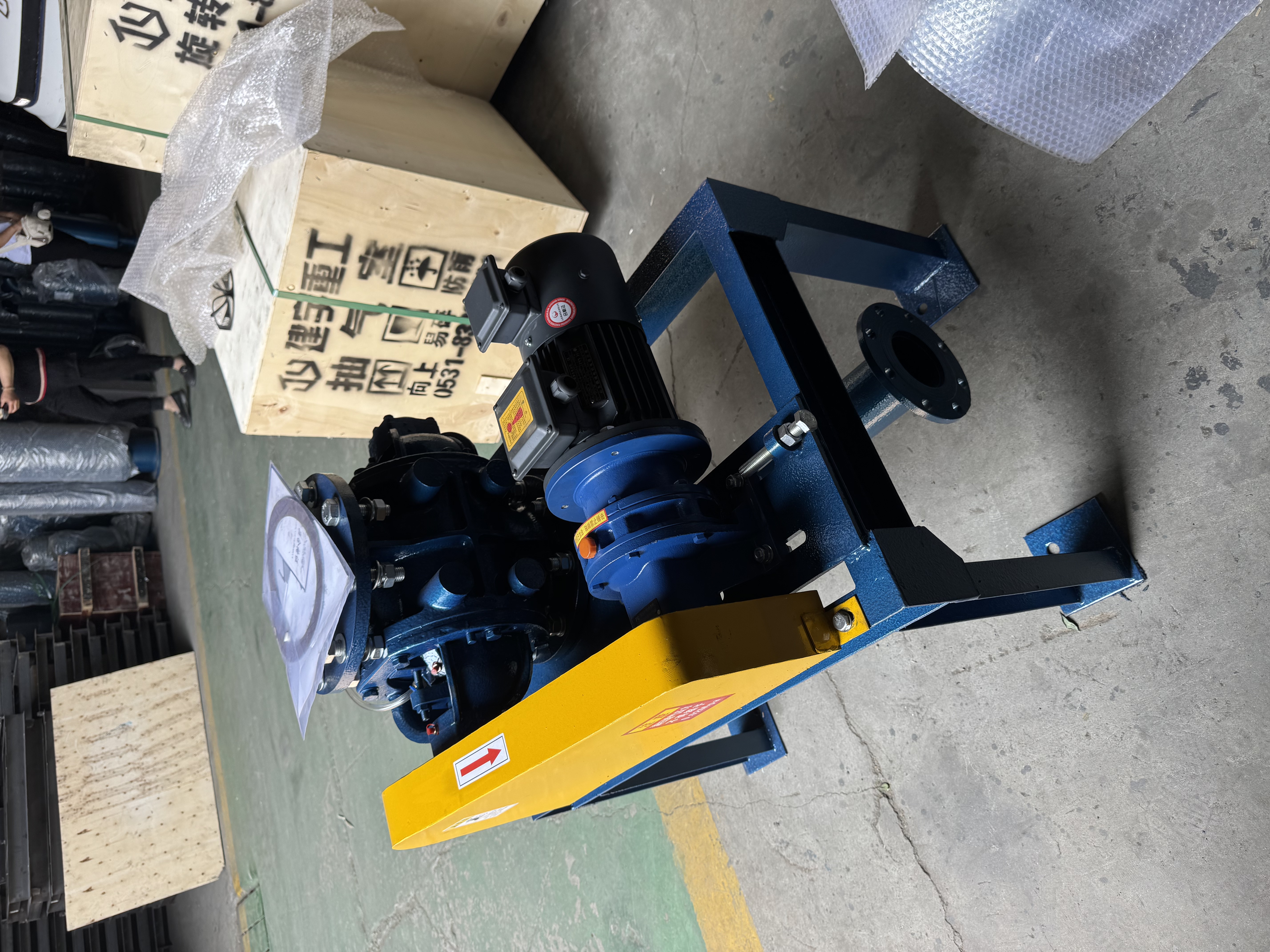
Continuous flow applications demand consistent, uninterrupted air delivery that rotary blowers provide reliably. The positive displacement design eliminates flow pulsations common in reciprocating systems while maintaining steady pressure delivery. Process stability is enhanced by the predictable flow characteristics that remain constant regardless of minor system variations. The low-pulsation output reduces stress on downstream components and piping systems. Smooth operation minimizes vibration and noise while extending system component life.
Long-term reliability is paramount in continuous flow applications where downtime costs can be substantial. Rotary blowers are engineered for extended operation with minimal maintenance interruptions. Robust construction materials and conservative design margins ensure dependable service life. Predictive maintenance strategies can be implemented based on operating hours and performance trends. The proven track record of rotary blowers in critical applications demonstrates their suitability for continuous operation.
System Integration and Control
Modern rotary blowers integrate seamlessly with automated control systems for continuous flow applications. Variable frequency drives provide precise flow control while optimizing energy consumption. Remote monitoring capabilities enable real-time performance assessment and predictive maintenance scheduling. Automated startup and shutdown sequences ensure safe operation during system transitions. Advanced control algorithms compensate for system variations while maintaining optimal performance.
Communication protocols enable integration with plant-wide control systems for coordinated operation. Data logging capabilities track performance trends and identify optimization opportunities. Safety interlocks prevent operation outside design parameters while protecting equipment and personnel. Redundant systems can be configured for critical applications requiring backup capacity. The flexibility of modern control systems maximizes the operational benefits of rotary blowers in continuous flow applications.
Industrial Applications and Case Studies
Wastewater Treatment Systems
Wastewater treatment facilities rely heavily on rotary blowers for aeration processes that require consistent, high-volume air delivery. The biological treatment processes demand continuous oxygen supply to maintain optimal microbial activity. Rotary blowers provide the reliable airflow necessary for efficient treatment while minimizing energy consumption. The ability to operate continuously without performance degradation makes them ideal for municipal and industrial treatment facilities. Fine bubble diffusion systems benefit from the steady pressure delivery that rotary blowers provide consistently.
Energy efficiency in wastewater treatment directly impacts operating costs, making blower selection critical. Rotary blowers offer superior efficiency compared to centrifugal systems in typical aeration pressure ranges. The consistent flow characteristics ensure uniform oxygen distribution throughout treatment basins. Maintenance requirements are minimized through robust construction and oil-free operation. Environmental benefits include reduced energy consumption and lower noise levels compared to alternative technologies.
Pneumatic Conveying Applications
Pneumatic conveying systems transport materials using pressurized air streams that require reliable, high-pressure air sources. Rotary blowers excel in these applications by providing consistent pressure and flow rates necessary for effective material transport. The positive displacement characteristics ensure adequate conveying velocity is maintained throughout the system. Variable system resistance is handled effectively without significant flow reduction. Dense phase conveying systems particularly benefit from the high-pressure capability of rotary blowers.
Material handling efficiency depends on maintaining optimal air-to-material ratios throughout the conveying process. Rotary blowers provide the stable airflow necessary for consistent material velocity and prevention of line blockages. The clean, oil-free air delivery protects sensitive materials from contamination. System flexibility is enhanced by the ability to operate across a wide range of pressures and flow rates. Predictable performance characteristics simplify system design and operation.
Maintenance and Operational Considerations
Preventive Maintenance Programs
Successful operation of rotary blowers depends on implementing comprehensive preventive maintenance programs tailored to specific applications. Regular inspection schedules should include vibration monitoring, temperature checks, and lubrication system maintenance. Filter replacements and air intake cleaning prevent contamination that could compromise internal components. Bearing lubrication follows manufacturer recommendations to ensure optimal service life. Documentation of maintenance activities enables trend analysis and predictive maintenance strategies.
Component wear patterns provide valuable insights into system operation and potential improvements. Rotor clearance measurements track internal wear and help predict rebuild requirements. Coupling alignment ensures smooth power transmission and reduces bearing loads. Belt tension adjustment maintains proper drive system operation while preventing slippage. Professional maintenance training ensures technicians understand specific requirements for rotary blowers in their applications.
Performance Monitoring and Optimization
Continuous monitoring of rotary blowers enables optimization of performance while identifying potential issues before failures occur. Flow rate and pressure measurements verify system operation within design parameters. Power consumption tracking reveals efficiency trends and helps identify maintenance needs. Vibration analysis detects bearing wear and alignment issues early in their development. Temperature monitoring prevents overheating that could damage internal components.
Data analysis tools help operators understand performance trends and optimize operating conditions. Historical performance records enable accurate lifecycle cost calculations and replacement planning. Real-time monitoring systems provide immediate alerts for abnormal conditions requiring attention. Performance benchmarking against manufacturer specifications ensures optimal operation throughout the service life. Regular calibration of monitoring instruments maintains measurement accuracy and reliability.
Energy Efficiency and Environmental Impact
Power Consumption Optimization
Energy efficiency considerations make rotary blowers attractive for applications requiring high-pressure, continuous operation. The positive displacement design maintains consistent efficiency across varying operating conditions. Variable speed drive systems optimize power consumption by matching blower output to actual system demand. Energy recovery systems can capture waste heat for facility heating or other processes. Power factor correction reduces electrical demand charges while improving system efficiency.
Lifecycle cost analysis demonstrates the economic benefits of efficient rotary blowers in continuous operation applications. Lower energy consumption translates directly to reduced operating costs over the equipment lifetime. Maintenance cost reductions result from robust construction and reliable operation. Equipment longevity minimizes replacement costs while maximizing return on investment. Environmental benefits include reduced carbon footprint through efficient energy utilization.
Noise Control and Environmental Compliance
Modern rotary blowers incorporate advanced noise control features to meet environmental regulations and workplace safety standards. Precision manufacturing reduces mechanical noise through improved component fit and balance. Intake silencers minimize airborne noise while maintaining adequate airflow. Vibration isolation prevents transmission of mechanical noise through building structures. Acoustic enclosures provide additional noise reduction for sensitive installations.
Environmental compliance extends beyond noise control to include air quality and emissions considerations. Oil-free operation eliminates potential air contamination in sensitive applications. Energy efficiency reduces indirect emissions associated with power generation. Durable construction minimizes waste through extended equipment life. Recyclable materials and responsible manufacturing practices support sustainable industrial operations.
FAQ
What pressure ranges can rotary blowers handle effectively?
Rotary blowers typically operate effectively in pressure ranges from 0.5 to 2.0 bar gauge, with some specialized units capable of higher pressures. The positive displacement design maintains consistent performance across this entire range without significant efficiency loss. Unlike centrifugal blowers that experience performance degradation at higher pressures, rotary blowers deliver steady volumetric flow rates regardless of discharge pressure variations. This characteristic makes them particularly suitable for applications requiring reliable high-pressure air delivery.
How do rotary blowers maintain consistent flow in continuous applications?
The positive displacement principle ensures that rotary blowers deliver consistent volumetric flow rates regardless of system pressure variations or minor resistance changes. The precision-engineered rotors create sealed chambers that trap and transport specific volumes of air with each revolution. This design eliminates the flow pulsations common in reciprocating systems while providing smooth, continuous air delivery. The result is stable process conditions that are essential for critical industrial applications requiring uninterrupted airflow.
What maintenance requirements should be expected with rotary blowers?
Routine maintenance for rotary blowers includes regular lubrication of bearings, filter replacement, and periodic inspection of internal clearances. The oil-free compression chamber eliminates the need for internal lubrication maintenance, simplifying service requirements. Preventive maintenance programs should include vibration monitoring, temperature checks, and alignment verification. Most rotary blowers are designed for thousands of hours of operation between major maintenance intervals, making them cost-effective for continuous operation applications.
How do rotary blowers compare to centrifugal blowers in high-pressure applications?
Rotary blowers maintain superior efficiency and consistent flow rates in high-pressure applications compared to centrifugal blowers. While centrifugal units experience significant performance dropoff as pressure increases, rotary blowers deliver steady displacement characteristics throughout their operating range. The positive displacement design provides predictable performance that is essential for process control and system stability. Energy consumption remains relatively stable as pressure increases, offering better operating cost predictability in high-pressure continuous flow applications.