
 EN
EN
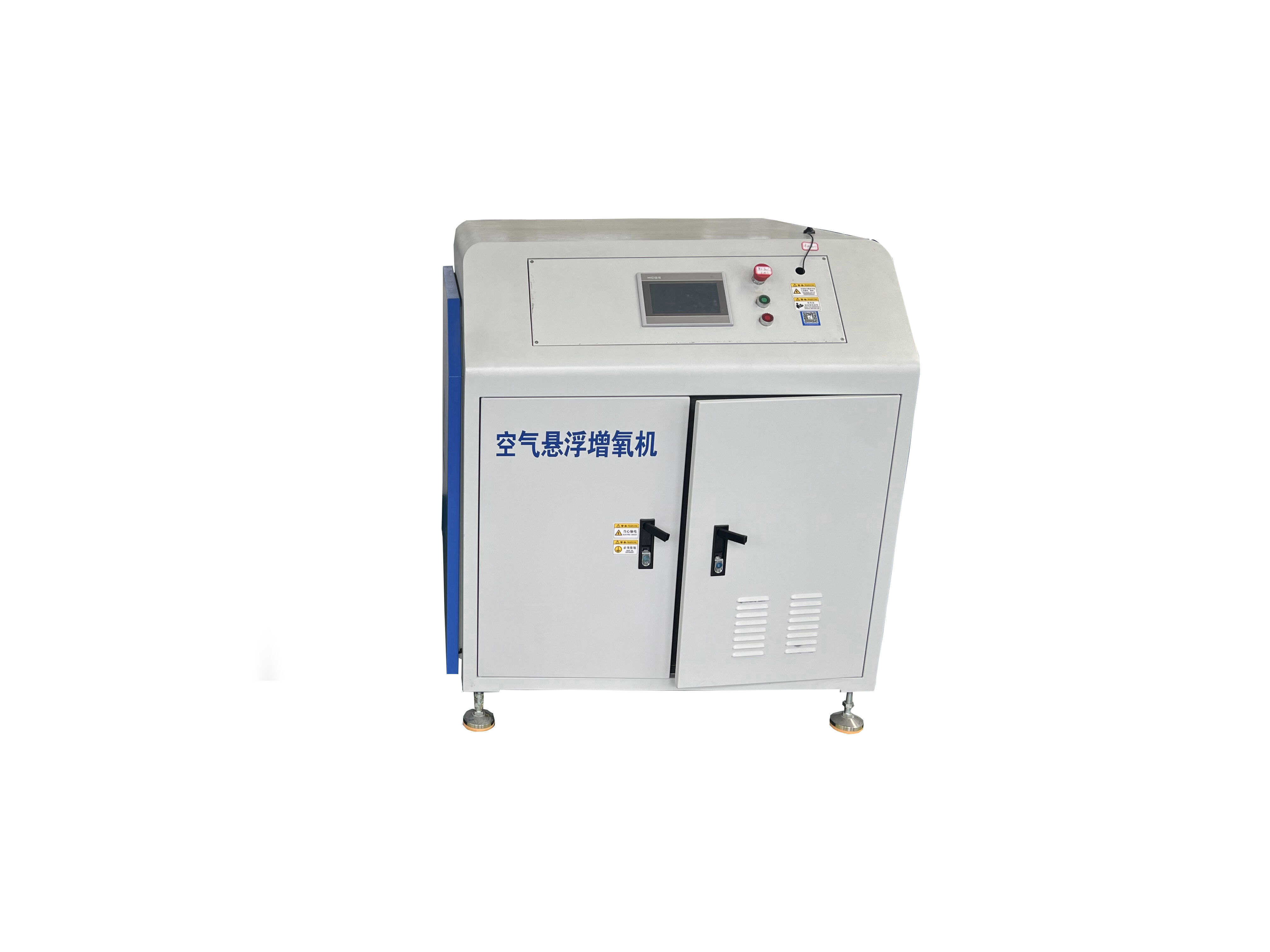
Modern environmental regulations demand increasingly stringent compliance from industrial facilities and municipalities managing wastewater discharge. Sewage treatment equipment serves as the cornerstone technology that enables organizations to meet these critical environmental standards while protecting public health and ecosystems. These sophisticated systems transform contaminated wastewater into clean effluent that meets regulatory discharge limits, preventing harmful pollutants from entering natural water bodies.
The implementation of advanced sewage treatment equipment has become essential for facilities across industries, from manufacturing plants to residential complexes. These systems employ multiple treatment stages, including physical, biological, and chemical processes, to systematically remove contaminants and achieve compliance with local and federal environmental standards. Understanding how this equipment functions and contributes to environmental protection helps organizations make informed decisions about their wastewater management strategies.
Understanding Environmental Standards for Wastewater Discharge
Regulatory Framework and Compliance Requirements
Environmental protection agencies worldwide establish strict parameters for wastewater discharge that sewage treatment equipment must help facilities achieve. These standards typically include limits on biochemical oxygen demand (BOD), chemical oxygen demand (COD), total suspended solids (TSS), nutrients like nitrogen and phosphorus, heavy metals, and pH levels. Facilities operating without proper sewage treatment equipment face significant penalties, including fines, operational shutdowns, and legal liability for environmental damage.
The Clean Water Act in the United States, along with similar legislation globally, mandates that industrial and municipal dischargers obtain permits that specify exact discharge limits. Sewage treatment equipment enables facilities to consistently meet these permitted limits through reliable contaminant removal processes. Regular monitoring and reporting requirements ensure that treatment systems maintain compliance over time, making equipment reliability and performance consistency crucial factors in system selection.
Industry-Specific Discharge Standards
Different industries face unique environmental standards based on their specific pollutant profiles, requiring specialized sewage treatment equipment configurations. Food processing facilities must address high organic loads and grease content, while pharmaceutical manufacturers need systems capable of removing complex chemical compounds and active pharmaceutical ingredients. Metal finishing operations require treatment solutions that effectively remove heavy metals and toxic substances from their wastewater streams.
Municipal wastewater treatment plants serve diverse communities and must handle varying pollutant loads while meeting comprehensive discharge standards. The sewage treatment equipment in these facilities must accommodate fluctuating flow rates and contaminant concentrations while maintaining consistent treatment efficiency. Understanding industry-specific requirements helps facility managers select appropriate treatment technologies that ensure long-term compliance with environmental standards.
Primary Treatment Processes and Equipment Functions
Physical Separation and Screening Technologies
The initial stage of sewage treatment involves physical separation processes that remove large debris, suspended solids, and floating materials from incoming wastewater. Screening equipment, including bar screens, fine screens, and grit removal systems, prevents damage to downstream treatment components while improving overall system efficiency. These physical treatment processes form the foundation of effective sewage treatment equipment operations by preparing wastewater for subsequent biological and chemical treatment stages.
Sedimentation tanks and clarifiers represent critical components within primary sewage treatment equipment systems, allowing heavier particles to settle while lighter materials float to the surface for removal. Primary clarifiers typically achieve 50-60% removal of suspended solids and 25-30% reduction in BOD levels, establishing baseline treatment that enables secondary processes to operate effectively. Proper sizing and design of these primary treatment components ensures optimal performance throughout the entire treatment system.
Flow Equalization and Load Management
Flow equalization systems within sewage treatment equipment help manage variable influent conditions that could otherwise compromise treatment efficiency and environmental compliance. These systems use holding tanks and controlled release mechanisms to smooth out peak flows and concentration spikes, ensuring downstream treatment processes receive consistent loading conditions. Effective flow management prevents system overloading that could result in treatment failures and permit violations.
Advanced control systems integrated with modern sewage treatment equipment monitor incoming flow characteristics and automatically adjust treatment parameters to maintain optimal performance. These automated systems respond quickly to changes in flow rate, pH, temperature, and contaminant levels, preventing upsets that could compromise environmental compliance. Real-time monitoring and control capabilities have become essential features in contemporary treatment system designs.
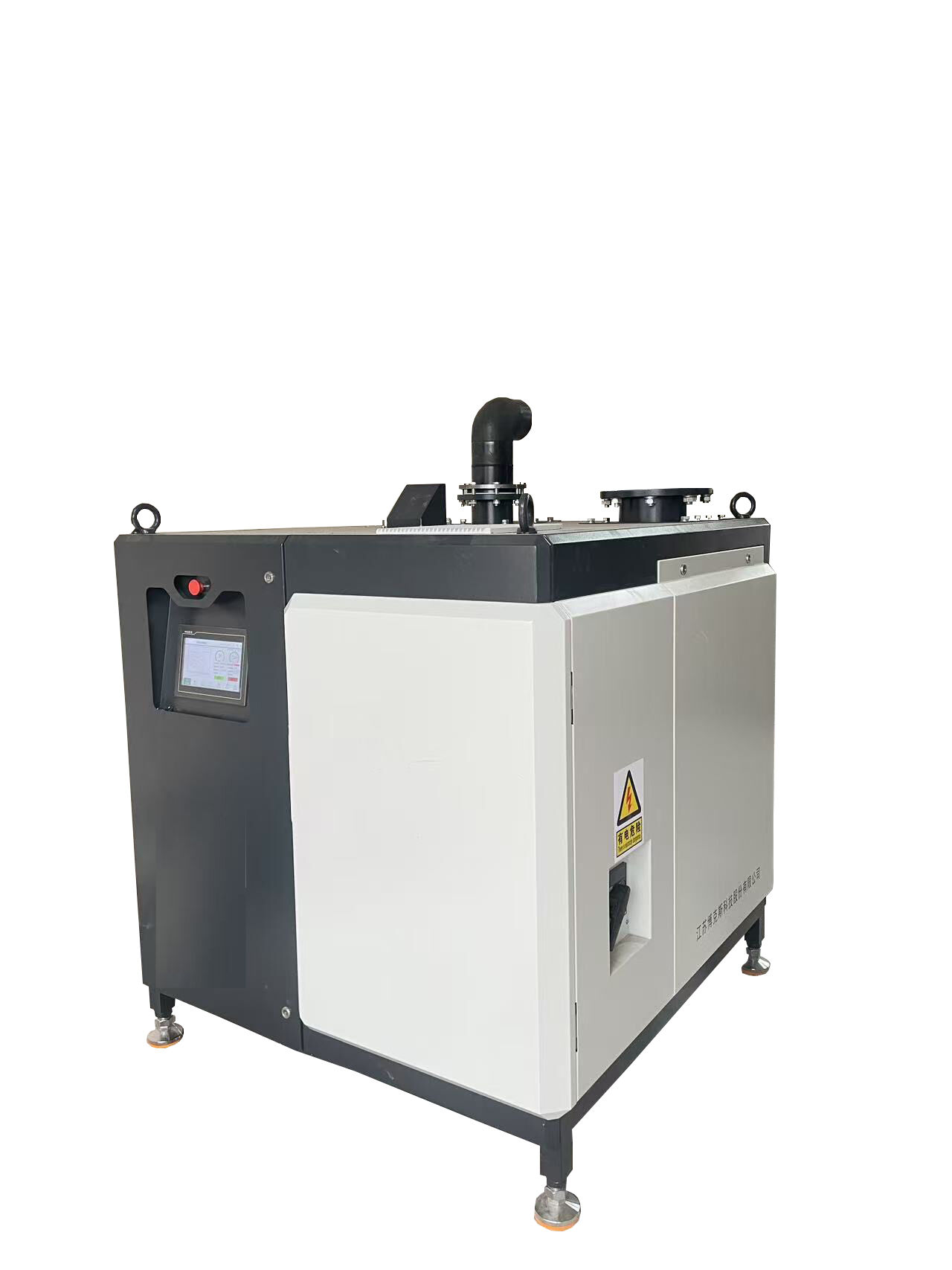
Secondary Biological Treatment Systems
Activated Sludge Process Optimization
The activated sludge process represents the most widely implemented secondary treatment technology within comprehensive sewage treatment equipment systems. This biological treatment method utilizes carefully cultivated microorganisms to consume organic pollutants, converting them into harmless byproducts while achieving significant reductions in BOD and suspended solids. Proper aeration equipment, including blowers and diffuser systems, maintains optimal dissolved oxygen levels that support microbial activity and treatment efficiency.
Secondary clarifiers following activated sludge reactors separate treated effluent from biological solids, enabling sludge return to maintain proper microbial populations in the treatment system. The performance of sewage treatment equipment depends heavily on maintaining proper sludge age, mixed liquor suspended solids concentrations, and food-to-microorganism ratios. Advanced process control systems monitor these critical parameters and make automatic adjustments to ensure consistent treatment performance.
Alternative Biological Treatment Technologies
Moving bed biofilm reactors (MBBR) and membrane bioreactors (MBR) offer alternative approaches to conventional activated sludge systems within modern sewage treatment equipment configurations. MBBR technology uses plastic carrier media that provides high surface area for biofilm growth, enabling compact system designs with excellent treatment performance. These systems demonstrate particular advantages in retrofit applications where space constraints limit conventional treatment options.
Membrane bioreactors integrate biological treatment with ultrafiltration membranes, producing high-quality effluent that often meets stringent environmental standards without additional polishing steps. MBR sewage treatment equipment offers superior solids separation compared to conventional clarifiers, resulting in effluent with very low turbidity and suspended solids concentrations. The combination of biological treatment and membrane separation enables facilities to achieve advanced treatment standards reliably.
Advanced Treatment and Polishing Systems
Nutrient Removal Technologies
Environmental standards increasingly require nitrogen and phosphorus removal to prevent eutrophication in receiving water bodies, driving demand for advanced sewage treatment equipment capable of biological nutrient removal. Modified activated sludge processes, including anaerobic-anoxic-oxic (A2O) configurations, create sequential environmental conditions that promote both nitrification-denitrification for nitrogen removal and enhanced biological phosphorus removal.
Chemical phosphorus removal systems supplement biological processes by adding metal salts or lime that precipitate phosphorus compounds for physical removal. These chemical addition systems integrate with existing sewage treatment equipment through automated dosing systems that respond to real-time effluent monitoring data. Proper chemical feed control ensures consistent phosphorus removal while minimizing chemical consumption and sludge production.
Disinfection and Final Polishing
Disinfection systems represent the final barrier in sewage treatment equipment configurations, eliminating pathogenic microorganisms before effluent discharge to meet public health protection standards. Chlorination, ultraviolet disinfection, and ozonation technologies each offer specific advantages depending on effluent characteristics and discharge requirements. UV disinfection systems have gained popularity due to their effectiveness against chlorine-resistant pathogens and absence of chemical residuals in treated effluent.
Tertiary filtration systems, including sand filters, cloth media filters, and membrane systems, provide final polishing of treated effluent to meet stringent discharge standards. These polishing systems remove residual suspended solids, turbidity, and trace contaminants that could remain after secondary treatment. Integration of advanced monitoring systems with polishing equipment ensures consistent effluent quality that reliably meets environmental standards.
System Integration and Process Control
Automation and Monitoring Technologies
Modern sewage treatment equipment incorporates sophisticated automation systems that optimize treatment performance while reducing operational costs and ensuring environmental compliance. Supervisory control and data acquisition (SCADA) systems provide centralized monitoring and control of all treatment processes, enabling operators to respond quickly to changing conditions and prevent treatment upsets. Real-time data collection and analysis capabilities help identify trends and optimize system performance proactively.
Advanced sensors and analytical instrumentation continuously monitor key parameters throughout the treatment process, including pH, dissolved oxygen, turbidity, and specific contaminant concentrations. This comprehensive monitoring enables sewage treatment equipment to operate at optimal efficiency while providing early warning of potential problems that could compromise environmental compliance. Automated alerts and reporting systems ensure regulatory agencies receive timely notification of any compliance issues.
Energy Efficiency and Sustainability
Energy-efficient sewage treatment equipment designs help facilities reduce operational costs while meeting environmental standards more sustainably. Variable frequency drives on blowers and pumps adjust equipment operation to match actual process demands, significantly reducing energy consumption compared to constant-speed equipment. Energy recovery systems, including anaerobic digesters and combined heat and power systems, can offset facility energy costs while improving overall sustainability.
Sustainable sewage treatment equipment designs incorporate resource recovery technologies that extract value from wastewater constituents. Nutrient recovery systems capture nitrogen and phosphorus for beneficial reuse as fertilizers, while advanced treatment processes can produce high-quality reclaimed water suitable for industrial or irrigation applications. These resource recovery approaches support circular economy principles while maintaining compliance with environmental discharge standards.
Maintenance and Performance Optimization
Preventive Maintenance Strategies
Regular maintenance of sewage treatment equipment ensures consistent performance and prevents costly failures that could compromise environmental compliance. Preventive maintenance programs include routine inspections, equipment servicing, and component replacement based on manufacturer recommendations and operational experience. Proper maintenance scheduling minimizes unplanned downtime while extending equipment service life and maintaining treatment efficiency.
Condition monitoring technologies, including vibration analysis, oil analysis, and thermal imaging, help identify potential equipment problems before they cause system failures. These predictive maintenance approaches enable maintenance teams to schedule repairs during planned outages, preventing emergency situations that could result in environmental standard violations. Investment in comprehensive maintenance programs protects both equipment assets and environmental compliance.
Performance Optimization Techniques
Ongoing performance optimization of sewage treatment equipment involves systematic evaluation of treatment efficiency, energy consumption, and chemical usage to identify improvement opportunities. Process optimization studies may reveal opportunities to adjust operational parameters, upgrade specific components, or implement new technologies that enhance overall system performance. Regular performance assessments ensure treatment systems continue meeting environmental standards efficiently.
Benchmarking sewage treatment equipment performance against industry standards and similar facilities provides valuable insights for optimization efforts. Key performance indicators, including energy consumption per unit of wastewater treated, chemical usage rates, and maintenance costs, help identify areas where improvements could reduce operational costs while maintaining environmental compliance. Continuous improvement approaches ensure treatment systems adapt to changing conditions and regulations over time.
FAQ
What are the main environmental standards that sewage treatment equipment must help facilities meet?
Sewage treatment equipment must help facilities achieve discharge limits for biochemical oxygen demand (BOD), chemical oxygen demand (COD), total suspended solids (TSS), nutrients including nitrogen and phosphorus, heavy metals, pH levels, and pathogenic microorganisms. These standards are established by environmental protection agencies and vary based on receiving water body characteristics, facility type, and local regulations. Compliance with these standards protects public health and prevents environmental degradation in water resources.
How do different types of sewage treatment equipment contribute to meeting environmental standards?
Primary treatment equipment removes physical contaminants and suspended solids through screening and sedimentation processes. Secondary biological treatment systems, including activated sludge and biofilm processes, remove dissolved organic matter and reduce BOD and COD levels. Advanced treatment systems address specific contaminants like nutrients, remaining suspended solids, and pathogens through specialized processes including biological nutrient removal, filtration, and disinfection technologies.
What role does automation play in ensuring sewage treatment equipment meets environmental standards?
Automation systems continuously monitor treatment processes and automatically adjust operational parameters to maintain optimal performance and environmental compliance. SCADA systems provide real-time data on key parameters like pH, dissolved oxygen, and contaminant concentrations, enabling rapid response to changing conditions. Automated control systems prevent treatment upsets that could result in permit violations while optimizing energy consumption and chemical usage for cost-effective compliance.
How can facilities ensure their sewage treatment equipment continues meeting evolving environmental standards?
Facilities should implement comprehensive monitoring programs that track both treatment performance and regulatory changes to anticipate compliance requirements. Regular equipment assessments and upgrades ensure systems can adapt to more stringent standards. Preventive maintenance programs maintain equipment reliability, while performance optimization studies identify opportunities for improvements. Engaging with environmental consultants and staying informed about regulatory trends helps facilities prepare for future compliance challenges.
Table of Contents
- Understanding Environmental Standards for Wastewater Discharge
- Primary Treatment Processes and Equipment Functions
- Secondary Biological Treatment Systems
- Advanced Treatment and Polishing Systems
- System Integration and Process Control
- Maintenance and Performance Optimization
-
FAQ
- What are the main environmental standards that sewage treatment equipment must help facilities meet?
- How do different types of sewage treatment equipment contribute to meeting environmental standards?
- What role does automation play in ensuring sewage treatment equipment meets environmental standards?
- How can facilities ensure their sewage treatment equipment continues meeting evolving environmental standards?