
 EN
EN
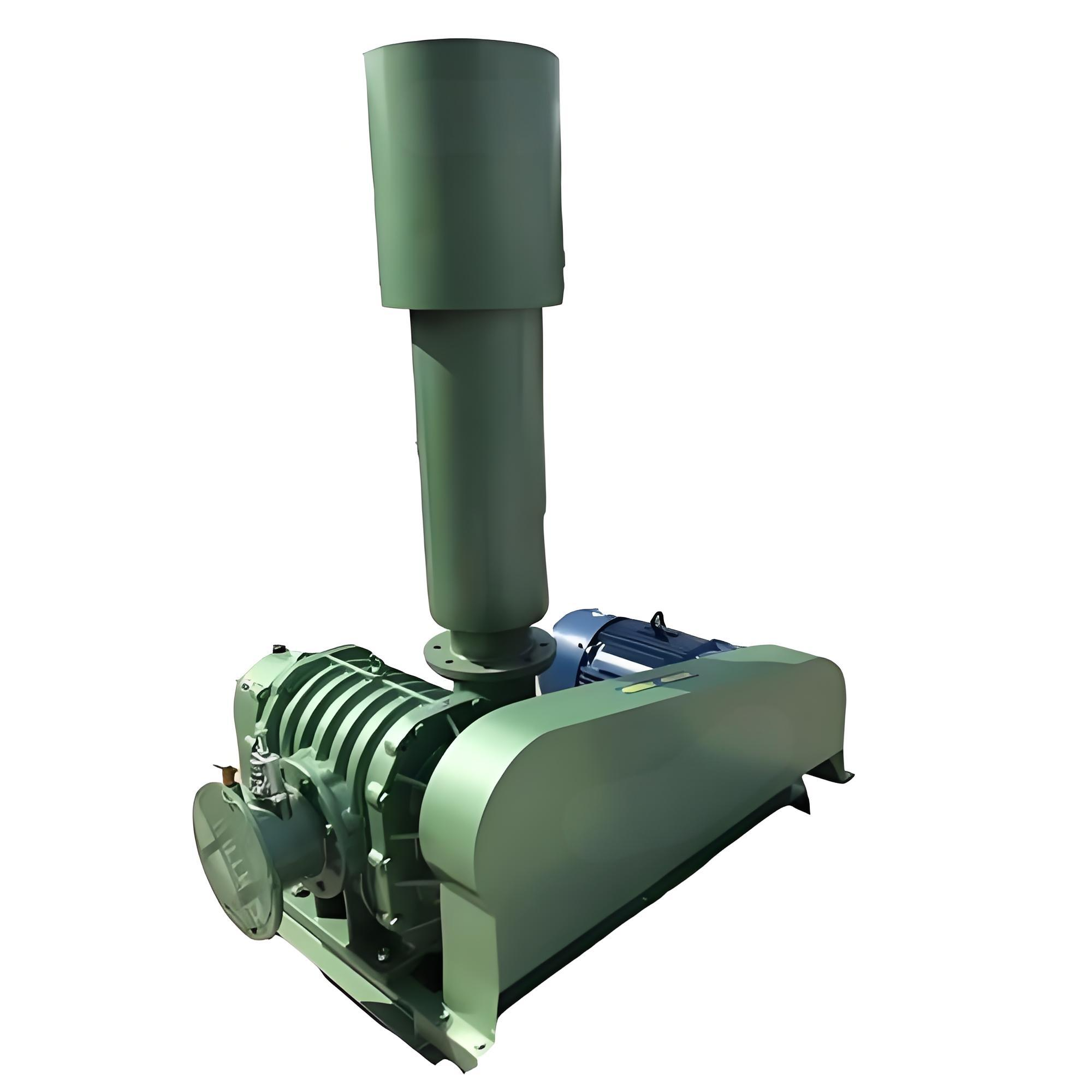
Selecting the right roots blower manufacturers is a critical decision that can significantly impact your industrial operations, maintenance costs, and long-term productivity. With numerous manufacturers operating across different continents, each offering varying levels of quality, service, and technological advancement, the selection process requires careful evaluation of multiple factors. Understanding how to assess manufacturer reliability, production capabilities, and support infrastructure becomes essential for making an informed decision that aligns with your specific operational requirements.
The global landscape of roots blower manufacturers presents both opportunities and challenges for industrial buyers. While established manufacturers in regions like Europe, North America, and Asia offer advanced technology and proven track records, emerging manufacturers may provide cost-effective solutions with innovative features. The key lies in developing a systematic approach to evaluate potential partners based on technical expertise, manufacturing standards, quality control processes, and after-sales support capabilities rather than relying solely on price comparisons or geographical proximity.
Manufacturing Standards and Quality Certifications
International Quality Standards Compliance
Reliable roots blower manufacturers consistently demonstrate adherence to internationally recognized quality management systems such as ISO 9001, which ensures systematic quality control throughout the manufacturing process. These certifications indicate that the manufacturer has implemented robust procedures for design control, material procurement, production monitoring, and final inspection protocols. When evaluating potential manufacturers, verify their current certification status and request documentation that proves ongoing compliance with these standards.
Beyond basic quality management certifications, leading roots blower manufacturers often pursue industry-specific standards such as API 619 for petroleum and natural gas applications or ATEX certification for explosive atmosphere compatibility. These specialized certifications demonstrate the manufacturer's commitment to meeting stringent industry requirements and their capability to produce equipment suitable for demanding operational environments.
The presence of multiple certifications from different international bodies suggests a manufacturer's dedication to continuous improvement and global market competitiveness. However, it's important to verify that these certifications are current and issued by legitimate certification bodies rather than accepting superficial claims without proper documentation.
Production Facility Standards and Technology
Modern roots blower manufacturers invest significantly in advanced production technologies, including computer-controlled machining centers, automated assembly systems, and precision measurement equipment. These technological capabilities directly impact product consistency, dimensional accuracy, and overall reliability. During manufacturer evaluation, request facility tours or detailed documentation of their production capabilities to assess their technological sophistication.
The manufacturing environment itself provides valuable insights into a company's operational standards. Well-organized facilities with proper environmental controls, material handling systems, and workplace safety measures typically correlate with higher product quality and more reliable delivery performance. Professional roots blower manufacturers maintain clean, organized production areas that reflect their commitment to quality and operational excellence.
Investment in research and development facilities indicates a manufacturer's commitment to innovation and continuous product improvement. Companies that maintain dedicated R&D centers, testing laboratories, and prototype development capabilities are better positioned to adapt to changing market requirements and develop customized solutions for specific applications.
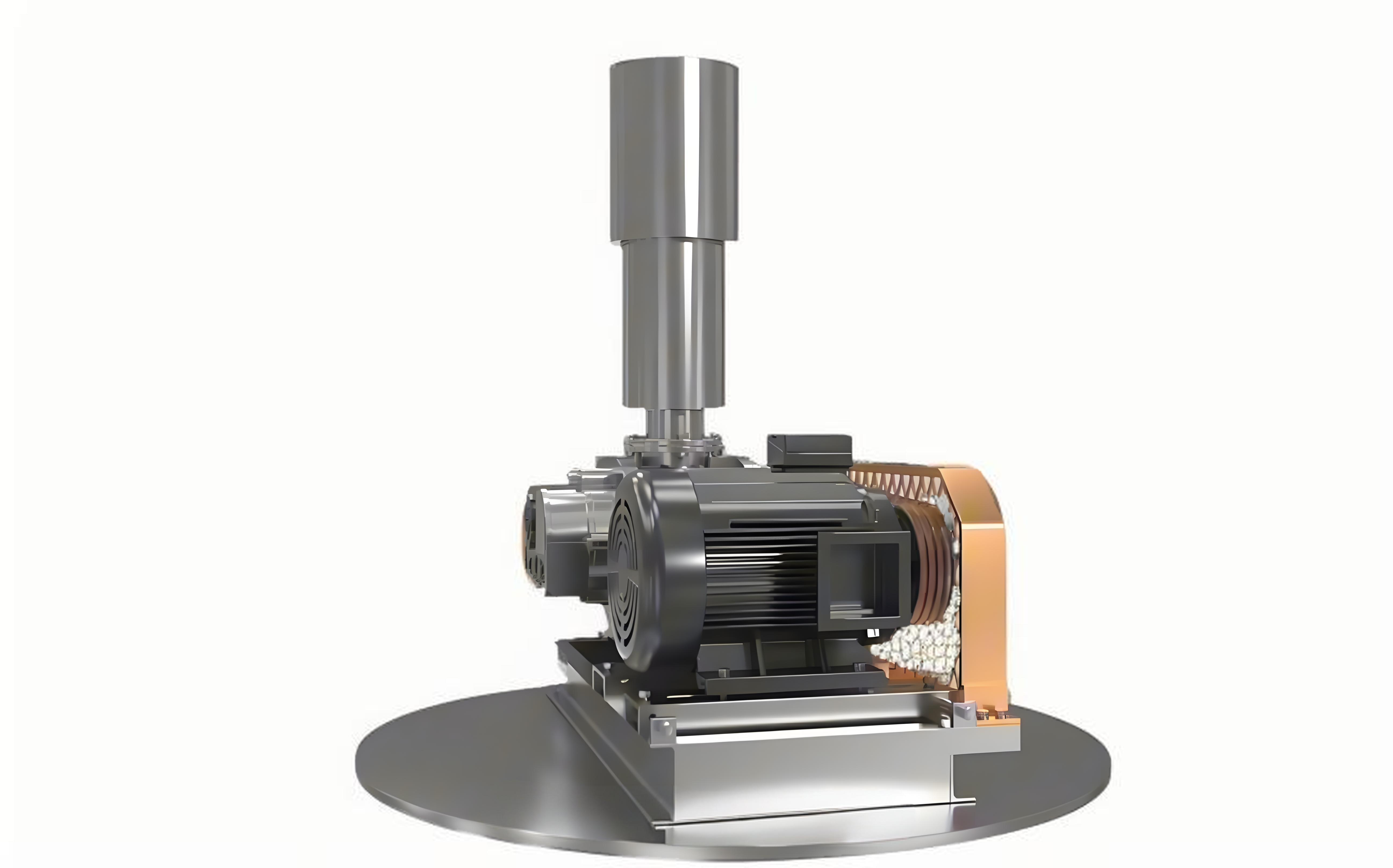
Technical Expertise and Engineering Capabilities
Design and Engineering Resources
Exceptional roots blower manufacturers employ teams of experienced engineers who possess deep understanding of fluid dynamics, mechanical design principles, and materials science. These technical resources enable manufacturers to optimize blower performance for specific applications, troubleshoot complex operational challenges, and develop customized solutions that standard products cannot address. Evaluate the educational backgrounds, professional certifications, and industry experience of the manufacturer's engineering team.
The availability of advanced design tools such as computational fluid dynamics (CFD) software, finite element analysis (FEA) capabilities, and computer-aided design (CAD) systems demonstrates a manufacturer's commitment to engineering excellence. These tools enable precise performance prediction, stress analysis, and optimization of blower designs before production begins, reducing the risk of operational problems and improving overall reliability.
Many leading roots blower manufacturers maintain partnerships with universities, research institutions, or industry consortiums that provide access to cutting-edge research and development resources. These collaborations often result in innovative design improvements, enhanced materials utilization, and breakthrough technologies that benefit end users through improved performance and reliability.
Application-Specific Expertise
Different industrial applications place varying demands on roots blower performance, requiring specialized knowledge and experience to optimize equipment selection and configuration. Reliable manufacturers demonstrate proven expertise in your specific industry sector, whether that involves wastewater treatment, pneumatic conveying, chemical processing, or other specialized applications. Request case studies, reference installations, and performance data from similar applications to verify their relevant experience.
The ability to provide comprehensive application analysis, including system sizing calculations, performance modeling, and integration recommendations, distinguishes experienced roots blower manufacturers from generic equipment suppliers. Professional manufacturers invest time in understanding your specific operational requirements and provide detailed technical proposals that address performance parameters, environmental conditions, and operational constraints.
Customization capabilities represent another critical aspect of technical expertise, as standard products may not always meet unique operational requirements. Evaluate the manufacturer's ability to modify standard designs, incorporate special materials, implement custom control systems, or adapt equipment for unusual installation constraints while maintaining performance guarantees and warranty coverage.
Global Support Infrastructure and Service Capabilities
Worldwide Service Network
Comprehensive global support infrastructure distinguishes reliable roots blower manufacturers from regional suppliers with limited service capabilities. Established manufacturers maintain service centers, authorized distributors, or direct service personnel in major industrial regions worldwide, ensuring prompt response to maintenance needs, emergency repairs, and technical support requests regardless of your facility location.
The availability of local service support significantly impacts equipment uptime, maintenance costs, and operational efficiency. Manufacturers with robust global networks can provide faster response times, reduced travel costs for service personnel, and better understanding of local regulatory requirements and operational practices. Verify the manufacturer's service coverage in your region and evaluate their response time commitments for routine and emergency service calls.
Remote monitoring and diagnostic capabilities represent increasingly important service features that enable proactive maintenance and rapid troubleshooting. Progressive roots blower manufacturers offer advanced monitoring systems that provide real-time performance data, predictive maintenance alerts, and remote diagnostic capabilities that minimize unplanned downtime and optimize maintenance scheduling.
Spare Parts Availability and Supply Chain Management
Long-term operational success depends heavily on reliable access to genuine spare parts and consumables throughout the equipment lifecycle. Established roots blower manufacturers maintain comprehensive spare parts inventories, efficient supply chain management systems, and committed long-term parts availability that extends well beyond typical warranty periods.
The manufacturer's parts distribution network should provide reasonable delivery times and competitive pricing for both routine maintenance items and major component replacements. Evaluate their inventory management practices, emergency parts availability, and policies regarding parts obsolescence to ensure continued operational support throughout the equipment's expected service life.
Some manufacturers offer parts kits, preventive maintenance packages, or comprehensive service agreements that simplify maintenance planning and reduce administrative overhead. These programs can provide cost advantages while ensuring availability of necessary components and maintaining warranty compliance through the use of genuine manufacturer parts.
Financial Stability and Business Reputation
Corporate Financial Health
The financial stability of roots blower manufacturers directly impacts their ability to honor warranty commitments, maintain service support, and continue business operations throughout your equipment's operational life. Research the manufacturer's financial history, ownership structure, and business performance to assess their long-term viability as a business partner.
Publicly traded companies typically provide more transparent financial information through annual reports, regulatory filings, and investor communications. Private companies may require more detailed investigation through credit reports, industry analysis, or direct financial discussions. The manufacturer's investment in facilities, technology, and personnel growth often indicates positive business momentum and commitment to market presence.
Diversified product portfolios and multiple market segments can provide business stability that benefits customers through consistent service support and continued product development. However, excessive diversification may indicate lack of focus on core competencies, while narrow specialization might create vulnerability to market fluctuations.
Industry Reputation and Customer References
Established roots blower manufacturers build reputations over decades through consistent performance, reliable service, and ethical business practices. Industry reputation can be assessed through trade publications, professional associations, customer testimonials, and peer recommendations from other industrial users with similar applications and operational requirements.
Request comprehensive reference lists that include recent customers with similar applications, installation sizes, and operational requirements. Contact these references directly to discuss their experiences with equipment performance, service responsiveness, technical support quality, and overall satisfaction with the manufacturer's performance as a business partner.
Professional recognition through industry awards, certifications, or leadership positions in trade associations often indicates a manufacturer's commitment to excellence and active participation in industry development. However, focus on substantive achievements rather than superficial marketing claims when evaluating professional recognition.
Cost Structure and Value Proposition Analysis
Total Cost of Ownership Evaluation
While initial purchase price represents an important consideration, reliable roots blower manufacturers provide superior value through lower total cost of ownership that includes energy efficiency, maintenance requirements, spare parts costs, and service expenses over the equipment lifecycle. Develop comprehensive cost models that account for all ownership costs rather than focusing exclusively on initial capital expenditure.
Energy efficiency improvements offered by premium manufacturers can provide substantial operational savings that offset higher initial costs within reasonable payback periods. Request detailed performance data, energy consumption specifications, and efficiency curves that enable accurate calculation of operational cost differences between alternative manufacturers and equipment configurations.
Maintenance requirements vary significantly between different roots blower manufacturers based on design quality, material selection, and manufacturing precision. Evaluate maintenance intervals, required service procedures, and typical component replacement schedules to estimate long-term maintenance costs and operational disruption associated with different manufacturer options.
Contract Terms and Performance Guarantees
Comprehensive performance guarantees and favorable contract terms demonstrate manufacturer confidence in their product quality and commitment to customer satisfaction. Reliable roots blower manufacturers typically offer extensive warranty coverage, performance guarantees, and clear remedies for performance deficiencies or quality problems.
Payment terms, delivery schedules, and contract modification procedures should reflect reasonable business practices and mutual consideration of both parties' interests. Avoid manufacturers who demand unusual payment terms, provide vague delivery commitments, or resist reasonable contract modifications that address legitimate operational requirements.
Performance guarantees should include specific, measurable criteria such as flow rates, pressure capabilities, power consumption, and noise levels under defined operating conditions. Verify that guarantee terms include adequate testing procedures, acceptance criteria, and remedial actions in case performance targets are not achieved during commissioning or initial operation.
FAQ
What certifications should I look for when evaluating roots blower manufacturers?
Look for ISO 9001 quality management certification as a baseline requirement, along with industry-specific certifications such as API 619 for petroleum applications, ATEX for explosive atmosphere compatibility, or CE marking for European compliance. Additionally, verify that the manufacturer maintains current certifications from recognized bodies and can provide documentation of their compliance history.
How important is geographical proximity when selecting roots blower manufacturers?
While geographical proximity can provide advantages for service response and communication, it should not be the primary selection criterion. Focus on manufacturers with strong global service networks, established local representation, and proven ability to provide remote support. Many leading roots blower manufacturers maintain worldwide service capabilities that effectively overcome geographical distances.
What questions should I ask potential manufacturers about their spare parts support?
Inquire about their spare parts inventory management, typical delivery times for common components, emergency parts availability, long-term parts commitment policies, and procedures for handling obsolete components. Also ask about their parts pricing structure, minimum order requirements, and availability of maintenance kits or service packages that simplify parts procurement.
How can I verify a manufacturer's technical claims and performance specifications?
Request detailed technical documentation, test reports from independent laboratories, reference installations with similar applications, and opportunities to witness performance testing. Reliable manufacturers welcome technical scrutiny and provide comprehensive documentation to support their performance claims. Consider engaging independent engineering consultants for technical evaluation if the application is critical or complex.
Table of Contents
- Manufacturing Standards and Quality Certifications
- Technical Expertise and Engineering Capabilities
- Global Support Infrastructure and Service Capabilities
- Financial Stability and Business Reputation
- Cost Structure and Value Proposition Analysis
-
FAQ
- What certifications should I look for when evaluating roots blower manufacturers?
- How important is geographical proximity when selecting roots blower manufacturers?
- What questions should I ask potential manufacturers about their spare parts support?
- How can I verify a manufacturer's technical claims and performance specifications?