
 EN
EN
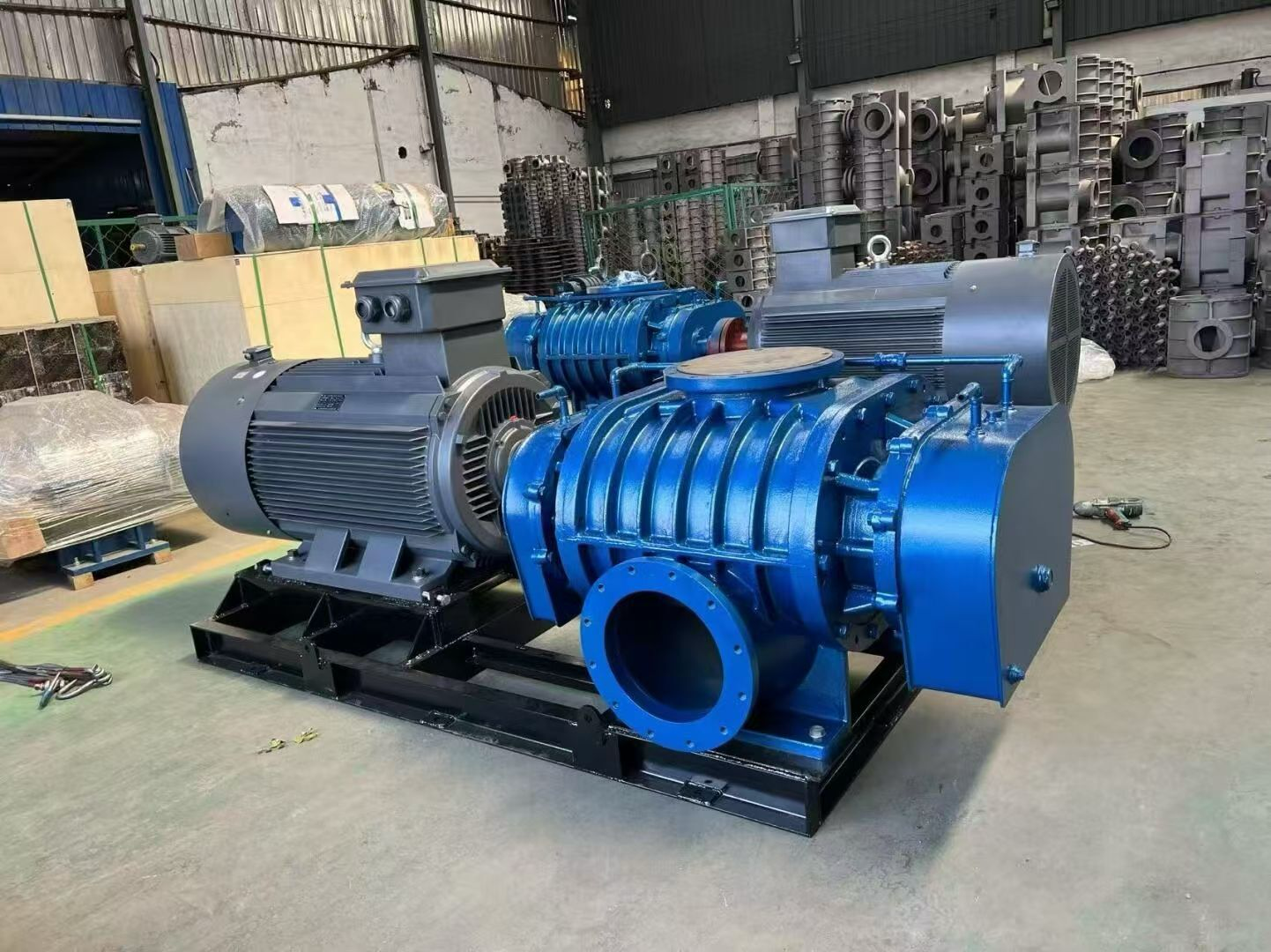
Industrial production lines require consistent and reliable air handling systems to maintain optimal performance across various manufacturing processes. Roots blower superchargers have emerged as essential components in modern industrial facilities, providing the precise pressure differentials and airflow rates needed for efficient operations. These positive displacement blowers deliver consistent performance regardless of system backpressure, making them ideal for applications ranging from pneumatic conveying to wastewater treatment. Understanding the integration process for roots blower superchargers ensures maximum efficiency and longevity in industrial environments.
Understanding Roots Blower Supercharger Technology
Operating Principles and Design Features
Roots blower superchargers operate on the principle of positive displacement, utilizing two or three counter-rotating lobes to move air through the system. The synchronized rotation creates chambers that trap and transport air from the inlet to the outlet without internal compression. This design ensures consistent volumetric flow rates regardless of discharge pressure variations, making roots blower superchargers particularly effective in applications requiring stable air delivery. The precision-engineered lobes maintain minimal clearances while avoiding direct contact, reducing wear and extending operational life.
Modern roots blower superchargers incorporate advanced materials and manufacturing techniques to enhance durability and performance. High-strength cast iron housings provide excellent dimensional stability under varying thermal conditions, while precision-machined rotors ensure optimal clearances and reduced energy consumption. The timing gears maintain perfect synchronization between rotating elements, preventing contact and minimizing noise generation. These technological advancements make contemporary roots blower superchargers significantly more efficient and reliable than earlier generations.
Performance Characteristics and Specifications
The performance envelope of roots blower superchargers encompasses a wide range of flow rates and pressure capabilities suitable for diverse industrial applications. Typical units can deliver airflow volumes from 50 to 50,000 cubic feet per minute, with pressure capabilities extending up to 15 PSI differential. The constant volume characteristics of roots blower superchargers ensure predictable performance across varying system conditions, enabling precise process control in critical applications. Energy efficiency remains high across the operating range due to the absence of internal compression and optimized flow paths.
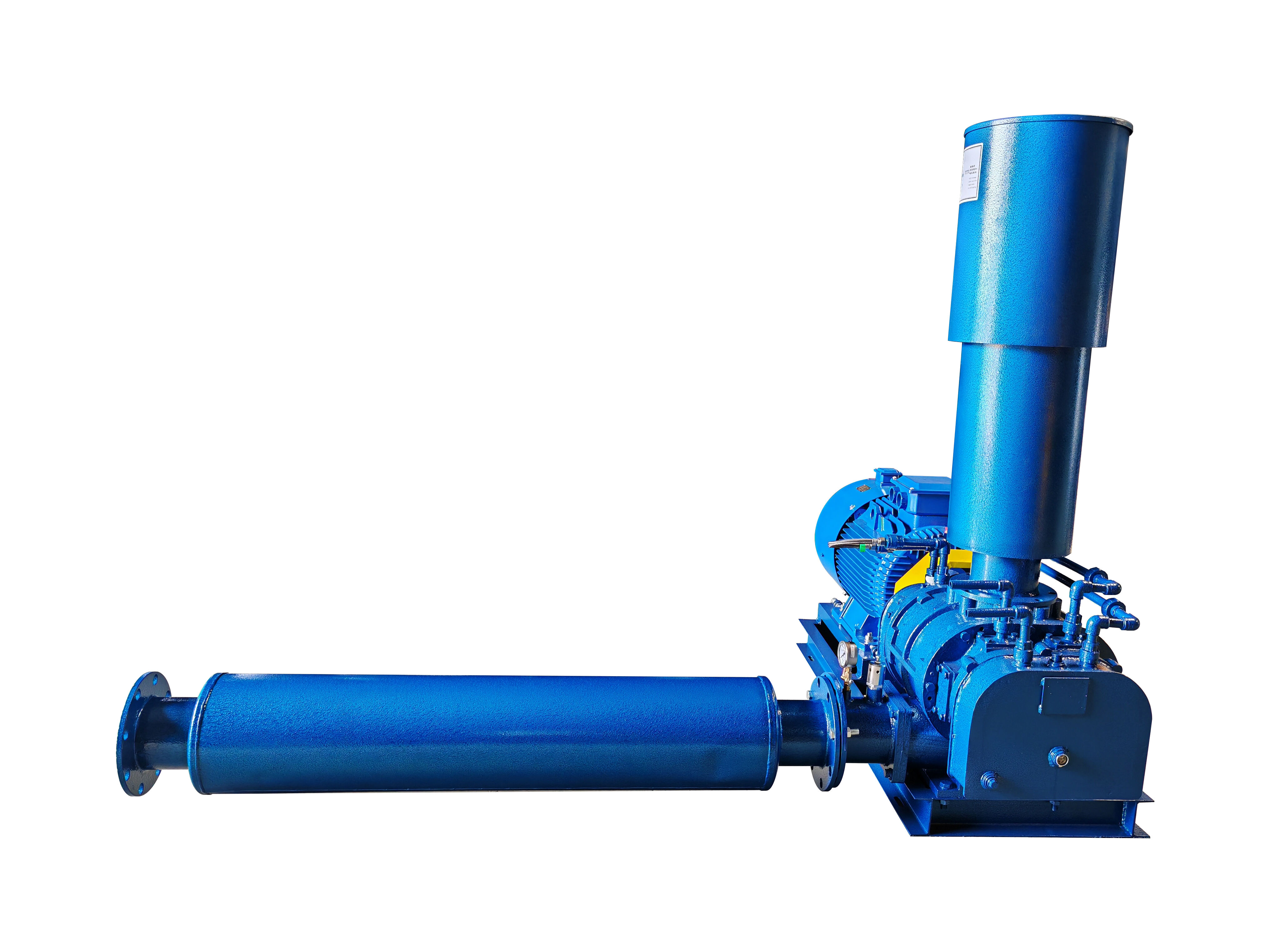
Temperature management represents a crucial aspect of roots blower supercharger operation, as compression heating can affect system performance and component longevity. Most industrial units incorporate cooling systems ranging from air-cooled designs for moderate applications to water-cooled systems for high-duty cycles. Proper thermal management ensures consistent performance while preventing premature wear of seals and bearings. Understanding these performance characteristics enables optimal selection and integration of roots blower superchargers in specific production environments.
Pre-Integration Assessment and Planning
System Requirements Analysis
Successful integration of roots blower superchargers begins with comprehensive analysis of existing production line requirements and constraints. Engineers must evaluate current airflow demands, pressure requirements, and duty cycles to determine appropriate blower sizing and configuration. This assessment includes mapping peak and average flow requirements throughout production cycles, identifying potential bottlenecks, and establishing redundancy requirements for critical processes. Proper sizing prevents both undersized units that cannot meet demand and oversized units that waste energy through inefficient operation.
Environmental factors significantly impact the selection and integration of roots blower superchargers in industrial settings. Ambient temperature variations, humidity levels, and contamination potential all influence equipment specifications and installation requirements. Facilities operating in harsh environments may require specialized coatings, enhanced filtration systems, or environmental enclosures to protect blower components. Additionally, noise regulations and space constraints must be considered during the planning phase to ensure compliance and optimal placement within existing production layouts.
Infrastructure Compatibility Evaluation
Existing electrical infrastructure requires careful evaluation to support the power requirements of roots blower superchargers. Most industrial units operate on three-phase power systems with varying voltage requirements depending on motor size and configuration. Electrical load analysis ensures adequate capacity exists or identifies necessary upgrades to support new equipment. Control system compatibility must also be assessed, particularly for facilities requiring integration with existing automation platforms or remote monitoring capabilities.
Mechanical infrastructure considerations include foundation requirements, piping connections, and vibration isolation needs. Roots blower superchargers typically require solid, level foundations to minimize vibration transmission and ensure proper alignment of rotating components. Existing piping systems may need modification or expansion to accommodate new airflow paths and pressure requirements. Proper planning at this stage prevents costly modifications during installation and ensures optimal system performance from startup.
Installation Process and Best Practices
Mechanical Installation Procedures
The physical installation of roots blower superchargers requires precise attention to alignment, leveling, and mounting procedures to ensure optimal performance and longevity. Foundation preparation involves creating level, vibration-resistant bases capable of supporting both static and dynamic loads generated during operation. Proper alignment between motor and blower assemblies prevents premature bearing wear and reduces energy consumption. Installation teams must follow manufacturer specifications for bolt torques, clearances, and coupling procedures to maintain warranty coverage and ensure safe operation.
Piping installation represents a critical aspect of roots blower supercharger integration, requiring careful attention to support, expansion compensation, and flow optimization. Inlet piping should incorporate gradual transitions and adequate straight runs to minimize turbulence and pressure losses. Discharge piping must accommodate thermal expansion and include appropriate pressure relief systems to protect equipment from overpressure conditions. Proper support systems prevent pipe stress from affecting blower alignment and performance while accommodating normal thermal cycling.
Electrical and Control System Integration
Electrical connections for roots blower superchargers must comply with local codes and manufacturer specifications to ensure safe and reliable operation. Motor control systems typically include variable frequency drives for applications requiring flow modulation, along with protective relays for overcurrent, phase loss, and thermal protection. Proper grounding and bonding prevent electrical hazards while reducing electromagnetic interference that could affect sensitive control systems. Integration with facility automation systems enables remote monitoring and control capabilities essential for modern production environments.
Control system programming must account for the unique operating characteristics of roots blower superchargers, including startup sequencing, load ramping, and protection algorithms. Soft-start capabilities reduce mechanical stress during startup while preventing excessive electrical demand on facility power systems. Monitoring systems should track key parameters including motor current, discharge pressure, bearing temperature, and vibration levels to enable predictive maintenance programs and prevent unexpected failures.
Operational Optimization and Performance Tuning
Flow Control and System Balancing
Optimizing the performance of roots blower superchargers requires careful attention to system balancing and flow control strategies. Variable frequency drives enable precise flow modulation while maintaining energy efficiency across varying load conditions. Proper system balancing ensures even distribution of airflow throughout production processes while preventing localized pressure variations that could affect product quality. Regular performance monitoring helps identify optimization opportunities and maintains peak efficiency throughout the equipment lifecycle.
System pressure management plays a crucial role in maximizing the efficiency of roots blower superchargers while protecting downstream equipment. Pressure regulation systems must maintain stable operating conditions while accommodating normal process variations. Bypass systems provide protection during startup and shutdown sequences, preventing damage from pressure surges or vacuum conditions. Proper pressure management also extends the life of system components while reducing energy consumption through optimized operating points.
Energy Efficiency Maximization
Energy optimization strategies for roots blower superchargers focus on matching equipment capacity to actual process demands while minimizing parasitic losses. Right-sizing equipment prevents the energy waste associated with oversized units operating at partial loads. Multiple smaller units may provide better efficiency and redundancy compared to single large units in applications with varying demand profiles. Heat recovery systems can capture waste heat from compression processes for use in other facility operations, improving overall energy utilization.
Regular performance monitoring and analysis enable continuous optimization of roots blower supercharger operations. Key performance indicators include specific power consumption, volumetric efficiency, and overall equipment effectiveness. Trending analysis helps identify gradual performance degradation before it affects production quality or equipment reliability. Implementing energy management systems provides real-time feedback on efficiency metrics and enables operators to make informed decisions about system optimization.
Maintenance Strategies and Reliability Enhancement
Preventive Maintenance Programs
Developing comprehensive maintenance programs ensures reliable operation of roots blower superchargers throughout their service life. Scheduled maintenance activities include lubrication system servicing, filter replacements, and periodic inspections of critical components. Bearing lubrication requires particular attention, as proper oil levels and quality directly impact equipment reliability and energy efficiency. Regular vibration monitoring helps detect developing issues before they result in costly failures or production disruptions.
Timing gear maintenance represents a critical aspect of roots blower supercharger reliability, as these components ensure proper synchronization between rotating elements. Regular inspection of gear teeth for wear, proper lubrication levels, and backlash measurements prevents catastrophic failures that could damage multiple system components. Seal replacement schedules must account for operating conditions and duty cycles, with more frequent service required in harsh environments or high-duty applications.
Predictive Maintenance Technologies
Modern predictive maintenance technologies enable early detection of potential issues in roots blower supercharger systems before they impact production operations. Vibration analysis systems continuously monitor bearing conditions, rotor balance, and alignment issues that could lead to premature failure. Thermal imaging identifies hot spots indicating lubrication problems, electrical issues, or mechanical binding. Oil analysis programs detect contamination, wear particles, and degradation products that provide insight into internal component condition.
Implementing condition-based maintenance strategies optimizes maintenance intervals while reducing the risk of unexpected failures. Smart sensors integrated into roots blower supercharger systems provide continuous monitoring of critical parameters and automatic alerts when values exceed predetermined thresholds. This approach enables maintenance teams to schedule repairs during planned downtime rather than responding to emergency failures that disrupt production schedules. Data analytics platforms help identify trends and patterns that improve maintenance effectiveness over time.
FAQ
What are the primary advantages of using roots blower superchargers in industrial applications
Roots blower superchargers offer several key advantages including consistent volumetric flow regardless of discharge pressure, high reliability due to non-contacting rotor design, relatively simple maintenance requirements, and excellent turndown ratios for variable load applications. Their positive displacement characteristics ensure predictable performance across varying system conditions, making them ideal for critical industrial processes requiring stable air delivery.
How do I determine the correct size roots blower supercharger for my application
Proper sizing requires analysis of maximum flow requirements, operating pressure range, duty cycle characteristics, and environmental conditions. Calculate peak airflow demands including safety margins, determine maximum system backpressure, and consider altitude effects on performance. Consult with manufacturers or qualified engineers to verify selections and ensure optimal efficiency for your specific operating conditions.
What maintenance intervals are recommended for roots blower superchargers
Typical maintenance intervals include daily visual inspections, weekly lubrication checks, monthly vibration monitoring, and quarterly detailed inspections of timing gears and seals. Annual maintenance should include complete lubrication system service, bearing inspection, and performance verification testing. Actual intervals may vary based on operating conditions, duty cycles, and environmental factors affecting equipment wear rates.
Can roots blower superchargers be retrofitted into existing production lines
Yes, roots blower superchargers can typically be retrofitted into existing systems with proper planning and engineering analysis. Key considerations include available space, electrical capacity, foundation requirements, and piping modifications needed for integration. Successful retrofits require careful evaluation of existing infrastructure and may need system modifications to accommodate new equipment specifications and performance characteristics.
Table of Contents
- Understanding Roots Blower Supercharger Technology
- Pre-Integration Assessment and Planning
- Installation Process and Best Practices
- Operational Optimization and Performance Tuning
- Maintenance Strategies and Reliability Enhancement
-
FAQ
- What are the primary advantages of using roots blower superchargers in industrial applications
- How do I determine the correct size roots blower supercharger for my application
- What maintenance intervals are recommended for roots blower superchargers
- Can roots blower superchargers be retrofitted into existing production lines