
 EN
EN
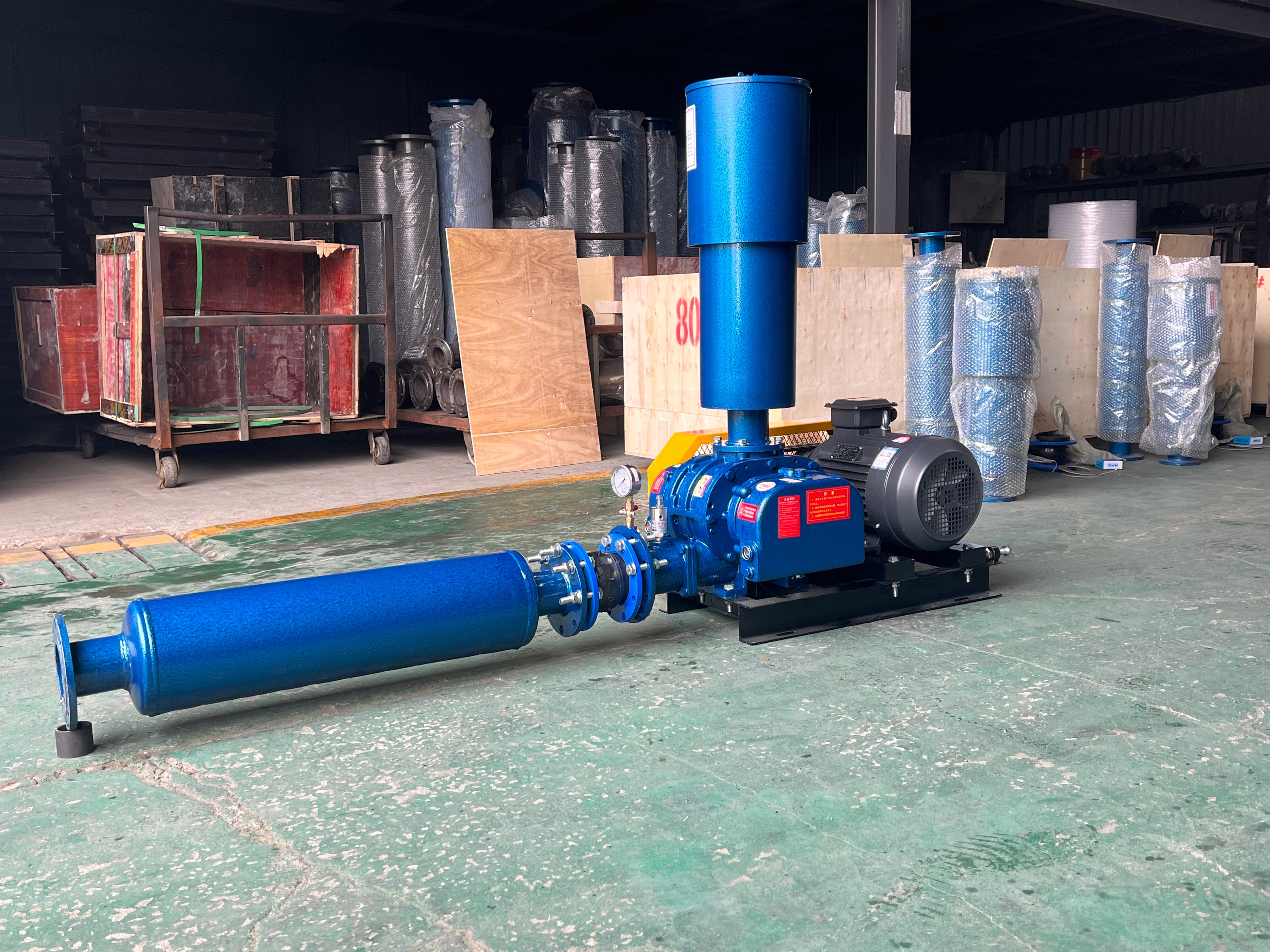
A lobe roots blower has become a cornerstone technology in modern industrial operations, delivering consistent performance across demanding applications. These machines represent a refined approach to air and gas movement, combining mechanical simplicity with proven durability. Industries ranging from wastewater treatment to pneumatic conveying rely on this technology because it offers predictable output, efficient energy use, and minimal operational complications when properly maintained and integrated into the right system design.
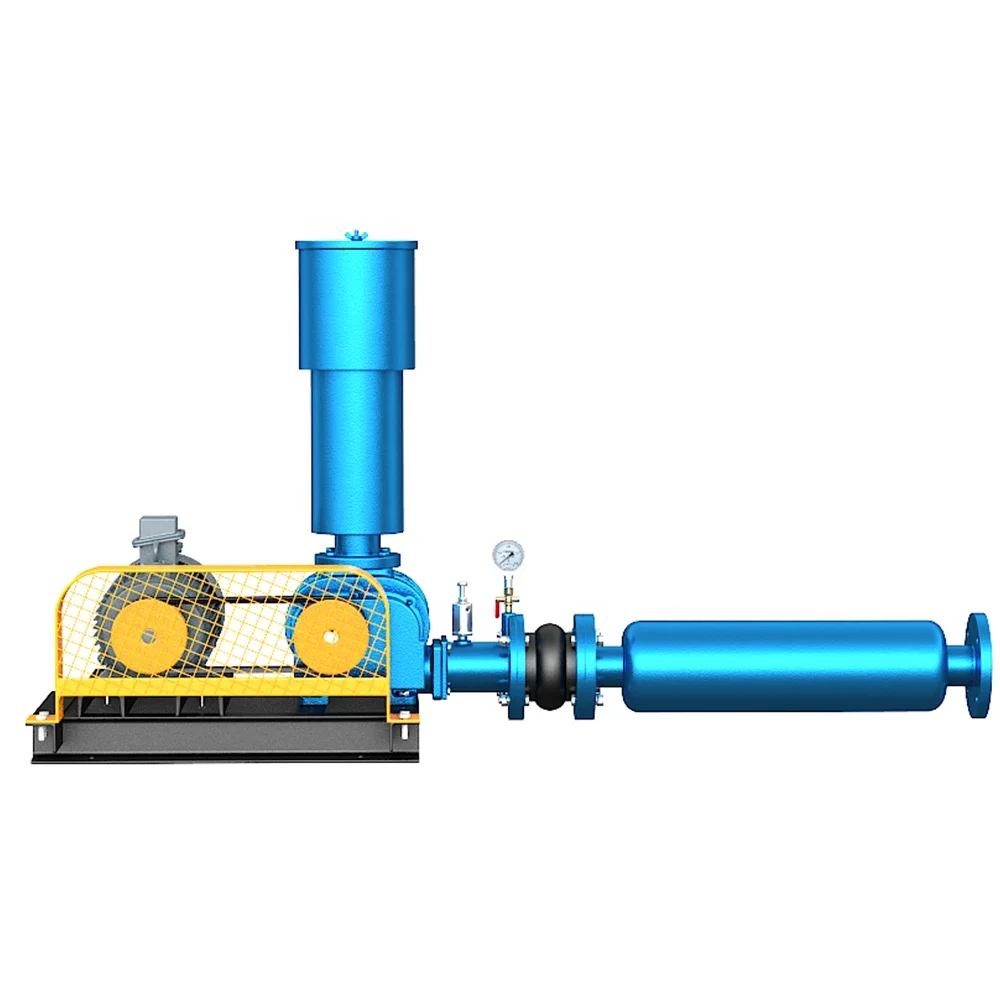
Understanding why a lobe roots blower functions so reliably requires examining its core mechanical principles, the breadth of positive displacement blower applications it serves, and the practical knowledge needed to keep it operating at peak efficiency. This exploration reveals how rotary lobe blower maintenance practices, combined with sound industrial air compression systems design, create the foundation for long-term dependability and cost control in production environments.
Core Mechanical Design and Positive Displacement Technology
The Rotor Configuration That Defines Reliability
A lobe roots blower operates using two interlocking figure-eight-shaped rotors that spin in opposite directions, creating expanding and contracting chambers without using internal compression or valves. This simple yet ingenious design eliminates many failure points found in more complex machinery. The rotors never contact each other or the housing, relying instead on precise tolerances and timing gears to maintain separation. This non-contact operation dramatically reduces wear, heat generation, and the need for frequent component replacement, making positive displacement blower applications highly attractive for facilities seeking lower maintenance costs and extended equipment life.
Why Displacement Control Matters
Positive displacement blower applications function by moving a fixed volume of air or gas with each rotor revolution, regardless of downstream pressure variations. Unlike centrifugal designs that adjust flow based on system resistance, a lobe roots blower maintains predictable output across changing conditions. This consistency proves invaluable in industrial air compression systems where process reliability takes priority over peak efficiency ratings. Pneumatic conveying lines, aeration basins, and packaging equipment all depend on this fixed-flow characteristic to guarantee material movement and process continuity.
Industrial Applications and Positive Displacement Advantages
Wastewater Treatment and Aeration
Wastewater facilities represent the largest user segment for industrial air compression systems powered by positive displacement blower applications. These plants require consistent air delivery into aeration basins where microorganisms depend on oxygen to break down organic matter. A lobe roots blower delivers uniform air volume hour after hour, supporting biological treatment efficiency and regulatory compliance. When rotary lobe blower maintenance follows manufacturer recommendations, these installations often operate for 8 to 10 years between major rebuilds, justifying the initial capital investment through reliable operation.
Pneumatic Transport and Material Handling
Pneumatic conveying systems move powders, granules, and other bulk materials through pipelines using pressurized air. A lobe roots blower provides the steady, controllable flow these systems demand, preventing product segregation and ensuring consistent delivery rates. The consistent displacement characteristic of positive displacement blower applications makes them superior to variable-output alternatives for these critical material-handling operations. Industrial air compression systems engineered around lobe roots blower technology eliminate pressure fluctuations that would degrade product quality or damage sensitive materials.
Rotary Lobe Blower Maintenance and Long-Term Dependability
Preventive Maintenance Protocols
Rotary lobe blower maintenance represents the practical investment that transforms a capable machine into a truly reliable asset. Routine tasks include monitoring bearing temperature, inspecting timing gears for wear, and ensuring inlet filters remain clean to prevent abrasive particle entry. A lobe roots blower subjected to regular oil changes, coolant system monitoring, and seal inspections will deliver dependable service across decades of operation. Industrial air compression systems designed with accessible maintenance points and straightforward component replacement procedures reinforce this reliability by reducing technician time and minimizing unscheduled downtime.
Troubleshooting Common Issues
Despite their robust design, a lobe roots blower can experience performance degradation if inlet conditions deteriorate or bearing wear accelerates. Positive displacement blower applications perform optimally when supplied with clean, dry intake air and operating within designed pressure ranges. Rotary lobe blower maintenance personnel should monitor for unusual noise, temperature creep, and pressure variations that signal developing problems. Industrial air compression systems equipped with instrumentation for real-time monitoring enable operators to catch issues early, scheduling maintenance during planned downtime rather than facing emergency shutdowns that disrupt facility operations.
System Integration and Performance Optimization
Pairing Blowers with Downstream Equipment
The reliability of a lobe roots blower extends beyond the machine itself to encompass system-level design decisions. Properly sized piping, strategically placed silencers, and well-designed receiver tanks all contribute to the overall performance of industrial air compression systems. A positive displacement blower applications strategy that includes thermal management through adequate cooling and moisture removal through appropriate drying stages protects against premature wear and performance loss. These design considerations transform a capable blower into a dependable component within a larger, optimized system architecture.
Achieving Energy Efficiency Within Reliability Constraints
Modern industrial air compression systems increasingly demand both reliability and energy consciousness. A lobe roots blower can meet these competing requirements through variable-speed drive integration and pressure optimization. While positive displacement blower applications generally consume more energy than centrifugal alternatives at equivalent volumes, their fixed-flow nature enables precise system tuning that minimizes waste. Rotary lobe blower maintenance teams working with engineering staff can often identify pressure reductions or flow adjustments that lower operating costs without compromising process reliability.
FAQ
What distinguishes a lobe roots blower from other positive displacement blower applications?
A lobe roots blower uses two rotating lobes in a figure-eight pattern, while other positive displacement designs employ screws, vanes, or gears. The lobe configuration offers simplicity, minimal internal parts, and the non-contact rotor arrangement characteristic of reliable industrial air compression systems. This design delivers steady, pulse-free flow, making it ideal for sensitive processes where consistent air delivery prevents product damage and maintains process efficiency across positive displacement blower applications.
How frequently does rotary lobe blower maintenance become necessary to maintain reliability?
Typical rotary lobe blower maintenance schedules recommend oil changes every 500 to 1,000 operating hours, bearing inspections at 2,000-hour intervals, and comprehensive seal and gear assessments annually. Industrial air compression systems with harsh inlet conditions or high ambient temperatures may require more frequent attention. Following manufacturer guidelines and tracking equipment operating history ensures that a lobe roots blower remains dependable throughout its service life, often exceeding 20 years with proper care and timely component replacement.
Can positive displacement blower applications handle variable pressure environments effectively?
Yes, a lobe roots blower maintains consistent flow output regardless of downstream pressure changes up to its rated maximum. This capability makes positive displacement blower applications highly suitable for industrial air compression systems serving multiple simultaneous demands with fluctuating consumption rates. Unlike centrifugal designs where output drops significantly as system pressure rises, rotary lobe blower designs deliver predictable performance, though operator oversight remains important to prevent excessive pressure buildup that could trigger safety relief valves.