
 EN
EN
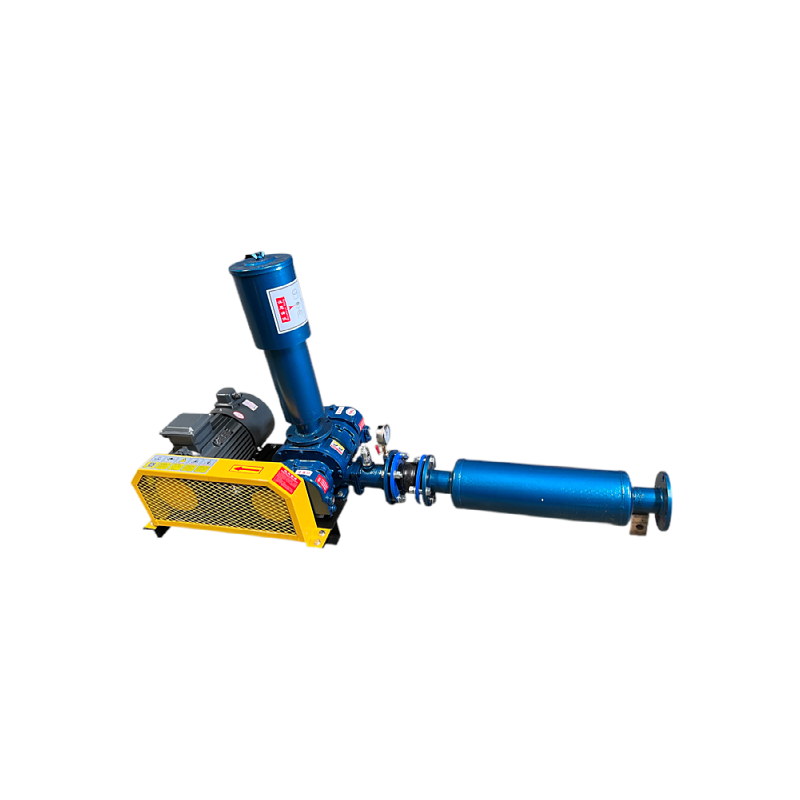
An aquaculture roots blower has become indispensable in modern fish farming operations because it directly addresses one of the most critical challenges in aquaculture: maintaining optimal dissolved oxygen levels in culture water. Fish require consistent oxygen availability to survive, grow efficiently, and maintain disease resistance. Without adequate aeration, dissolved oxygen concentrations drop rapidly, leading to fish stress, reduced growth rates, and potentially catastrophic die-offs. Roots blowers provide the high-volume, low-pressure air delivery that pond aeration equipment requires, making them the preferred technology across commercial aquaculture facilities worldwide.
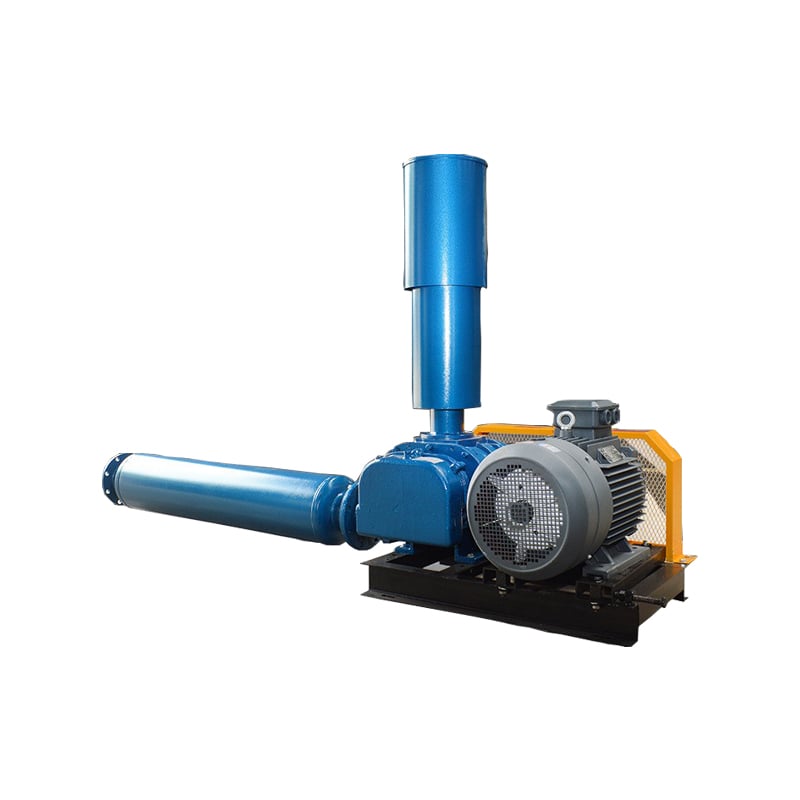
The fish farm oxygen supply system must operate reliably under demanding conditions—continuous duty cycles, fluctuating water temperatures, and varying oxygen demand patterns throughout the day and season. Roots blowers excel in these environments because their positive displacement design delivers consistent airflow independent of downstream pressure, unlike centrifugal fans that lose efficiency when backpressure increases. For fish farming operations, this reliability translates directly into stable water quality, predictable fish performance, and protection of the entire production investment.
How Roots Blowers Improve Pond Aeration Equipment Performance
Oxygen Transfer Efficiency and Water Circulation
Effective pond aeration equipment depends on consistent, high-volume air delivery to maximize oxygen transfer into the water column. A water circulation blower for aquaculture works by pushing large volumes of air through diffusers, aerators, or spargers that break the air into fine bubbles, increasing contact surface area with the water. The larger the air volume and the more stable the pressure, the more oxygen can dissolve into the water per unit of time. Roots blowers provide this stable, high-volume delivery over extended operating periods, enabling fish farm oxygen supply systems to maintain dissolved oxygen concentrations above the critical 4–5 mg/L threshold that most farmed fish species require for normal metabolism and growth.
Temperature and Load Variability Management
Water temperature affects both fish oxygen demand and the water's ability to hold dissolved oxygen. Warmer water holds less oxygen but fish metabolic rates increase, creating higher oxygen requirements during summer months. A water circulation blower for aquaculture must scale responsively to these seasonal shifts. Roots blower technology maintains consistent volumetric airflow regardless of seasonal temperature swings, ensuring that pond aeration equipment continues delivering adequate oxygen supply when demand peaks. This stability prevents the boom-and-bust oxygen cycles that cause stress and disease outbreaks in fish populations.
Why Roots Blower Design Suits Aquaculture Requirements
Positive Displacement Advantage in Agricultural Settings
Roots blowers operate on positive displacement principles, meaning a fixed volume of air is moved with each rotor revolution, independent of downstream backpressure. This design characteristic makes roots blower technology fundamentally suited to aquaculture because it guarantees consistent airflow even when diffuser lines become partially clogged by biofilm, sediment, or mineral deposits—common real-world scenarios in fish farming. Unlike centrifugal aeration equipment that degrades in performance as backpressure rises, an aquaculture roots blower maintains its rated capacity, ensuring that your fish farm oxygen supply system remains reliable throughout extended maintenance intervals.
Low Noise and Compact Installation
Roots blowers generate lower noise levels compared to high-speed centrifugal fans, an important advantage for farms located near residential areas or in regulated acoustic zones. Additionally, pond aeration equipment using roots blower design requires less installation footprint, allowing operators to position the compressor closer to ponds or integrate it into existing facility layouts without expensive infrastructure modifications. The simple, robust mechanical design of roots blower units also translates to lower maintenance frequency and reduced operator skill requirements for routine servicing, helping farms control long-term operational costs.
Operational Benefits and Production Impact
Dissolved Oxygen Stability Drives Fish Health Outcomes
Consistent dissolved oxygen supply directly improves multiple fish health and production metrics. When a fish farm oxygen supply system maintains stable oxygen levels, stress-related diseases decline, feed conversion efficiency improves, and growth rates remain predictable. An aquaculture roots blower ensures that oxygen availability never becomes the limiting factor in production planning. Fish respond by exhibiting better appetite, faster growth, and stronger immune function. Over a 12-month production cycle, these cumulative health improvements translate into measurable increases in harvest weight and market-ready fish volume per unit area, directly improving financial performance.
Scalability and Equipment Integration
Farms expanding production capacity often face critical decisions about aeration infrastructure. Roots blower technology scales effectively across farm sizes, from small batch systems to large-scale intensive operations. Pond aeration equipment built around roots blower platforms can be modularly expanded by adding parallel units or progressively larger displacement models without requiring complete system redesign. This flexibility allows fish farming businesses to grow incrementally while maintaining consistent operational protocols and staff familiarity with a proven water circulation blower for aquaculture design.
FAQ
What oxygen levels should my fish farm oxygen supply system maintain?
Most farmed fish species thrive when dissolved oxygen concentrations remain between 5–8 mg/L, with a minimum safe threshold around 4 mg/L. An aquaculture roots blower system designed and sized appropriately for your pond volume and stocking density ensures your fish farm oxygen supply system maintains these levels consistently throughout the day and across seasonal temperature variations.
How often does pond aeration equipment using roots blower technology require maintenance?
Roots blower units typically require minimal maintenance when properly installed and operated within design specifications. Routine checks of bearing oil levels, diffuser line inspection, and visual confirmation of blower output should occur monthly. A water circulation blower for aquaculture generally operates maintenance-free for 3,000–5,000 hours between major service intervals, significantly extending equipment life compared to centrifugal alternatives.
Can an aquaculture roots blower handle partial backpressure from clogged diffuser lines?
Yes, positive displacement design means an aquaculture roots blower continues delivering consistent airflow even when diffusers develop biofilm or sediment deposits that increase backpressure. However, prolonged operation under excessive backpressure can generate heat buildup, so routine diffuser cleaning remains essential for optimal efficiency and equipment longevity in your pond aeration equipment.