
 EN
EN
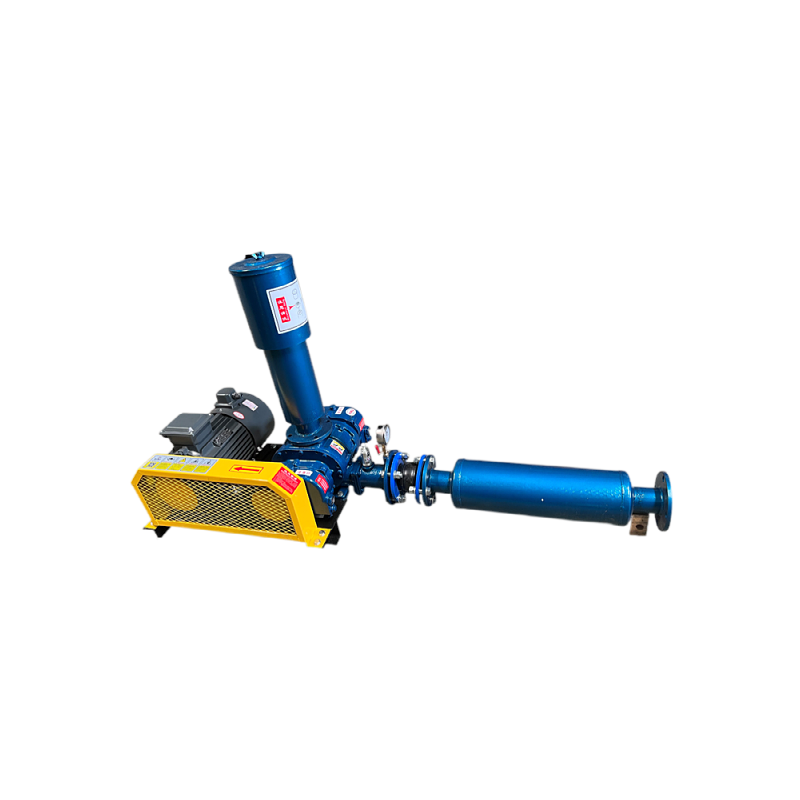
Aquaculture roots blowers have revolutionized oxygen delivery systems in modern shrimp farming operations, providing consistent and reliable aeration that directly impacts production yields and operational efficiency. These specialized mechanical devices generate high-volume, low-pressure airflow that maintains optimal dissolved oxygen levels throughout shrimp ponds, creating the environmental conditions necessary for healthy crustacean growth and development.
The implementation of an aquaculture roots blower system brings measurable advantages to shrimp farm operations, from enhanced survival rates to improved feed conversion ratios. Understanding these specific benefits enables farm operators to make informed decisions about aeration infrastructure investments and optimize their production strategies for maximum profitability and sustainable growth.
Enhanced Dissolved Oxygen Management
Consistent Oxygen Distribution Throughout Pond Systems
An aquaculture roots blower delivers uniform oxygen distribution across entire pond surfaces through strategically positioned diffuser networks. This consistent airflow pattern eliminates dead zones where oxygen depletion typically occurs, ensuring that shrimp populations receive adequate dissolved oxygen regardless of their location within the farming system. The mechanical reliability of roots blower technology maintains steady air pressure output, preventing the fluctuations that can stress shrimp populations during critical growth phases.
The continuous operation capability of aquaculture roots blower systems provides 24-hour oxygenation support, which is essential during nighttime hours when natural photosynthesis ceases and oxygen consumption by pond organisms continues. This round-the-clock oxygen supply prevents the dangerous morning oxygen crashes that can devastate shrimp populations and compromise entire production cycles.
Improved Water Quality Stabilization
Beyond basic oxygenation, an aquaculture roots blower promotes beneficial water circulation that helps maintain optimal water quality parameters throughout shrimp farming operations. The constant air injection creates vertical water movement that prevents thermal stratification and promotes uniform temperature distribution, reducing stress factors that can inhibit shrimp growth and immune system function.
The enhanced water movement generated by aquaculture roots blower systems also facilitates the breakdown of organic waste materials through improved biological processes. This accelerated decomposition reduces harmful ammonia and nitrite accumulation, creating healthier growing conditions that support higher stocking densities and improved production efficiency.
Increased Shrimp Growth Performance
Accelerated Growth Rates and Size Consistency
Optimal oxygen levels maintained by aquaculture roots blower systems directly correlate with improved shrimp metabolic efficiency and faster growth rates. Research indicates that shrimp exposed to consistent dissolved oxygen concentrations above 5 ppm demonstrate significantly higher weight gain compared to those in poorly aerated environments. The reliable oxygen supply enables shrimp to process feed more efficiently, converting nutrients into biomass at optimal rates.
The uniform environmental conditions created by aquaculture roots blower systems promote more consistent growth patterns across shrimp populations. This size uniformity is particularly valuable for harvest planning and market pricing, as processors prefer consistent product sizes that meet specific commercial specifications.
Enhanced Feed Conversion Efficiency
Proper aeration through aquaculture roots blower systems optimizes shrimp digestive processes, leading to improved feed conversion ratios that directly impact operational profitability. Well-oxygenated environments enable shrimp to maintain higher activity levels and more efficient nutrient absorption, reducing the amount of feed required to achieve target weights and minimizing waste production.
The consistent water quality maintained by aquaculture roots blower operations reduces stress-related feed refusal, ensuring that shrimp consume their allocated feed portions consistently. This predictable feeding behavior allows farm managers to optimize feeding schedules and quantities, further improving feed conversion efficiency and reducing operational costs.
Operational Cost Benefits and Energy Efficiency
Reduced Electricity Consumption Compared to Alternative Systems
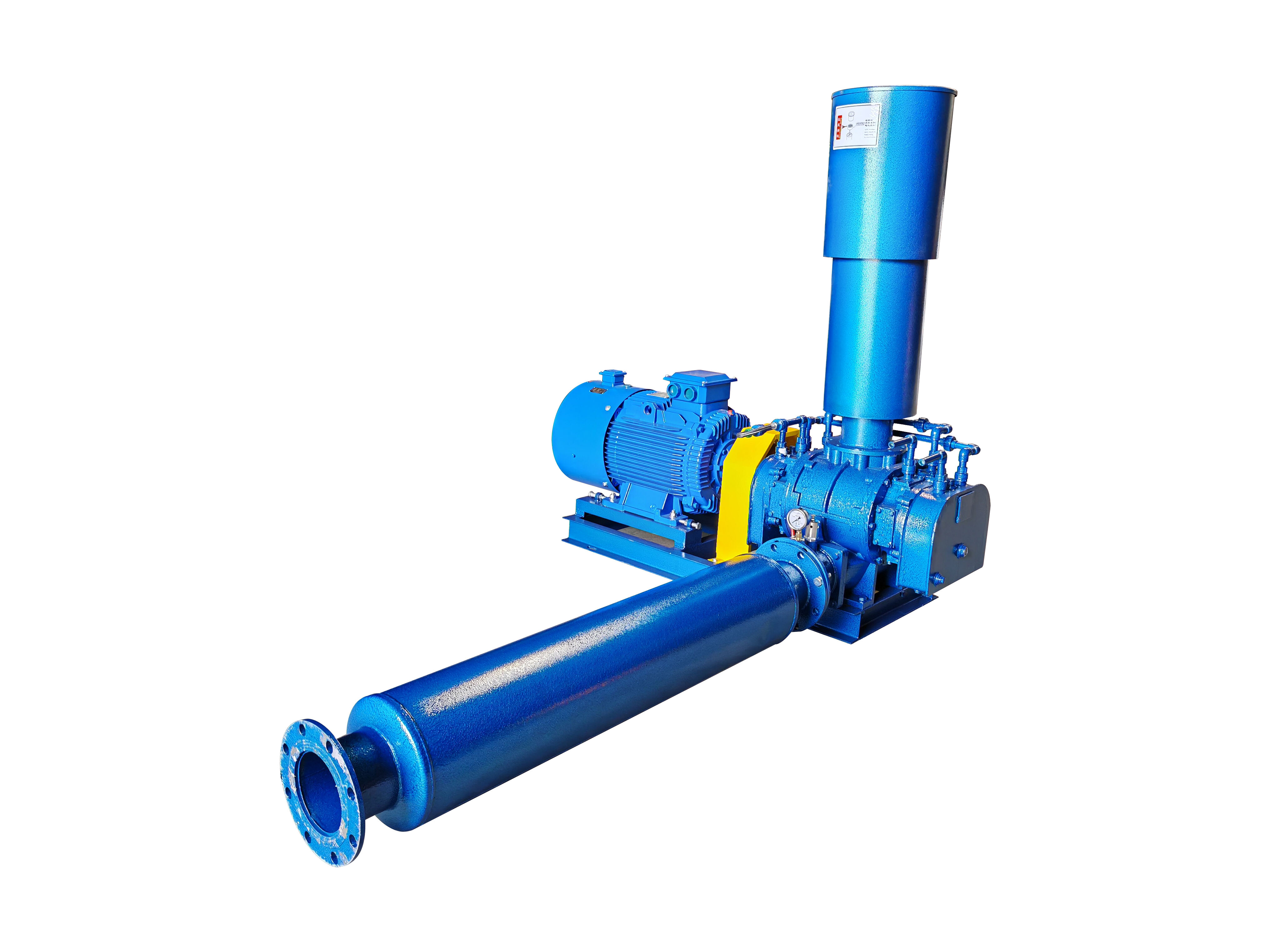
Aquaculture roots blower technology offers superior energy efficiency compared to traditional paddle wheel aerators or surface aerators commonly used in shrimp farming. The positive displacement design of roots blowers achieves higher oxygen transfer efficiency per kilowatt hour consumed, resulting in lower electricity costs for maintaining required dissolved oxygen levels across pond systems.
The modular design of aquaculture roots blower installations allows farm operators to scale aeration capacity precisely to match pond requirements, avoiding over-aeration that wastes energy without providing additional benefits. This targeted approach to oxygen delivery optimization can reduce overall energy consumption by 20-30% compared to conventional aeration methods while maintaining superior water quality conditions.
Lower Maintenance Requirements and Extended Equipment Lifespan
The robust mechanical construction of aquaculture roots blower systems requires minimal maintenance compared to submerged or surface-mounted aeration equipment. The enclosed design protects internal components from corrosive pond environments, reducing replacement part requirements and extending operational lifespan beyond traditional aeration alternatives.
Preventive maintenance for aquaculture roots blower systems typically involves simple procedures such as lubrication checks and air filter replacements, which can be performed by farm personnel without specialized technical expertise. This reduced maintenance complexity minimizes operational disruptions and lowers long-term ownership costs.
Production Yield and Profitability Improvements
Higher Stocking Density Capabilities
The superior oxygen delivery capacity of aquaculture roots blower systems enables shrimp farms to maintain higher stocking densities without compromising animal health or growth performance. The reliable oxygenation support allows operators to increase shrimp populations per pond by 15-25% compared to facilities using conventional aeration methods, directly increasing production potential from existing infrastructure.
Higher stocking densities supported by aquaculture roots blower systems translate into improved land utilization efficiency, which is particularly valuable in regions where suitable aquaculture land is limited or expensive. This intensification capability allows farms to maximize revenue generation from their available pond area while maintaining sustainable production practices.
Reduced Mortality Rates and Improved Survival
The consistent environmental conditions maintained by aquaculture roots blower systems significantly reduce stress-related mortality in shrimp populations. Stable oxygen levels prevent the sudden die-offs that commonly occur during weather changes or equipment failures, protecting farmers' investments and ensuring more predictable harvest yields.
Improved survival rates achieved through aquaculture roots blower implementation typically range from 10-20% higher than conventional aeration systems, directly impacting farm profitability through increased harvest volumes. This improved survival also reduces the need for restocking during production cycles, lowering seed stock costs and simplifying farm management operations.
Disease Prevention and Immune System Support
Reduced Pathogen Development Through Improved Water Quality
The enhanced water circulation and oxygenation provided by aquaculture roots blower systems create environmental conditions that discourage pathogenic bacteria and virus proliferation. Well-oxygenated water with proper circulation patterns prevents the anaerobic conditions that favor harmful microorganism development, reducing disease pressure on shrimp populations throughout production cycles.
The consistent water quality maintained by aquaculture roots blower operations reduces the environmental stress factors that compromise shrimp immune systems and increase disease susceptibility. Healthy, unstressed shrimp populations demonstrate greater resistance to common aquaculture diseases, reducing the need for therapeutic treatments and associated production losses.
Enhanced Shrimp Immune Response and Vitality
Optimal oxygen levels supported by aquaculture roots blower systems promote robust immune system function in shrimp populations, enabling natural disease resistance mechanisms to operate effectively. Well-oxygenated environments support the production of immune cells and antibodies that protect shrimp against bacterial and viral infections commonly encountered in aquaculture operations.
The improved vitality resulting from proper aeration through aquaculture roots blower systems enhances shrimp behavioral responses and feeding activity, which are important indicators of population health and early warning signs of potential disease issues. Active, responsive shrimp populations are easier to monitor and manage effectively.
FAQ
How much electricity does an aquaculture roots blower consume compared to paddle wheel aerators?
Aquaculture roots blower systems typically consume 20-30% less electricity than paddle wheel aerators while delivering superior oxygen transfer efficiency. A typical 3-horsepower aquaculture roots blower can provide equivalent oxygenation to a 5-horsepower paddle wheel system, resulting in significant energy cost savings over extended operational periods.
What is the typical lifespan of an aquaculture roots blower in shrimp farming applications?
With proper maintenance, an aquaculture roots blower can operate effectively for 8-12 years in shrimp farming environments. The enclosed design protects internal components from corrosive conditions, while regular maintenance intervals of 500-1000 operating hours ensure optimal performance throughout the equipment's service life.
Can aquaculture roots blower systems operate during power outages or equipment failures?
Many aquaculture roots blower installations include backup power systems or redundant blower configurations to maintain oxygenation during emergencies. Battery backup systems can typically provide 4-8 hours of continuous operation, while generator backup systems enable extended emergency operation to prevent catastrophic oxygen depletion events.
What pond sizes are suitable for aquaculture roots blower installations in shrimp farming?
Aquaculture roots blower systems are effective for pond sizes ranging from 0.5 to 5 hectares, with larger installations requiring multiple blower units for optimal coverage. The modular design allows farmers to scale aeration capacity precisely to match their specific pond dimensions and stocking density requirements while maintaining efficient operation.
Table of Contents
- Enhanced Dissolved Oxygen Management
- Increased Shrimp Growth Performance
- Operational Cost Benefits and Energy Efficiency
- Production Yield and Profitability Improvements
- Disease Prevention and Immune System Support
-
FAQ
- How much electricity does an aquaculture roots blower consume compared to paddle wheel aerators?
- What is the typical lifespan of an aquaculture roots blower in shrimp farming applications?
- Can aquaculture roots blower systems operate during power outages or equipment failures?
- What pond sizes are suitable for aquaculture roots blower installations in shrimp farming?