
 EN
EN
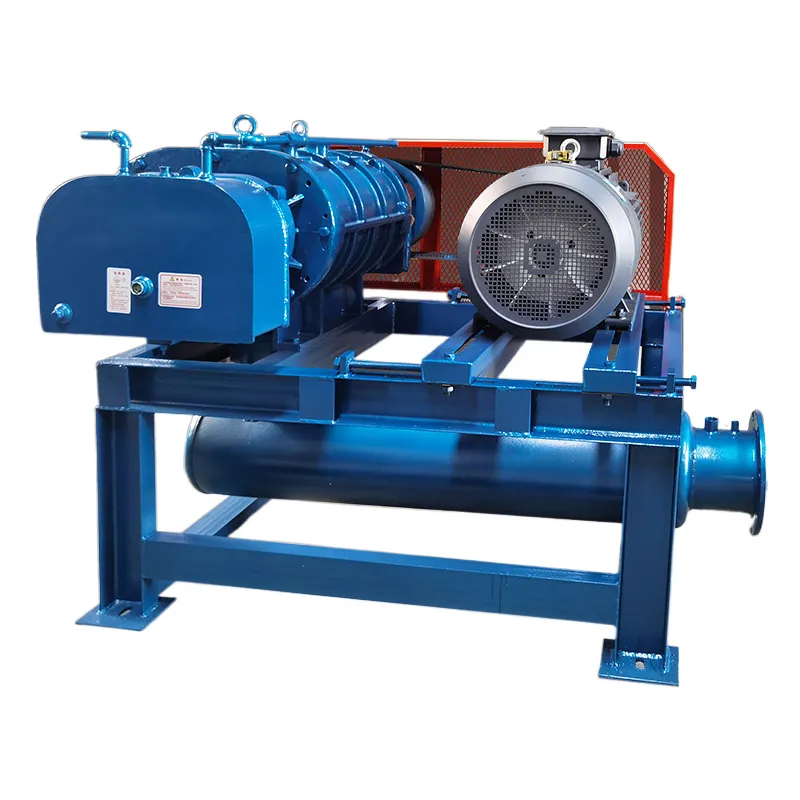
Selecting the proper capacity for an aquaculture roots blower represents one of the most critical decisions in designing an efficient fish farming aeration system. The wrong capacity choice can lead to inadequate dissolved oxygen levels, excessive energy consumption, or unnecessary capital expenditure that impacts your operation's profitability. Understanding the specific airflow requirements, pressure conditions, and system characteristics of your aquaculture facility forms the foundation for making an informed blower selection decision.
The capacity selection process for an aquaculture roots blower involves analyzing multiple interconnected factors including pond volume, fish stocking density, water temperature variations, and the specific oxygen transfer efficiency of your aeration system. Modern fish farming operations require precise airflow calculations to maintain optimal dissolved oxygen levels while minimizing operational costs. This comprehensive approach ensures that your aquaculture roots blower operates within its most efficient range while providing adequate aeration capacity for peak demand periods throughout different seasons and production cycles.
Understanding Aquaculture Aeration Requirements
Calculating Basic Airflow Needs
The fundamental calculation for aquaculture roots blower capacity begins with determining the standard airflow requirement per unit of fish biomass or pond volume. Industry standards typically recommend 1.5 to 3.0 cubic feet per minute (CFM) per pound of fish biomass, though this varies significantly based on water temperature, fish species, and feeding intensity. Higher water temperatures reduce oxygen solubility, requiring increased aeration capacity from your aquaculture roots blower to maintain adequate dissolved oxygen levels above 5 mg/L.
Water depth significantly impacts the pressure requirements for your aquaculture roots blower system. Each foot of water depth adds approximately 0.43 psi of backpressure that the blower must overcome. Deep pond systems may require 3-8 psi operating pressure, while shallow raceway systems typically operate at 1-3 psi. This pressure requirement directly influences the aquaculture roots blower selection, as higher pressure demands reduce the effective airflow delivery and may require a larger capacity unit.
Oxygen transfer efficiency varies considerably between different aeration methods and equipment configurations. Fine bubble diffusers achieve 8-12% oxygen transfer efficiency, while coarse bubble systems typically achieve 2-4% efficiency. Your aquaculture roots blower capacity must account for these efficiency differences to ensure adequate oxygen dissolution. The actual dissolved oxygen production capacity determines the biological carrying capacity of your system rather than just the raw airflow volume.
Fish Species and Stocking Density Considerations
Different fish species exhibit varying oxygen consumption rates that directly impact aquaculture roots blower sizing requirements. Warm-water species like tilapia, catfish, and carp typically consume 200-400 mg oxygen per kilogram of fish per hour under normal conditions. Cold-water species such as trout and salmon have higher oxygen demands, often requiring 400-800 mg oxygen per kilogram per hour, necessitating larger capacity aquaculture roots blower systems.
High-density aquaculture operations place intensive demands on aeration systems, requiring careful aquaculture roots blower capacity planning. Intensive systems with stocking densities exceeding 50-100 kg per cubic meter need continuous aeration with significant reserve capacity for emergency situations. The aquaculture roots blower must provide sufficient airflow to handle peak oxygen demand periods, which typically occur during feeding times, high water temperatures, or periods of organic load buildup.
Feeding schedules and feed conversion ratios impact oxygen consumption patterns throughout the day. During active feeding periods, fish oxygen consumption can increase 2-3 times above resting levels, requiring your aquaculture roots blower system to accommodate these demand spikes. Additionally, bacterial decomposition of uneaten feed and waste products creates additional oxygen demand that must be factored into capacity calculations.
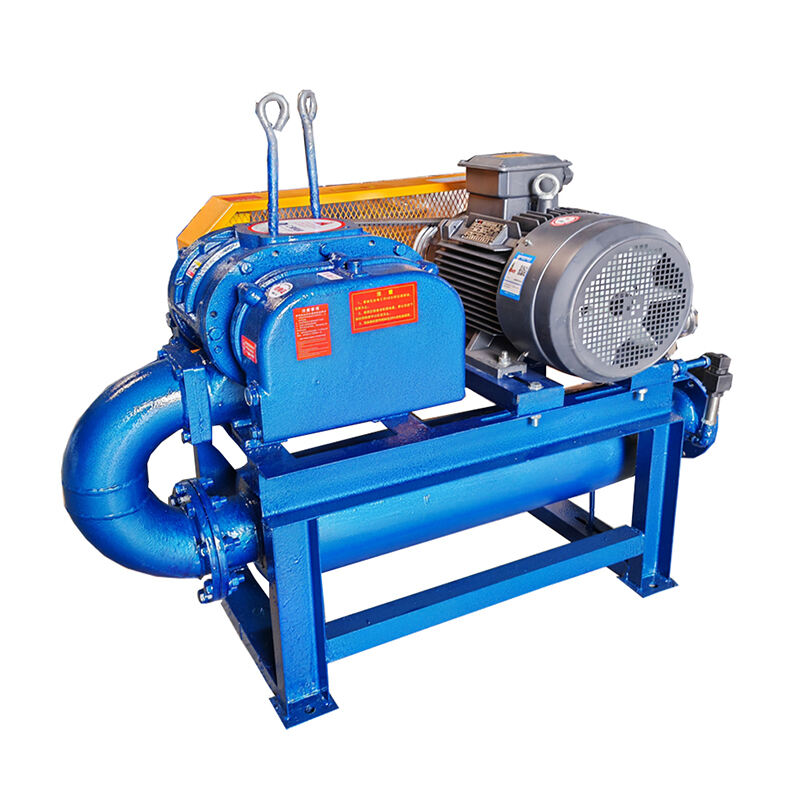
System Design Factors Affecting Blower Selection
Distribution Network Pressure Losses
The pipe network design connecting your aquaculture roots blower to the aeration points creates pressure losses that reduce effective airflow delivery. Friction losses in pipes, fittings, and valves can consume 1-3 psi of the blower's available pressure, requiring careful hydraulic calculations during system design. Undersized distribution piping forces the aquaculture roots blower to work against higher backpressure, reducing efficiency and potentially requiring a larger capacity unit.
Air distribution manifolds and valve systems add complexity to pressure loss calculations while enabling operational flexibility. Multi-zone aeration systems allow selective operation of different pond sections, but the valve arrangements must be designed to maintain adequate pressure throughout the network. Your aquaculture roots blower selection must account for the maximum pressure drop scenario when all zones operate simultaneously at peak demand conditions.
Diffuser head loss varies significantly between manufacturers and designs, affecting the total system pressure requirements. Fine bubble membrane diffusers typically operate at 2-6 psi, while ceramic stone diffusers may require 4-10 psi depending on pore size and construction. The aquaculture roots blower capacity must provide adequate pressure margin above these operating requirements to maintain consistent performance as diffusers experience fouling or aging.
Environmental and Seasonal Variations
Seasonal temperature fluctuations create varying oxygen solubility conditions that impact aquaculture roots blower capacity requirements. Summer conditions with water temperatures above 25°C (77°F) significantly reduce oxygen solubility, requiring increased aeration intensity to maintain adequate dissolved oxygen levels. Your aquaculture roots blower sizing should account for worst-case summer conditions while avoiding excessive over-capacity for cooler periods.
Barometric pressure variations affect both oxygen solubility and blower performance characteristics. Higher altitudes reduce atmospheric pressure, decreasing both the driving force for oxygen transfer and the effective capacity of your aquaculture roots blower. Facilities located above 1000 feet elevation should apply altitude correction factors when sizing blower capacity to ensure adequate performance under local atmospheric conditions.
Weather patterns influence organic loading and decomposition rates in aquaculture systems. Extended cloudy periods reduce photosynthetic oxygen production from algae while maintaining bacterial oxygen consumption, creating net oxygen demand that must be met by mechanical aeration. Storm events can introduce organic matter and increase biological oxygen demand, requiring reserve capacity in your aquaculture roots blower system.
Performance Matching and Efficiency Optimization
Blower Curve Analysis
Understanding aquaculture roots blower performance curves enables precise matching between equipment capacity and system requirements. The relationship between airflow, pressure, and power consumption varies significantly across the operating range, with peak efficiency typically occurring at 70-85% of maximum rated capacity. Operating your aquaculture roots blower continuously near maximum capacity reduces efficiency and increases wear, while oversizing results in poor efficiency at low loads.
Multi-stage or variable speed aquaculture roots blower systems provide operational flexibility for varying demand conditions. Variable frequency drives allow capacity modulation while maintaining reasonable efficiency across a broader operating range. This flexibility proves valuable in aquaculture applications where oxygen demand varies significantly with temperature, feeding schedules, and production cycles throughout the year.
System resistance curves must be calculated accurately to determine the operating point where blower capacity meets system demand. The intersection of the aquaculture roots blower performance curve with the system resistance curve defines the actual operating airflow and pressure. Changes in water level, diffuser condition, or valve positions shift the system curve, affecting the actual delivered capacity from your blower.
Energy Consumption and Operating Costs
Energy costs typically represent 60-80% of the total operating expense for aquaculture roots blower systems, making efficiency optimization crucial for economic operation. Proper capacity selection ensures operation near peak efficiency points while avoiding the energy penalties associated with oversized equipment. A 25% oversized aquaculture roots blower can consume 15-20% more energy than properly sized equipment due to reduced operating efficiency.
Power consumption calculations must account for motor efficiency, drive losses, and blower mechanical efficiency across the expected operating range. Premium efficiency motors and optimized drive systems can reduce overall energy consumption by 5-10% compared to standard equipment. The aquaculture roots blower selection process should evaluate total cost of ownership including purchase price, installation costs, and projected energy consumption over the equipment lifespan.
Demand charges and time-of-use electricity rates affect the economic optimization of aquaculture roots blower capacity. Systems that can reduce peak demand through intelligent control or thermal storage strategies may justify different sizing approaches. Load management capabilities become increasingly important as utility rate structures evolve toward peak demand pricing models.
Redundancy and Reliability Planning
Backup Capacity Requirements
Aquaculture operations require high reliability aeration systems due to the rapid fish mortality that can occur during oxygen depletion events. Most intensive fish farming facilities implement N+1 redundancy, where backup aquaculture roots blower capacity equals or exceeds the largest single unit capacity. This approach ensures continued operation at adequate capacity levels even during equipment failures or maintenance periods.
Emergency backup systems may utilize different aquaculture roots blower technologies or power sources to provide true redundancy against common mode failures. Diesel-powered emergency blowers, compressed air systems, or oxygen injection equipment can provide temporary life support during extended power outages or major equipment failures. The backup capacity requirements depend on fish density, water temperature, and the time required to implement emergency procedures.
Maintenance scheduling requires careful coordination to ensure adequate aquaculture roots blower capacity remains available during routine service intervals. Predictive maintenance programs using vibration analysis, oil analysis, and performance monitoring can optimize maintenance timing while avoiding unexpected failures. The total installed capacity must accommodate planned maintenance outages without compromising fish health or production targets.
System Integration and Control
Modern aquaculture facilities integrate aquaculture roots blower control systems with dissolved oxygen monitoring, automated feeding systems, and environmental controls. Real-time oxygen monitoring enables demand-based blower operation, optimizing energy consumption while maintaining adequate dissolved oxygen levels. These integrated control systems can automatically adjust blower capacity based on measured conditions rather than operating at fixed capacity levels.
Telemetry and remote monitoring capabilities enable off-site supervision of aquaculture roots blower performance and system conditions. Alarm systems notify operators of low dissolved oxygen conditions, equipment failures, or abnormal operating parameters that require immediate attention. Remote diagnostic capabilities can identify developing problems before they result in equipment failures or fish losses.
Data logging and performance analysis provide insights for optimizing aquaculture roots blower operation and identifying opportunities for system improvements. Historical data analysis reveals patterns in oxygen demand, equipment performance, and energy consumption that inform future capacity planning decisions. This operational data becomes invaluable for validating design assumptions and optimizing system performance over time.
FAQ
What is the typical capacity range for aquaculture roots blowers in fish farming applications?
Aquaculture roots blowers typically range from 50 CFM for small research or hobby systems up to 5000+ CFM for large commercial operations. Most commercial fish farms use multiple blowers in the 200-2000 CFM range to provide adequate capacity with appropriate redundancy. The specific capacity requirement depends on fish species, stocking density, water temperature, and aeration system efficiency.
How do I calculate the pressure requirements for my aquaculture aeration system?
Calculate pressure requirements by adding static water head (0.43 psi per foot of depth), diffuser operating pressure (2-8 psi depending on type), and system pressure losses (1-3 psi for piping and fittings). Include a 10-20% safety margin for fouling and system variations. Deep pond systems typically require 5-12 psi total pressure capability from the aquaculture roots blower.
Should I choose one large blower or multiple smaller units for my aquaculture facility?
Multiple smaller aquaculture roots blower units provide better redundancy, operational flexibility, and maintenance advantages compared to a single large unit. The multiple-blower approach allows continued operation during equipment maintenance, enables capacity modulation for varying demand, and reduces the risk of total system failure. Most commercial operations use 2-4 blowers sized for N+1 redundancy.
How often should aquaculture roots blower capacity be reassessed for existing facilities?
Reassess aquaculture roots blower capacity annually or whenever significant changes occur in fish stocking density, species mix, feeding rates, or system configuration. Performance monitoring data should be reviewed quarterly to identify trends in oxygen demand or equipment efficiency. Major system expansions, seasonal temperature patterns, or changes in production goals may require immediate capacity reevaluation to ensure adequate aeration capability.
Table of Contents
- Understanding Aquaculture Aeration Requirements
- System Design Factors Affecting Blower Selection
- Performance Matching and Efficiency Optimization
- Redundancy and Reliability Planning
-
FAQ
- What is the typical capacity range for aquaculture roots blowers in fish farming applications?
- How do I calculate the pressure requirements for my aquaculture aeration system?
- Should I choose one large blower or multiple smaller units for my aquaculture facility?
- How often should aquaculture roots blower capacity be reassessed for existing facilities?