
 EN
EN
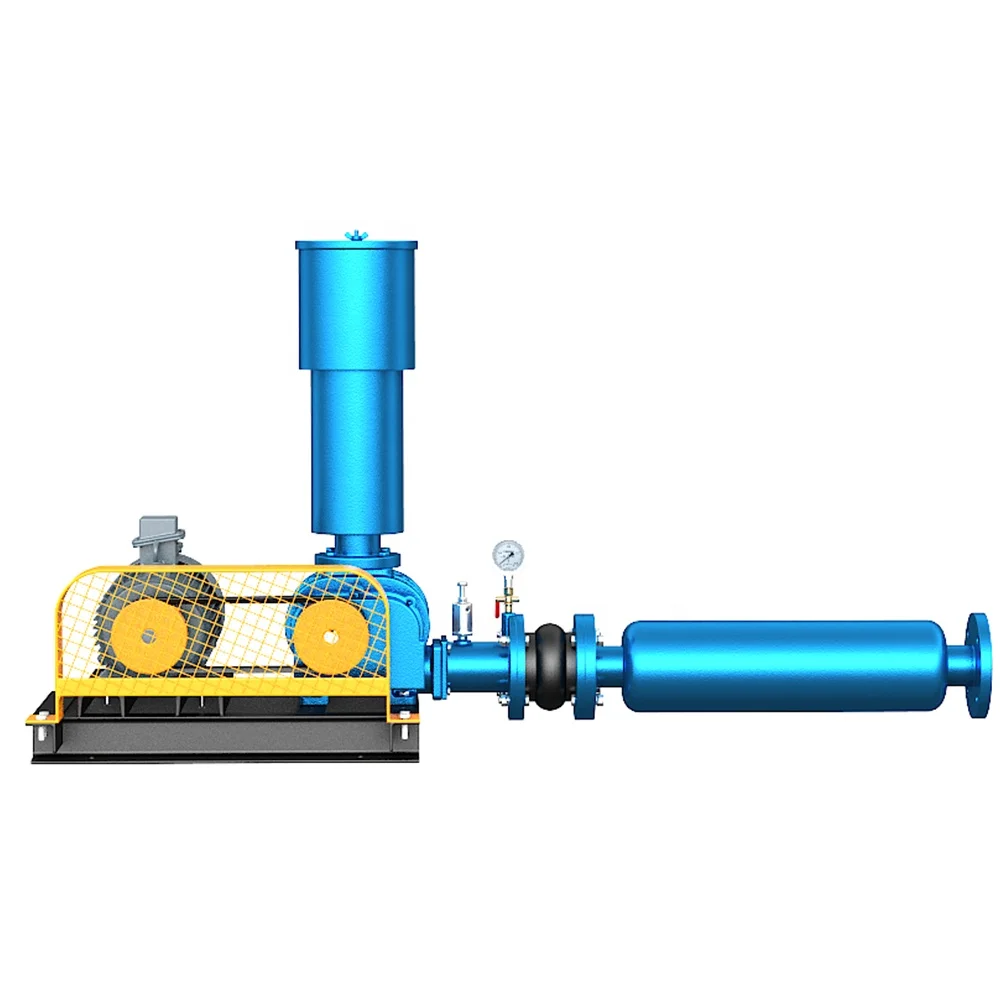
Manufacturing facilities depend on reliable air handling systems to maintain operational continuity and product quality. A lobe roots blower delivers consistent, predictable airflow essential for countless industrial processes, from pneumatic conveying to aeration systems. This rotary positive displacement blower operates by trapping air between rotating lobes and the housing, creating a steady stream without significant pressure fluctuations that would compromise manufacturing precision.
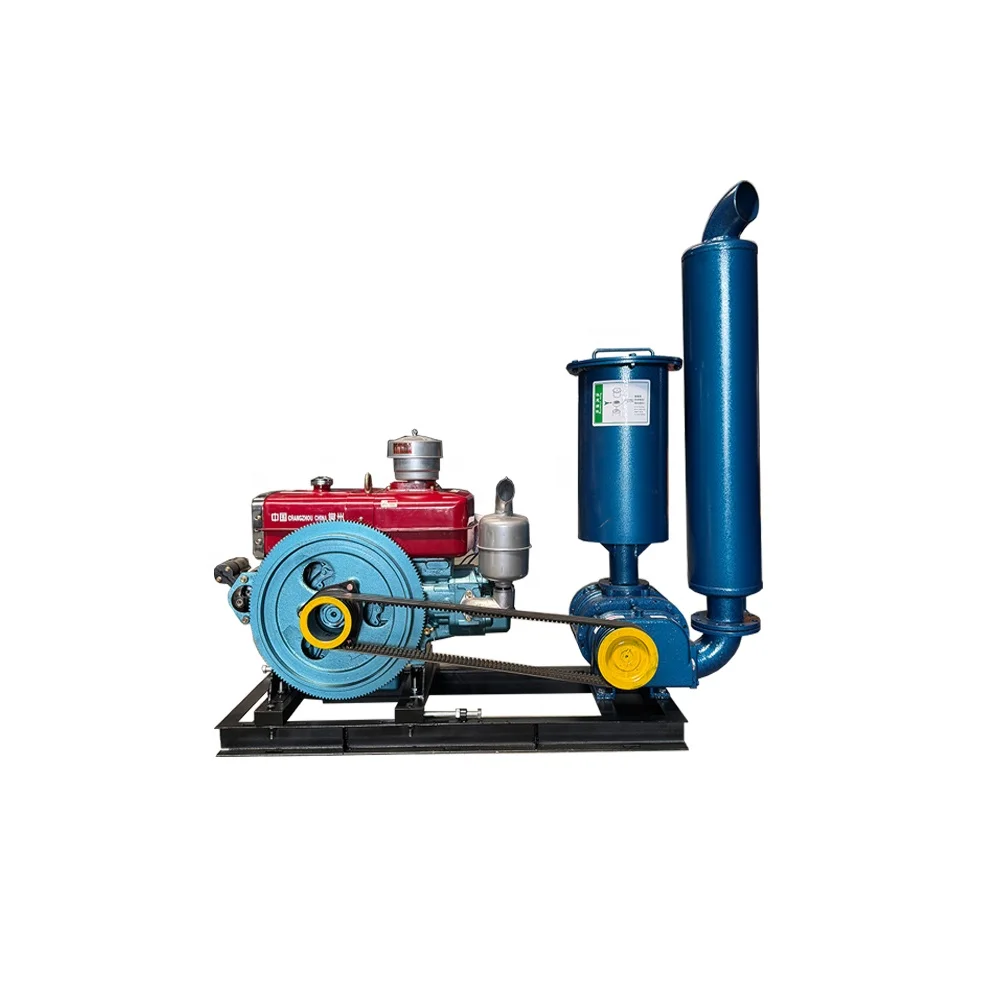
Understanding how industrial air handling equipment maintains stable airflow requires examining the mechanical principles that make positive displacement technology so valuable. Unlike centrifugal blowers that vary output with system resistance, a lobe roots blower provides fixed displacement per revolution, ensuring manufacturing operations receive constant air supply regardless of downstream pressure changes. This mechanical certainty makes rotary lobe blower applications ideal for processes where airflow consistency directly impacts product integrity and equipment performance.
Mechanical Design and Airflow Generation
How Positive Displacement Technology Works
The fundamental strength of positive displacement blower specifications lies in their mechanical simplicity and reliability. A lobe roots blower contains two figure-eight shaped rotors that rotate in opposite directions within a carefully machined housing. As these rotors turn, they trap air in expanding chambers, then compress and discharge it continuously. This mechanical action creates a remarkably uniform airflow profile with minimal pulsation compared to other compression methods. The positive displacement principle ensures that every complete rotation delivers the same volume of air, making rotary lobe blower applications predictable and dependable for precision manufacturing environments.
Consistency Across Operating Conditions
Manufacturing facilities benefit from industrial air handling equipment that maintains consistent output across varying operational demands. The lobe roots blower excels in this area because its displacement remains constant regardless of discharge pressure within design limits. When a pneumatic conveying system suddenly experiences backpressure, a traditional centrifugal blower would throttle and reduce output. However, positive displacement blower specifications ensure the lobe roots blower continues delivering rated airflow, protecting production schedules and preventing conveying line blockages that waste time and materials.
Rotary Lobe Blower Applications in Modern Manufacturing
Pneumatic Conveying Systems
Pneumatic conveying represents one of the most demanding rotary lobe blower applications across heavy and light manufacturing. These systems transport powders, granules, and other bulk materials through enclosed pipelines using compressed air, requiring reliable pressure and consistent volume. A lobe roots blower provides the steady airflow foundation that prevents material settling in transmission lines and maintains uniform acceleration of conveyed particles. Industrial facilities handling cement, flour, plastics, or chemical powders depend on this stability to avoid product degradation and maintain throughput targets that drive profitability.
Wastewater Treatment and Environmental Control
Wastewater treatment plants and environmental remediation facilities represent critical rotary lobe blower applications where airflow stability directly protects public health. Aeration basins require constant oxygen supply to maintain biological processes that break down contaminants. Positive displacement blower specifications ensure these processes receive uninterrupted airflow even when treatment volumes fluctuate seasonally or during peak loads. The lobe roots blower's ability to maintain stable outlet pressure prevents process instability that could allow harmful microorganisms to proliferate or reduce treatment effectiveness.
Industrial Air Handling Equipment Performance Characteristics
Pressure Stability and System Reliability
Industrial air handling equipment performance depends fundamentally on pressure stability that protects downstream equipment and ensures process consistency. A lobe roots blower operates with minor pressure pulsation inherent to its dual-lobe design, creating a smooth discharge stream compared to single-lobe compressors. This characteristic makes positive displacement blower specifications attractive for sensitive manufacturing processes where pressure spikes could damage delicate equipment or disrupt precision operations. Pharmaceutical manufacturing, semiconductor processing, and precision agriculture all benefit from the stable pressure profile that a lobe roots blower delivers continuously throughout operational shifts.
Energy Efficiency and Operational Longevity
Manufacturing decision-makers increasingly recognize that rotary lobe blower applications deliver long-term value through energy efficiency and mechanical durability. The lobe roots blower's positive displacement design eliminates wasted motion and parasitic losses that plague variable-displacement systems operating at partial load. Industrial air handling equipment that maintains consistent delivery patterns reduces motor strain and thermal stress, extending bearing life and reducing maintenance intervals. Facilities implementing this technology often report lower power consumption compared to oversized centrifugal alternatives, directly improving bottom-line profitability while supporting sustainability commitments that modern operations demand.
FAQ
Why does a lobe roots blower maintain stable airflow better than centrifugal alternatives?
A lobe roots blower uses positive displacement technology where mechanical displacement per revolution remains constant regardless of system pressure. Centrifugal blowers modulate output based on pressure resistance, delivering less air when backpressure increases. This fundamental difference means the lobe roots blower provides unvarying airflow for consistent manufacturing performance, while centrifugal units fluctuate with operational conditions. For industrial air handling equipment requiring absolute reliability, the mechanical certainty of positive displacement blower specifications makes the lobe roots blower superior in stability.
What industrial air handling equipment applications benefit most from rotary lobe blower stability?
Rotary lobe blower applications span pneumatic conveying, wastewater treatment aeration, vacuum and pressure applications, and process air supply for manufacturing. Any application where consistent airflow directly impacts product quality or system safety benefits from the lobe roots blower's stable delivery characteristics. Industries handling sensitive materials, treating environmental waste, or requiring precise process control rely on positive displacement blower specifications to eliminate variability that could compromise operations. Process consistency drives manufacturing efficiency and product integrity across these diverse applications.
How do positive displacement blower specifications compare to capacity and power requirements?
Positive displacement blower specifications typically require larger displacement and motor power than centrifugal units delivering equivalent average volume, because the lobe roots blower operates continuously at full displacement. However, this apparent disadvantage becomes an investment benefit when process reliability justifies higher initial cost through improved manufacturing outcomes and reduced operational disruptions. Industrial air handling equipment decisions should evaluate total cost of ownership rather than equipment purchase price alone. Many facilities discover that rotary lobe blower applications provide better economics when accounting for energy consistency, maintenance reduction, and manufacturing uptime that stable airflow delivers.