
 EN
EN
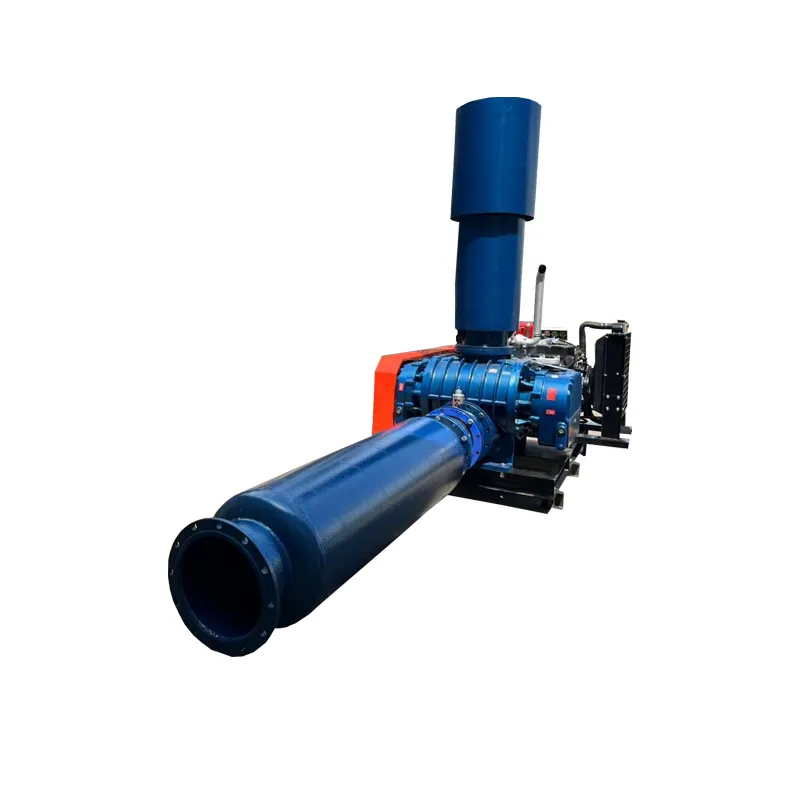
The roots blower has become the backbone of modern industrial operations, earning its place as the standard choice for countless applications. Unlike centrifugal alternatives, a roots blower delivers consistent, reliable airflow across varying pressure conditions, making it indispensable for manufacturers, processors, and facility managers worldwide. The fundamental design principles behind this equipment ensure predictable performance in demanding industrial environments.
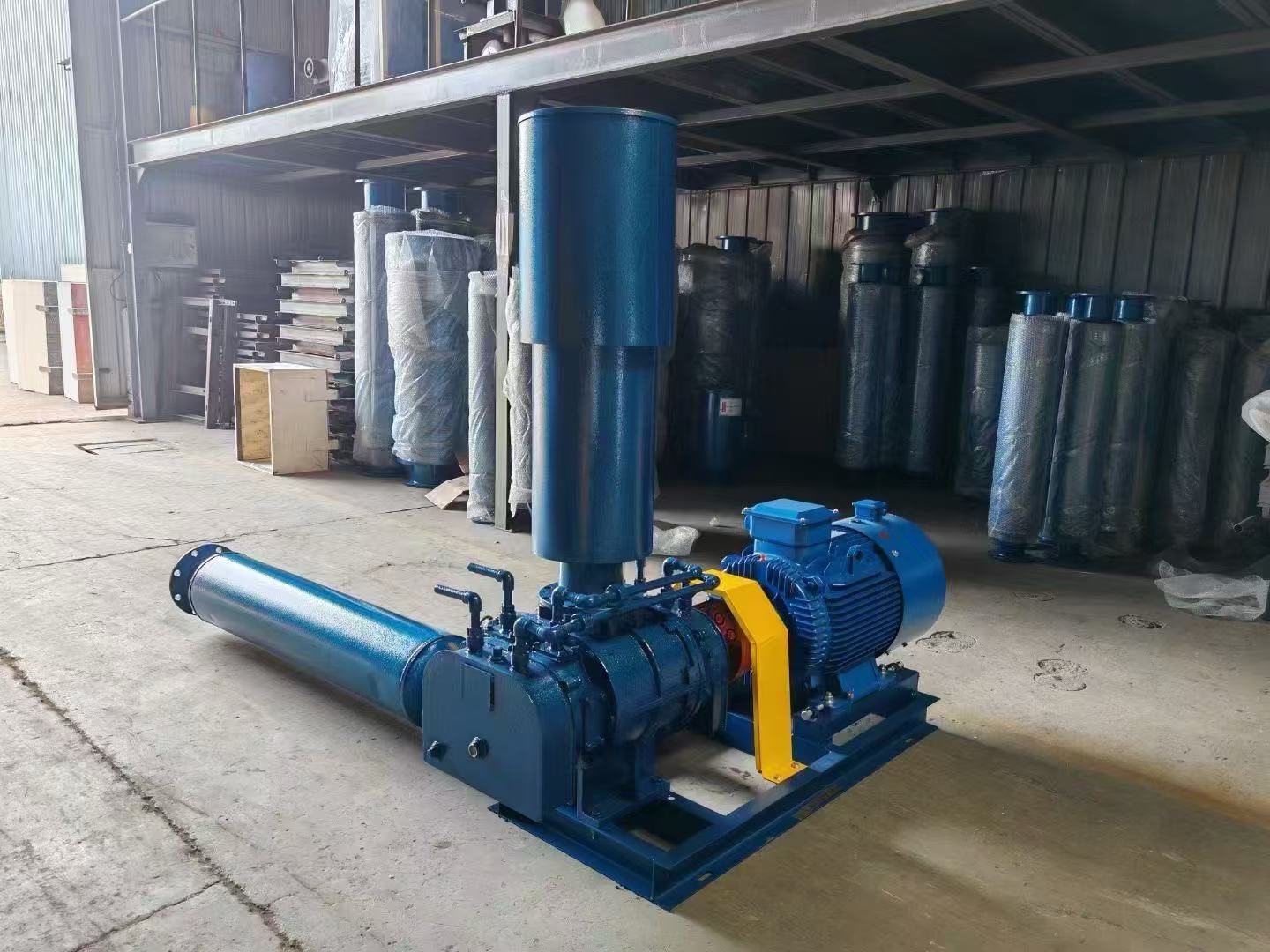
Industrial operations demand equipment that performs consistently under real-world conditions, and this is precisely where positive displacement blower technology excels. Whether handling pneumatic conveying, wastewater aeration, or vacuum applications, a roots blower operates on direct mechanical principles that eliminate many of the variables affecting centrifugal systems. This article explores the technical and operational reasons why positive displacement blower solutions, particularly rotary lobe blower designs, have become the preferred standard across manufacturing, food processing, chemical handling, and environmental treatment sectors.
Understanding Positive Displacement Blower Design
Core Mechanical Principles of Rotary Lobe Blower Technology
A positive displacement blower moves air by trapping it in expanding and contracting chambers, then forcing it out at the delivery side. Unlike centrifugal units that accelerate air through impeller spin, a rotary lobe blower uses synchronized rotating lobes that mesh without touching, creating sealed air pockets. This mechanical approach guarantees a fixed volume of air per shaft rotation, regardless of downstream pressure conditions. The result is stable, predictable performance that simplifies system design and maintenance planning.
The rotary lobe blower design incorporates precisely engineered timing gears that synchronize the two rotating lobes, maintaining critical clearances while preventing contact. This synchronization is fundamental to reliability and efficiency, as even minor wear patterns can be compensated through standard maintenance procedures. Air handling equipment specifications typically emphasize this mechanical certainty because it allows engineers to predict exact airflow rates under diverse operating scenarios, a capability that centrifugal alternatives struggle to match.
Why Positive Displacement Technology Outperforms Alternatives
Centrifugal blowers depend on high-speed impeller rotation to create pressure differentials, meaning their output varies dramatically with pressure requirements and inlet conditions. When downstream resistance increases, centrifugal units lose efficiency rapidly, sometimes requiring oversized motors to maintain adequate flow. A positive displacement blower maintains constant displacement regardless of pressure, delivering full rated flow even as system resistance climbs. This stability eliminates the efficiency cliff that plagues centrifugal systems and makes pneumatic conveying, wastewater treatment, and process applications far more controllable.
Industrial operators value this predictability because it reduces energy waste, simplifies system commissioning, and improves long-term cost management. When air handling equipment specifications call for guaranteed minimum flow rates or consistent delivery under variable load conditions, rotary lobe blower technology delivers what centrifugal alternatives cannot reliably promise.
Industrial Applications Driving Adoption
Pneumatic Conveying and Material Handling Systems
Pneumatic conveying systems transport powders, pellets, and granular materials through sealed pipes using pressurized air. These applications require steady, reliable airflow that maintains consistent conveying velocity regardless of pipe length, elevation changes, or material properties. A roots blower excels in this role because its constant displacement ensures materials move predictably through the system without bridging, slugging, or flow interruptions. Flour mills, cement facilities, chemical plants, and food processors depend on positive displacement blower systems to move millions of tons of material annually with minimal product degradation.
The precision that positive displacement blower design enables makes material recovery more efficient and product quality more consistent. When manufacturers specify rotary lobe blower equipment for pneumatic systems, they gain the ability to run longer conveying distances, handle more demanding material types, and achieve tighter process controls than centrifugal alternatives would allow.
Wastewater Treatment and Environmental Applications
Municipal and industrial wastewater treatment relies on steady aeration to activate biological treatment processes. Treatment basins require sustained, uniform air distribution across varying depth and density conditions. A roots blower provides the constant volumetric flow that makes aeration systems predictable and efficient, even as temperature, water composition, and bacterial loads fluctuate throughout daily and seasonal cycles. Environmental treatment operators choose positive displacement blower technology because it maintains aerobic conditions reliably, reducing treatment time and improving effluent quality.
Air handling equipment specifications for wastewater applications prioritize reliability and energy efficiency, both of which rotary lobe blower designs deliver inherently. The mechanical simplicity of positive displacement blower systems also reduces maintenance complexity and unplanned downtime in these critical treatment environments.
Vacuum Applications and Industrial Processing
Industrial vacuum systems require equipment capable of sustained performance under continuous duty conditions. From packaging machinery to wood processing to industrial filtration, vacuum applications demand reliable operation across extended run times. A roots blower operating in vacuum mode (with inlet and discharge reversed) provides the predictable airflow and pressure differential that keeps these systems functioning optimally. The straightforward mechanical design of positive displacement blower equipment means fewer failure points and simpler troubleshooting when issues arise.
Operational and Economic Advantages
Energy Efficiency and Cost Effectiveness
Modern facilities operate under increasing pressure to reduce energy consumption and operational costs. A rotary lobe blower delivers superior energy efficiency in most industrial applications because it maintains constant displacement without requiring oversized motors to handle variable load conditions. Since positive displacement blower systems operate at consistent flow rates matching actual system requirements, they avoid the energy waste that occurs when centrifugal units must run above optimal efficiency ranges. Over facility lifespans spanning decades, this efficiency translates to substantial electricity savings and reduced environmental impact.
Industrial managers recognize that choosing roots blower equipment over centrifugal alternatives often recovers initial cost premiums through energy savings within three to five years of operation. When air handling equipment specifications emphasize lifecycle cost analysis rather than initial purchase price alone, positive displacement blower solutions emerge as the economically superior choice.
Reliability and Maintenance Simplicity
The straightforward mechanical design of a roots blower means fewer complex components prone to failure. Centrifugal systems require precision bearings, complex impeller geometries, and sophisticated sealing systems that demand specialized expertise and expensive replacement parts. Positive displacement blower maintenance involves standard bearing servicing, lobe synchronization checks, and basic seal inspections that any facility maintenance team can handle. This mechanical simplicity reduces unplanned downtime, extends intervals between major overhauls, and minimizes emergency repair costs.
When industrial operations specify rotary lobe blower equipment, they gain equipment that operators can understand intuitively, maintain proactively, and repair economically. This reliability factor often proves decisive in facilities where downtime carries severe consequences for production schedules and customer commitments.
FAQ
What distinguishes a positive displacement blower from other air handling equipment types?
A positive displacement blower moves air through mechanical chamber compression rather than centrifugal force, guaranteeing constant volumetric flow regardless of downstream pressure conditions. This fundamental difference means positive displacement blower equipment maintains stable performance across varying system demands, while centrifugal alternatives experience efficiency losses as pressure resistance increases. The mechanical certainty of rotary lobe blower design makes performance predictable and controllable in industrial applications where consistency directly impacts product quality and process efficiency.
Why do industrial facilities choose roots blower technology over centrifugal alternatives for critical applications?
Industrial operations select roots blower equipment because positive displacement blower principles deliver guaranteed airflow stability, superior energy efficiency at partial loads, and straightforward mechanical simplicity. Rotary lobe blower systems require smaller motors, eliminate efficiency cliffs under varying pressure conditions, and prove easier to maintain with less specialized expertise. When air handling equipment specifications emphasize reliability, cost-effectiveness, and long-term operational stability, positive displacement blower solutions consistently outperform centrifugal alternatives across manufacturing, treatment, and processing environments.
How does positive displacement blower technology reduce industrial facility operating costs?
Positive displacement blower systems lower operating costs through superior energy efficiency, reduced maintenance complexity, and extended equipment service life. A roots blower avoids the motor oversizing required by centrifugal alternatives to maintain adequate flow under pressure, directly reducing electricity consumption. Rotary lobe blower equipment features simpler mechanical designs with fewer failure points, meaning less frequent maintenance, lower repair expenses, and reduced downtime losses. When industrial managers calculate total lifecycle costs including energy, maintenance, and downtime factors, positive displacement blower technology typically delivers 20 to 40 percent lower operating expenses than centrifugal alternatives over ten-year timeframes.
Table of Contents
- Understanding Positive Displacement Blower Design
- Industrial Applications Driving Adoption
- Operational and Economic Advantages
-
FAQ
- What distinguishes a positive displacement blower from other air handling equipment types?
- Why do industrial facilities choose roots blower technology over centrifugal alternatives for critical applications?
- How does positive displacement blower technology reduce industrial facility operating costs?