
 EN
EN
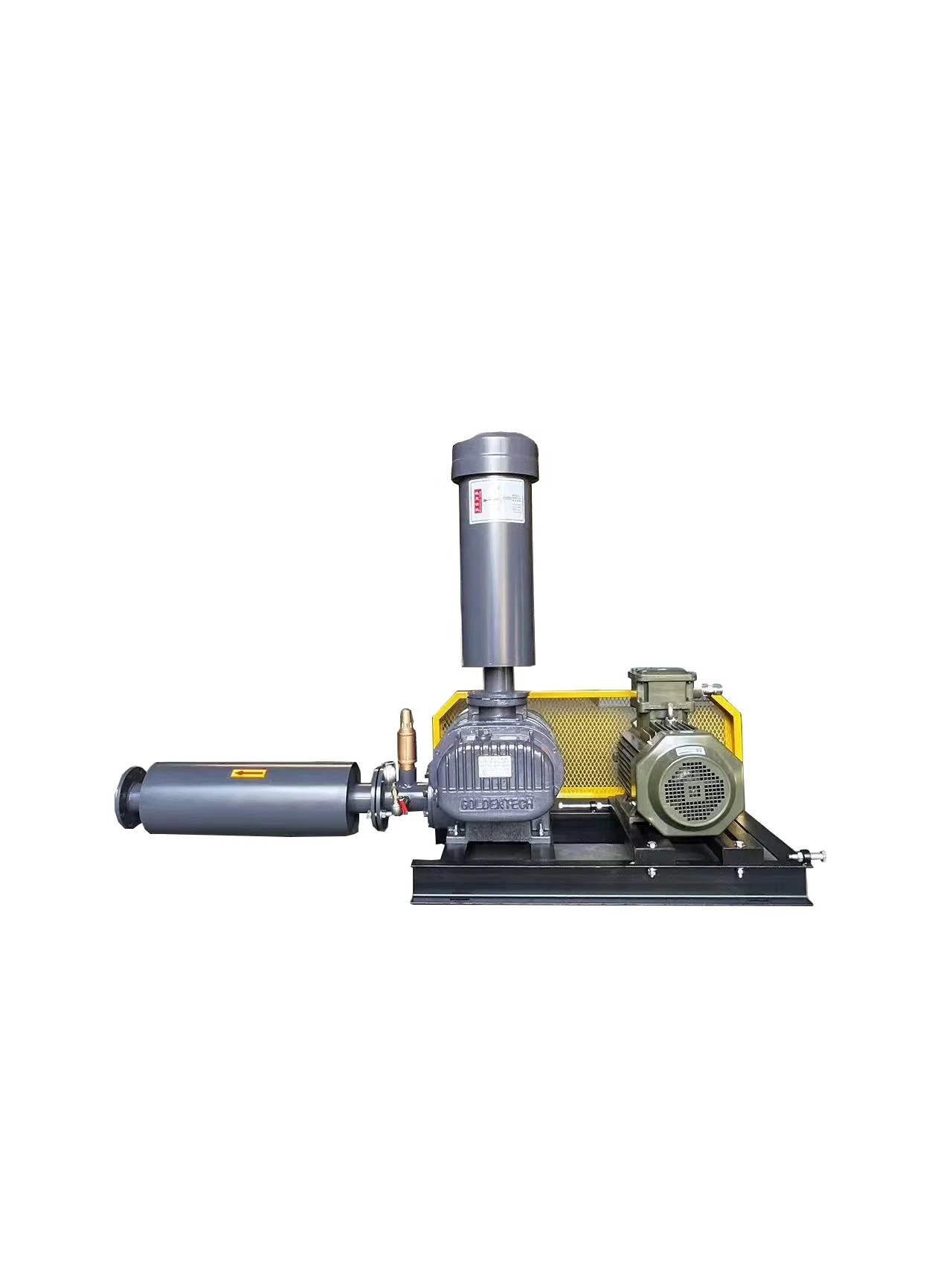
Selecting the right equipment for industrial applications requires careful analysis of multiple technical and operational factors. Before committing to a lobe roots blower, procurement teams must evaluate specifications, maintenance demands, and application compatibility to ensure the investment delivers long-term value and operational reliability.
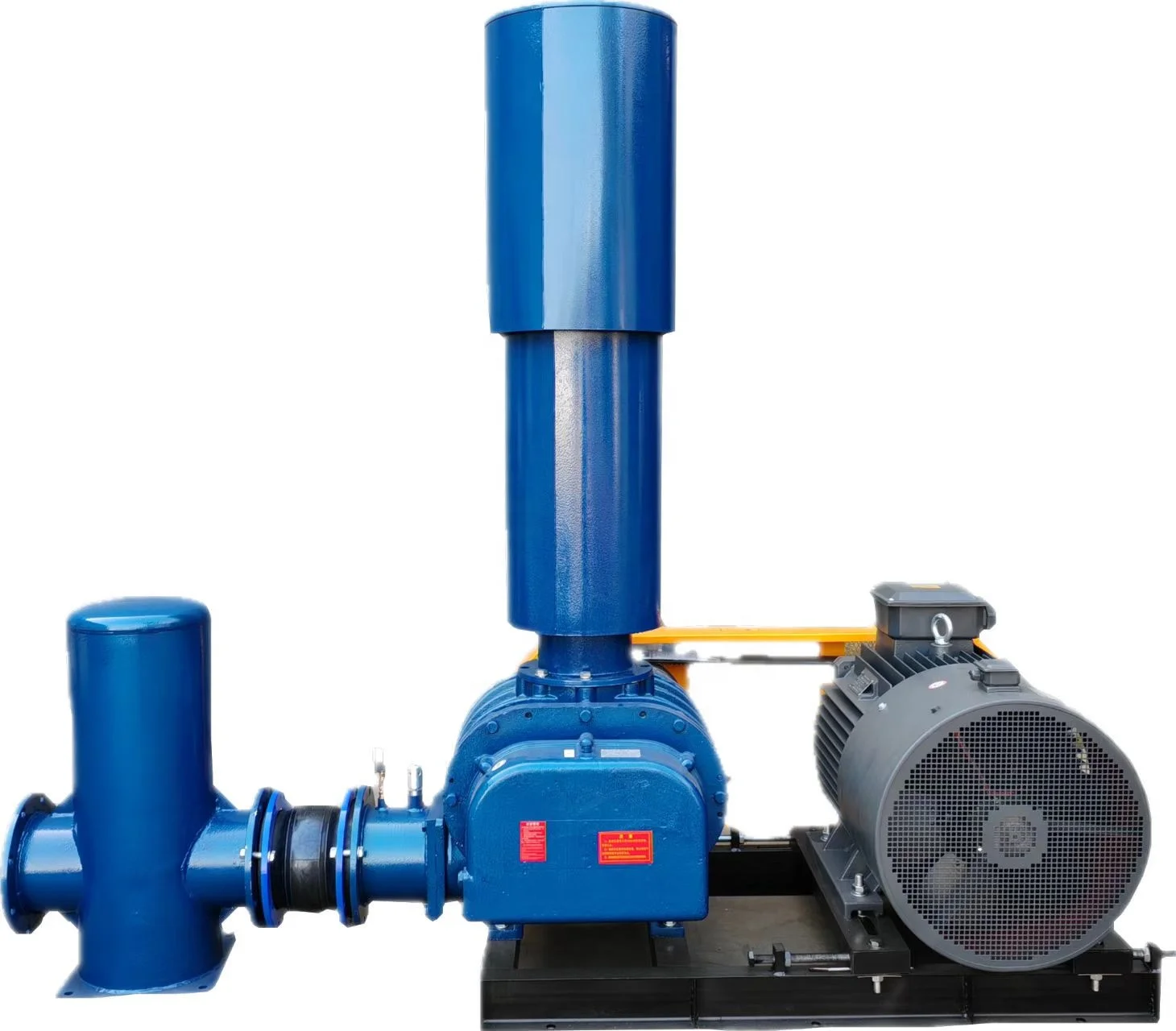
The procurement process extends far beyond price comparisons and vendor lists. Understanding how a lobe roots blower performs under your specific operational conditions determines whether the equipment will meet production targets, reduce unplanned downtime, and support scalability as your business grows. This evaluation framework helps teams make informed decisions aligned with technical requirements and budget constraints.
Understanding Application Requirements and Operational Context
Procurement teams must first map the intended use case for the rotary lobe blower. Different industries leverage positive displacement blower applications with varying demands. Wastewater treatment facilities require sustained flow rates over extended periods, while pneumatic conveying systems demand precise pressure control and intermittent duty cycles. Manufacturing environments using positive displacement blower applications for aeration or material transfer face different thermal loads than food processing operations.
Defining Flow Rate and Pressure Specifications
Flow rate represents the volume of air or gas the lobe roots blower must deliver, typically measured in cubic feet per minute (CFM) or cubic meters per hour. Your facility's process requirements dictate minimum and peak flow demands. Equally important are lobe blower pressure and flow rate specifications that define system performance under load. Undersizing the equipment results in production bottlenecks, while oversizing inflates energy consumption and capital expenditure unnecessarily.
Pressure ratings indicate how much resistance the blower must overcome in your piping system, process equipment, and discharge conditions. A facility requiring 50 PSI discharge pressure needs fundamentally different equipment than one requiring 15 PSI. Procurement teams should collaborate with engineering departments to calculate exact lobe blower pressure and flow rate specifications based on system layouts, filter resistance, and process demand profiles.
Assessing Positive Displacement Blower Applications Fit
Rotary lobe blowers excel in applications requiring consistent flow delivery across varying pressure conditions. Positive displacement blower applications span wastewater aeration, pneumatic conveying, vacuum packaging, and gas transfer operations. Before ordering, verify that your application genuinely benefits from positive displacement technology rather than requiring centrifugal alternatives. A lobe roots blower maintains steady volumetric output regardless of downstream pressure fluctuations, making it ideal for process-critical operations where flow consistency matters more than energy efficiency.
Evaluating Maintenance Requirements and Technical Support
Long-term operating costs depend heavily on maintenance demands and the availability of technical support. Rotary lobe blower maintenance and troubleshooting complexity varies based on bearing type, seal design, and material construction. Procurement teams should assess whether your maintenance staff possesses the technical expertise to perform routine service or whether you require vendor support contracts for operational sustainability.
Analyzing Rotary Lobe Blower Maintenance Schedules
Standard rotary lobe blower maintenance and troubleshooting protocols include regular oil changes, bearing inspections, and seal replacements. Oil-lubricated models require more frequent maintenance than oil-free designs but typically deliver higher reliability in demanding applications. Direct-drive units differ from belt-drive configurations in maintenance intensity and replacement part availability. Procurement teams must obtain detailed maintenance documentation before ordering and verify that spare parts inventory remains readily accessible through distributors or the manufacturer.
Unexpected equipment failures disrupt production schedules and inflate true ownership costs substantially. Service documentation clarity, parts availability, and vendor responsiveness significantly impact your operational risk profile. Request references from existing customers operating similar lobe roots blower installations to understand realistic maintenance frequency and failure patterns in comparable duty cycles.
Evaluating Warranty and Technical Support Infrastructure
Warranty terms, technical support hours, and emergency response availability represent critical procurement considerations. Some vendors provide 24/7 support for critical equipment, while others operate limited service windows. For mission-critical applications, evaluate whether extended warranty options justify the additional investment. Rotary lobe blower maintenance and troubleshooting support quality directly correlates with system uptime and total cost of ownership calculations.
Analyzing Technical Specifications and Performance Metrics
Technical specifications define equipment capability boundaries and operational reliability. Procurement teams should evaluate motor horsepower, speed ratings, temperature tolerances, and noise emissions alongside core lobe blower pressure and flow rate specifications. These parameters determine whether the equipment integrates smoothly into your facility infrastructure and complies with workplace regulations.
Reviewing Motor and Drive Configuration
Motor sizing must accommodate peak operational loads with adequate margin for future demand growth. Direct-drive units offer efficiency advantages over belt-drive systems but limit speed adjustments. Variable frequency drive (VFD) compatibility enables energy optimization for applications with fluctuating demand patterns. Assess electrical infrastructure requirements and confirm your facility can accommodate the specified motor power without infrastructure upgrades that inflate project costs.
Examining Material Construction and Temperature Ratings
Material selection influences corrosion resistance, temperature tolerance, and longevity in your specific operating environment. A lobe roots blower handling high-temperature process gases requires cast iron or aluminum construction with appropriate thermal design. Chemical compatibility matters when processing corrosive vapors or aggressive media. Procurement teams should confirm material specifications align with your facility's environmental conditions and verify certifications for specialized applications like medical gas delivery or food contact surfaces.
FAQ
What flow rate does our facility need from a lobe roots blower?
Calculate required flow rate by analyzing your process demand at peak production. Document existing system pressure drops, equipment inlet requirements, and atmospheric conditions. Consult with process engineers to determine margin requirements for future growth and system inefficiencies. Lobe blower pressure and flow rate specifications must exceed calculated demands to ensure reliable performance under real-world operating conditions.
How frequently should rotary lobe blower maintenance occur?
Rotary lobe blower maintenance and troubleshooting intervals depend on duty cycle intensity, operating environment cleanliness, and equipment design. Oil-lubricated models typically require oil changes every 500 to 2000 operating hours, while bearing inspections occur annually. Oil-free designs may require less frequent maintenance but demand higher-quality inlet filtration. Obtain the manufacturer's maintenance schedule and assess whether your facility resources can sustain the required service intervals.
What factors influence positive displacement blower applications suitability?
Positive displacement blower applications perform optimally when consistent flow delivery matters more than energy efficiency and pressure requirements remain moderate to high. Wastewater treatment, pneumatic conveying, and material aeration represent ideal use cases. Centrifugal alternatives suit high-flow, low-pressure applications better. Evaluate your system pressure profile, flow consistency demands, and operating duty cycle to determine whether positive displacement blower applications technology truly aligns with your facility's fundamental requirements.