
 EN
EN
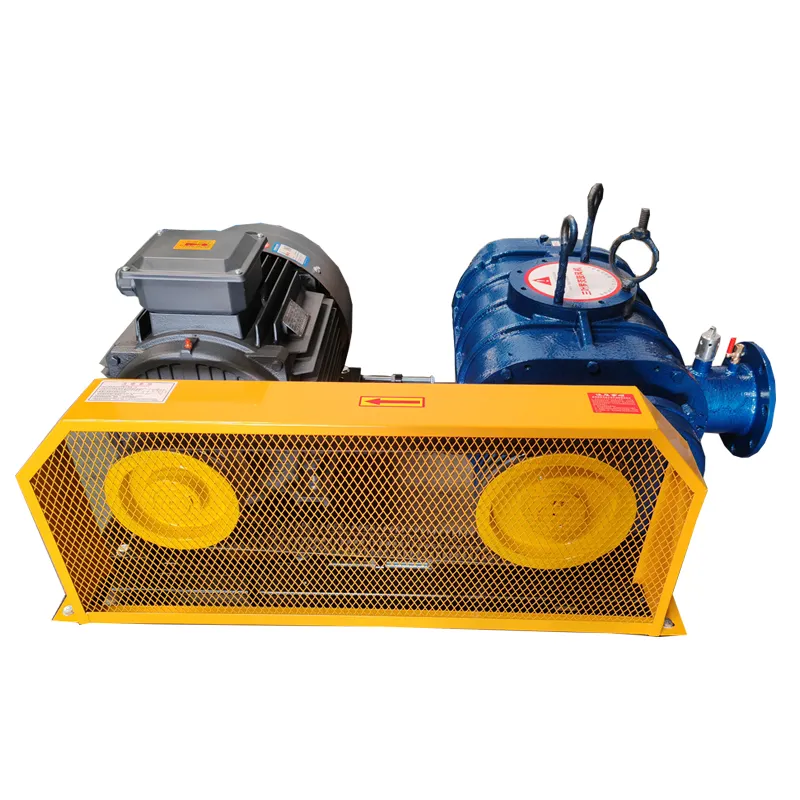
Purchasing a roots blower is a significant investment for industrial operations. Before committing to this equipment, you need to understand the core technology, performance specifications, and how these systems fit your specific operational needs. A roots blower represents a particular type of positive displacement blower that delivers consistent airflow at varying pressure levels, making it essential for industries ranging from wastewater treatment to pneumatic conveying systems.
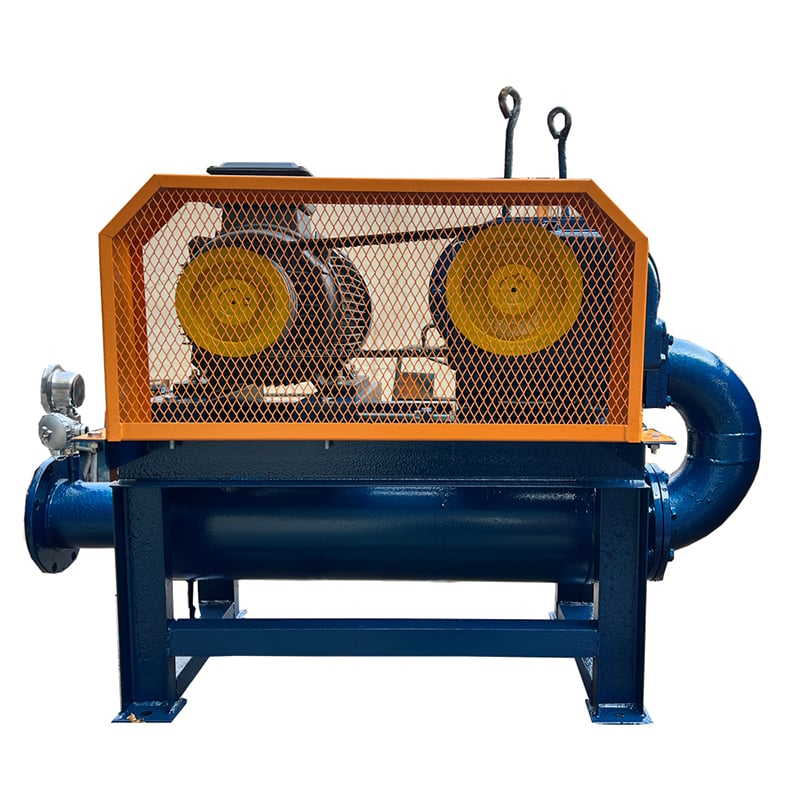
The decision to invest in a positive displacement blower such as a rotary lobe compressor requires careful consideration of capacity, pressure requirements, energy efficiency, maintenance demands, and total cost of ownership. This guide provides the essential knowledge you need to evaluate roots blower solutions effectively and select equipment that aligns with your operational demands and budget constraints.
Understanding Roots Blower Technology and Design
Core Operating Principles of Positive Displacement Blowers
A roots blower operates as a positive displacement blower, meaning it moves a fixed volume of air per revolution regardless of pressure conditions. The rotary lobe compressor design features two figure-eight shaped rotors that rotate together without touching. As the rotors spin, they draw air into the intake chamber, trap it between the rotor and housing, and discharge it at the outlet. This principle ensures constant airflow delivery, which is a critical advantage over dynamic blowers.
The rotary lobe compressor technology relies on mechanical accuracy and tight tolerances to function efficiently. Unlike centrifugal blowers that generate flow through high-speed rotation, the roots blower achieves its displacement through the geometric action of the lobes. This makes positive displacement blower systems highly predictable in performance and suitable for applications requiring stable airflow characteristics across a wide pressure range.
Key Design Variations You Should Evaluate
Different rotary lobe compressor models incorporate various design refinements affecting performance. Some units feature helical rotors instead of straight lobes, which reduces pulsation and noise. Others include timing gears arranged differently to optimize efficiency. When evaluating a roots blower, examine the rotor geometry, housing design, and bearing configuration. The material composition also matters—cast iron housings are durable but heavier, while aluminum versions offer weight savings at potentially reduced heat dissipation capability.
Assessing Performance and Capacity Requirements
Determining Airflow and Pressure Needs
Before selecting a positive displacement blower, quantify your specific airflow requirements measured in cubic feet per minute (CFM) and the discharge pressure needed in PSI. Different industrial air blower applications demand different combinations. Wastewater aeration requires moderate pressure with high continuous flow, while pneumatic conveying often demands higher pressure with variable flow. Your roots blower must match these dual requirements precisely to avoid oversizing, which wastes energy, or undersizing, which creates operational bottlenecks.
The rotary lobe compressor capacity decreases as discharge pressure increases due to internal leakage and slippage. Manufacturers provide performance curves showing how CFM drops when pressure rises. Understanding this relationship prevents purchasing a unit that appears adequate on the nameplate but underperforms at your actual operating conditions. Industrial air blower applications vary significantly, so insist on performance data at your specific operating point, not just maximum capacity ratings.
Temperature and Environmental Considerations
A roots blower generates heat during operation as mechanical energy converts to thermal energy. Discharge air temperature rises with pressure and flow rate. Excessive heat damages the rotors and shortens bearing life. Before committing to purchase, verify that the positive displacement blower includes adequate cooling provisions—either air cooling or liquid cooling depending on duty cycle and ambient conditions. Industrial air blower applications in hot environments require additional thermal management consideration.
Environmental factors also influence rotary lobe compressor selection. If the blower draws air with dust, moisture, or aggressive chemicals, inlet filtration becomes critical. Some roots blower designs integrate filter systems, while others require external protection. Discussing environmental conditions with your supplier ensures the selected unit includes appropriate safeguards and won't suffer premature failure from contamination or corrosion.
Evaluating Operating Costs and Maintenance Demands
Energy Consumption and Efficiency Metrics
A roots blower consumes significant electrical power, so efficiency directly impacts operating costs over the equipment's lifetime. Modern positive displacement blower designs achieve better efficiency through optimized rotor profiles and improved bearing systems. When comparing units, request actual power consumption data at your operating conditions rather than theoretical estimates. The rotary lobe compressor requires specific horsepower based on CFM and pressure—higher displacement and pressure demand proportionally more energy.
Variable frequency drives (VFDs) can reduce roots blower energy consumption when flow demand fluctuates. Though VFDs add initial cost, they recover that expense through reduced operational energy expenditure. Calculate the payback period for your specific application. Some industrial air blower applications benefit dramatically from variable drive technology, while others with constant flow demands may not justify the added complexity.
Maintenance Requirements and Component Longevity
A positive displacement blower such as a rotary lobe compressor requires regular maintenance to sustain performance and prevent catastrophic failure. Essential maintenance includes oil changes, bearing inspection, rotor timing verification, and coupling alignment checks. Parts wear differently depending on operating conditions—high-pressure applications stress the rotor surfaces more than moderate-pressure systems. Before purchasing a roots blower, obtain the manufacturer's maintenance schedule and estimated component life expectancy.
Budget for replacement parts including bearing assemblies, timing gears, seals, and potentially rotor refurbishment. Different suppliers offer varying lead times for components, which affects downtime costs. Industrial air blower applications requiring high reliability might benefit from units offering quick access to common wear items or multiple spare parts availability. A cheaper roots blower with poor parts availability ultimately costs more through extended downtime.
Technical Specifications and Integration Factors
Mechanical and Dimensional Compatibility
The positive displacement blower you select must physically fit your installation space and connect to existing piping and equipment. Verify that the rotary lobe compressor discharge connections match your pipeline sizes, and that inlet requirements align with your air supply conditions. Motor mounting options vary—some roots blower designs offer direct coupling, belt drive, or flexible connections. Each method affects vibration transmission and maintenance accessibility, so choose the configuration best suited to your facility layout.
Noise levels differ between industrial air blower models, particularly affecting facilities in populated areas or requiring quiet operation. The silencer package, rotor type, and speed all influence noise generation. If your application operates in noise-sensitive environments, specify maximum decibel limits and verify that the selected positive displacement blower meets those requirements through proper acoustic treatment.
Regulatory Compliance and Safety Features
Ensure your roots blower complies with relevant industry standards and local regulations applicable to your jurisdiction. Safety features such as pressure relief valves, thermal overload protection, and vibration monitoring prevent equipment damage and operator hazards. A rotary lobe compressor intended for food or pharmaceutical applications requires food-grade lubrication and specific materials preventing contamination. Verify that any potential positive displacement blower purchase meets all compliance requirements for your industry before committing financial resources.
FAQ
What distinguishes a roots blower from other positive displacement blower types?
A roots blower uses two figure-eight shaped rotors for displacement, while other positive displacement blower designs employ screws, vanes, or reciprocating pistons. The rotary lobe compressor approach offers simplicity, reliability, and consistent performance across pressure variations. Roots blowers excel when steady airflow is required, but they typically generate more noise and pulsation than some alternatives.
How do I calculate whether a specific roots blower suits my industrial air blower application?
Match the positive displacement blower's CFM and pressure ratings to your actual operating requirements at peak demand. Request performance curves showing how a rotary lobe compressor behaves at your specific operating point. Factor in temperature rise, environmental conditions, and future capacity growth. Consulting with the manufacturer's application engineers ensures your selected roots blower performs adequately for your exact conditions rather than relying solely on catalog specifications.
What role does preventive maintenance play in roots blower longevity?
Regular maintenance extends roots blower service life significantly and prevents unexpected failures. A positive displacement blower maintained according to the manufacturer's schedule typically operates 15–20 years, while neglected units fail within 5–7 years. Scheduled oil changes, bearing inspections, and alignment verification allow your rotary lobe compressor to deliver consistent industrial air blower performance while minimizing emergency repair costs and operational downtime.