
 EN
EN
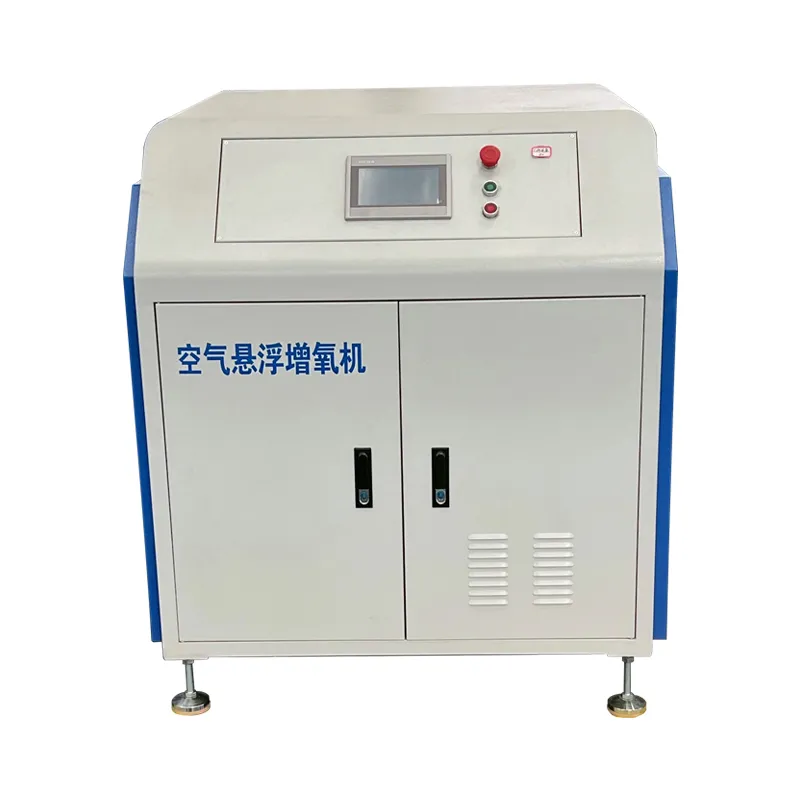
An aeration air blower system plays a critical role in numerous industrial and municipal operations where water treatment, environmental management, and operational efficiency are paramount. These specialized systems deliver pressurized air into bodies of water or treatment tanks, promoting oxygen transfer and biological activity that would otherwise be impossible to achieve at scale. Understanding which industries derive the greatest value from this technology helps facility managers, environmental engineers, and operators make informed capital investment decisions and optimize their treatment processes.
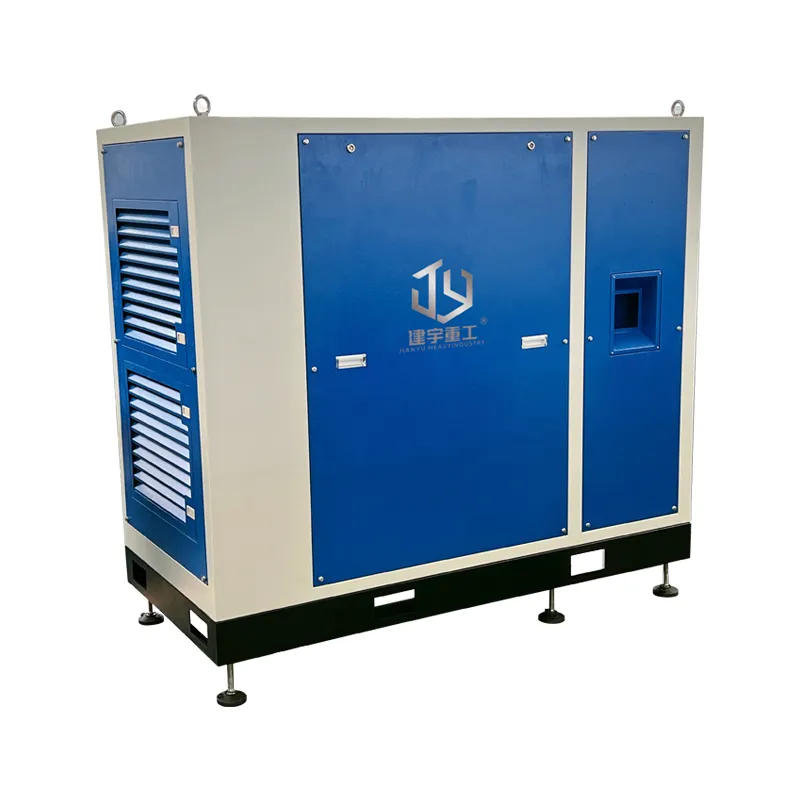
The fundamental principle behind aeration is simple yet powerful: oxygen dissolved in water enables aerobic microorganisms to break down organic contaminants, prevent stagnation, and maintain water quality across diverse applications. Industries ranging from municipal water authorities to aquaculture operations, food processing facilities, and petrochemical plants all rely on effective aeration solutions. Rotary blower for wastewater applications and specialized pond aeration systems represent mature, proven technologies that deliver measurable returns through reduced treatment time, lower chemical costs, and improved environmental compliance.
Municipal Wastewater Treatment Facilities
Primary Role in Activated Sludge Systems
Municipal wastewater treatment plants represent the largest consumer segment for aeration equipment. These facilities employ activated sludge processes where beneficial microorganisms consume organic matter suspended in treated water. A rotary blower for wastewater provides the oxygen essential for this biological activity, making it impossible to operate these plants without reliable aeration infrastructure. The aeration air blower system typically operates continuously or in demand-driven cycles, consuming significant energy but delivering absolute necessity in terms of treatment efficacy and regulatory compliance.
Treatment plants benefit from aeration in multiple treatment stages, from primary oxidation basins through secondary clarification processes. The air diffuser for water treatment disperses compressed air into the liquid phase, creating fine bubbles that maximize oxygen transfer efficiency. Municipalities investing in modern aeration air blower technology report significant energy savings through variable frequency drive integration, advanced control systems, and optimized diffuser design. These improvements directly translate to lower operational costs per million gallons treated, protecting municipal budgets and taxpayer resources.
Regulatory Compliance and Treatment Standards
Environmental Protection Agency regulations mandate specific treatment standards for nitrogen removal, phosphorus reduction, and pathogen inactivation. Pond aeration systems and conventional diffuser systems help municipalities achieve these strict requirements by enabling the biological nitrification and denitrification processes that remove nitrogen compounds. Without reliable aeration air blower performance, plants cannot meet discharge permits and face regulatory penalties, facility shutdowns, or costly upgrades. The investment in quality aeration infrastructure thus becomes a compliance necessity rather than a discretionary capital expense.
Industrial Food and Beverage Processing
Dairy and Cheese Production Facilities
Dairy processing generates high-strength organic wastewater laden with proteins, lactose, and fats that require aggressive biological treatment before discharge or reuse. These facilities increasingly turn to on-site treatment systems that employ aeration air blower technology to pre-treat effluent, reducing downstream treatment burden and disposal costs. A rotary blower for wastewater handles the challenging composition of dairy process water, maintaining aerobic conditions that break down organic compounds in concentrated streams. The air diffuser for water treatment enables rapid oxidation of these challenging substrates, reducing treatment time and freeing up tank capacity for continuous production schedules.
Cheese manufacturers, in particular, benefit from pond aeration systems and specialized treatment approaches that handle whey discharge and caustic cleaning water. By investing in aeration air blower systems, these facilities reduce their environmental impact, meet discharge regulations, and often recover value through water reuse in non-potable applications. The operational flexibility of modern aeration equipment allows food processors to scale air delivery based on actual production cycles rather than peak capacity, optimizing energy consumption and extending equipment lifespan.
Beverage Production and Breweries
Breweries and beverage producers generate substantial organic wastewater containing yeast, grain residues, and fermentation byproducts. These facilities require robust pond aeration systems or similar technology to treat process water before discharge or water reclamation. The aeration air blower system provides consistent oxygen delivery that supports aerobic microbial degradation of fermentation residues. Breweries operating in water-stressed regions particularly value the aeration air blower's ability to reduce freshwater consumption through effective wastewater treatment and recycling, supporting both financial and environmental objectives simultaneously.
Aquaculture and Fish Farming Operations
Commercial Fish and Shrimp Farming
Aquaculture represents one of the fastest-growing agricultural sectors globally, and aeration infrastructure is foundational to productive, sustainable operations. Commercial fish farms, shrimp facilities, and hatcheries depend on pond aeration systems to maintain dissolved oxygen levels necessary for rapid animal growth and health. The aeration air blower system prevents hypoxic conditions that would trigger fish stress, disease outbreaks, and production losses. A rotary blower for wastewater, adapted for pond applications, delivers the precise air volume and pressure needed across multiple production tanks simultaneously, enabling economies of scale in intensive farming operations.
Aquaculture producers benefit directly from aeration air blower installation through improved feed conversion ratios, faster growth cycles, and reduced mortality rates. These operational improvements translate directly to higher profitability per production cycle. The air diffuser for water treatment used in aquaculture applications disperses air through specialized diffusers optimized for pond environments, ensuring uniform oxygen distribution that prevents dead zones and maintains water quality throughout the farming cycle. Modern pond aeration systems incorporate smart controls that adjust aeration based on real-time dissolved oxygen monitoring, minimizing energy waste while maximizing fish health and production output.
Recirculating Aquaculture Systems
Indoor recirculating aquaculture systems represent an emerging frontier where aeration air blower technology becomes even more critical. These controlled-environment operations require constant oxygen renewal and biological treatment of aquaculture effluent, making reliable aeration infrastructure non-negotiable. A rotary blower for wastewater adapted for recirculation systems maintains the biofilter activity that removes fish waste metabolites and prevents toxic ammonia accumulation. Investment in high-efficiency aeration air blower systems reduces operational costs in these energy-intensive facilities, improving overall return on investment in controlled-environment aquaculture technology.
FAQ
Which industries face the highest regulatory pressure regarding wastewater aeration?
Municipal wastewater treatment facilities and industrial food processing operations face the most stringent regulatory requirements around wastewater treatment and aeration standards. Environmental agencies mandate specific dissolved oxygen levels, treatment efficiency percentages, and pathogen reduction requirements that cannot be met without proper aeration air blower systems. Failure to maintain regulatory compliance results in fines, operational shutdowns, and reputational damage. Industries regulated under the Clean Water Act, including textile mills, petrochemical plants, and pharmaceutical manufacturers, also face high compliance pressure that makes aeration air blower investment mandatory.
How does pond aeration systems technology differ across industry applications?
Pond aeration systems deployment varies significantly based on industry-specific requirements, water chemistry, treatment objectives, and environmental conditions. Municipal treatment plants use large-scale diffuser systems optimized for energy efficiency and treatment efficacy, while aquaculture operations prioritize dissolved oxygen uniformity and minimal water turbulence. The air diffuser for water treatment in food processing emphasizes rapid organic degradation and compact installation, whereas mining operations may require deep-tank diffusion and erosion resistance. Each application drives different specifications for the underlying rotary blower for wastewater or aeration air blower equipment powering these systems.
What return on investment can industries expect from upgrading aeration air blower systems?
Return on investment timelines vary based on industry, existing system age, and operational scale. Municipal treatment plants typically recover aeration air blower upgrade costs within three to seven years through energy savings and reduced chemical usage. Aquaculture and food processing operations often achieve faster payback through improved production efficiency and reduced treatment time. Enhanced aeration air blower performance decreases operational costs per unit output, improves treatment reliability, and extends equipment lifespan. Industries with high regulatory compliance requirements or water reuse objectives experience additional financial benefits beyond direct operational savings, strengthening the overall investment case.