
 EN
EN
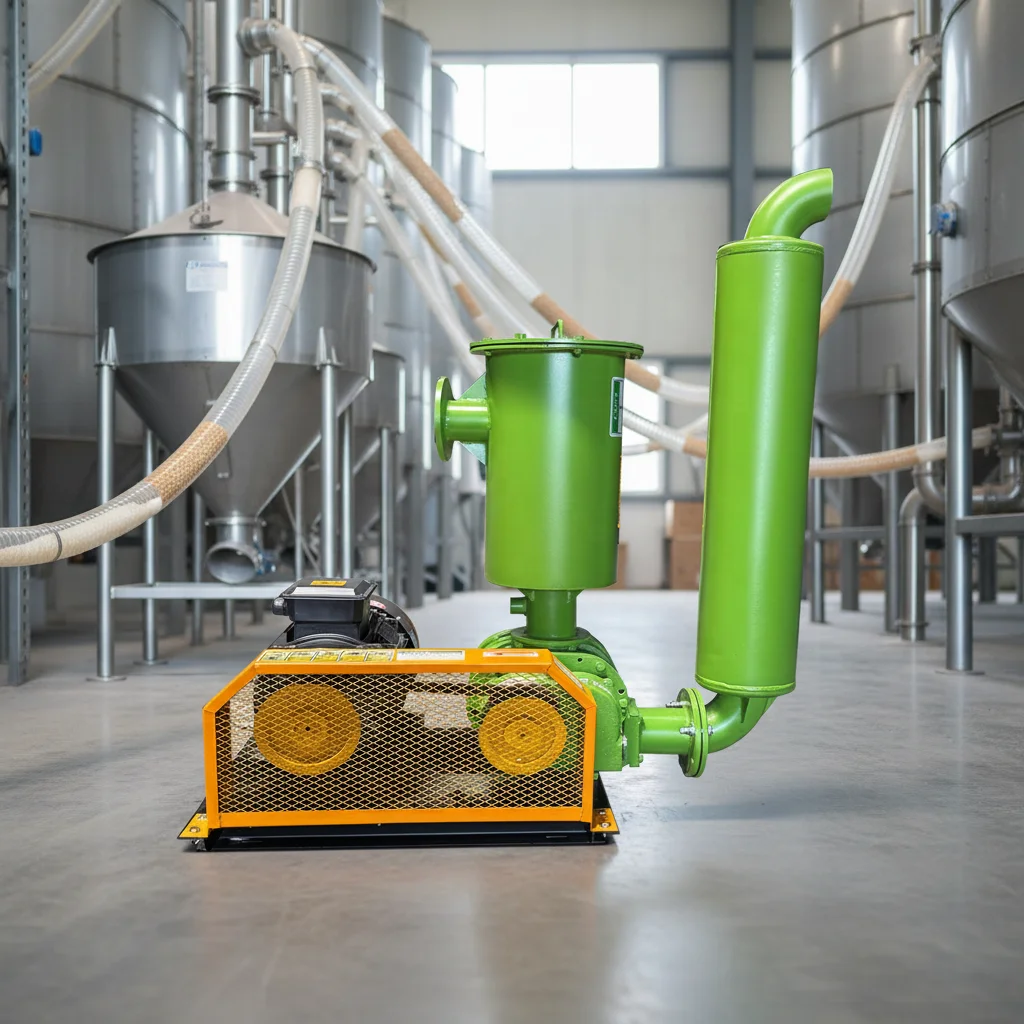
An aeration air blower represents one of the most critical components in modern water treatment infrastructure. Whether deployed in municipal wastewater facilities, aquaculture operations, or industrial pond management systems, the efficiency of this equipment directly influences operational costs, treatment outcomes, and system longevity. Understanding how an aeration air blower functions and how to optimize its performance can unlock significant savings and reliability improvements over years of continuous operation.
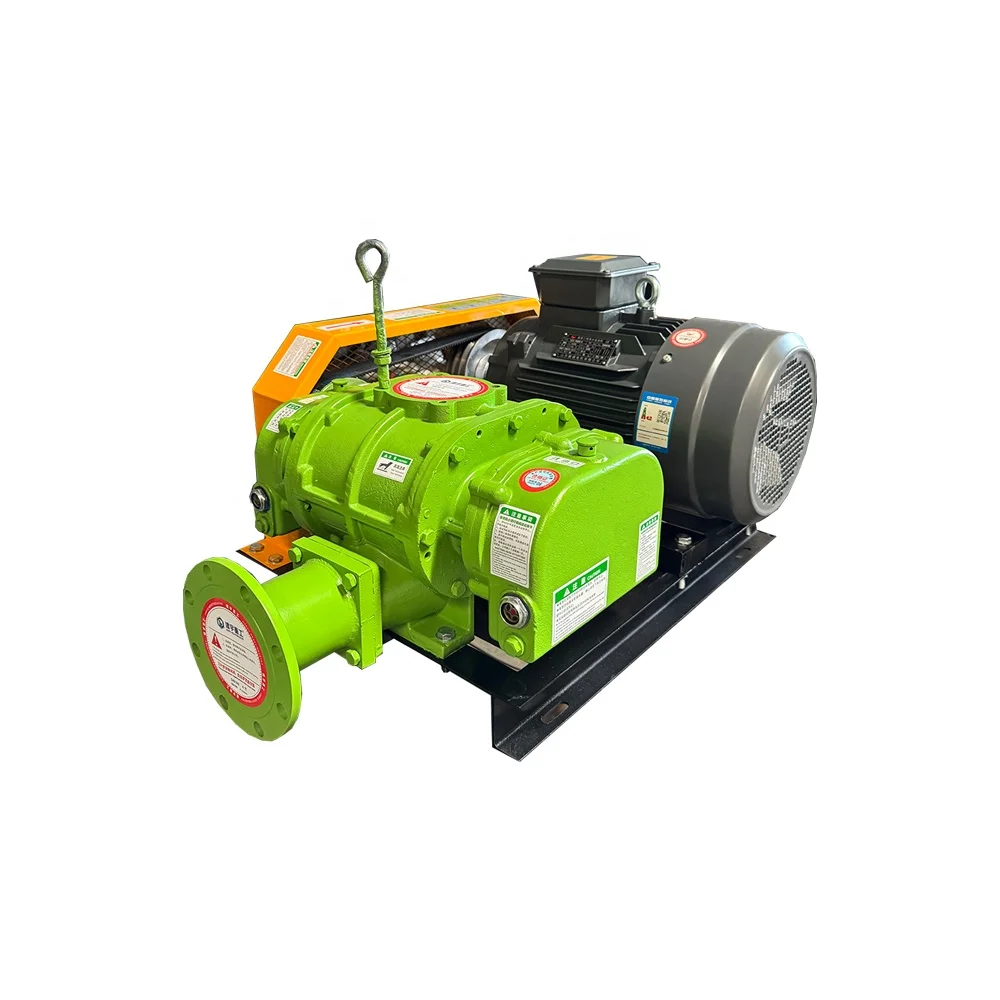
The primary function of an aeration air blower is to deliver consistent, high-volume airflow into treatment vessels or natural water bodies. This process drives aquatic oxygen circulation throughout the water column, enabling biological treatment processes while preventing anaerobic conditions. The efficiency of this operation depends on multiple factors including equipment selection, maintenance protocols, system design, and operational adjustments. When optimized properly, an aeration air blower can sustain peak performance while minimizing energy consumption and maintenance expenses.
Core Operating Principles and Efficiency Factors
How Aeration Air Blower Technology Delivers Performance
An aeration air blower operates by compressing and forcing air through a diffusion system submerged in water. The compressed air rises through the water column, creating bubble contact that transfers oxygen. This oxygen transfer is the foundation of all biological wastewater treatment processes. The efficiency of this process is measured by Standard Aeration Efficiency (SAE) and Alpha Efficiency factors. Higher efficiency ratings mean more oxygen is delivered per unit of energy consumed, directly reducing operational costs. Equipment selection, particularly choosing between rotary positive displacement blowers and centrifugal alternatives, significantly impacts long-term performance and economy.
Key Efficiency Variables in Pond Aeration System Design
Successful pond aeration system operation requires attention to several critical variables. The depth of the water body affects the pressure required from your aeration air blower, with deeper applications demanding higher compression ratios. Diffuser type and placement influence how effectively the airstream transfers oxygen before bubbles escape the surface. Water temperature, seasonal variations, and biological load fluctuations all impact the oxygen demand and thus the blower's operational requirements. Regular monitoring of outlet pressure, flow rate, and energy consumption helps operators identify degradation early and adjust settings to maintain optimal aquatic oxygen circulation throughout the year.
Maintenance and Long-Term Durability Strategies
Preventive Maintenance for Extended Equipment Life
The longevity of an aeration air blower depends heavily on proactive maintenance practices. Regular inspection of inlet filters prevents contaminant ingestion that can damage internal components. Checking bearing conditions, seal integrity, and alignment quarterly helps catch wear before catastrophic failure occurs. Maintaining proper lubrication according to manufacturer specifications reduces friction and heat generation. Seasonal maintenance before peak demand periods ensures the equipment enters high-stress periods in peak condition. Documentation of all maintenance activities creates a historical record that helps predict when major overhauls or component replacements will become necessary, enabling budget planning and preventing unplanned downtime.
Operational Practices for Sustained Efficiency
Optimizing how operators run the aeration air blower directly affects energy consumption and equipment stress. Avoiding unnecessary full-load operation during low-demand periods reduces wear and energy costs. Gradual throttling rather than on-off cycling extends equipment life by reducing mechanical stress from rapid pressure changes. Temperature monitoring of discharge air helps identify internal problems such as excessive friction or worn seals. Many facilities benefit from implementing variable frequency drives (VFDs) that automatically adjust blower speed based on dissolved oxygen measurements. This technology represents a significant investment but often pays for itself through energy savings within three to five years while simultaneously improving wastewater treatment air diffusion consistency and system reliability.
Performance Optimization and System Integration
Matching Blower Capacity to Treatment Demand
Proper sizing of an aeration air blower ensures efficient operation throughout varying load conditions. Oversized equipment runs at partial capacity most of the time, wasting energy and experiencing unnecessary wear. Undersized systems struggle during peak demand, reducing treatment efficacy and creating backup risk. Modern facility design involves calculating peak oxygen demand based on influent characteristics, treatment targets, and seasonal variations. The selected aeration air blower should comfortably handle peak demand while operating at 70-85 percent capacity during average conditions. This approach balances equipment investment costs against operational expenses, ensuring the pond aeration system remains economical over its entire design life while maintaining consistent aquatic oxygen circulation.
System Design and Diffuser Selection Impact
The effectiveness of an aeration air blower is inseparable from diffuser technology. Fine-bubble diffusers deliver smaller bubbles that remain submerged longer, maximizing oxygen transfer but requiring higher pressure from the blower. Coarse-bubble systems demand less pressure but achieve lower oxygen transfer efficiency. Choosing between these options involves balancing wastewater treatment air diffusion requirements against energy costs. Modern diffuser materials resist fouling and maintain performance over extended periods. Installing diffuser cleaning systems or rotating replacement schedules prevents clogging that would force the aeration air blower to work harder. Proper maintenance of the entire pond aeration system ensures that all components work synergistically, reducing stress on the blower and maximizing overall efficiency.
FAQ
What energy consumption levels should I expect from an aeration air blower?
Energy consumption depends on several factors including water depth, diffuser type, oxygen demand, and equipment efficiency rating. Typically, aeration air blower systems account for 40-60 percent of municipal wastewater treatment plant energy costs. Modern efficient units can reduce energy per unit of oxygen transferred by 15-25 percent compared to older equipment. Facilities implementing variable frequency drives often see energy reductions of 20-35 percent. Monitoring your specific energy consumption against industry benchmarks helps identify optimization opportunities.
How often should an aeration air blower undergo major maintenance or replacement?
Well-maintained aeration air blower equipment typically operates effectively for 10-15 years before major overhaul or replacement becomes economical. Annual preventive maintenance, prompt repair of identified issues, and adherence to manufacturer specifications extend equipment life significantly. Some components like bearings or seals may require replacement every 3-5 years depending on operating hours and conditions. Tracking maintenance costs and comparing them against new equipment pricing helps facilities make informed replacement decisions. Planning for equipment replacement cycles prevents unexpected shutdowns and allows time for procurement and installation.
Can variable frequency drives improve my pond aeration system efficiency?
Yes, variable frequency drives (VFDs) substantially improve pond aeration system efficiency by automatically adjusting aeration air blower speed based on dissolved oxygen measurements. This technology responds to real-time treatment demand rather than running at constant speed regardless of conditions. Facilities typically experience 20-35 percent energy savings after implementing VFDs while simultaneously improving wastewater treatment air diffusion quality and consistency. Initial installation costs range from moderate to significant, but energy savings typically provide payback within 3-5 years, with benefits continuing throughout the equipment's operational life.