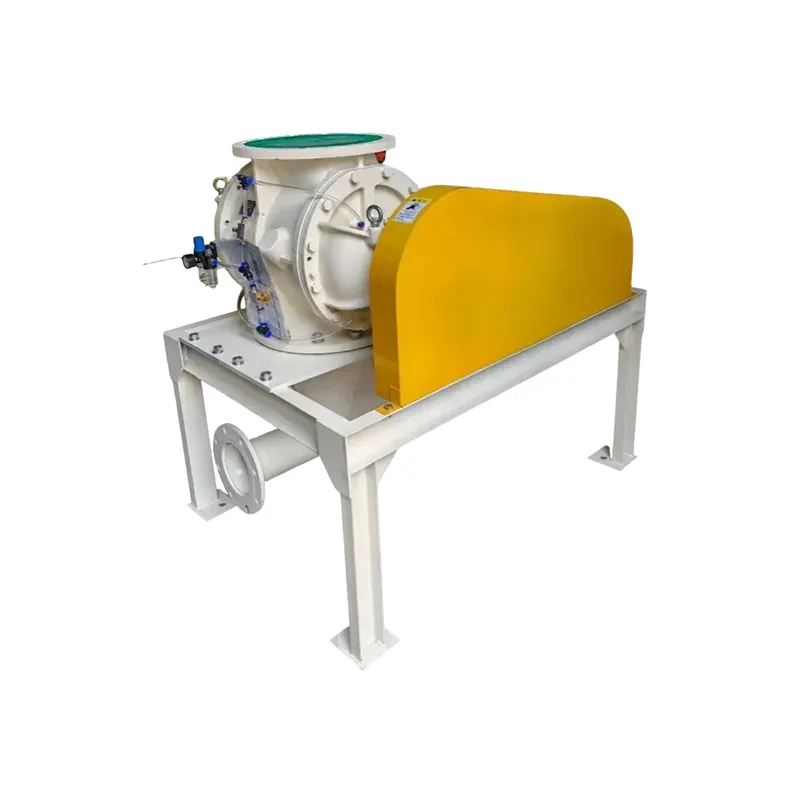
High-Performance Rotary Vibratory Feeders: Advanced Automation Solutions for Precision Part Handling

All Categories

rotary vibratory feeder

A rotary vibratory feeder is an advanced material handling solution that combines rotational and vibrational movements to efficiently transport and orient parts in manufacturing processes. This sophisticated system utilizes a bowl-shaped container with specially designed tracks and tooling to move components in a controlled manner. The feeder operates through electromagnetic or mechanical drives that create precise vibratory motions, causing parts to move along predetermined paths while maintaining consistent spacing and orientation. The system's unique design incorporates adjustable frequency and amplitude controls, allowing for optimal performance across various part sizes and weights. The bowl's interior features custom-engineered tracks and gates that effectively separate, orient, and feed parts to downstream processes. These feeders excel in high-volume production environments, offering reliable performance for industries ranging from automotive and electronics to pharmaceutical and food processing. The technology behind rotary vibratory feeders ensures consistent part handling while minimizing damage and maintaining production efficiency. Their versatility allows for handling various components, from tiny electronic parts to larger industrial components, making them an essential tool in automated assembly lines.
New Product Recommendations

Rotary vibratory feeders offer numerous compelling advantages that make them indispensable in modern manufacturing operations. First, these systems provide exceptional reliability through their simple yet effective design, requiring minimal maintenance while delivering consistent performance. The precise control over feed rates ensures optimal production flow, reducing bottlenecks and improving overall efficiency. These feeders excel at handling delicate parts without causing damage, thanks to their gentle vibratory motion and carefully designed bowl surfaces. The systems ability to simultaneously sort, orient, and feed parts eliminates the need for multiple handling steps, streamlining production processes and reducing labor costs. Users benefit from adjustable feed rates that can be fine-tuned to match downstream process requirements, ensuring seamless integration with existing production lines. The feeders versatility in handling various part geometries and materials makes them a cost-effective solution for diverse manufacturing needs. Their compact footprint maximizes valuable floor space while maintaining high throughput rates. The systems quiet operation contributes to a better working environment, while their energy-efficient design helps reduce operational costs. Modern rotary vibratory feeders also feature advanced controls that allow for quick changeovers between different parts, minimizing downtime and increasing productivity. The durability of these systems ensures a long service life, providing an excellent return on investment for manufacturing operations.

Tips And Tricks

What Benefits Do Roots Blowers Offer in Pneumatic Conveying?

28

May

What Benefits Do Roots Blowers Offer in Pneumatic Conveying?

View More
How Do You Maintain a Roots Blower for Long-Term Performance?

28

May

How Do You Maintain a Roots Blower for Long-Term Performance?

View More
What is a rotary feeder and how does it work?

28

May

What is a rotary feeder and how does it work?

View More
What are the main applications of rotary feeders?

28

May

What are the main applications of rotary feeders?

View More

Get a Free Quote

Our representative will contact you soon.
Email
Name
Company Name
Message
0/1000

rotary vibratory feeder

Advanced Part Orientation Control

Advanced Part Orientation Control

The sophisticated part orientation control system in rotary vibratory feeders represents a breakthrough in automated parts handling. This feature employs precisely engineered tooling and track designs that work in harmony with the vibratory motion to achieve perfect part positioning. The system incorporates multiple orientation stages that progressively align parts through a series of carefully calibrated gates and channels. Advanced sensors monitor part flow and orientation, automatically adjusting feed rates to maintain optimal performance. This intelligent control system can handle multiple part variations without mechanical adjustments, significantly reducing setup times and increasing operational flexibility. The precision of the orientation control ensures that parts are consistently delivered in the correct position for downstream processes, eliminating the need for secondary orientation devices and reducing system complexity.
Enhanced Production Efficiency

Enhanced Production Efficiency

The enhanced production efficiency offered by rotary vibratory feeders transforms manufacturing operations through innovative design and sophisticated control systems. These feeders achieve remarkable throughput rates while maintaining precise part handling and orientation. The system's ability to process multiple parts simultaneously creates a continuous flow that maximizes production capacity. Advanced bowl designs incorporate features that prevent part jams and automatically recirculate non-conforming parts, minimizing downtime and operator intervention. The feeders integrated control systems allow for real-time adjustments to maintain optimal performance under varying conditions. This level of automation reduces labor requirements while ensuring consistent, high-quality output throughout extended production runs.
Versatile Material Handling Capabilities

Versatile Material Handling Capabilities

The exceptional versatile material handling capabilities of rotary vibratory feeders set them apart in the automation industry. These systems excel at processing an extensive range of materials, from delicate plastic components to robust metal parts, without compromising performance or part integrity. The feeders sophisticated design accommodates various part geometries, sizes, and weights through customizable tooling and adjustable operating parameters. Special surface treatments and coating options ensure optimal part movement while preventing damage or wear. The systems ability to handle multiple part variants with minimal changeover time provides valuable flexibility in mixed-production environments. Advanced material flow patterns designed into the bowl structure ensure efficient part separation and prevent clustering, maintaining consistent feed rates regardless of part characteristics.