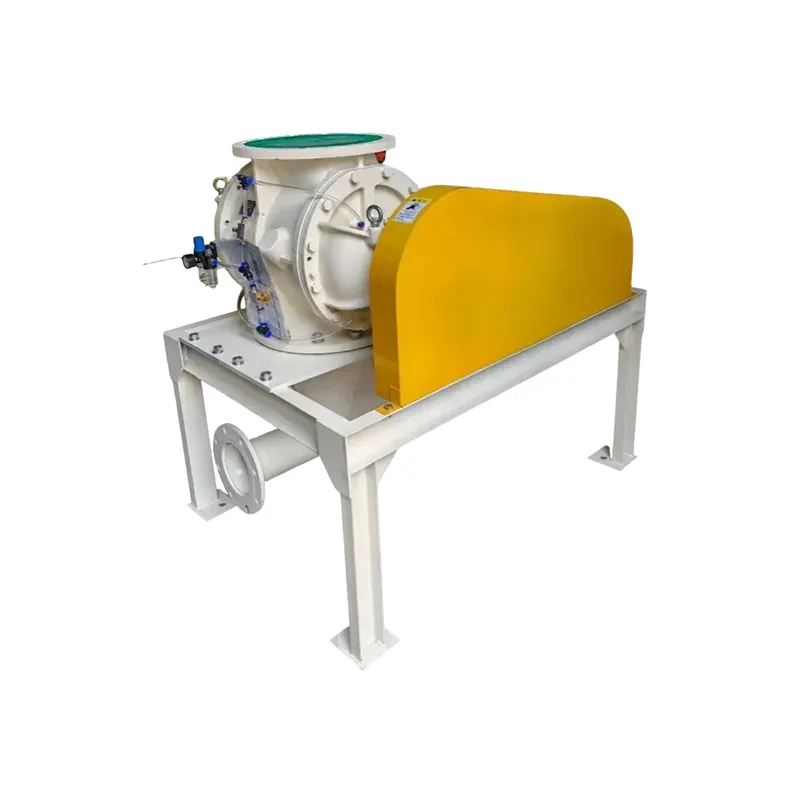
Industrial Rotating Feeder: Advanced Material Handling Solution for Precise Process Control

All Categories

rotating feeder

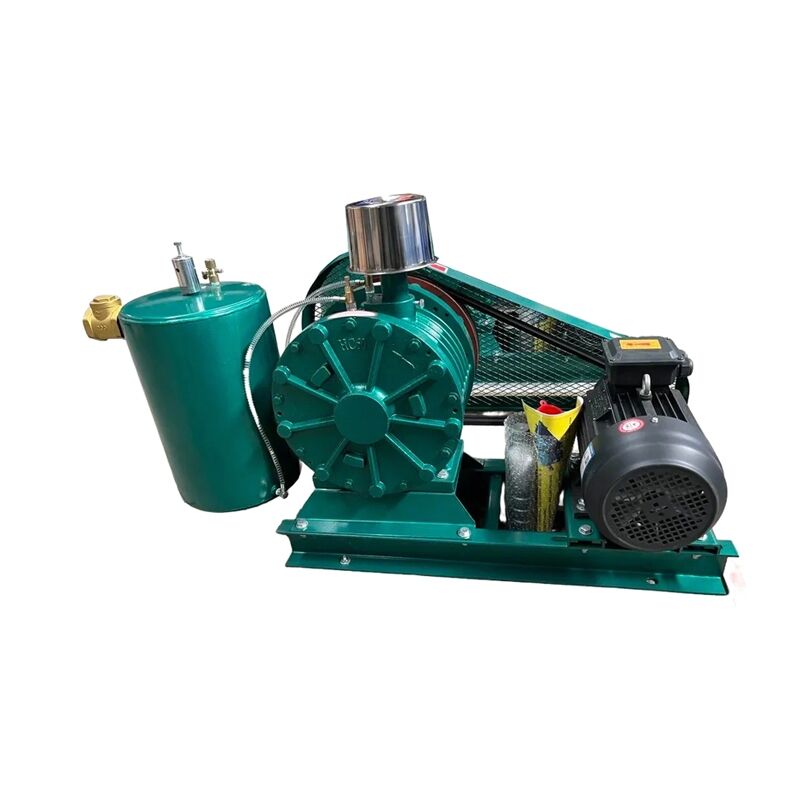
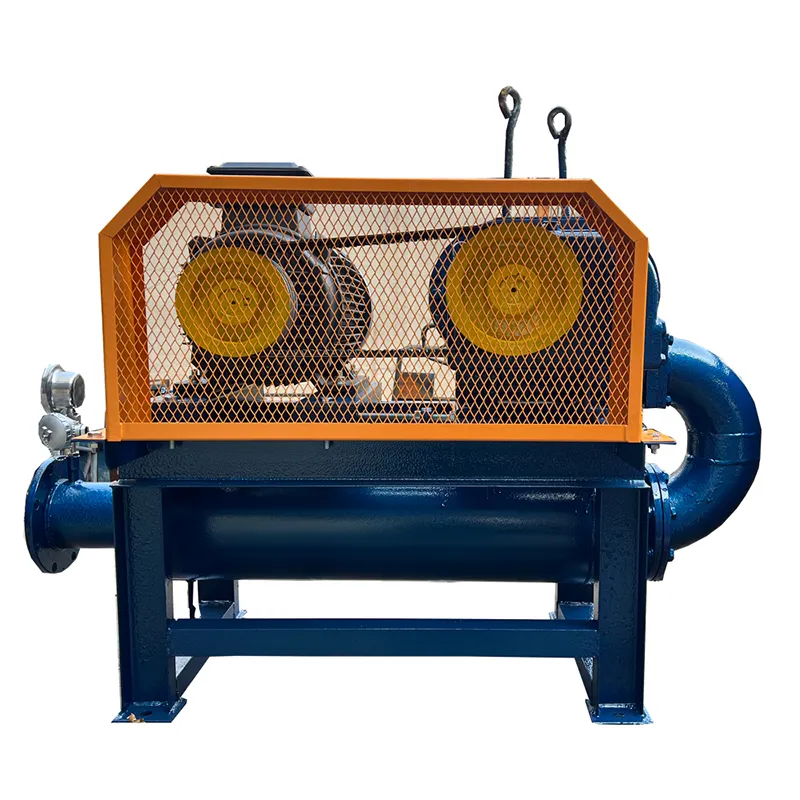
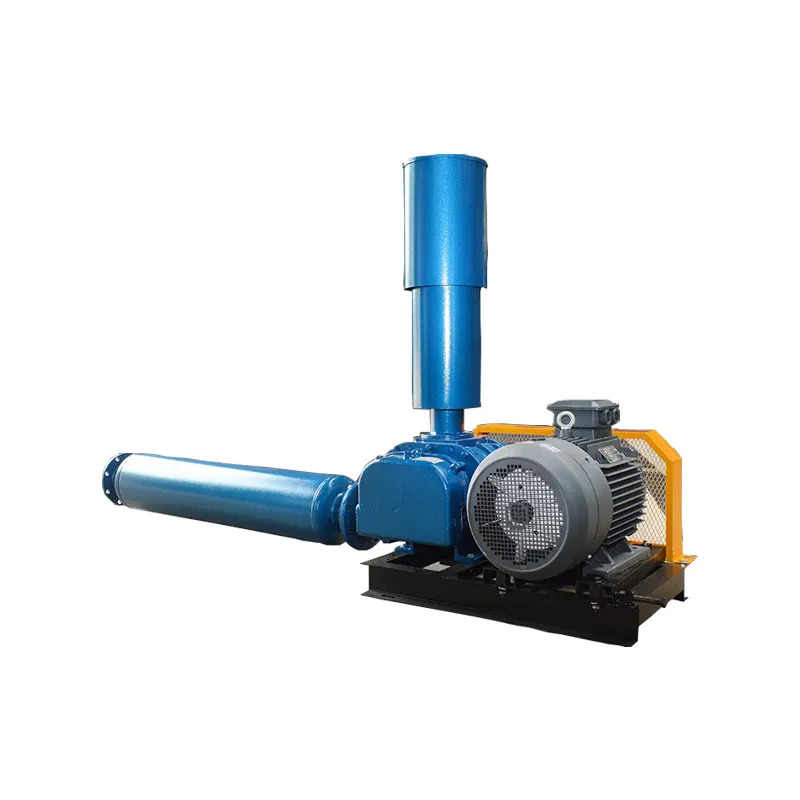
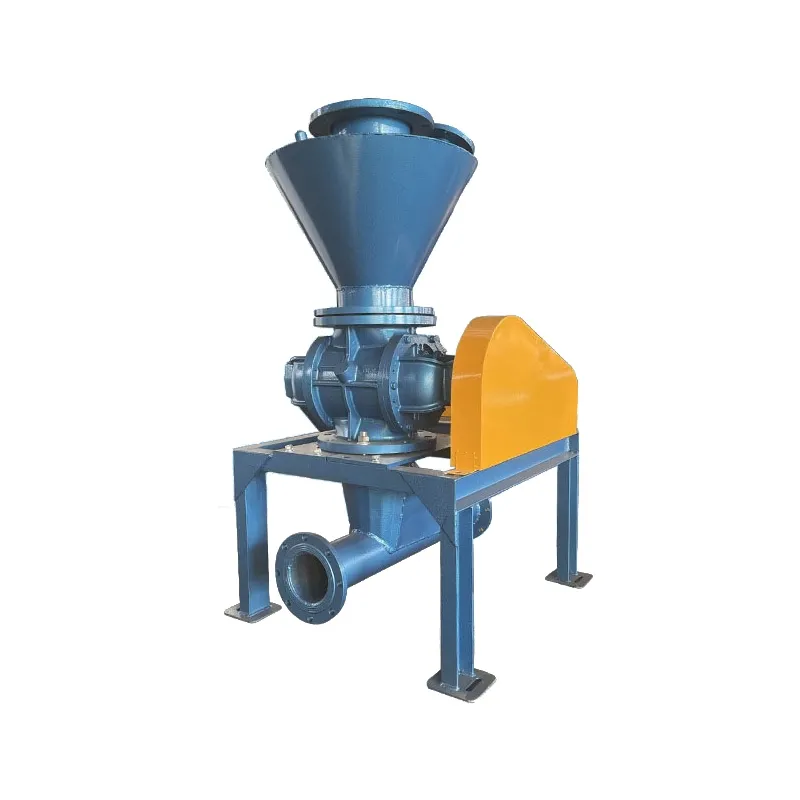
A rotating feeder is an advanced material handling device designed to provide controlled and consistent feeding of bulk materials in various industrial processes. This precision-engineered equipment utilizes a rotating mechanism to efficiently transport and distribute materials such as powders, granules, and other bulk substances. The system comprises a cylindrical housing containing rotating components that can be adjusted to regulate material flow rates with exceptional accuracy. Operating through a combination of mechanical and automated controls, the rotating feeder maintains precise material discharge while preventing backflow and ensuring optimal process efficiency. Its robust construction typically includes heavy-duty bearings, sealed compartments, and wear-resistant materials to withstand demanding industrial environments. The feeder's design incorporates advanced features such as variable speed control, automated monitoring systems, and multiple discharge points for enhanced versatility. This equipment plays a crucial role in numerous industries, including chemical processing, food production, pharmaceutical manufacturing, and mineral processing, where accurate material handling is essential for product quality and operational efficiency. The rotating feeder's adaptable design allows for customization to meet specific application requirements, making it an invaluable component in modern industrial processes.
New Product Releases

The rotating feeder offers numerous compelling advantages that make it an essential component in modern industrial operations. First and foremost, its precise control over material flow rates ensures consistent product quality and reduces waste, leading to significant cost savings over time. The equipment's reliable operation minimizes downtime and maintenance requirements, contributing to improved operational efficiency. The rotating feeder's versatile design accommodates various material types and sizes, eliminating the need for multiple specialized feeding systems. Its sealed construction prevents material loss and contamination, maintaining product purity and workplace safety. The integration of advanced automation features allows for seamless incorporation into existing production lines, enhancing overall process control. The feeder's energy-efficient operation reduces power consumption while maintaining optimal performance levels. Its robust construction ensures long-term reliability and reduces replacement costs, providing excellent return on investment. The equipment's ability to handle different flow rates and material characteristics makes it adaptable to changing production requirements. Enhanced safety features protect operators and minimize accident risks during operation. The rotating feeder's compact design optimizes space utilization in production facilities while maintaining high throughput capabilities. Its low maintenance requirements and easy access for cleaning reduce operational costs and downtime. The system's precise metering capabilities ensure accurate inventory control and material usage tracking. These advantages combine to make the rotating feeder an invaluable asset in modern industrial applications.

Latest News

How to Choose the Right Roots Blower for Industrial Use?

28

May

How to Choose the Right Roots Blower for Industrial Use?

View More
How Do You Maintain a Roots Blower for Long-Term Performance?

28

May

How Do You Maintain a Roots Blower for Long-Term Performance?

View More
What is a rotary feeder and how does it work?

28

May

What is a rotary feeder and how does it work?

View More
What are the main applications of rotary feeders?

28

May

What are the main applications of rotary feeders?

View More

Get a Free Quote

Our representative will contact you soon.
Email
Name
Company Name
Message
0/1000

rotating feeder

Advanced Control Systems

Advanced Control Systems

The rotating feeder's sophisticated control systems represent a significant advancement in material handling technology. These systems incorporate state-of-the-art sensors and programmable logic controllers that continuously monitor and adjust feeding parameters in real-time. The intelligent control interface allows operators to set precise flow rates and automatically maintains these specifications throughout the production cycle. Variable frequency drives enable smooth speed adjustments, preventing material surges and ensuring consistent feed rates. The system's advanced monitoring capabilities provide detailed operational data, allowing for predictive maintenance and performance optimization. Integration with plant-wide control systems enables synchronized operation with other equipment, maximizing overall process efficiency. The control system's user-friendly interface simplifies operation and reduces training requirements for new personnel.
Durability and Reliability

Durability and Reliability

The rotating feeder's exceptional durability stems from its premium construction materials and engineering excellence. High-grade stainless steel components resist corrosion and wear, ensuring long-term reliability in demanding environments. Precision-machined parts maintain tight tolerances throughout the equipment's operational life, preventing material leakage and ensuring consistent performance. Heavy-duty bearings and seals protect critical components from contamination and premature wear. The robust drive system incorporates industrial-grade motors and gearboxes designed for continuous operation. Regular maintenance requirements are minimized through the use of self-lubricating components and easily accessible service points. The equipment's structural integrity is maintained even under heavy loads and frequent use, providing reliable service for extended periods.
Versatile Application Range

Versatile Application Range

The rotating feeder's adaptable design enables its effective use across diverse industrial applications. Its modular construction allows for easy customization to handle different material characteristics, from fine powders to larger granules. Multiple discharge configurations can be implemented to accommodate various production layout requirements. The equipment's ability to maintain precise control over different material densities and flow properties makes it suitable for both continuous and batch processing operations. Special configurations are available for handling temperature-sensitive materials or operating in hazardous environments. The feeder's compatibility with various material transfer systems, including pneumatic conveying and gravity feed arrangements, enhances its versatility. Integration capabilities with different automation systems ensure seamless operation in various industrial settings.