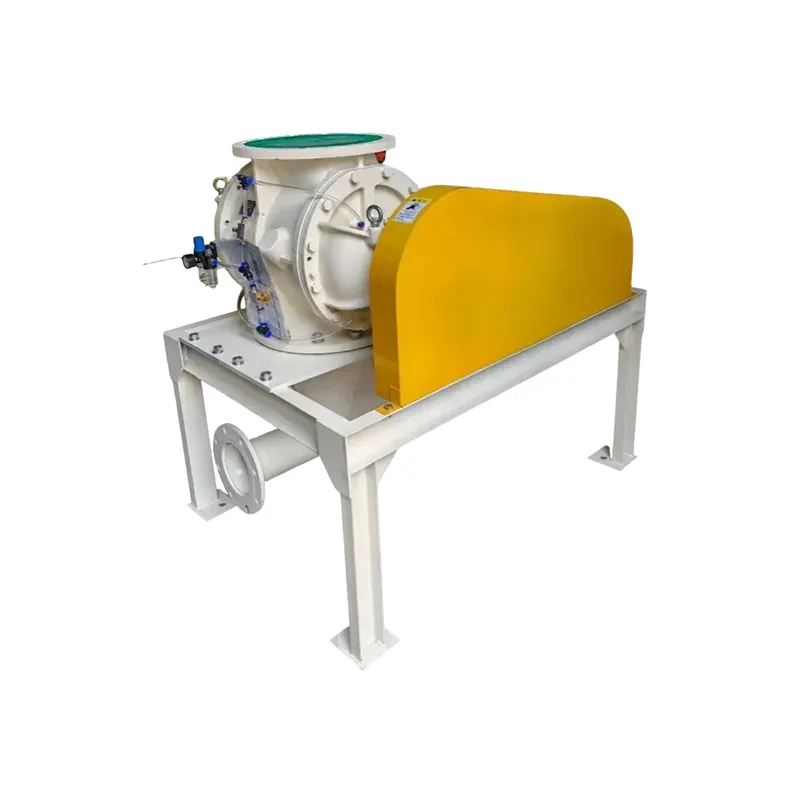
Industrial Roto Feeder Systems: Advanced Material Handling Solutions for Enhanced Process Control

All Categories

roto feeder

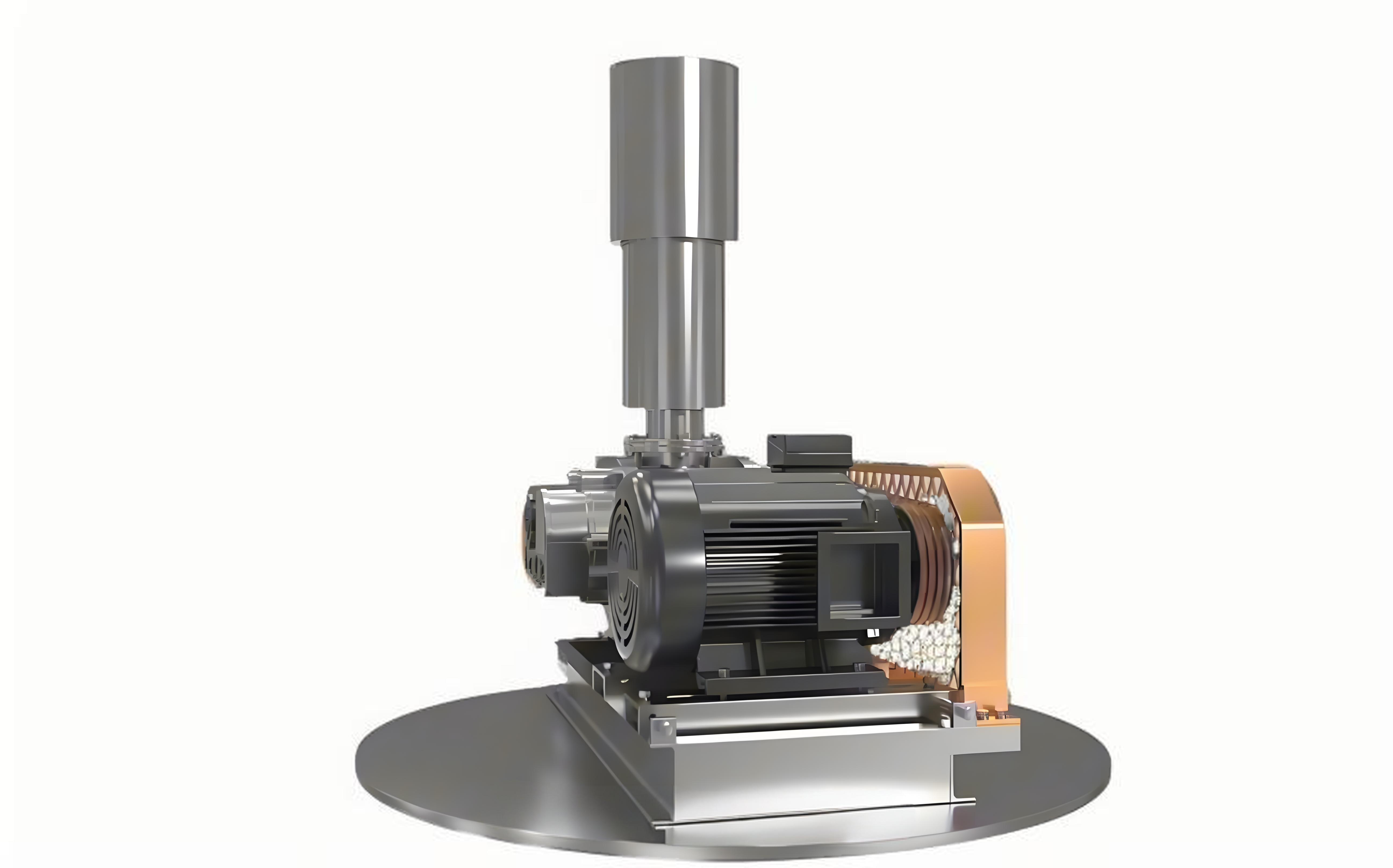
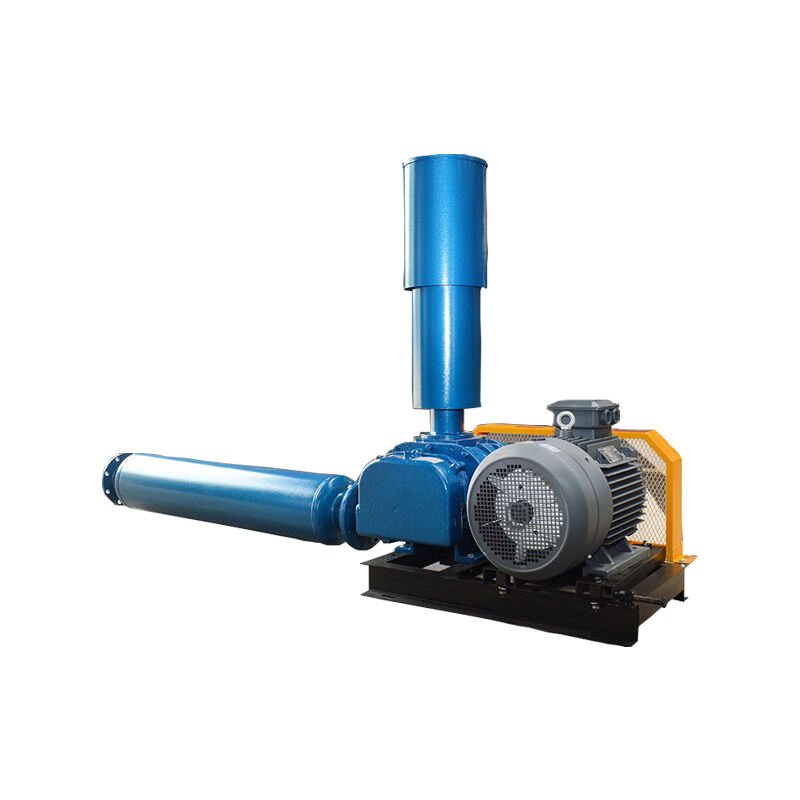
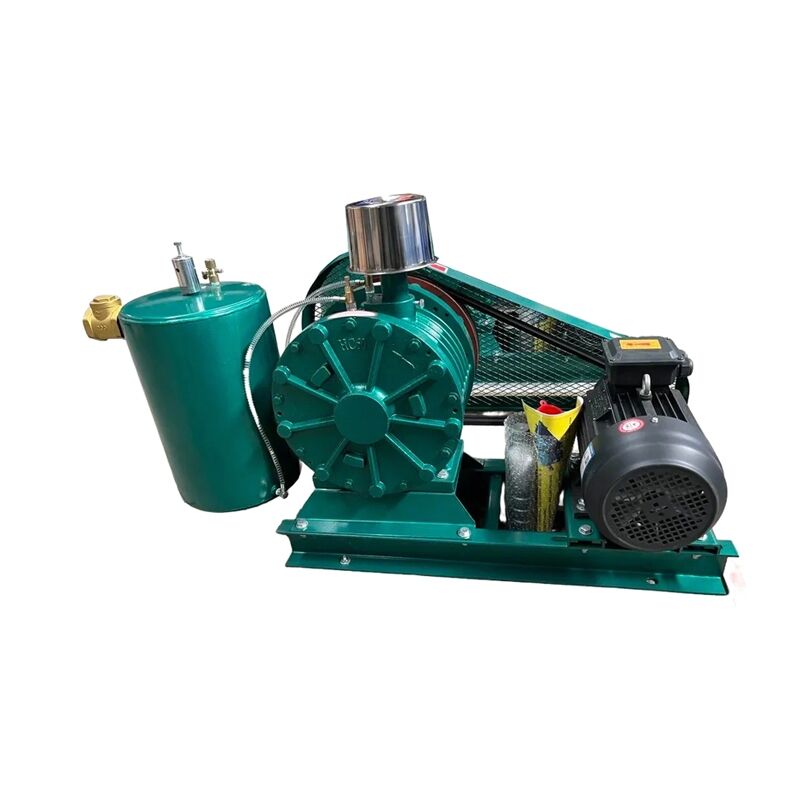
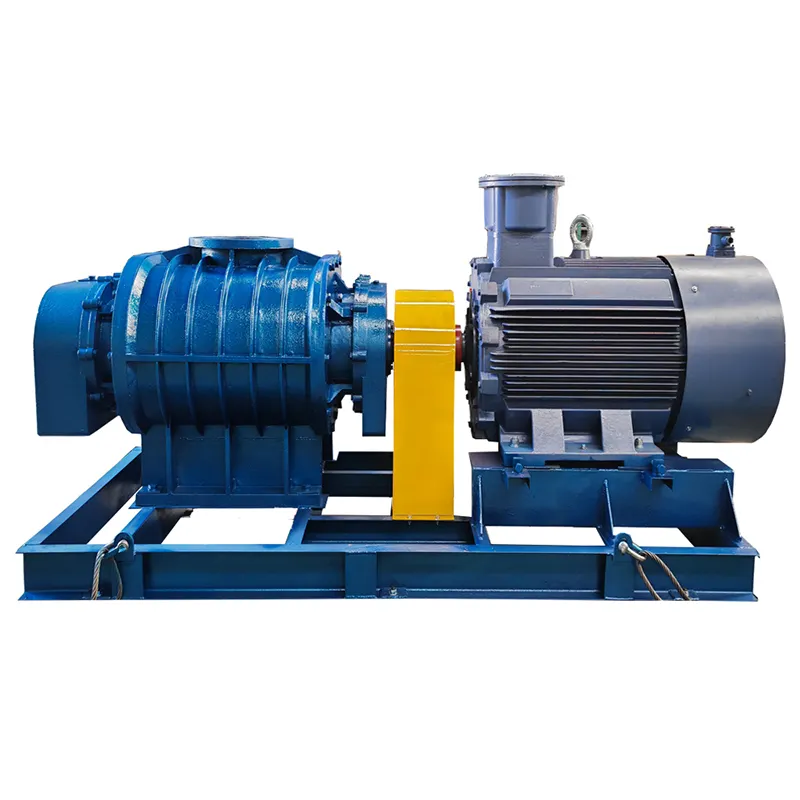
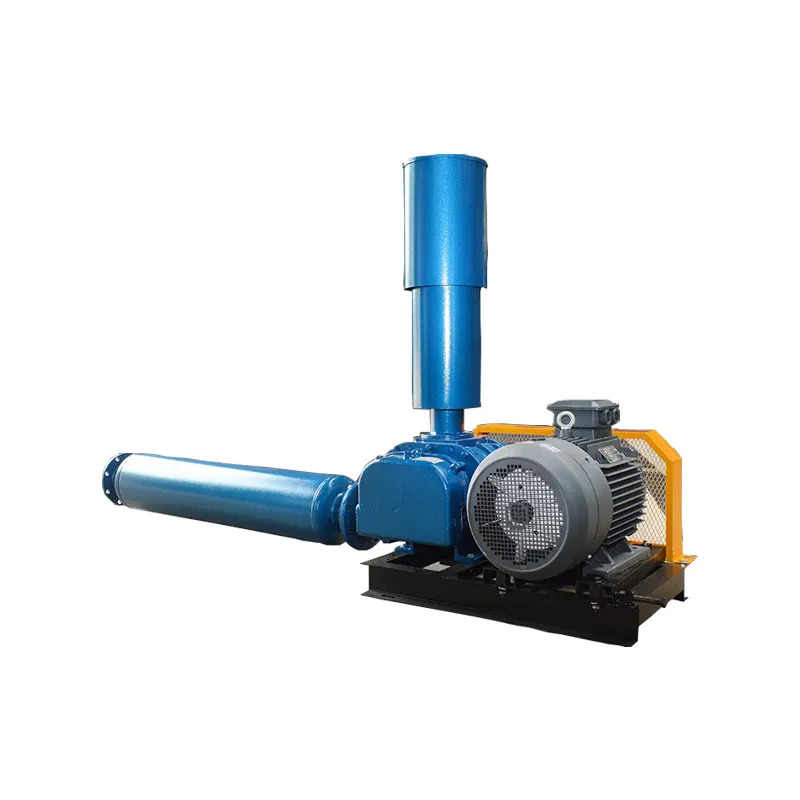
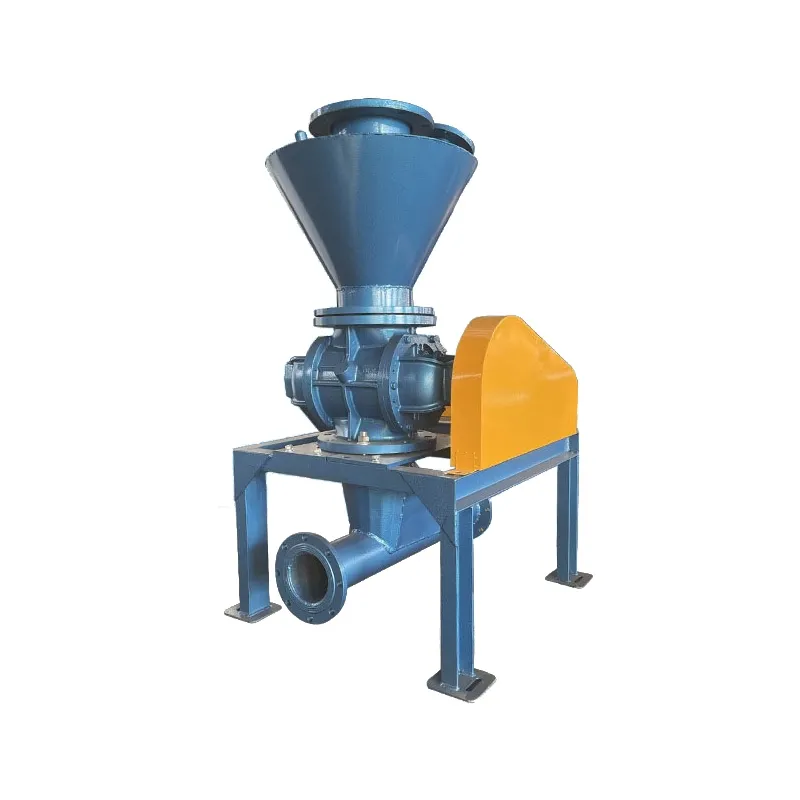
A roto feeder is an advanced material handling device designed to efficiently transport and regulate the flow of bulk materials in industrial processes. This precision-engineered equipment consists of a rotating mechanism housed within a sealed chamber, featuring multiple compartments or pockets that systematically move materials from the inlet to the outlet. The system operates through a controlled rotary motion, ensuring consistent material flow while maintaining pressure differentials between the entry and discharge points. The roto feeder's sophisticated design incorporates adjustable vanes or blades that can be fine-tuned to accommodate various material characteristics and flow requirements. It excels in handling both free-flowing and challenging materials, including powders, granules, and pellets, while preventing material bridging and ensuring uniform distribution. The device's robust construction, typically featuring hardened steel components and wear-resistant surfaces, guarantees longevity in demanding industrial environments. Advanced sealing mechanisms prevent material leakage and maintain system pressure integrity, making it ideal for applications in pneumatic conveying systems, dust collection systems, and various processing industries.
New Product Recommendations

The roto feeder offers numerous compelling advantages that make it an indispensable component in modern industrial operations. First, its precise metering capabilities ensure accurate material flow rates, leading to improved process control and reduced waste. The system's ability to maintain pressure seals between different sections of a processing line prevents unwanted air leakage and maintains system efficiency. The robust construction and wear-resistant materials significantly reduce maintenance requirements and extend operational life, resulting in lower long-term ownership costs. The versatility of roto feeders allows them to handle a wide range of materials with varying characteristics, eliminating the need for multiple specialized feeding systems. Their automated operation reduces labor requirements and minimizes human error in material handling processes. The sealed design prevents dust emissions and material spillage, contributing to a cleaner working environment and reduced cleanup costs. The equipment's modular design facilitates easy installation and maintenance, while its compact footprint maximizes space utilization in processing facilities. Energy efficiency is another key advantage, as the controlled feeding mechanism optimizes power consumption compared to alternative material handling methods. The system's ability to maintain consistent feed rates improves product quality and process reliability, leading to enhanced production efficiency and reduced downtime.

Practical Tips

What Benefits Do Roots Blowers Offer in Pneumatic Conveying?

28

May

What Benefits Do Roots Blowers Offer in Pneumatic Conveying?

View More
How Do You Maintain a Roots Blower for Long-Term Performance?

28

May

How Do You Maintain a Roots Blower for Long-Term Performance?

View More
What is a rotary feeder and how does it work?

28

May

What is a rotary feeder and how does it work?

View More
What are the main applications of rotary feeders?

28

May

What are the main applications of rotary feeders?

View More

Get a Free Quote

Our representative will contact you soon.
Email
Name
Company Name
Message
0/1000

roto feeder

Superior Pressure Control and Sealing Technology

Superior Pressure Control and Sealing Technology

The roto feeder's advanced sealing technology represents a breakthrough in maintaining system pressure integrity. The equipment employs multiple sealing points, including adjustable blade tips and end plates, creating an effective barrier against pressure loss. This sophisticated sealing system incorporates specialized materials that withstand high temperatures and abrasive materials while maintaining their sealing properties. The precision-engineered clearances between rotating elements and housing minimize air leakage while preventing material degradation. This feature is particularly valuable in pneumatic conveying systems where pressure differentials are critical to operation. The system's ability to maintain consistent pressure seals contributes to improved energy efficiency and reduced operating costs.
Intelligent Flow Control and Material Handling

Intelligent Flow Control and Material Handling

The intelligent flow control system of the roto feeder represents a significant advancement in material handling technology. Through precisely engineered pocket designs and rotational speed control, the system achieves optimal material distribution and prevents common issues like bridging or ratholing. The equipment's adaptive control mechanisms automatically adjust to varying material characteristics and flow requirements, ensuring consistent performance across different operating conditions. This intelligent system includes monitoring capabilities that provide real-time feedback on material flow rates and system performance, enabling proactive maintenance and operational optimization. The technology's ability to handle materials with different bulk densities and flow properties makes it exceptionally versatile in various industrial applications.
Enhanced Durability and Maintenance Efficiency

Enhanced Durability and Maintenance Efficiency

The roto feeder's enhanced durability features set new standards in industrial equipment longevity. The construction incorporates high-grade materials specifically chosen for their wear resistance and structural integrity. Critical components are treated with specialized coatings that extend service life in abrasive environments. The modular design allows for quick replacement of wear parts without extensive system downtime. Maintenance requirements are minimized through self-adjusting components and easily accessible service points. The equipment's robust construction ensures reliable operation even in demanding conditions, while the simplified maintenance procedures reduce labor costs and minimize production interruptions. This combination of durability and maintenance efficiency results in lower total cost of ownership and improved operational reliability.