
 EN
EN
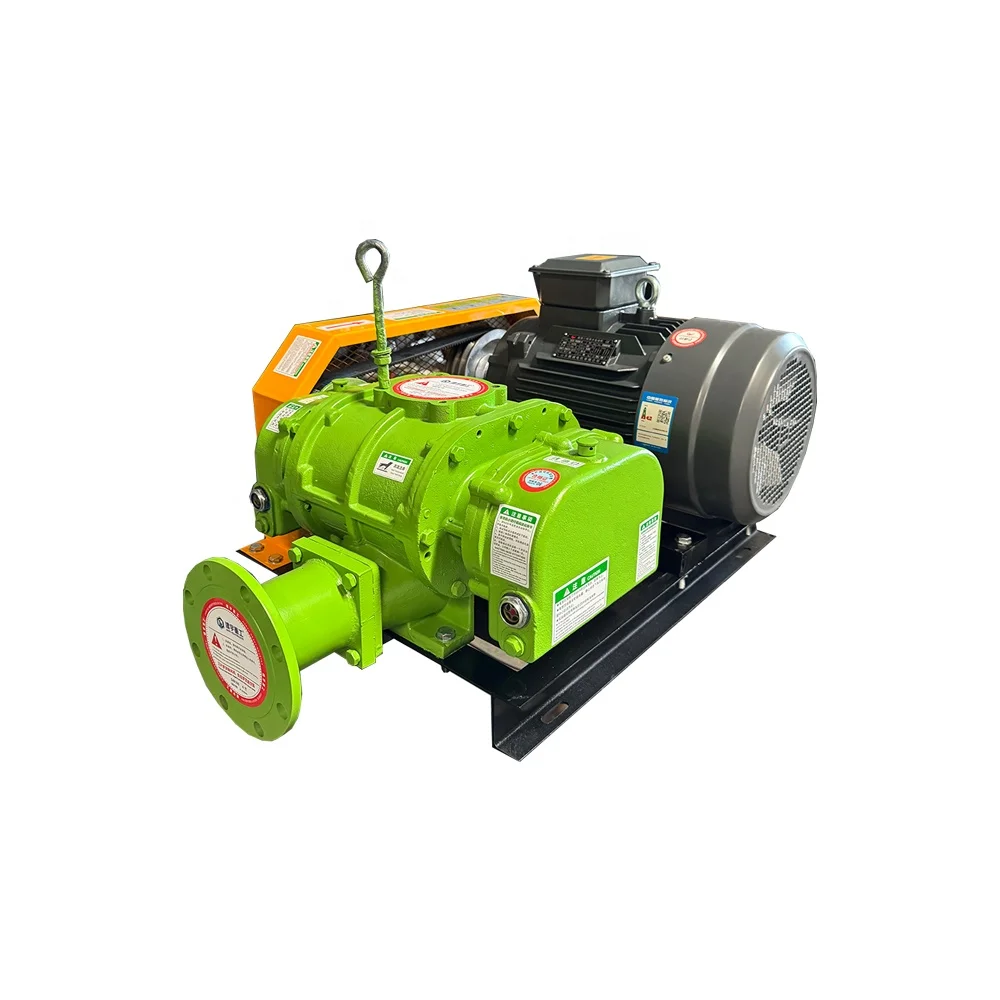
Energy efficiency remains one of the most pressing concerns for industrial facilities operating continuous production lines. When examining options to reduce operating costs, many manufacturing leaders overlook the potential of optimizing their pneumatic systems through strategic equipment selection. A lobe roots blower represents a proven solution for facilities seeking to achieve measurable reductions in energy consumption while maintaining the air delivery standards that modern industrial operations demand.
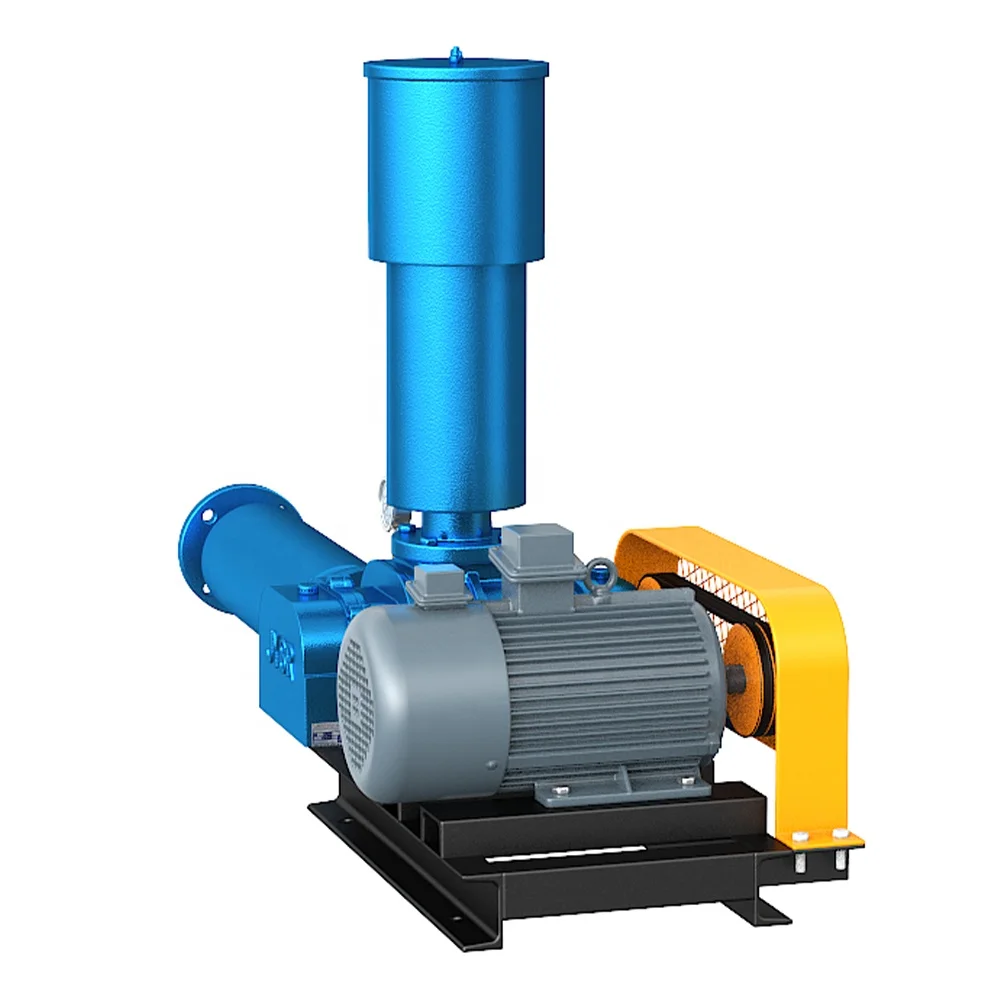
The relationship between blower technology choice and facility energy budgets is direct and measurable. Industrial air compression systems that rely on rotary lobe blower designs operate at higher thermodynamic efficiency than many alternative compression technologies, particularly in applications requiring consistent flow rates and moderate pressure ranges. Understanding how positive displacement blower applications align with specific operational requirements is essential for decision-makers evaluating capital investments in pneumatic infrastructure.
Energy Efficiency Through Positive Displacement Design
How Rotary Lobe Technology Minimizes Power Consumption
The fundamental advantage of a lobe roots blower lies in its positive displacement mechanism, which delivers consistent air volume with minimal energy waste. Unlike centrifugal designs that increase energy input proportionally with pressure demands, positive displacement blower applications maintain relatively stable power consumption across varying load conditions. The two rotating lobes create sealed chambers that trap and transfer air from inlet to outlet, eliminating the slip and turbulence that characterize less efficient compression methods.
In continuous industrial operations, this mechanical advantage translates into reduced kilowatt-hour consumption across months and years of operation. Rotary lobe blower maintenance becomes straightforward when facilities understand the underlying design, as the robust construction and predictable performance characteristics mean fewer emergency shutdowns and energy-wasting system inefficiencies. Industrial air compression systems incorporating these blowers consistently demonstrate 15 to 25 percent energy savings compared to older reciprocating or inefficient centrifugal alternatives, depending on application-specific pressure and flow requirements.
Matching Blower Selection to Operational Demand
Effective energy cost reduction requires matching the positive displacement blower applications to actual facility requirements rather than oversizing equipment for worst-case scenarios. Many industrial operations maintain blowers rated for peak demand throughout the year, even though continuous-duty processes rarely operate at maximum capacity. A lobe roots blower sized appropriately for average operational load reduces unnecessary energy expenditure while maintaining system reliability and performance consistency.
Advanced variable frequency drive integration allows facilities to further optimize rotary lobe blower performance by adjusting speed to match real-time demand. This capability, combined with proper industrial air compression systems design, enables facilities to achieve energy reductions that extend well beyond simple equipment replacement and into operational optimization territory.
Reliability and Maintenance Impact on Total Operating Cost
Long-Term Cost Benefits Beyond Initial Energy Reduction
The energy savings associated with a lobe roots blower constitute only part of the total cost advantage over extended operation periods. Rotary lobe blower maintenance requirements remain relatively minimal compared to technologies requiring more complex service protocols and specialized components. The positive displacement blower applications philosophy emphasizes mechanical simplicity, which directly reduces unexpected downtime costs and emergency repair expenses that drain facility budgets.
Scheduled maintenance intervals for industrial air compression systems built around lobe technology extend longer than many competing designs, reducing labor costs and spare parts inventory requirements. When facilities calculate true operating expenses including maintenance labor, component replacement, and production loss from unexpected shutdowns, the economics of selecting a lobe roots blower become increasingly favorable over equipment lifespans spanning 15 to 25 years.
Preventive Maintenance Protocols That Preserve Efficiency
Implementing structured rotary lobe blower maintenance programs ensures that energy efficiency gains remain consistent throughout the equipment lifecycle. Regular oil changes, filter replacements, and bearing inspections preserve the mechanical integrity that makes positive displacement blower applications effective. Many facilities overlook the reality that poorly maintained equipment experiences efficiency degradation of 3 to 8 percent annually, which eliminates much of the initial energy advantage.
A lobe roots blower maintained according to manufacturer specifications sustains its designed efficiency characteristics, ensuring that energy cost reductions remain stable across operational years. Facilities that implement condition-monitoring systems for their industrial air compression systems can detect efficiency degradation before it becomes severe, triggering targeted maintenance that restores performance at minimal cost.
Integration into Existing Industrial Systems
System Design Considerations for Energy Optimization
Successful energy cost reduction depends not only on selecting the right lobe roots blower but also on integrating it into a cohesive positive displacement blower applications strategy. Piping design, receiver tank capacity, and pressure regulation all influence overall system efficiency. Industrial air compression systems that incorporate proper moisture removal, temperature management, and pressure optimization alongside the rotary lobe blower achieve superior energy performance compared to standalone equipment installations.
Facilities undertaking system upgrades should evaluate opportunities to eliminate unnecessary pressure elevations that waste energy without providing operational benefit. Many industrial operations maintain higher discharge pressures than required by actual end-uses, creating wasted energy that continuous blower operation amplifies across weeks and months of service.
Monitoring and Performance Verification
Establishing baseline energy metrics before and after a lobe roots blower installation provides concrete evidence of cost reductions and validates the investment decision. Industrial air compression systems equipped with power monitoring, flow measurement, and efficiency calculation enable facility managers to quantify exact energy savings and identify optimization opportunities. This data-driven approach supports continuous improvement and helps justify capital investments to financial stakeholders.
Ongoing performance monitoring also reveals when rotary lobe blower maintenance becomes necessary by detecting subtle efficiency changes that precede major failures. Facilities leveraging this information reduce unexpected downtime and maintain the energy advantage that makes positive displacement blower applications economically superior in continuous duty applications.
FAQ
How much energy can a lobe roots blower actually save compared to other blower types?
Energy savings depend on application specifics, but industrial facilities typically observe 15 to 25 percent reduction in electrical consumption when replacing older blower technology with modern lobe roots blower designs. Positive displacement blower applications outperform centrifugal designs particularly in consistent-flow duty where pressure demands remain moderate. Your specific savings require analysis of current system performance, actual operating conditions, and the baseline technology you replace.
What rotary lobe blower maintenance is required to preserve energy efficiency?
Regular maintenance prevents efficiency degradation that erodes energy savings over time. Typical rotary lobe blower maintenance includes oil changes at 500 to 2,000 hour intervals depending on operating conditions, air filter replacements as needed, bearing inspections, and cooling system monitoring. Industrial air compression systems maintained according to manufacturer specifications retain their designed efficiency characteristics, ensuring energy cost reductions remain stable. Neglected equipment experiences efficiency losses of 3 to 8 percent annually.
Can a lobe roots blower work in all industrial air compression system applications?
While positive displacement blower applications cover the majority of continuous industrial duty situations, suitability depends on pressure requirements and flow consistency needs. Lobe roots blowers excel in moderate-pressure applications requiring consistent volumetric flow, such as aeration, material handling, and pneumatic conveying. Applications demanding very high pressures may require different technology, and consultations with equipment specialists ensure a lobe roots blower matches your specific facility requirements.