
 EN
EN
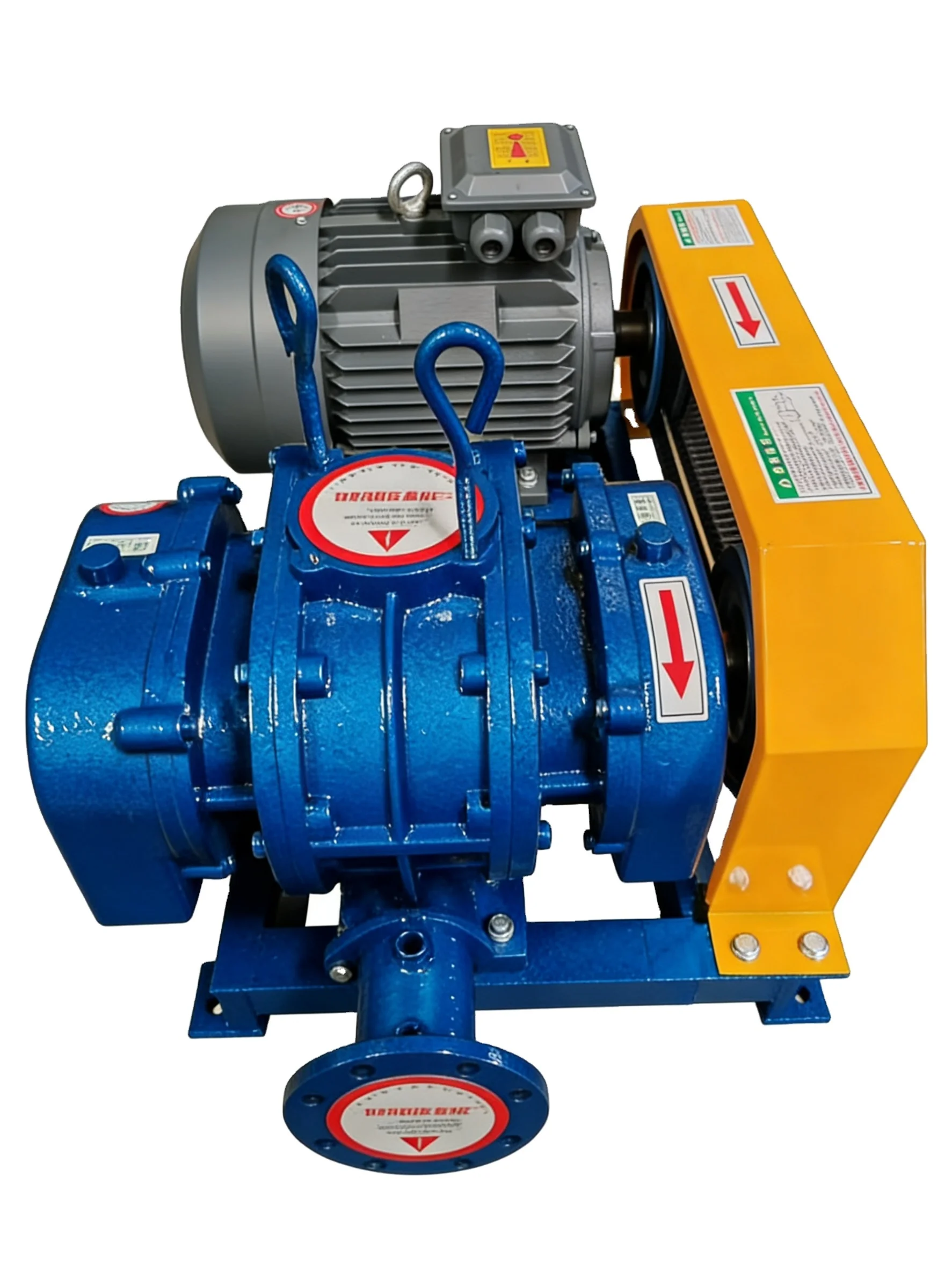
A lobe roots blower represents a critical advancement in pneumatic conveying technology, delivering consistent airflow and energy efficiency across industrial applications. Unlike traditional centrifugal designs, this positive displacement equipment provides predictable performance across varying system pressures, making it essential for facilities handling bulk materials, powders, and granular substances. Understanding how these blowers optimize pneumatic systems helps industrial operators select the right equipment, reduce operational costs, and maintain system reliability throughout extended production cycles.
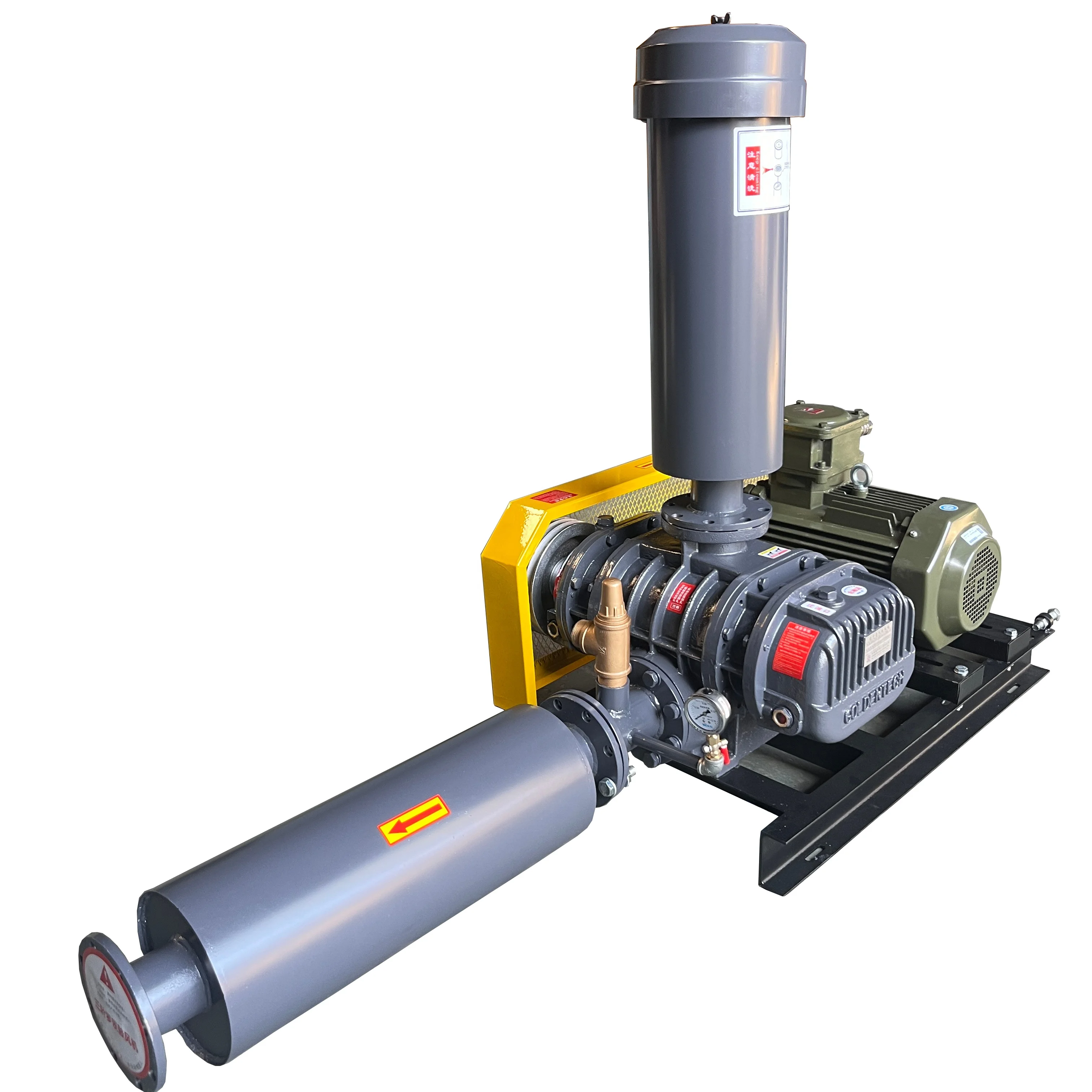
Pneumatic conveying systems depend on reliable airflow to transport materials efficiently while maintaining production throughput and minimizing product degradation. The rotary lobe compressor design ensures stable pressure delivery, which directly influences material flow rates, energy consumption, and overall system performance. Industrial facilities increasingly recognize that proper equipment selection, combined with effective rotary lobe compressor maintenance, significantly extends equipment lifespan and reduces unplanned downtime.
How Positive Displacement Technology Enhances System Performance
Understanding Positive Displacement Operating Principles
Positive displacement blower applications rely on mechanical volume displacement rather than velocity-based pressure generation. In a lobe roots blower configuration, two interlocking lobes rotate synchronously within a housing, creating expanding and contracting chambers that move air at a constant volume rate independent of system backpressure. This fundamental design characteristic makes positive displacement blower applications ideal for pneumatic conveying, where consistent airflow and pressure delivery are non-negotiable for safe material transport and reliable production scheduling.
The mechanical nature of rotary lobe compressor operation means airflow remains constant regardless of downstream pressure variations, delivering predictable performance across different load conditions. This consistency proves invaluable in materials handling facilities where pressure fluctuations could otherwise disrupt material flow or create hazardous operating scenarios. Industries handling cement, powders, flour, and plastic pellets depend on this stable delivery mechanism to maintain production accuracy and equipment safety.
Efficiency Advantages Over Traditional Blower Types
Compared to centrifugal blowers, a lobe roots blower offers superior efficiency across partial-load operating conditions, a critical advantage in real-world industrial settings where system demands fluctuate throughout production runs. Centrifugal designs lose efficiency dramatically at reduced flow rates, whereas positive displacement equipment maintains relatively constant efficiency whether operating at full capacity or lower throughput levels. This characteristic makes positive displacement blower applications particularly economical for facilities with variable material handling demands or seasonal production patterns.
Energy consumption directly correlates with operational profitability in industrial applications, making the efficiency profile of a lobe roots blower a significant investment consideration. Facilities operating pneumatic conveying systems continuously benefit from reduced electricity costs and lower thermal output, translating to decreased cooling requirements and extended maintenance intervals. The mechanical reliability of rotary lobe compressor designs further supports cost reduction by minimizing emergency repairs and associated production interruptions.
Maintenance Requirements and System Longevity
Rotary Lobe Compressor Maintenance Best Practices
Effective rotary lobe compressor maintenance begins with understanding the fundamental design and operational stresses inherent to positive displacement equipment. Regular monitoring of bearing temperatures, vibration levels, and intake air cleanliness directly influences equipment longevity and consistent performance delivery. A structured maintenance program includes routine oil changes, filter replacement, and periodic bearing inspections, with intervals determined by operating hours, environmental conditions, and specific lobe roots blower manufacturer specifications.
Preventive maintenance of a lobe roots blower significantly extends equipment service life and prevents catastrophic failures during critical production periods. Intake air quality proves especially critical since contamination directly damages rotary lobe compressor components and accelerates wear on moving parts. Facilities should invest in high-quality air filtration systems and implement regular filter monitoring protocols to ensure consistent equipment performance and reliable positive displacement blower applications throughout their operational lifespan.
Addressing Operational Noise and Environmental Concerns
Industrial facilities increasingly face pressure to reduce operational noise, making lobe blower noise reduction a significant design and maintenance consideration. A lobe roots blower generates characteristic tonal noise due to cyclic loading and lobe interaction, though modern engineering incorporates multiple noise mitigation strategies during manufacturing and installation. Proper installation techniques, vibration isolation mounts, and acoustic enclosures effectively reduce emitted noise levels, enabling positive displacement blower applications to meet workplace safety standards and community noise ordinances.
Implementing lobe blower noise reduction measures protects worker health and improves facility relationships with surrounding communities, particularly important for industrial sites located in developed areas. Silencers, discharge diffusers, and properly designed piping systems minimize turbulent noise generation without compromising airflow efficiency or system pressure delivery. Facilities investing in noise mitigation during equipment selection or retrofit operations benefit from improved operational acceptance and enhanced long-term equipment value.
System Integration and Performance Optimization
Selecting Proper Equipment Sizing and Configuration
Correct equipment sizing proves fundamental to achieving optimal efficiency from a lobe roots blower within specific pneumatic conveying applications. Undersized equipment forces excessive loading and reduced service life, while oversized specifications waste energy and increase capital costs unnecessarily. Engineers must calculate required airflow rates, system pressure requirements, and anticipated duty cycles to match rotary lobe compressor specifications precisely with application demands, ensuring positive displacement blower applications deliver expected performance and cost benefits.
Material properties, conveying distances, and system configuration complexity all influence the specific requirements for a lobe roots blower within pneumatic systems. Dense materials require higher pressure delivery, while dilute phase conveying may accept lower pressure specifications. Professional system design evaluates these variables comprehensively, ensuring selected equipment provides adequate capacity with margin for future production expansion or modified material handling requirements without necessitating equipment replacement.
Integrating Controls and Monitoring Systems
Modern pneumatic conveying installations increasingly incorporate sophisticated control and monitoring systems that optimize lobe roots blower performance throughout operational cycles. Variable inlet guides, discharge valve regulation, and automated pressure control strategies allow positive displacement blower applications to adapt to changing system demands while maintaining energy efficiency and component protection. Real-time monitoring of key parameters enables predictive maintenance planning and identifies developing issues before they escalate into costly equipment failures or production disruptions.
Advanced monitoring systems provide facility operators with actionable data regarding equipment health, energy consumption trends, and maintenance requirements, supporting data-driven decision-making throughout equipment lifecycle. Integration with facility management systems enables centralized oversight of multiple rotary lobe compressor units, allowing coordinated maintenance scheduling and optimized resource allocation across industrial operations. This technological integration transforms a lobe roots blower from a passive equipment component into an intelligent, monitored system element contributing to overall operational excellence and profitability.
FAQ
What specific advantages does a lobe roots blower provide in dilute phase pneumatic conveying?
A lobe roots blower excels in dilute phase conveying by delivering consistent, moderate pressure that maintains optimal material suspension without excessive air velocity that could cause degradation. The positive displacement blower applications capability to maintain stable airflow rates across varying system conditions ensures reliable material transport without pressure spikes or flow interruptions. This consistent performance proves particularly valuable for handling friable materials like chips, grains, or delicate food products where material quality preservation directly impacts product value and customer satisfaction.
How often should rotary lobe compressor maintenance occur in continuous operation facilities?
Rotary lobe compressor maintenance schedules depend on operating hours, air quality, and environmental conditions, typically requiring comprehensive inspection every 500 to 1000 operating hours for continuous facilities. Oil changes normally occur at 500-hour intervals, while bearing replacement and seal inspection happen at longer intervals based on condition monitoring data and manufacturer recommendations. Facilities should implement predictive maintenance approaches incorporating vibration analysis and temperature monitoring to identify potential issues before they develop into serious problems, optimizing both lobe blower noise reduction efforts and overall equipment reliability.
Can lobe blower noise reduction be effectively implemented on existing pneumatic conveying systems?
Yes, lobe blower noise reduction can be successfully retrofitted onto existing systems through installation of silencers, vibration isolation mounts, acoustic enclosures, and properly designed discharge piping modifications. Retrofit applications of positive displacement blower applications noise mitigation often prove more cost-effective than equipment replacement while providing meaningful noise level reductions that meet regulatory requirements. Facilities should engage acoustical engineers to evaluate existing system configurations and recommend targeted interventions that effectively reduce a lobe roots blower operational noise without compromising pneumatic conveying system performance or reliability.