
 EN
EN
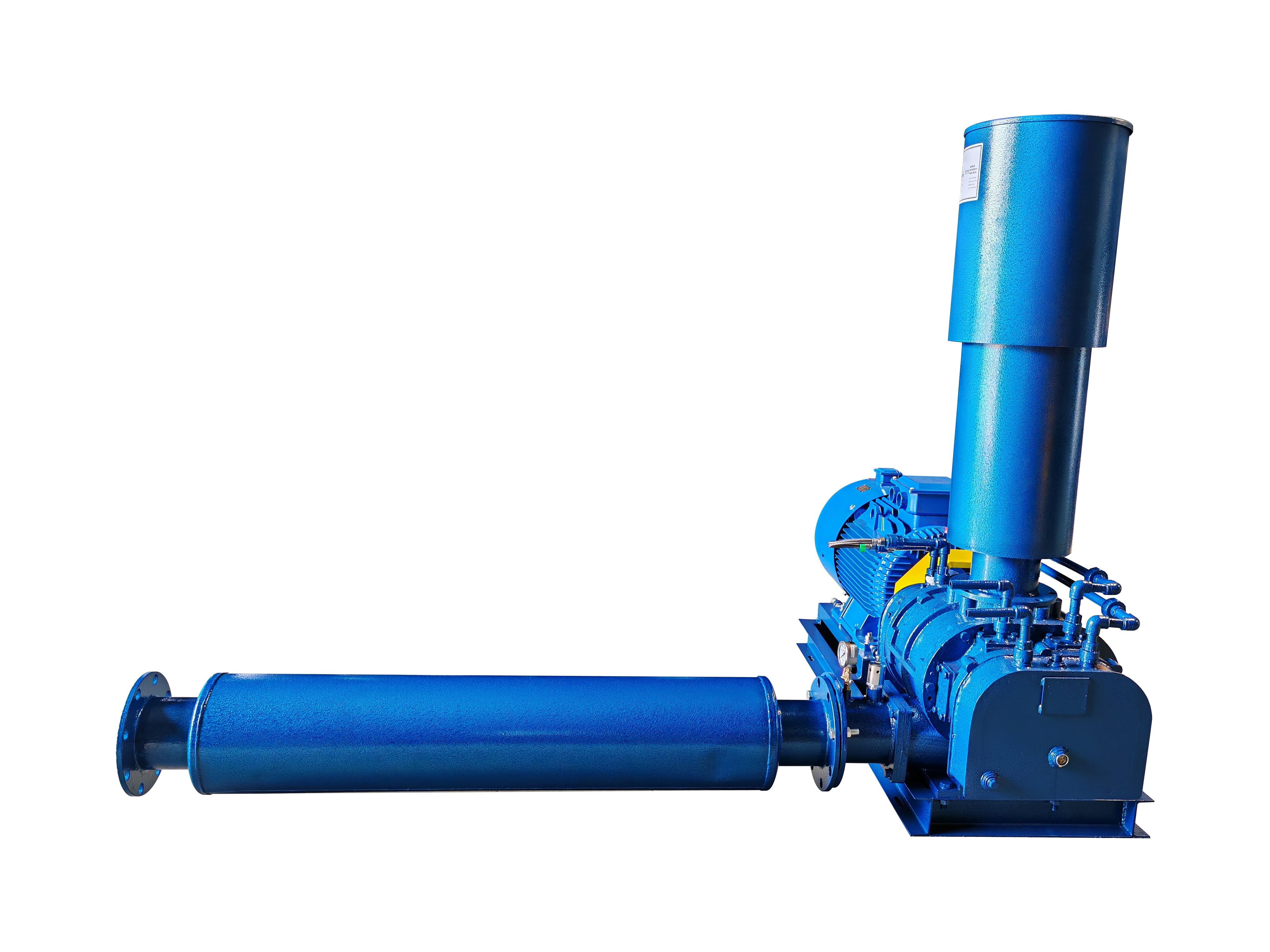
A lobe roots blower stands as one of the most reliable air compression solutions in modern industrial operations. Its reputation for delivering consistent performance stems from a straightforward yet elegant mechanical design that has remained largely unchanged for over a century. Unlike centrifugal compressors that depend on high-speed rotation and complex aerodynamic principles, a lobe roots blower operates through positive displacement, which guarantees a fixed volume of air moves with each revolution regardless of downstream pressure fluctuations. This fundamental characteristic makes it an ideal choice for applications demanding predictable flow rates and minimal maintenance intervention.
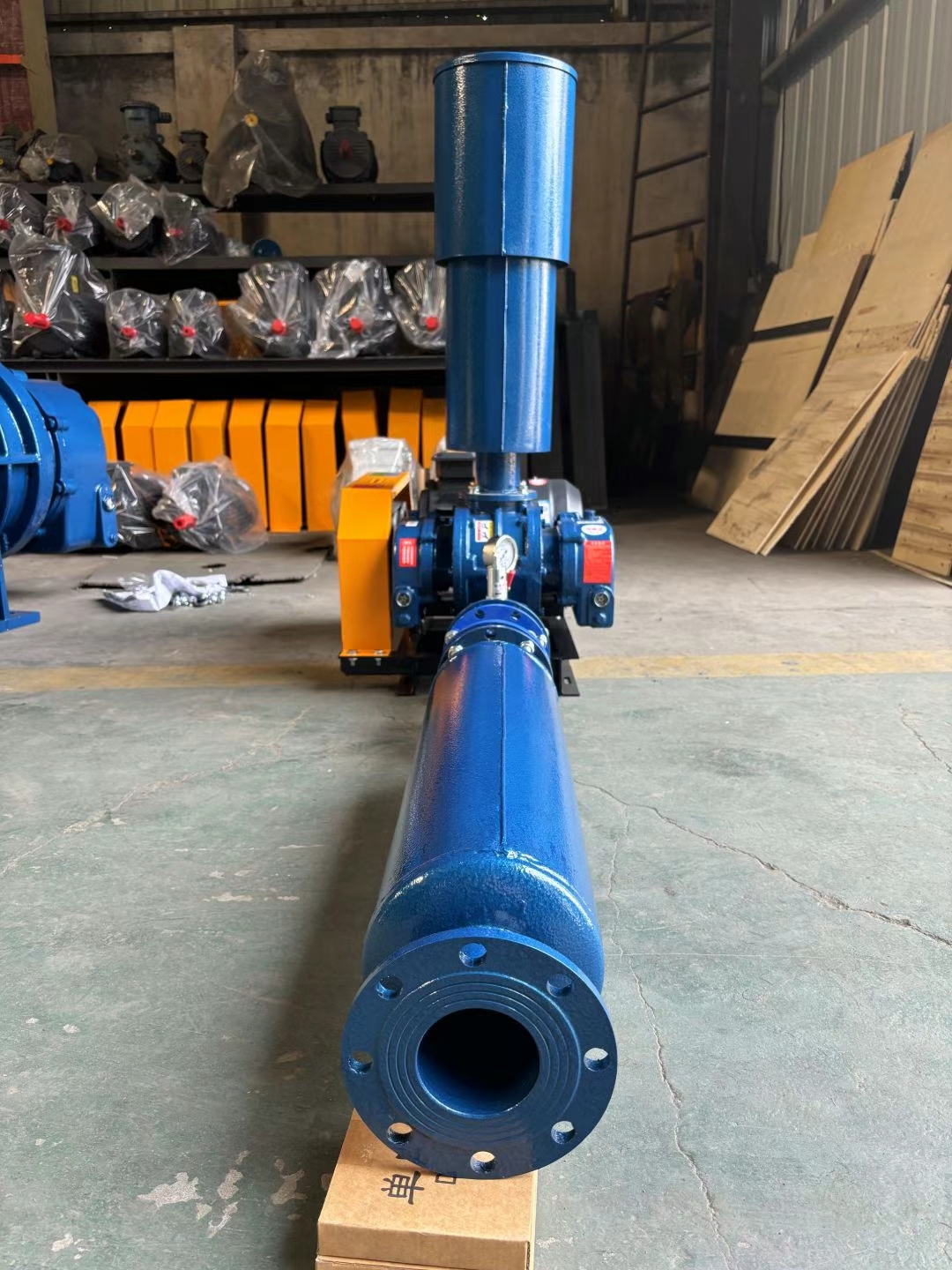
The engineering principles underlying a lobe roots blower make it particularly valuable in industries where equipment downtime translates directly to revenue loss. Whether used for wastewater treatment aeration, pneumatic conveying, or vacuum applications, the rotary lobe compressor specifications emphasize durability and simplicity. The mechanical design eliminates many failure points present in more complex compression technologies. Industrial air blower capacity selection becomes straightforward when engineers understand how positive displacement blower applications function, allowing facilities to match equipment capabilities precisely to operational demands without oversizing or underutilization.
Understanding the Core Design of Positive Displacement Blower Applications
How Rotary Lobe Compressor Specifications Enable Reliability
The mechanical foundation of a lobe roots blower consists of two figure-eight-shaped rotors housed within a precisely machined casing. These rotors rotate in opposite directions without making contact with each other, separated by a minimal clearance that typically measures only fractions of a millimeter. This design approach ensures minimal internal leakage while reducing wear patterns compared to other compression methods. The rotary lobe compressor specifications detail this exact clearance tolerance because it directly influences both performance efficiency and longevity. Manufacturers engineering positive displacement blower applications understand that maintaining these tolerances throughout the equipment's operational life preserves the performance envelope that customers depend upon.
Each rotation cycle draws air into the inlet chamber, traps it between the rotating lobes and casing, and forces it toward the discharge port. This straightforward cycle repeats with mechanical precision thousands of times daily without requiring feedback mechanisms or active control systems. Industrial air blower capacity selection depends heavily on understanding this displacement principle because it determines maximum achievable flow rates based solely on rotor size and rotational speed. A lobe roots blower delivering ten cubic feet per minute at one thousand RPM will deliver precisely twenty cubic feet per minute at two thousand RPM, making performance predictions exceptionally reliable for process planning and equipment integration.
Maintenance Advantages of Rotary Lobe Compressor Specifications
The maintenance profile of a lobe roots blower reflects its mechanical simplicity. Unlike centrifugal compressors that demand frequent impeller cleaning, blade replacement, and complex aerodynamic rebalancing, positive displacement blower applications typically require only routine bearing service, seal inspection, and filter changes. The rotary lobe compressor specifications published by manufacturers frequently highlight bearing life expectancy measured in tens of thousands of operating hours because the design generates predictable, non-fluctuating loads. Worn rotor clearances represent the primary performance degradation mechanism, yet this typically develops gradually over years rather than suddenly, allowing maintenance teams to plan component replacement during scheduled downtime rather than emergency situations.
Industrial Air Blower Capacity Selection and Operational Flexibility
Matching Equipment to Specific Process Demands
Selecting appropriate industrial air blower capacity begins with understanding process requirements, which a lobe roots blower addresses with particular effectiveness. Wastewater aeration systems need consistent bubble size and diffusion depth, parameters directly related to constant-volume displacement. Pneumatic conveying systems require steady pressure maintenance throughout pipe runs, something positive displacement blower applications handle inherently without pressure regulation complexity. The rotary lobe compressor specifications available from reputable manufacturers provide detailed capacity ratings across speed ranges, allowing engineers to select exact equipment sizes that match calculated demand without safety factors that lead to oversized, inefficient installations.
Industrial air blower capacity selection also considers the operational flexibility that a lobe roots blower provides through speed variation. Modern industrial facilities increasingly implement variable-frequency drives that allow rotational speed adjustment to match fluctuating process demands. A lobe roots blower operating at reduced speed consumes proportionally less energy while maintaining the pressure characteristics essential for successful operation. This capability makes positive displacement blower applications increasingly attractive in energy-conscious facilities where equipment efficiency directly impacts operating cost structures across thousands of monthly operating hours.
Reliability Benefits Across Extended Operating Seasons
The consistent performance delivered by a lobe roots blower becomes particularly valuable in applications requiring year-round operation without interruption. Municipal wastewater treatment plants operate daily regardless of weather conditions, equipment age, or seasonal stress factors. Rotary lobe compressor specifications emphasize design features that maintain performance across temperature extremes and varying humidity conditions that characterize environmental exposure. Unlike technologies sensitive to inlet air temperature fluctuations, positive displacement blower applications maintain displacement-based capacity regardless of thermal conditions, allowing operators to depend on predictable performance throughout calendar years spanning multiple seasons and environmental variations.
Performance Optimization Through Proper System Integration
Integrating Rotary Lobe Compressor Specifications into Process Systems
Achieving maximum benefit from a lobe roots blower depends on understanding how equipment specifications integrate with complete process systems. Industrial air blower capacity selection must account for supply-side factors including filter pressure drop, inlet piping configuration, and environmental contamination levels. The rotary lobe compressor specifications establish performance ratings based on clean inlet air at standard temperature and pressure conditions, so real-world installations require adjustments accounting for actual field conditions. Positive displacement blower applications perform optimally when inlet filtration removes particulate matter that might damage close-tolerance internal components, making filter maintenance a critical element of the overall maintenance strategy despite the lobe roots blower's inherent simplicity.
Discharge-side system design equally influences the realized performance from rotary lobe compressor specifications. Pressure relief valve settings, silencer configurations, and moisture management systems all interact with the fundamental lobe roots blower displacement rate. Proper system design anticipates thermal effects from compression work, manages condensation that accumulates during intermittent operation, and directs discharge air through appropriate treatment stages before reaching application points. Industrial air blower capacity selection represents only the beginning of proper system planning; comprehensive integration planning ensures the equipment operates within design parameters while delivering performance that maintains process efficiency across extended operational periods.
Monitoring and Predictive Maintenance Strategies
Modern industrial facilities increasingly implement condition monitoring programs that track a lobe roots blower performance through vibration analysis, temperature sensing, and acoustic monitoring. While positive displacement blower applications require minimal maintenance compared to alternatives, strategic monitoring provides early warning of developing issues before they impact operational continuity. Rotary lobe compressor specifications define normal operating noise signatures and temperature ranges, allowing automated systems to alert maintenance personnel when equipment approaches wear limits. Temperature monitoring particularly matters because bearing temperature elevation indicates lubrication film breakdown or rotor-casing contact developing, both conditions requiring attention before catastrophic failure occurs. Regular vibration monitoring detects rotor imbalance or bearing wear patterns, enabling scheduled component replacement during planned maintenance windows rather than forcing emergency shutdown situations.
FAQ
What makes a lobe roots blower superior for consistent pressure maintenance compared to other compressor types?
A lobe roots blower delivers constant volume displacement regardless of downstream pressure fluctuations, which distinguishes positive displacement blower applications from dynamic compressors. This fundamental characteristic means industrial air blower capacity selection based on rotary lobe compressor specifications provides guaranteed performance that depends purely on equipment displacement and speed rather than pressure conditions that affect centrifugal machines. The mechanical design of a lobe roots blower inherently resists pressure variations, making it ideal for processes where consistent flow rates matter more than pressure optimization.
How frequently should maintenance occur on a lobe roots blower to maintain rated performance?
Routine maintenance for positive displacement blower applications typically includes filter changes every two to four weeks depending on inlet air cleanliness, bearing lubrication checks monthly, and seal inspection annually. A lobe roots blower requires minimal scheduled maintenance beyond these basic intervals because rotary lobe compressor specifications detail designs with exceptionally long operational life expectancies. Industrial air blower capacity selection should account for these minimal maintenance requirements, making equipment total cost of ownership substantially lower than technologies requiring complex overhauls or frequent component replacement throughout their operational lifespan.
Can a lobe roots blower operate effectively in variable-demand applications where flow requirements fluctuate throughout operating periods?
Yes, a lobe roots blower performs effectively in variable-demand applications through speed adjustment using variable-frequency drives, allowing positive displacement blower applications to match changing flow requirements with proportional energy consumption. The rotary lobe compressor specifications maintain performance characteristics across speed ranges, meaning industrial air blower capacity selection can specify equipment that operates efficiently at partial capacity for extended periods. This flexibility makes modern lobe roots blower installations increasingly attractive for facilities seeking operational efficiency without sacrificing the reliability and low maintenance that define these compression technologies.
Table of Contents
- Understanding the Core Design of Positive Displacement Blower Applications
- Industrial Air Blower Capacity Selection and Operational Flexibility
- Performance Optimization Through Proper System Integration
-
FAQ
- What makes a lobe roots blower superior for consistent pressure maintenance compared to other compressor types?
- How frequently should maintenance occur on a lobe roots blower to maintain rated performance?
- Can a lobe roots blower operate effectively in variable-demand applications where flow requirements fluctuate throughout operating periods?